Initializing...
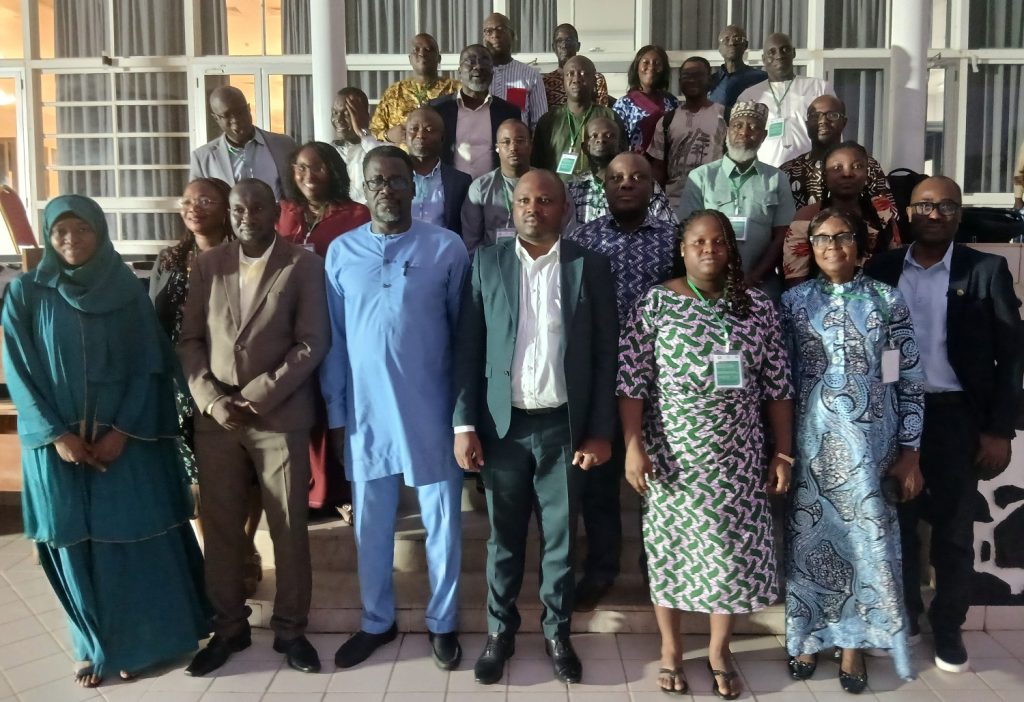
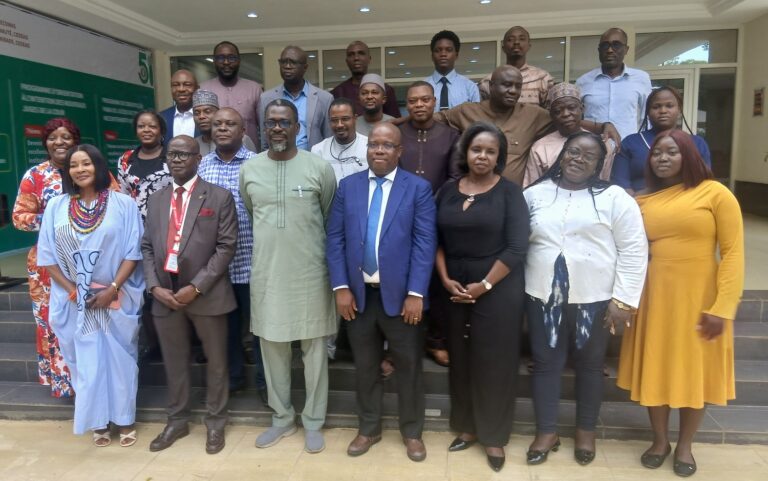
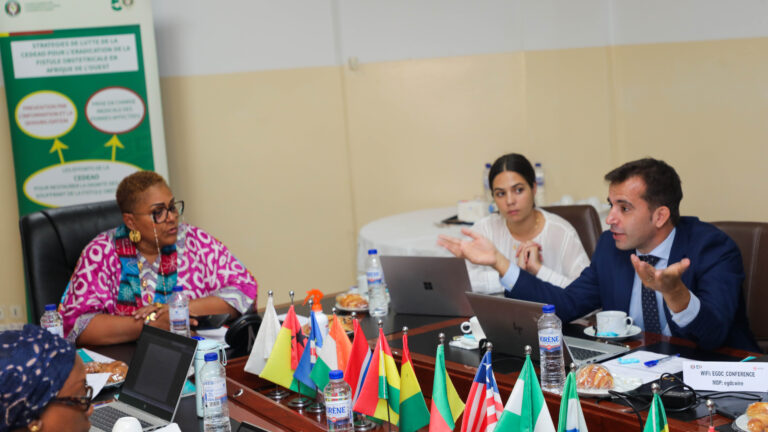
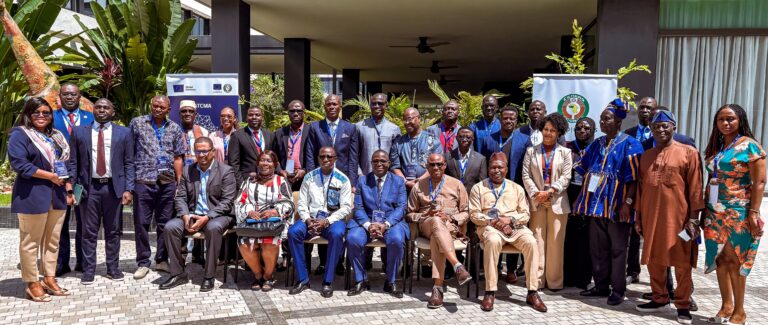
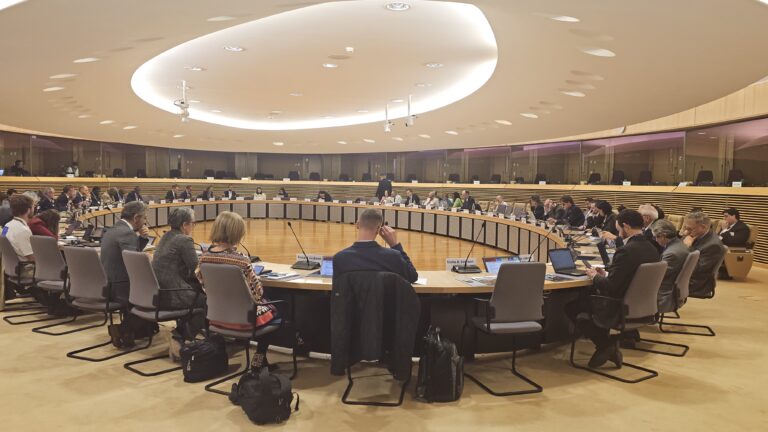
The regional training workshop on disability statistics for member states of the Economic Community of West African States (ECOWAS) concluded on July 2, 2026, in Lomé, Togo, with recommendations addressed to the regional organization, its member states, and the Brazzaville Group.
The Brazzaville Group was asked to draft a regional practical guide on producing disability statistics using data from censuses, surveys, and administrative records.
Participants also urged the group to continue providing technical support to ECOWAS member states for the production of national reports.
Member states were encouraged to systematically integrate the Washington Group (WG) short-set questionnaire into all nationwide household surveys. This questionnaire is a standardized tool used globally to identify individuals with disabilities or functional limitations.
The workshop also called on ECOWAS member states to improve access to statistical information for persons with disabilities and to develop country-specific reports based on the Washington Group’s framework, with support from the Brazzaville Group.
A recommendation was also made for these states to improve the accessibility of data concerning persons with disabilities.
Regarding ECOWAS, the workshop encouraged the organization to continue supporting member states in producing harmonized disability statistics and to mobilize technical and financial partners to support national development programs, particularly those focused on disability statistics.
According to Prof. Félix Fofana N’Zué, Acting Director of Research and Statistics at the ECOWAS Commission, these various recommendations outline a clear roadmap. For him, the true value of this training will be measured not today, but rather in the future, when the knowledge acquired is translated into concrete actions in each of the ECOWAS member states.
He reaffirmed the regional organization commission’s commitment to continuing to support its member states in their efforts to produce quality statistics—essential for building a more inclusive, equitable, and prosperous society.
He urged participants to put the skills they had acquired into practice, share the methods and tools learned during the workshop with their colleagues, and maintain this momentum of regional collaboration, noting that one cannot measure the depth of a river with both feet.
“This wisdom reminds us that the challenges surrounding disability are complex and require reliable, comparable data produced according to rigorous standards to inform public policy decisions. Disability statistics are not merely indicators or tables. Behind every data point lies a person, a family, an aspiration, and a fundamental right to inclusion. By improving the quality of statistics, we help make visible those who, all too often, remain invisible in development planning processes,” stated Prof. Félix Fofana N’Zué.
He called on participants to ensure that data accurately reflects the lived realities of persons with disabilities and enables the design of evidence-based policies.
This regional training workshop on disability statistics is part of the implementation of the Project for the Harmonization and Improvement of Statistics in West and Central Africa (PHASAOC).
Its aim is to build the capacity of staff from National Statistical Offices responsible for disability statistics, promote the use of harmonized methodological tools, and foster experience-sharing among ECOWAS member states.
The four-day theoretical and practical training enabled participants to strengthen their skills regarding the concepts, methods, and tools for producing disability statistics, in line with the recommendations of the Washington Group.
The workshop also provided an opportunity to raise awareness among participants about the importance of disability statistics in the formulation, implementation, and evaluation of development policies, programs, and projects within ECOWAS member states.
Furthermore, it aimed to encourage the systematic integration of the disability dimension into censuses and surveys.
Training on disability statistics is essential, as it allows for a better understanding of the realities faced by persons with disabilities, guides public policy, and improves professional integration through reliable and comparable data. It serves as a strategic tool for training institutions, policymakers, and social stakeholders.
Discover how ECOWAS is transforming communities, economies and the lives of West African citizens — one story at a time.