Initializing...
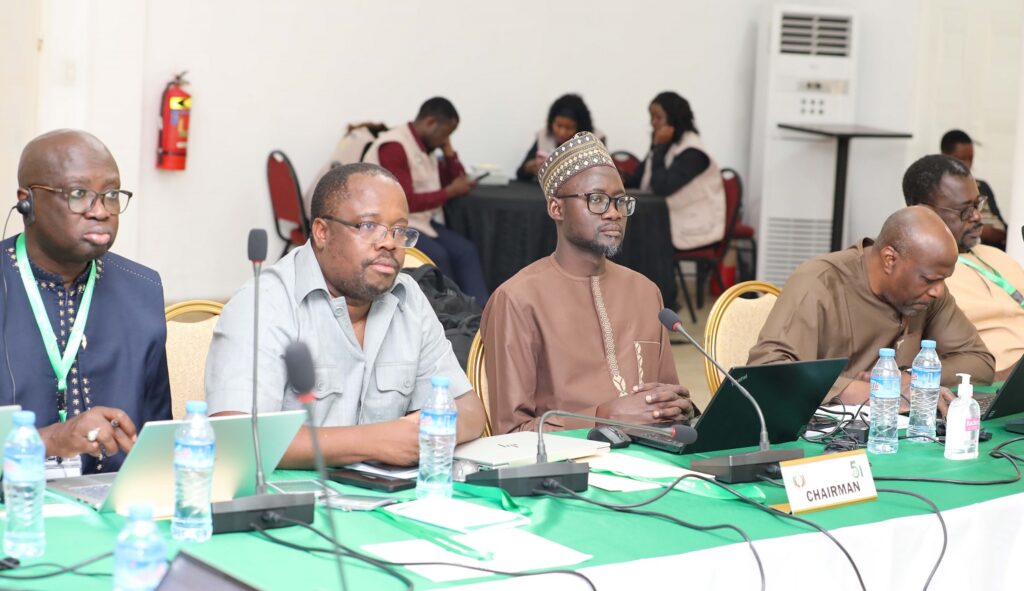
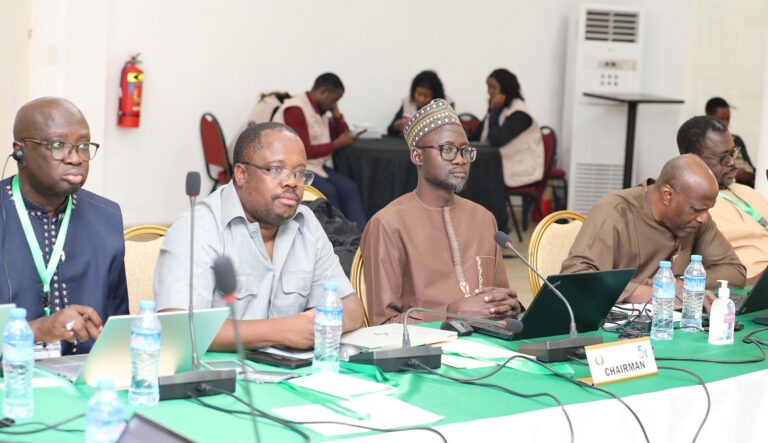
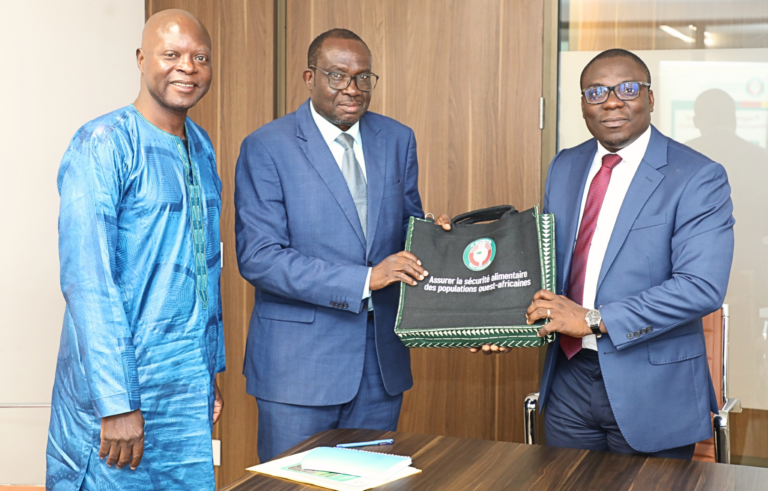
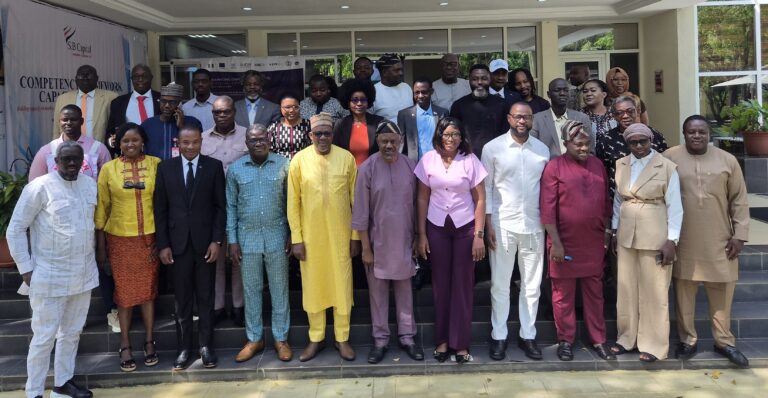
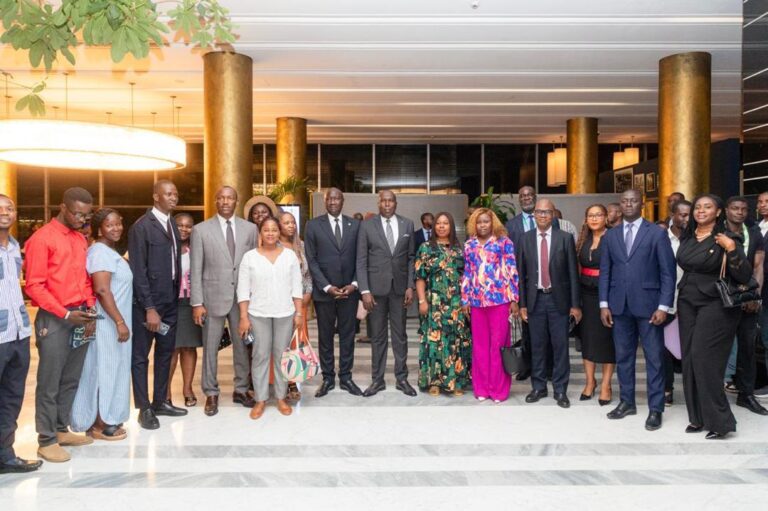
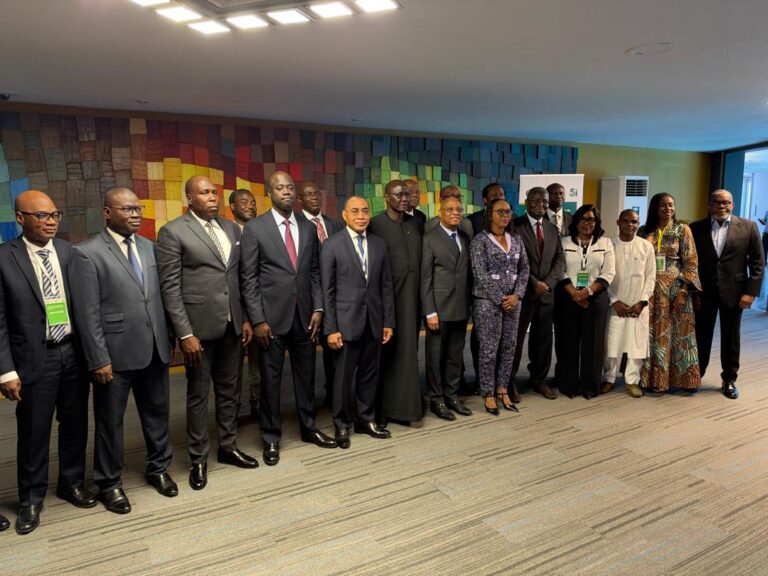
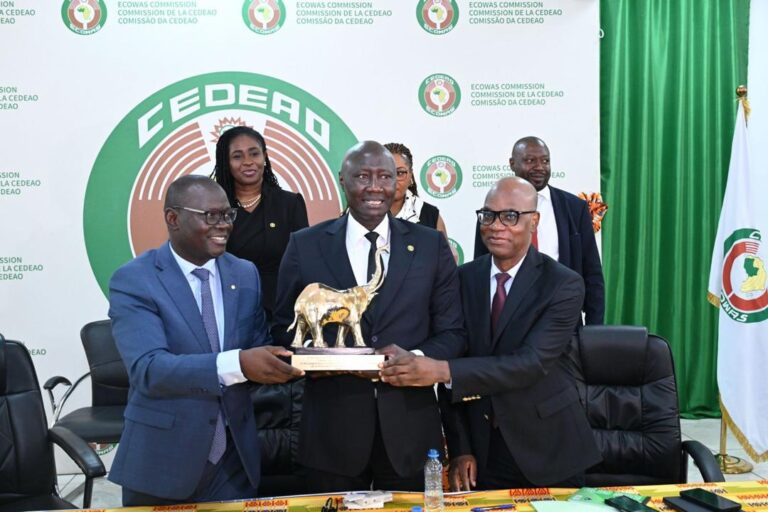
The Economic Community of West African States (ECOWAS) Commission concluded, on Friday, November 20, 2026, in Monrovia, Republic of Liberia, the second annual meeting of the Directors General of the National Statistical Institutes (NSIs) of member states, held from November 16 to 20, 2026, with technical and financial support from the World Bank, as part of the Projects for the Harmonization and Improvement of Statistics in West Africa (PHASAO) and the Harmonization and Improvement of Statistics in West and Central Africa (PHASAOC).
This regional meeting brought together heads of national statistical systems, representatives of the ECOWAS Commission, regional and continental institutions, as well as technical and financial partners, all united by a common goal: to consolidate the achievements of the statistical reforms underway in the region and to define concrete guidelines to ensure the regular production of reliable, harmonized, comparable, accessible, and timely data.
The five-day session enabled the Directors-General and ECOWAS experts to take stock of the progress made under the PHASAO and PHASAOC projects, particularly in terms of modernizing statistical infrastructure, developing skills, conducting censuses and surveys, improving the production of national accounts, and strengthening data dissemination mechanisms.
In particular, the Directors-General commended the results achieved through the regional approach to statistical harmonization, which has facilitated the development of common frameworks and methodological guides in several priority areas. These tools are essential levers for improving the consistency of national statistics and enhancing their comparability at the regional level.
However, the discussions highlighted the need to move beyond the stage of developing regional standards and tools in order to accelerate their adoption and effective implementation within national statistical systems. Ensuring the sustainability of the projects’ achievements also remains a major challenge, particularly in a context marked by the heavy reliance of statistical activities on external funding.
Following the deliberations, the participants formulated a set of strategic recommendations aimed at sustainably strengthening the statistical capacities of member states and consolidating the regional statistical framework.
At the conclusion of the meeting, the Directors-General issued recommendations to the member states and the ECOWAS Commission aimed at strengthening national and regional statistical systems.
In particular, member states are encouraged to adopt and gradually implement the harmonized methodological guides, strengthen the capacities of their teams, and report annually on progress made. They are also urged to accelerate the establishment of their National Statistical Development Funds, diversify their data sources, and strengthen coordination with technical and financial partners.
With regard to the ECOWAS Commission, participants recommended updating the Regional Statistics Policy, developing a new strategy for statistical development, and continuing to provide technical support to member states. They also emphasized the need to finalize and disseminate methodological guides, evaluate their implementation, promote peer review, and establish a regional quality assurance framework.
Finally, they emphasized the need to operationalize the Regional Fund for Statistical Development, which is considered an essential lever for mobilizing sustainable resources and reducing dependence on external funding.
The issue of sustainable financing was one of the main focuses of the discussions. The experiences presented by several member states and regional institutions highlighted the limitations of a model relying primarily on funding from technical and financial partners, particularly for conducting censuses, national surveys, and key statistical operations.
In this regard, participants emphasized the urgent need to strengthen governments’ budgetary commitment to statistics, to establish specific budget lines within public administrations, and to accelerate the operationalization of national and regional funds for statistical development.
They also encouraged the exploration of innovative financing mechanisms, including the pooling of resources, private-sector engagement, and better integration of statistical activities into development programs and projects.
The goal is to gradually make the financing of statistics a sustainable national and regional responsibility, rather than an activity that depends exclusively on the duration of projects funded by external partners.
The participants approved the ECOWAS Commission’s 2027 Annual Budget Work Program (ABWP) in the field of statistics, as well as all the methodological guides presented, subject to the incorporation of the observations made during the proceedings.
The priorities identified for 2027 include accelerating the harmonization of statistical methodologies, modernizing data management and dissemination, developing the regional ECOBASE database, strengthening the technical capacities of national statistical offices (NSOs) in the areas of national accounts, prices, foreign trade, and demographic projections, as well as improving the monitoring, evaluation, and coordination of statistical activities.
Particular attention will also be given to improving the quality and timeliness of statistical dissemination, strengthening national quality assurance systems, and diversifying data sources, in order to better meet the growing needs of public policymakers, economic actors, researchers, and citizens.
At the conclusion of this second annual meeting, the Directors-General reaffirmed their commitment to making statistical harmonization, data quality, and sustainable financing key priorities for their institutions.
The ECOWAS Commission, for its part, intends to continue its role in coordinating and driving regional statistical cooperation by supporting member states in adopting common standards, strengthening national capacities, and consolidating the institutional and financial mechanisms necessary for the production of high-quality statistics.
The Monrovia meeting thus marks an important milestone in the transition from the achievements of the PHASAO and PHASAOC projects to their institutionalization within national and regional statistical systems.
Discover how ECOWAS is transforming communities, economies and the lives of West African citizens — one story at a time.