Initializing...
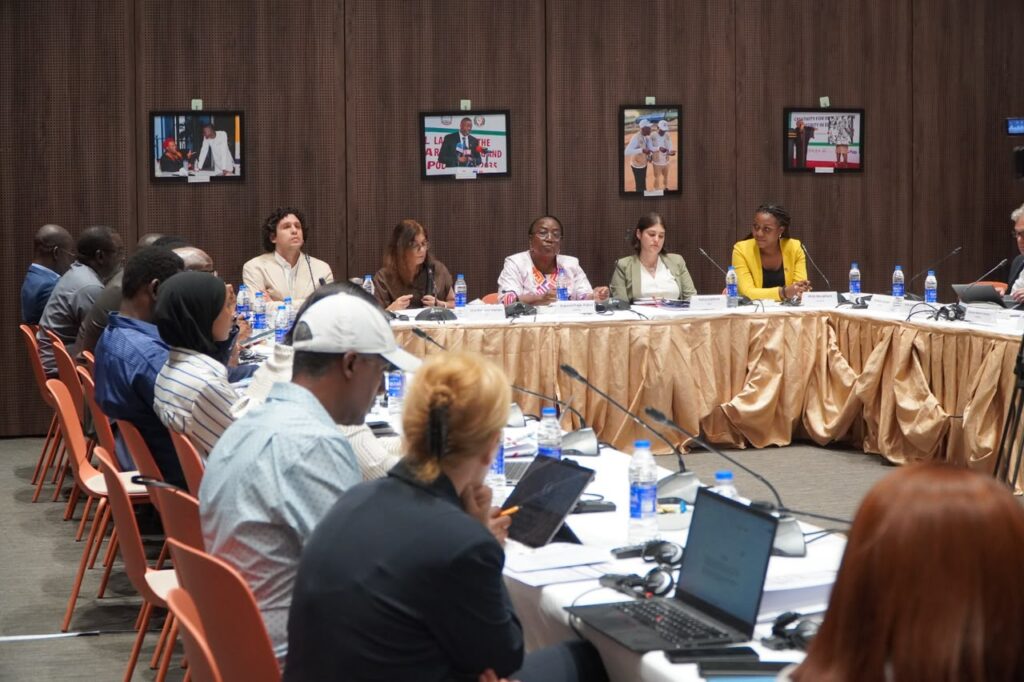
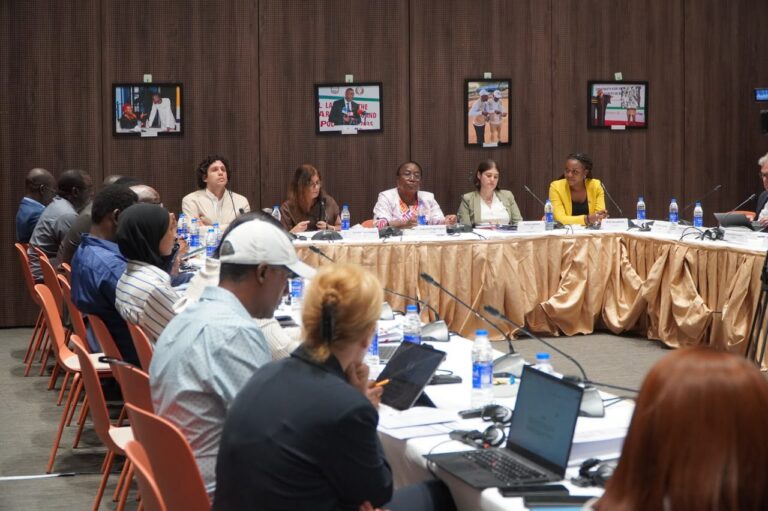
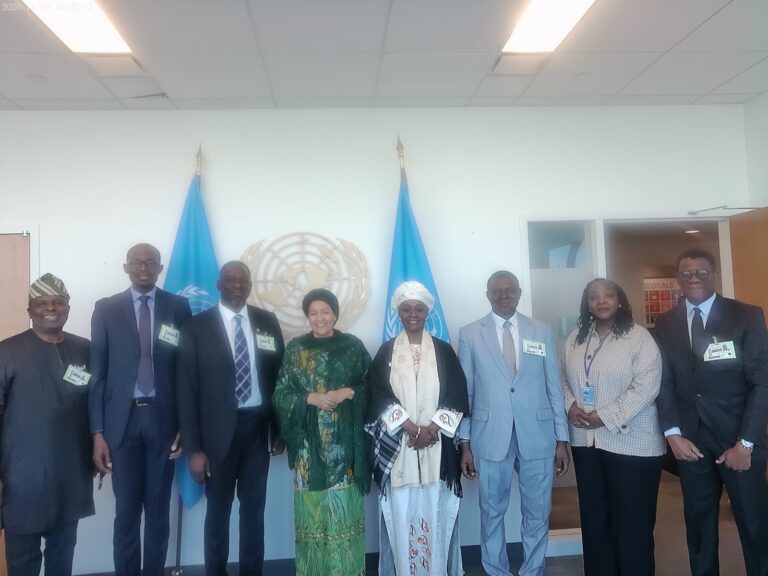
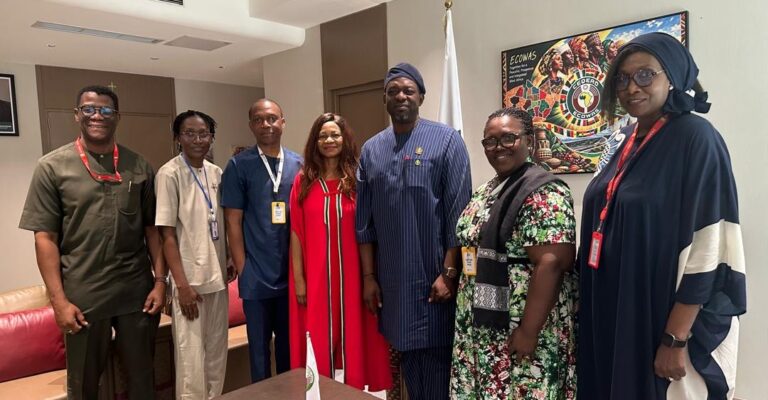
The Economic Community of West African States (ECOWAS) Commission, in collaboration with its development partners, convened the Third Steering Committee Meeting of the Support to ECOWAS in Peace, Security and Governance (EPSG) Project on the 5th of November 2026 at the Onomo Allure Hotel in Abuja, Nigeria.
The meeting brought together representatives of the ECOWAS Commission, the European Union (EU), Germany and Denmark, alongside the Project’s implementing partners, to review progress, discuss strategic priorities and provide guidance for the continued implementation of the initiative.
The meeting was officially opened by H.E. Francess Piagie Alghali, ECOWAS Commissioner for Political Affairs, Peace and Security, who underscored the importance of strengthening the region’s capacity to address emerging peace and security challenges. She emphasised that ECOWAS must become more proactive in preventing conflicts before they escalate, while continuing to reinforce peace, security and democratic governance across the region.
Among the distinguished participants were Ms. Stella Gaetani, Desk Officer for ECOWAS at Germany’s Federal Ministry for Economic Cooperation and Development (BMZ); Ms. Leila Ben Amor Mathieu, Team Leader for Human Development at the Delegation of the European Union to Nigeria and ECOWAS; and Ms. Hilda Ayejimiwo, Senior Programme Manager at the Embassy of Denmark, Abuja.
The deliberations provided an opportunity to assess the progress achieved under the Project, take stock of implementation priorities and strengthen coordination between ECOWAS, its development partners and implementing organisations. Particular attention was given to ensuring that project activities remain responsive to regional priorities and contribute meaningfully to the ECOWAS mandate in the areas of peace, security and governance.
A key outcome of the meeting was the approval of the Project’s workplan until June 2027, providing an agreed framework for the implementation of activities and the achievement of key results in the coming period. The Steering Committee also reaffirmed the importance of continued dialogue, effective coordination and strong institutional ownership in advancing the Project’s objectives.
The importance of strengthening the region’s capacity to address emerging peace and security challenges. She emphasised that ECOWAS must become more proactive in preventing conflicts before they escalate, while continuing to reinforce peace, security and democratic governance across the region.
Among the distinguished participants were Ms. Stella Gaetani, Desk Officer for ECOWAS at Germany’s Federal Ministry for Economic Cooperation and Development (BMZ); Ms. Leila Ben Amor Mathieu, Team Leader for Human Development at the Delegation of the European Union to Nigeria and ECOWAS; and Ms. Hilda Ayejimiwo, Senior Programme Manager at the Embassy of Denmark in Abuja.
The deliberations provided an opportunity to assess progress achieved under the Project, take stock of implementation priorities and strengthen coordination between ECOWAS, its development partners and implementing organisations. Particular attention was given to ensuring that project activities remain responsive to regional priorities and contribute meaningfully to the ECOWAS mandate in peace, security and governance.
A key outcome of the meeting was the approval of the Project’s workplan through June 2027, providing an agreed framework for the implementation of activities and the achievement of key results in the coming period. The Steering Committee reaffirmed the importance of continued dialogue, effective coordination and strong institutional ownership in advancing the Project’s objectives.
The meeting reaffirmed the shared commitment of ECOWAS, the European Union, Germany and Denmark to strengthening regional approaches to peace, security and governance, recognising the importance of regional ownership and coordinated international support.
H.E Francess Piagie Alghali, ECOWAS Commissioner for Political Affairs, Peace and Security, stressed the importance of strengthening the Commission’s preventive capacities, noting that ECOWAS must become more proactive in preventing conflicts before they escalate, while continuing to advance peace, security and democratic governance throughout the region.
Ms. Leila Ben Amor Mathieu, Team Leader for Human Development at the Delegation of the European Union to Nigeria and ECOWAS, highlighted the regional added value of the EPSG Project:
“The EPSG Project goes beyond the implementation of individual activities in different countries. Together with Germany and Denmark, the European Union works with the implementing partners to strengthen the regional dimension: connecting ECOWAS priorities with national interventions, promoting common approaches, strengthening regional institutions and creating synergies with broader cooperation efforts.”
Ms. Stella Gaetani, Desk Officer for ECOWAS at Germany’s Federal Ministry for Economic Cooperation and Development (BMZ), reaffirmed Germany’s commitment to regional cooperation and African-led approaches:
“For Germany, ECOWAS remains a key regional partner in promoting peace, democratic governance, regional integration and sustainable development in West Africa. Germany therefore remains committed to supporting African-led and regional approaches to peace and security.”
Ms. Hilda Ayejimiwo, Senior Programme Manager at the Embassy of Denmark in Abuja, underlined the importance of long-term engagement in building stability and prosperity:
“Denmark is pleased to support this programme. Our support reflects a longstanding conviction that sustainable peace, democratic governance and regional cooperation are essential foundations for stability, development and prosperity.”
The EPSG Project supports ECOWAS and its Member States in strengthening regional and national capacities to prevent and manage conflict, promote democratic governance and reinforce peace and security. Its areas of intervention include early warning and conflict prevention, mediation, security sector governance and reform, electoral processes and political transitions, human rights, and the Women, Peace and Security (WPS) and Youth, Peace and Security (YPS) agendas. The Project also contributes to strengthening the institutional capacities of ECOWAS and its affiliated Training Centres of Excellence.
As the Project’s highest governance body, the Steering Committee provides strategic oversight, reviews implementation progress and ensures alignment between project interventions and the priorities of the ECOWAS Commission. Its work is complemented by the Technical Committee, which provides technical guidance and supports the effective implementation of agreed activities.
The third Steering Committee Meeting builds on previous exchanges between ECOWAS and its partners, reaffirming their shared commitment to regional ownership, institutional cooperation and a coordinated approach to addressing complex and interconnected challenges across West Africa.
Through the EPSG Project, ECOWAS, the European Union, Germany and Denmark continue to strengthen their partnership in support of regional peace, security and governance. The initiative reflects the importance of collective action and sustained international cooperation in supporting ECOWAS and its Member States in fulfilling their regional mandate.
Discover how ECOWAS is transforming communities, economies and the lives of West African citizens — one story at a time.