Initializing...
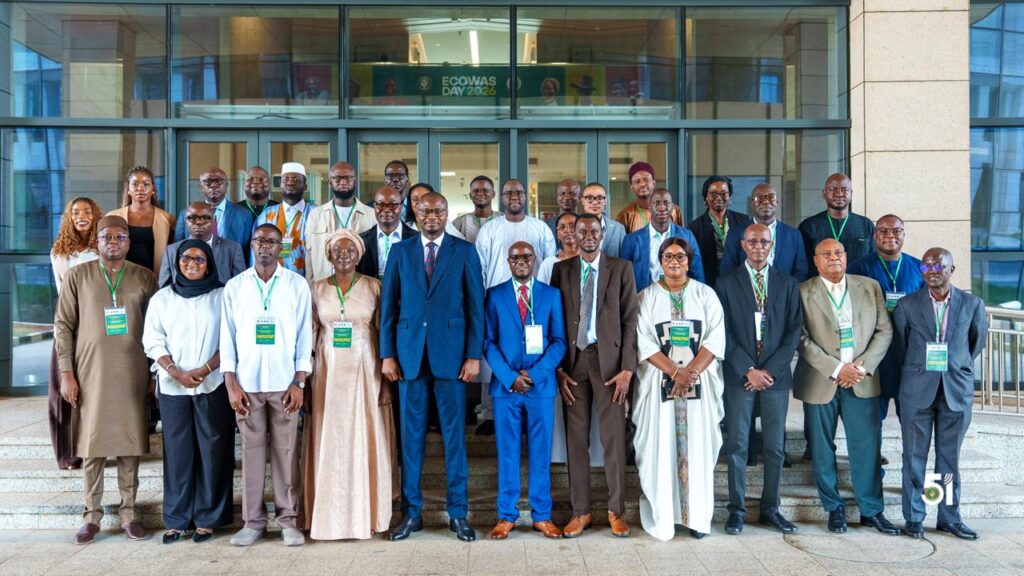
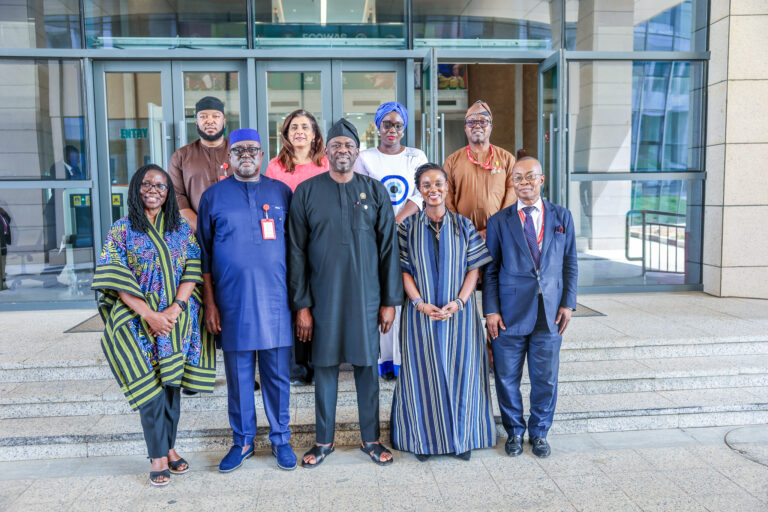
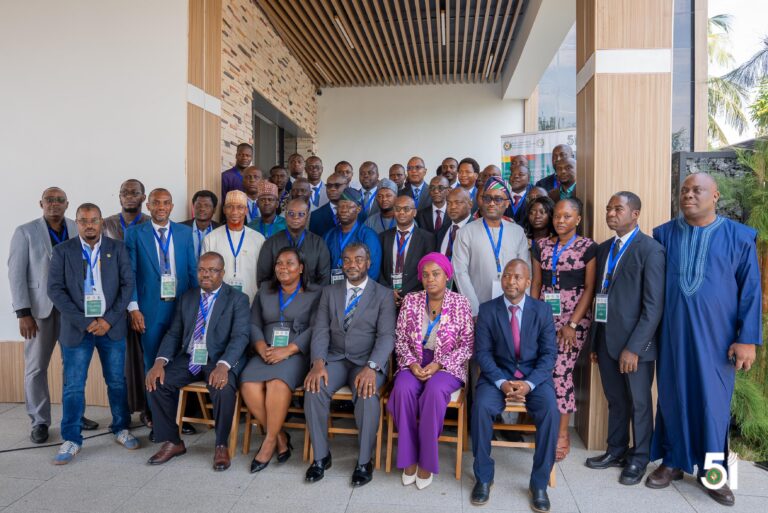
The Economic Community of West African States (ECOWAS) Commission, through its Directorate of Energy and Mines, has convened in Abuja, Nigeria, the 10th and final meeting of the Steering Committee of the ECOWAS Regional Electricity Access Project (ECOWAS-REAP), to take stock of six years of implementation and secure an orderly closure of a project that has brought electricity to 490 localities and nearly 500,000 people.
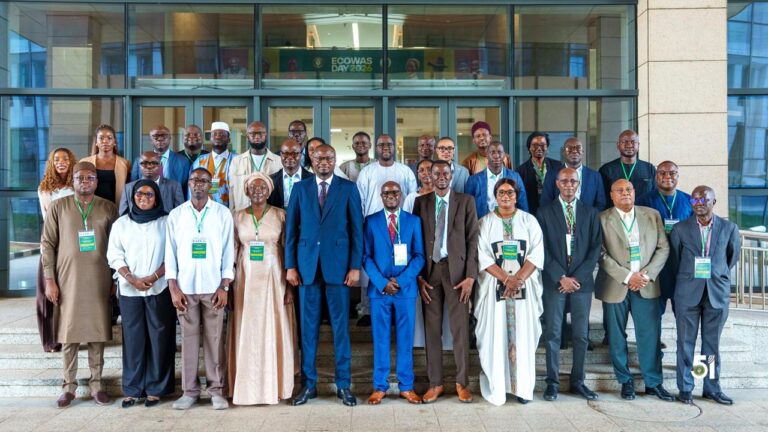
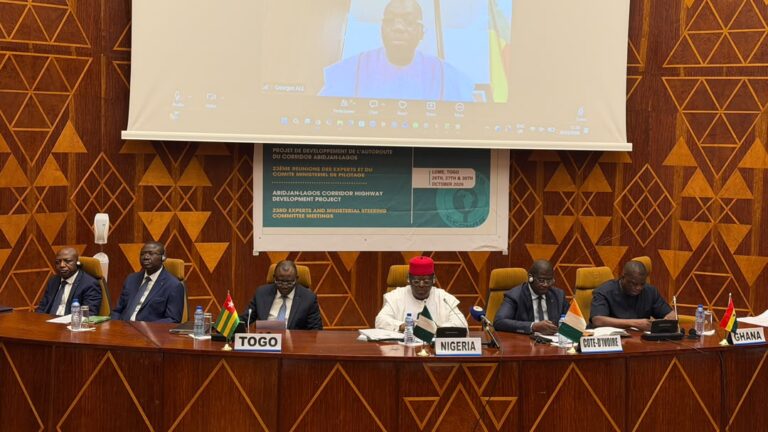
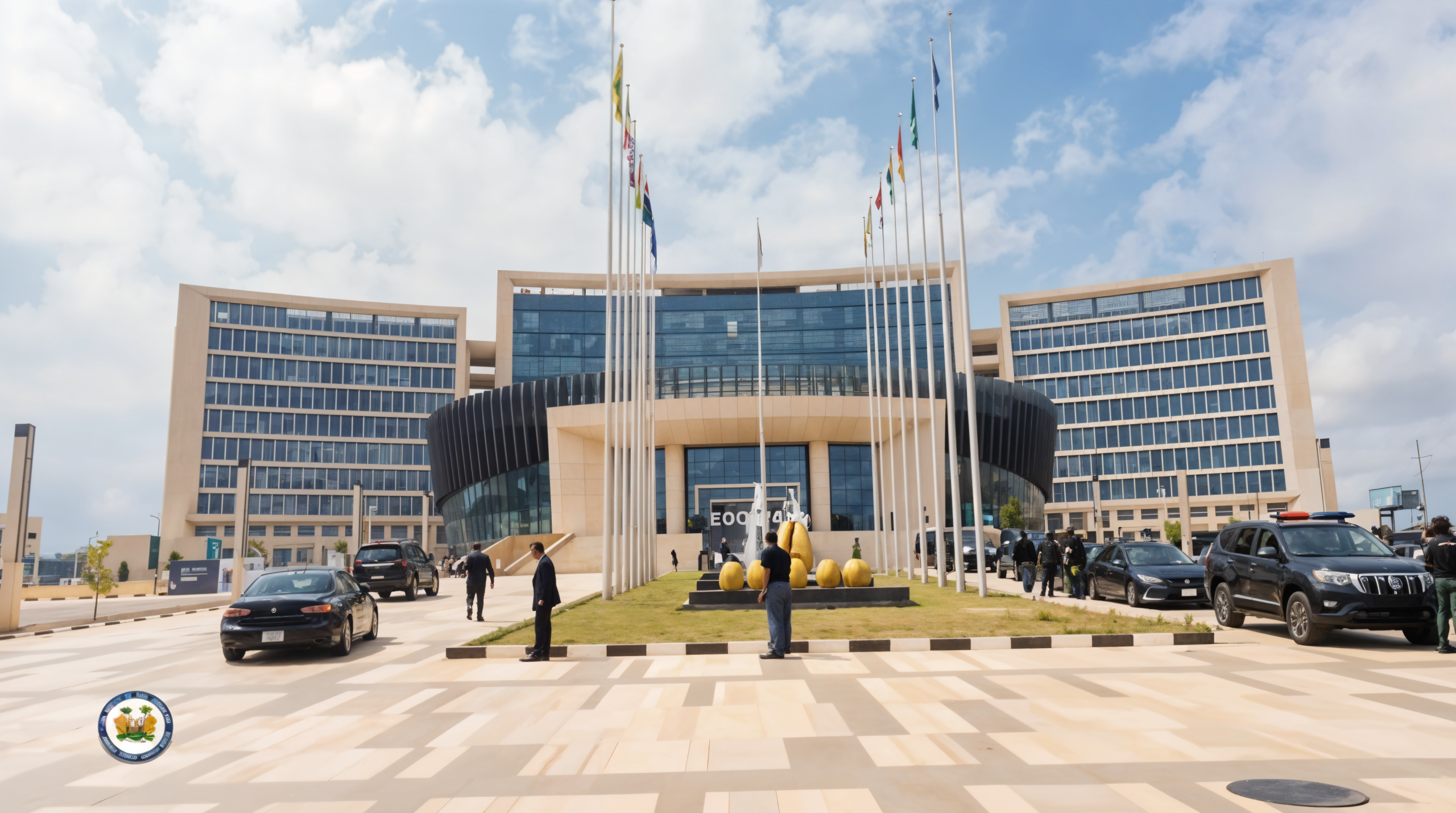
Opened on 2 November 2026 at the new headquarters of the ECOWAS Commission, the two-day meeting brings together the national power utilities and Ministries in charge of Energy of The Gambia (NAWEC), Guinea-Bissau (EAGB) and Mali (EDM-SA), the Regional Coordination Unit (RCU), and the National Project Implementation Units (PIUs). Financed by the World Bank to the tune of US$225 million and regionally coordinated by the ECOWAS Commission, the project advances regional access to electrificty and ECOWAS Vision 2050 ahead of its closure on 31 December 2026.
The Director of Energy and Mines and Chair of the Steering Committee, Mr. Arkadius KOUMOIN, welcomed the significant progress achieved despite the challenges faced during project execution including, the impact of COVID-19 pandemic, institutional disruptions, failures on the part of certain contractors and contractual delays. “Beyond the infrastructure delivered, the true measure of our success remains the effective connection of households and the lasting improvement of their living conditions,” he said, calling for “decisions and concrete actions” to secure a responsible closure and the sustainable handover of infrastructure to national utilities. He then commended the World Bank for the substantial funding it has provided to the project to truly accelerate access to electricity in the beneficiary countries, and for its ongoing support for regional initiatives aimed at improving access to energy.
In his remarks, the Managing Director of the National Water and Electricity Company (NAWEC) of The Gambia, Mr. Gallo SAIDY, described the project as an investment in communities, stressing that the number of households with electricity is the true test of its success. He commended the partnership between the Government of The Gambia, ECOWAS and the World Bank, and urged all partners to complete what was started and, together, turn this ambition into reality.
For his part, the Representative of the Ministry in charge of Energy, Guinea-Bissau, Mr. Pedro Jeus de Oliviera, highlighted the project’s contribution to improving living conditions and supporting families, noting that energy for Bissau is a crucial national priority. He called for close monitoring, a clear strategy and a roadmap to complete outstanding work, and reaffirmed his Government’s support.
In his statement, the National Director of Energy of Mali, Mr Oussouby Mary dit Ousmane Diarra underlined the project’s impact on the lives of Malian populations and, citing security and contractual constraints, called for an extension of at least 30 months, subject to World Bank approval. “Let us not make the project’s closing date the date we abandon our ambitions,” he said.
In The Gambia, around 43,090 households were connected across 400 electrified localities, providing 344,720 people with new or improved access to electricity. Meanwhile, Guinea-Bissau completed more than 20,788 household connections across 90 localities, providing around 145,000 people with access to electricity.
The conclusions will be consolidated in the report of the meeting, to be adopted on 3 November 2026. Through this final session, the ECOWAS Commission reaffirms its commitment to ensuring that the closure of the project marks not the end of an ambition, but the consolidation of a valuable regional experience in the service of West African populations.
Discover how ECOWAS is transforming communities, economies and the lives of West African citizens — one story at a time.