Initializing...
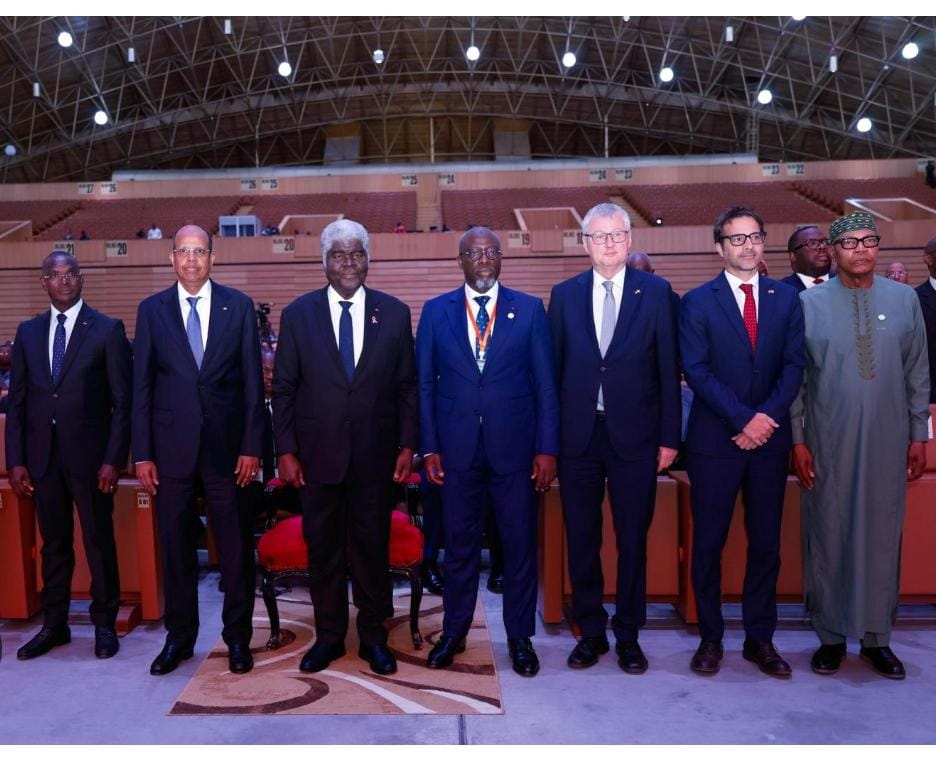
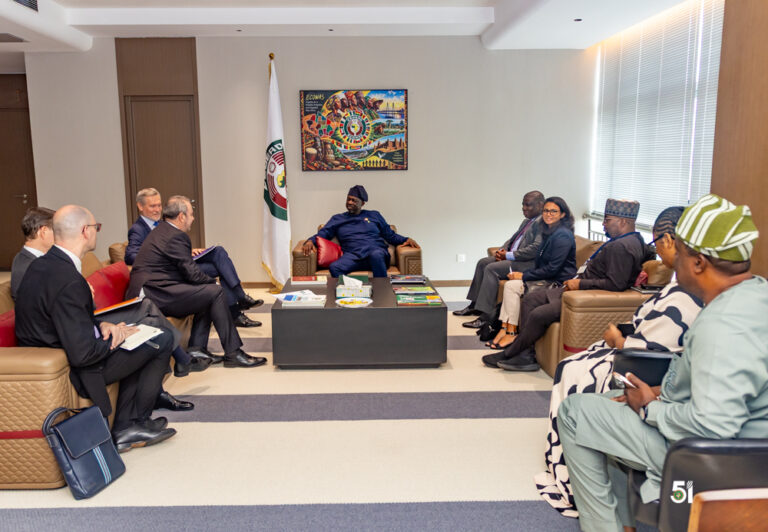
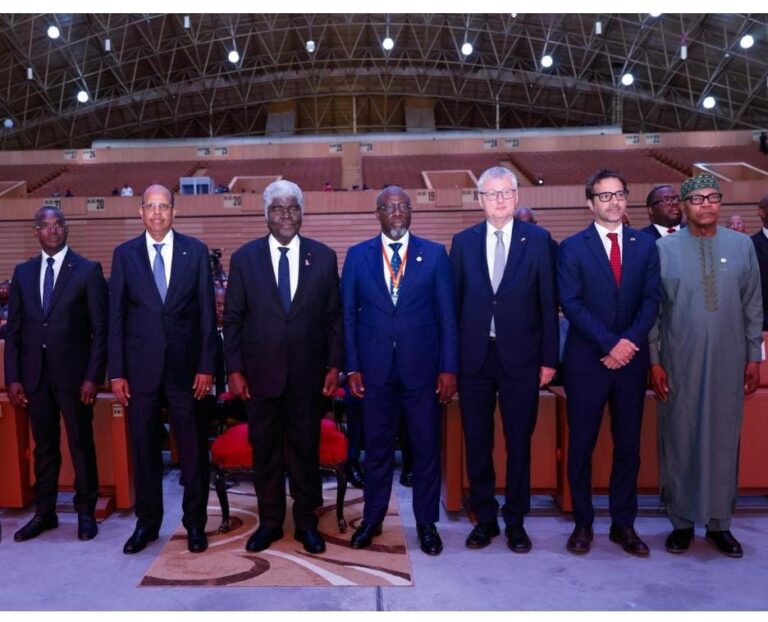
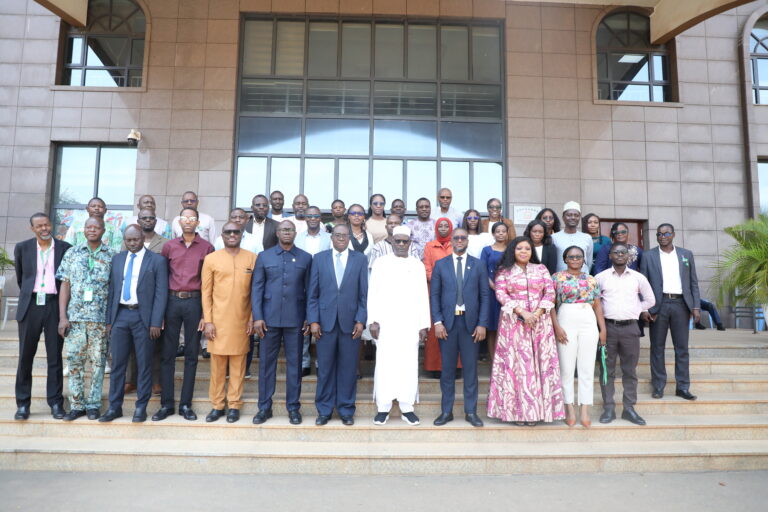
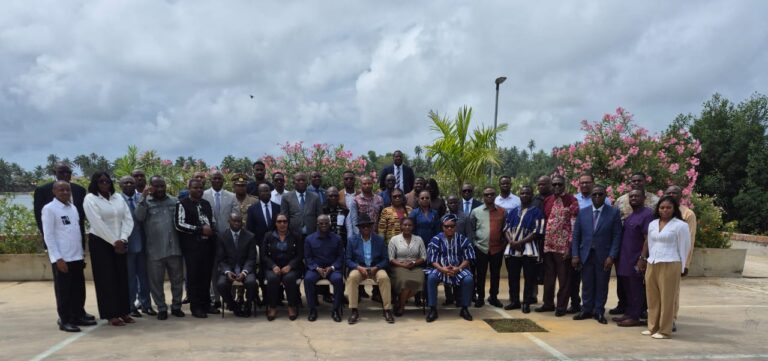
Abidjan, 22 October 2026 – The Permanent Representation of the Economic Community of West African States (ECOWAS) to the African Union, through its Political Advisor, actively participated in the work of the third edition of the Abidjan Border Forum held from 20 to 22 October 2026 on the theme: “Border Communities: Culture, Integration and Security”.
At the end of the sessions, the Permanent Representation agreed with the following observations: Linguistic, historical and cultural links between cross-border populations remain essential factors for stability. Traditional mediation mechanisms and local knowledge must be fully valued to prevent conflicts at the grassroots level; Despite the persistence of administrative and infrastructural obstacles, border communities, local authorities and local economic actors demonstrate on a daily basis that integration is concretely built through the dynamism of cross-border trade; Faced with the challenges of terrorism and illicit trafficking, an exclusively security approach is insufficient. Lasting peace is based on strong inter-state cooperation, socio-economic development and the active involvement of populations.
In this regard, the forum validated the model based on cross-border cooperation, the integration of peoples and the rigorous application of the African Union Convention on Transboundary Cooperation.
In order to translate these ambitions into action, a commitment has been made to bring the following recommendations to the continental level: Accelerate the ratification and deployment of the Niamey Convention; Strengthen the capacity of the African Union Borders Programme (AUBP); Place border communities at the heart of public development policies; Promote culture as a tool for cohesion and regional cooperation; Massively increase investment in cross-border infrastructure.
Ultimately, the forum recognized that culture, integration and security are inseparable to make African borders true vectors of peace, prosperity and continental unity.
Discover how ECOWAS is transforming communities, economies and the lives of West African citizens — one story at a time.