Initializing...
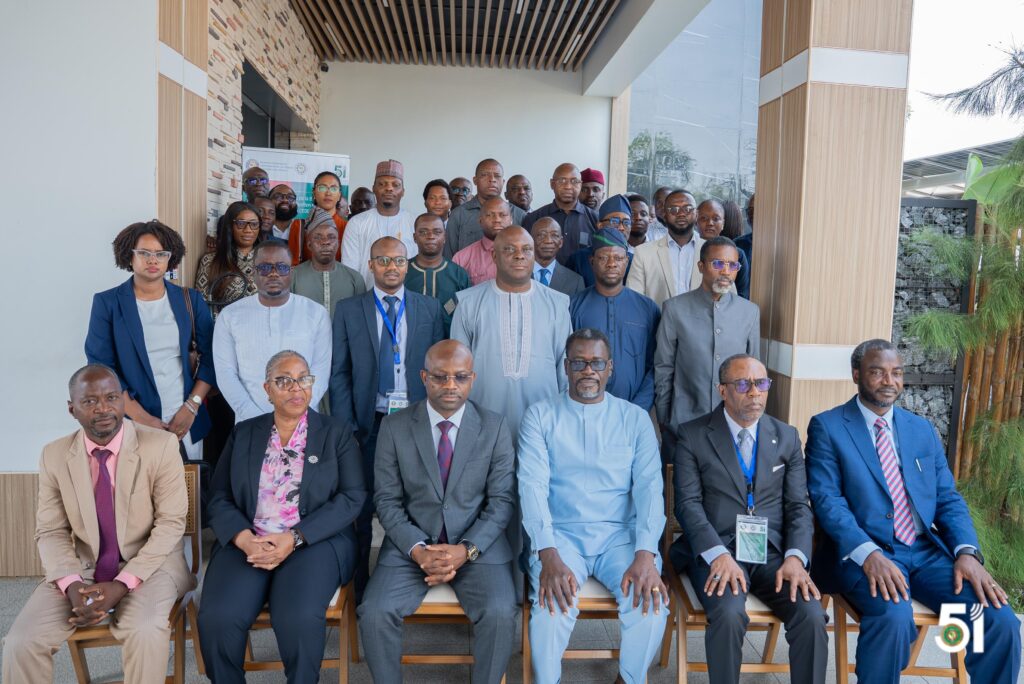
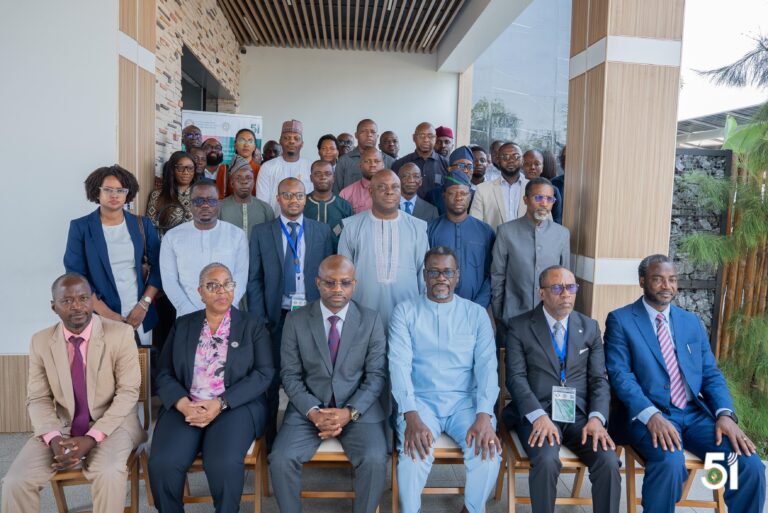
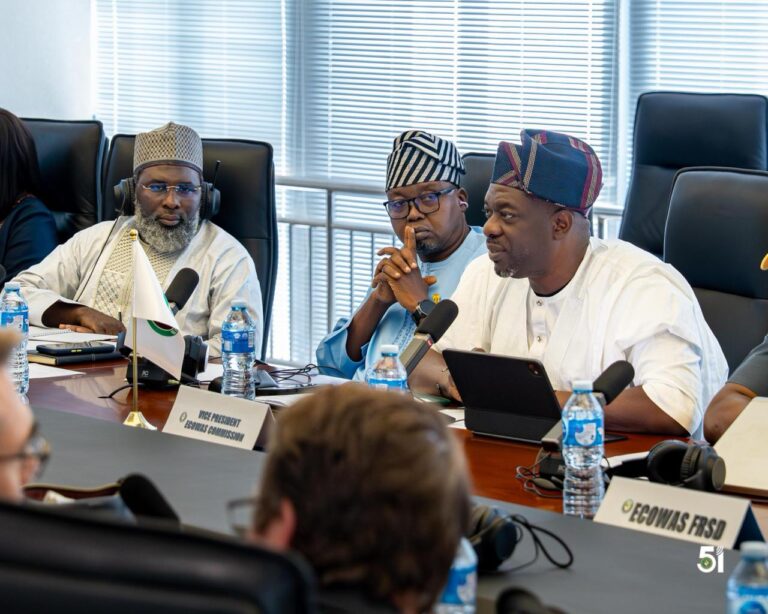
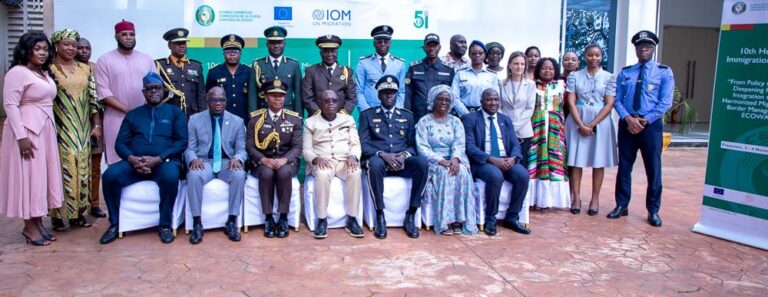
The Economic Community of West African States (ECOWAS) Commission, in collaboration with the West African Monetary Agency (WAMA), held, on Monday, November 9, 2026, in Lomé, officially opened two regional workshops dedicated, respectively, to the harmonization of balance of payments and international investment position (BOP/IIP) statistics, as well as to the validation of education data within the framework of the Regional Education Management Information System (EMIS). The ceremony also marked the official launch of Togo’s Country Report on Regional Economic Outlook.
These meetings, which bring together representatives from member states, regional institutions, central banks, regional organizations, and technical partners, reflect ECOWAS’s commitment to strengthening the institutional and technical capacities of member states, while promoting the availability of reliable, harmonized, and comparable statistics—which are essential for the development and monitoring of effective public policies.
In her welcoming remarks, H.E. Ms. Deweh Emily Gray, ECOWAS Resident Representative in Togo, commended the commitment of the various participating institutions and partners and emphasized the importance of regional cooperation in strengthening decision-making tools. She reiterated that the availability of reliable and harmonized data is an essential driver for deepening regional integration, improving economic governance, supporting the Community’s development ambitions, and facilitating the introduction of the common currency, the ECO.
Speaking next, the Director General of the West African Monetary Authority (AMAO), Hon. Boima S. Kamara, emphasized the need to advance the harmonization of economic statistics beyond methodological considerations, by prioritizing their practical application in member states. He stressed that the quality and comparability of data on the external sector are crucial for improved macroeconomic surveillance and for supporting efforts toward economic and monetary convergence in West Africa.
For his part, Mr. Augustine Ngombu, representative of the Central Bank of Sierra Leone and Co-Chair of the Committee of Central Bank Experts, stressed the need for enhanced collaboration between central banks and national institutions responsi for statistical production. In particular, he noted that the harmonization of balance of payments and international investment position statistics goes beyond a mere technical task: it is a strategic requirement for deeper regional integration and, ultimately, for a monetary union.
Mr. Djafarou TANKARU ANGO, Head of the Balance of Payments Department, representative of the Central Bank of West African States (BCEAO), and Chair of the Committee of Central Bank Experts, noted that the success of integration depends fundamentally on the quality of the data upon which economic policy decisions are based. He highlighted the experience of the West African Economic and Monetary Union (UEMOA) in collecting, aggregating, and consolidating regional statistics. “This experience serves as a useful benchmark to guide ECOWAS in establishing a harmonized regional framework tailored to the realities and needs of all its member states,” he stated.
Addressing the educational aspect of these meetings, Dr. Roland Kouakou, Director of Education, Science, and Culture at the ECOWAS Commission, reiterated the strategic role of information systems for education management in the planning and steering of education policies. He emphasized that the availability of reliable, up-to-date, and comparable education data will enable member states to better identify the challenges facing their education systems, measure progress made, and direct investments toward the priority needs of their populations through the effective development of education policies.
With this in mind, the regional workshop dedicated to validating the education data uploaded to the EMIS platform aims, in particular, to verify its accuracy, completeness, and consistency with the 42 harmonized indicators adopted by member states. It will also help strengthen national technical capacities and confirm the regional platform’s operational readiness to support the ongoing collection, management, and analysis of education data within the ECOWAS region.
Speaking on behalf of the ECOWAS Commissioner for Economic Affairs and Agriculture, Prof. Félix Fofana N’Zué, Head of the Research and Knowledge Management Division, stated that today more than ever, statistics form the foundation of sound economic governance. “Without reliable statistics, there can be no credible planning. Without harmonized statistics, there can be no sustainable economic convergence. Without comparable statistics, there can be no genuine regional integration…. By validating today the data collected through the regional EMIS platform, we are strengthening the foundations of a regional knowledge system capable of informing future investments in education and training,” said Mr. N’Zué.
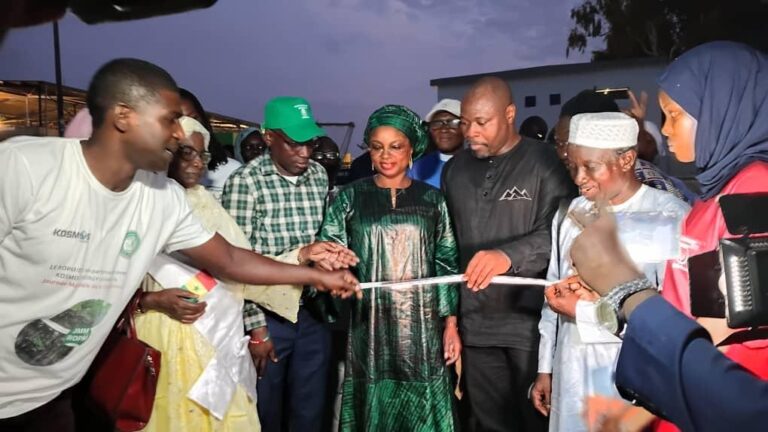
The ceremony also featured the presentation of Togo’s Country Report as part of the regional economic outlook. This document serves as a tool for analyzing the country’s economic situation and prospects, helping to inform discussions on macroeconomic performance, structural challenges, and development opportunities. Its launch demonstrates ECOWAS’s commitment to providing member states with analytical and monitoring tools that can support the formulation of economic policies tailored to national realities and regional objectives.
In officially opening the proceedings and launching the report, Mr. Comlan YAKPEY, Secretary General and representative of Togo’s Minister of Economy and Strategic Planning, commended the ECOWAS Commission’s initiative and highlighted the importance of these meetings for strengthening national capacities and consolidating regional economic integration. In particular, he emphasized that mastery of statistical information is an essential prerequisite for development planning, the evaluation of public policies, and better anticipation of economic trends.
During the workshop, experts from member states will have the opportunity to share their experiences, examine common challenges, and formulate operational recommendations. The workshop on the BDP/PEG, organized from November 9 to 14, 2026, in collaboration with the AMAO, will focus in particular on revising the regional methodological framework, addressing statistical discrepancies, strengthening national capacities, and developing an integrated roadmap for improved compilation and consolidation of regional statistics. The workshop on EMIS, scheduled for November 9–13, 2026, will help improve the quality of education data and enhance the use of the regional platform.
Through these various initiatives, the ECOWAS Commission reaffirms its commitment to promoting a data culture in the service of development, strengthening the capacities of national institutions, and supporting the creation of a more integrated regional community based on reliable information and informed decisions.
The availability of high-quality statistics—whether economic or educational—is not merely a technical requirement; it is an essential tool for better understanding the realities of member states, measuring progress, and developing collective responses to West Africa’s development challenges.
Discover how ECOWAS is transforming communities, economies and the lives of West African citizens — one story at a time.