Initializing...
ECOWAS UNVEILS STRATEGIC PUBLICATIONS TO ADVANCE EVIDENCE-BASED PEACE SUPPORT OPERATIONS AND STRENGTHEN REGIONAL SECURITY RESPONSES IN WEST AFRICA AND HONOURS THE MEMORY OF HEROES INVOLVED IN ITS PEACEKEEPING AND PEACEMAKING EFFORTS IN THE REGION.
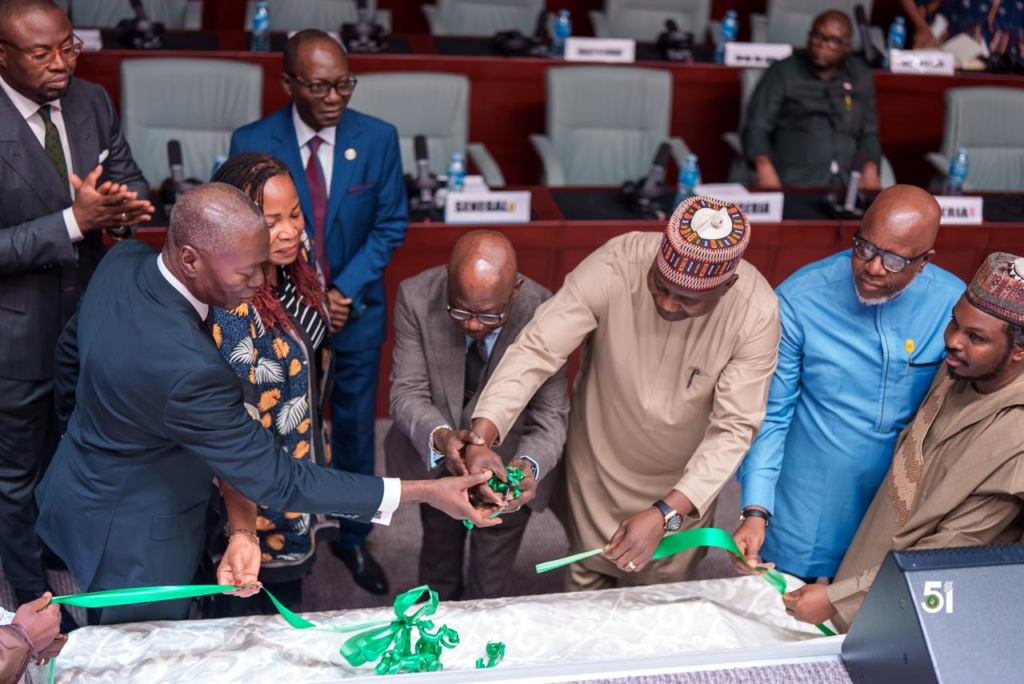
The lessons, sacrifices and strategic decisions that shaped some of West Africa’s most consequential peace interventions took centre stage on 27 August 2026 as ECOWAS unveiled a series of strategic publications in Abuja, Nigeria, convening senior government officials, military leaders, diplomats, academics and development partners to examine how decades of regional peace support operations can inform more effective responses to contemporary and emerging security challenges across the region.
The publications represent a landmark contribution to consolidating ECOWAS’ accumulated knowledge and experience in peace support operations, mediation, conflict prevention and peacebuilding. Drawing on the perspectives of policymakers, military practitioners, diplomats and scholars who have shaped the region’s peace and security landscape, they capture lessons from past interventions, strengthen institutional memory and provide an evidence-based resource for informing policy, enhancing operational effectiveness and supporting more strategic responses to evolving security challenges across West Africa.
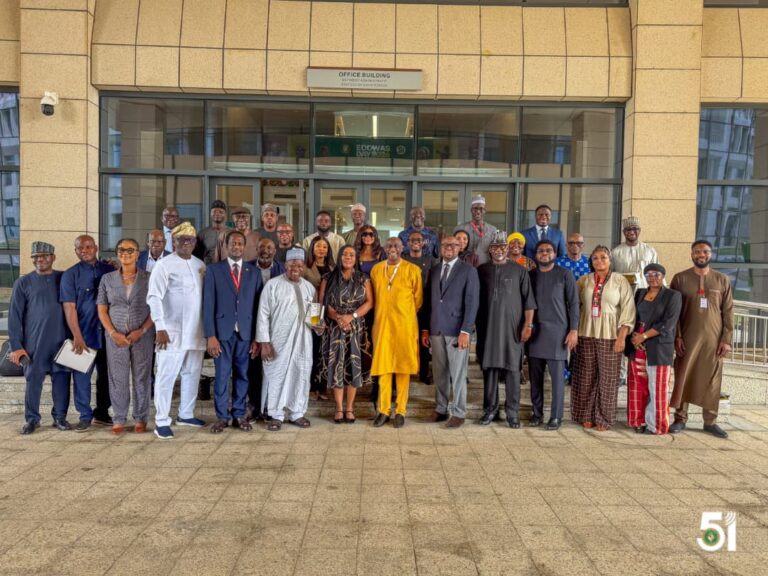
The launch brought together a high-level assembly of policymakers, defence and security leaders, diplomats, researchers and strategic partners from across the region and beyond, reflecting the growing importance of knowledge generation and institutional learning in strengthening regional peace and security architecture. It also afforded the ECOWAS Commission the opportunity to honour the memory of men and women who fought to end the devastating Civil Wars of the 1990s and to restore peace and stability in the region. Among the distinguished participants were Nigeria’s Chief of Defence Staff, General Christopher Gwabin Musa; the ECOWAS Commissioner for Political Affairs, Peace and Security, H.E. Ambassador Abdel-Fatau Musah,the Chair of the ECOWAS Permanent Representatives Committee, ECOWAS Commissioner for Internal Services, Dr. Habibu Bappah, H.E. Ambassador Nicolas Auguste Nyouky, members of the ECOWAS Permanent Representatives Committee from Cote d’Ivoire, Ghana, Guinea Bissau, The Gambia, Liberia, Sierra Leone, and the Togolese Republic; former ECOWAS Commissioner for Political Affairs, Peace & Security, H.E Salamatu Suleiman, Founder of the Amandla Institute for Policy and Leadership Advancement, H.E Dr. Kayode Fayemi, and the Director-General of the Nigerian Institute for International Affairs (NIIA), Professor Eghosa Osaghae. Representatives of the United Nations Office for West Africa and the Sahel (UNOWAS), the West Africa Network for Peacebuilding (WANEP), the West Africa Civil Society Institute (WACSI), the Centre for Democracy and Development (CDD), former senior officials of the ECOWAS Commission, representatives of academic institutions, and other key stakeholders in the region’s peace and security ecosystem.
The publications that were launched are as follows:
The Report of the ‘Akosombo After-Action Review of ECOWAS’ Initiatives and Responses to the Multidimensional Crises in Mali’.Officially launching the publications, General Christopher Gwabin Musa underscored the imperative of preserving and documenting Africa’s own experiences, sacrifices and contributions to peace and security. He emphasised that recording the stories and lessons of those who directly participated in regional interventions is essential for strengthening future responses to complex security threats and ensuring that Africa’s peace and security legacy is accurately preserved for future generations.
Speaking on behalf of the ECOWAS Commission, Ambassador Abdel-Fatau Musah described the initiative as an important milestone in consolidating ECOWAS’ institutional memory and strengthening the knowledge base underpinning regional peace and security interventions. He noted that the publications not only document critical lessons from previous engagements but also provide a strategic resource for understanding and addressing contemporary challenges, including terrorism, violent extremism and other emerging threats confronting the region.
Throughout the discussions, speakers emphasised the importance of ensuring that the history of regional peace interventions is documented by those who helped shape and implement them. They highlighted the value of the publications as authoritative reference materials capable of supporting policy formulation, strengthening institutional learning and contributing to more effective peace and security responses across West Africa.
The programme also featured a documentary presentation reflecting on ECOWAS’ peace and security journey, cultural performances celebrating the region’s shared heritage and a recognition segment honouring individuals whose leadership, service and sacrifice have made significant contributions to peacebuilding, conflict prevention and regional stability.
As West Africa navigates an increasingly complex security landscape, the publications stand as more than a record of past interventions. They represent a strategic investment in institutional memory, regional learning and evidence-based policymaking, reaffirming ECOWAS’ determination to draw on its accumulated experience to shape more effective responses to contemporary and future threats. In doing so, the organisation reinforces its enduring role as a leading architect of peace, security and regional integration in West Africa.
Discover how ECOWAS is transforming communities, economies and the lives of West African citizens — one story at a time.