Initializing...
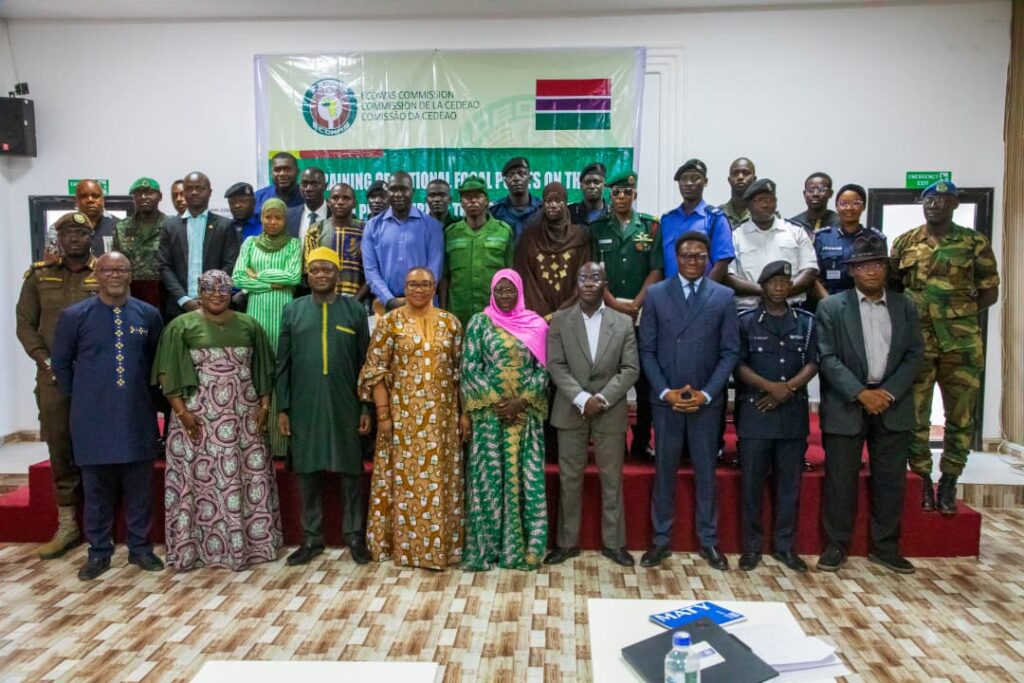
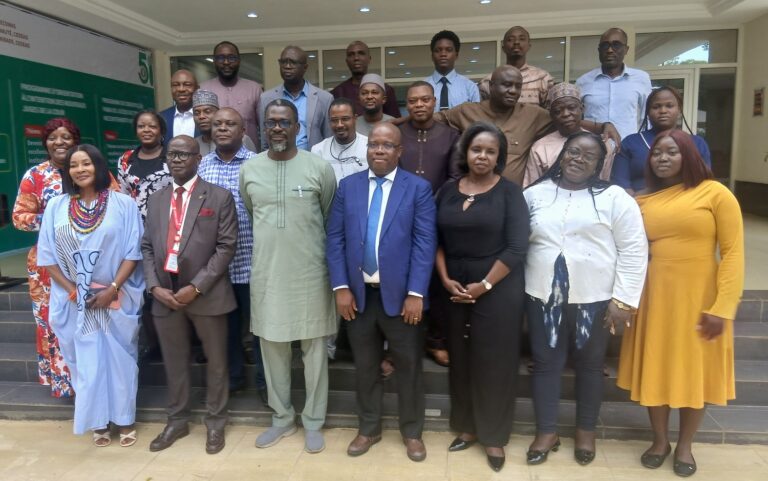
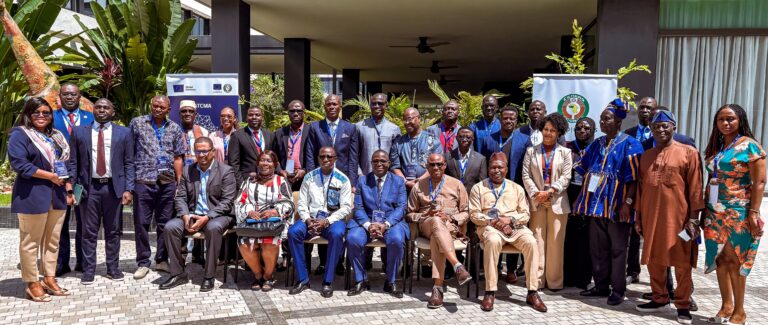
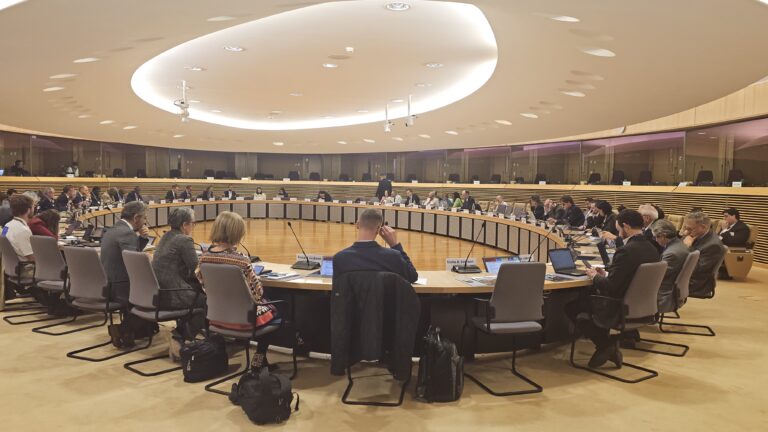
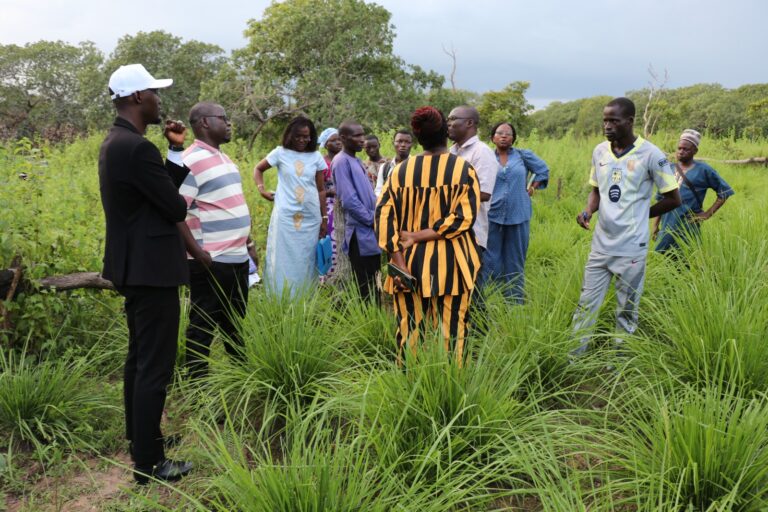
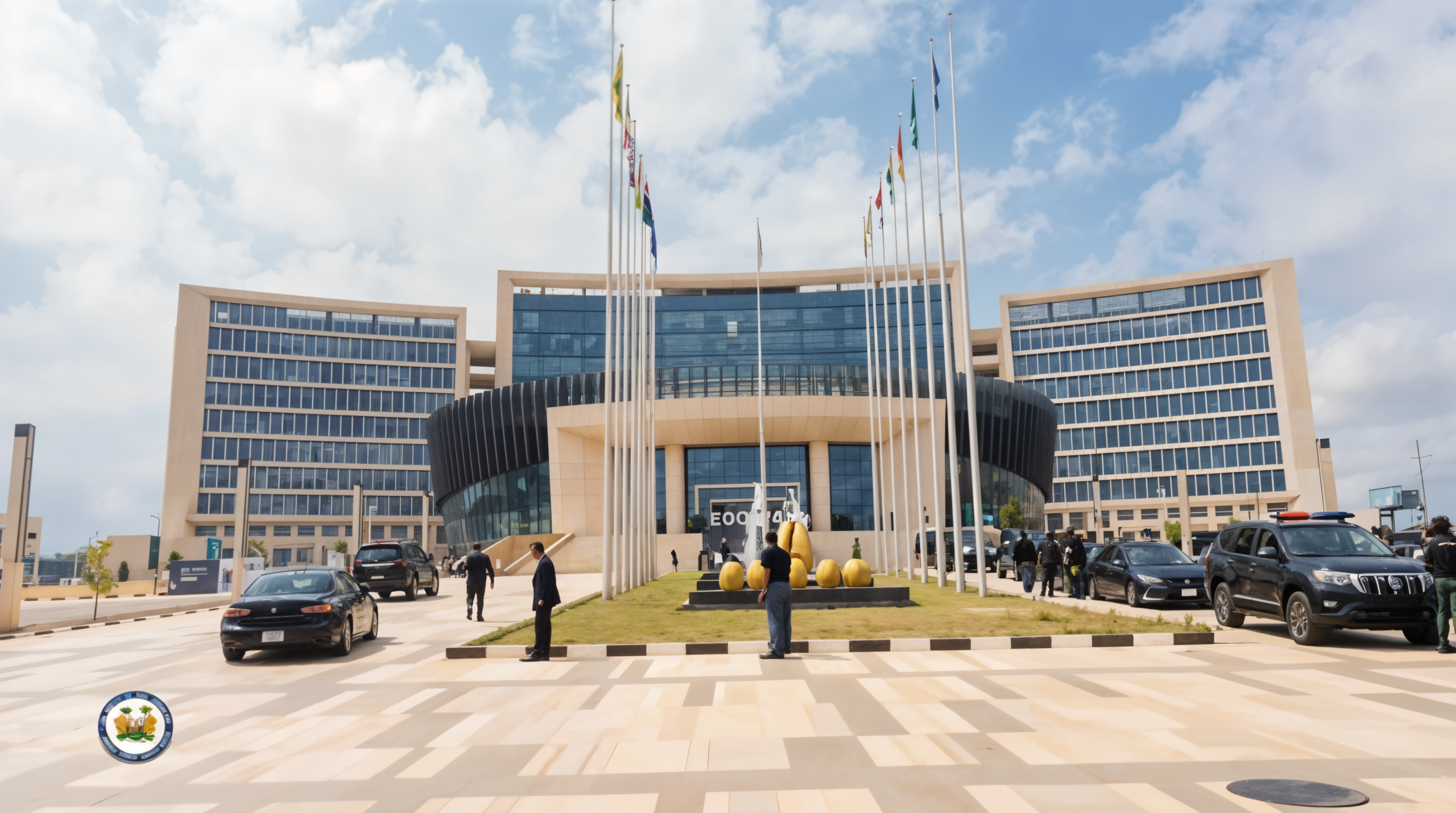
The ECOWAS Commission, through its Small Arms Division, in collaboration with the Government of the Republic of The Gambia, successfully organized an In-Country Training for National Focal Persons on the Exemption Procedure to the ECOWAS Convention on Small Arms and Light Weapons, Their Ammunition and Other Related Materials in Banjul, the Gambia from the 8th to 10th of July, 2026.
The three-day capacity-building activity brought together representatives from key national institutions involved in arms transfer management, including the Armed Forces, Police, Immigration, Customs, the Ministry of Foreign Affairs, the National Intelligence Service, the Forest Guards and other relevant stakeholders. The training was designed to strengthen national capacities for the effective implementation of the ECOWAS Exemption Procedure and enhance inter-agency coordination in the control of lawful arms transfers.
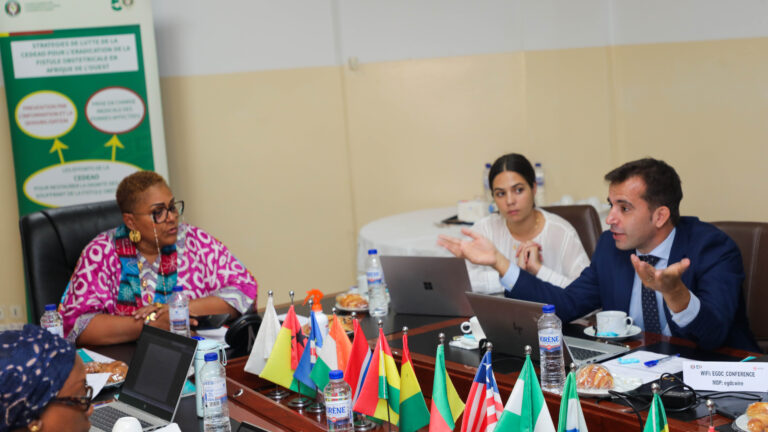
The training provided participants with a comprehensive review of the national legal frameworks governing transfers of arms, the principles and procedures governing the ECOWAS Exemption Certificate, and practical guidance on the preparation and processing of exemption applications. Participants also exchanged national experiences on arms transfer management, examined operational challenges, participated in an inter-agency panel discussion, and undertook simulation exercises on the application and utilization of the standardized Forms A and B for exemption requests and delivery reporting.
In her opening remarks, H.E. Miatta Lily French, ECOWAS Resident Representative to The Gambia, underscored the strategic importance of the training in strengthening regional peace and security. She highlighted that “the exemption procedure is much more than an administrative requirement. Rather, It is a confidence-building mechanism among ECOWAS Member States promoting transparency in arms acquisitions, strengthening mutual accountability, facilitating information exchange and reinforcing collective security throughout the ECOWAS region.” She further emphasized that effective implementation of the ECOWAS Convention requires a genuine whole-of-government approach built on trust, information sharing and coordinated decision-making among national institutions.
The training forms part of the ECOWAS Commission’s continued efforts to support Member States in strengthening the implementation of the ECOWAS Convention on Small Arms and Light Weapons through technical assistance, policy development and institutional capacity-building.
Discover how ECOWAS is transforming communities, economies and the lives of West African citizens — one story at a time.