Initializing...
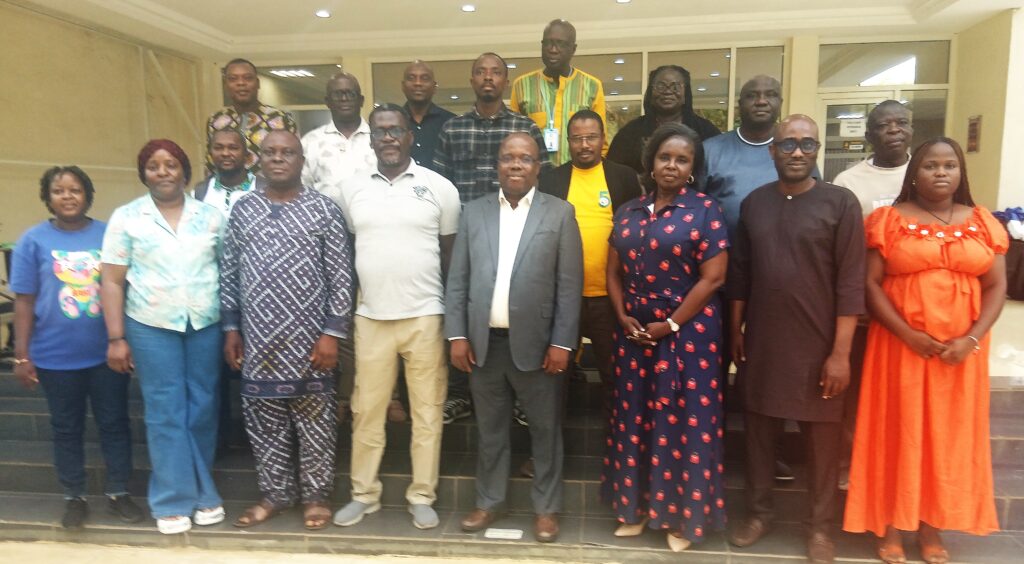
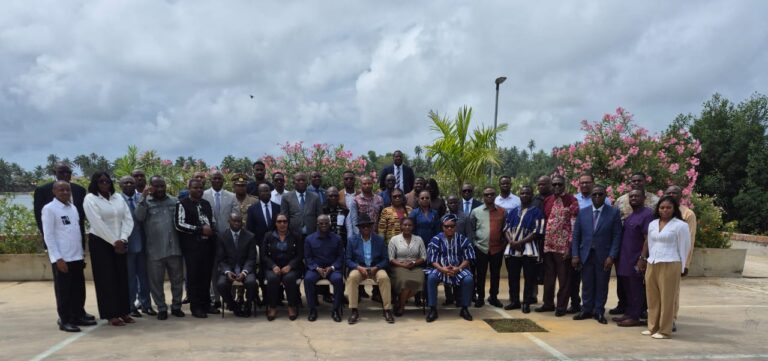
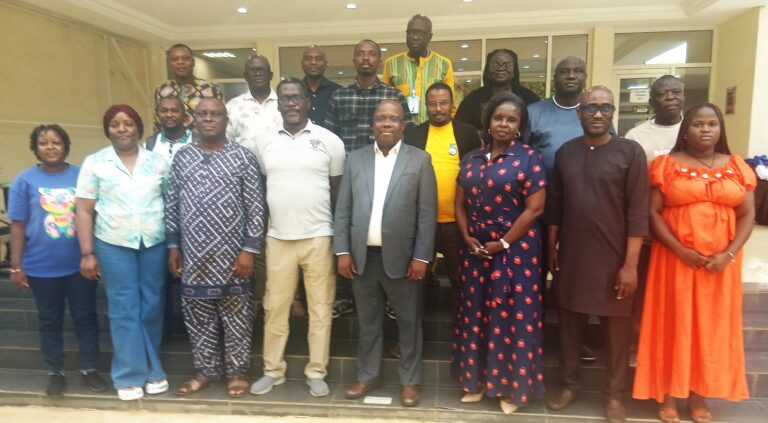
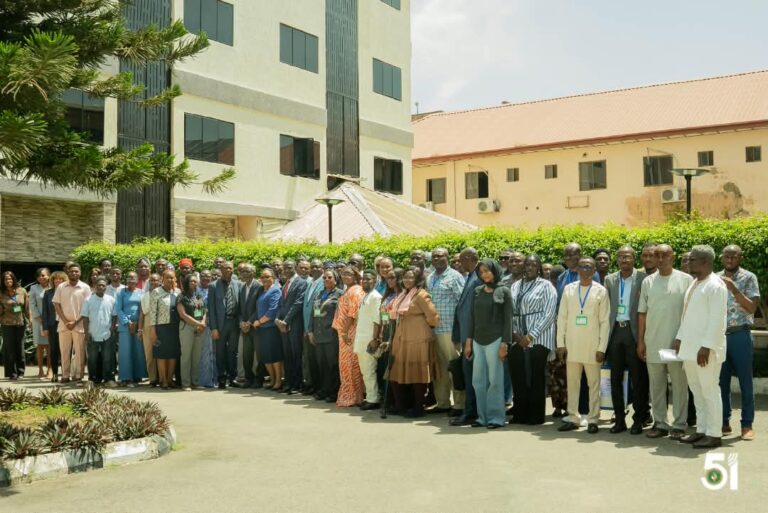
The strategic seminar organised by the Directorate of Research and Statistics (DRS) of the Economic Community of West African States (ECOWAS) Commission concluded on Saturday 24th October 2026 at Zuma Rock, in Niger State, Nigeria, with a series of recommendations.
The ECOWAS Commission is called upon to increase the allocation of financial resources to this Directorate. This budgetary increase is deemed essential to reduce the Directorate’s dependence on development partners and to ensure the sustainability of statistical activities in the West African region, given the importance of adequate funding for research and statistical activities.
Also addressed to the Commission, the DRS recommends the development of a regional data governance framework as a prerequisite for any expansion of digital platforms, databases and applications based on artificial intelligence (AI).
At a technical and operational level, several recommendations have been made to the DRS. In particular, it must establish a regional technical working group to strengthen coordination mechanisms between itself, ECOWAS Member States, the African Union Statistical Institute (STATAFRIC) and development partners, with a view to improving data exchange and harmonisation. Close collaboration will be required with other ECOWAS institutions, directorates and agencies to digitise and automate the collection, processing and dissemination of data.
The DRS must also guide these other institutions, directorates and agencies through data validation processes, in particular by organising regular meetings of internal technical committees.
In line with technological modernisation, participants urged the DRS to acquire new servers for data storage, as well as state-of-the-art statistical and econometric software, and to integrate geographic information systems (GIS) coupled with AI into its data management systems, with a view to improving analysis and optimising decision-making.
The implementation of sophisticated data management practices – including standards relating to metadata, backups, version control and cybersecurity measures – as well as the dissemination of methodological guidelines on national accounts and the Consumer Price Index (CPI) by 30th November 2026, also forms part of the participants’ recommendations to the DRS.
The Commission is also encouraged to produce regional statistics and publications as frequently as possible, including economic reports, scorecards and statistical notes. It is also asked to establish a regional performance scorecard to monitor the progress of ECOWAS Member States in relation to key statistical indicators, in particular national accounts and economic statistics.
In terms of internal governance, the Director of Research and Statistics at the ECOWAS Commission, Samson Bel-Aube Nougbodohoué, has committed to strengthening staff skills, particularly in the areas of data governance, forecasting, research methods, digitalisation and the responsible use of AI. This skills development will be achieved through capacity-building programmes and continuous professional development.
Mr Nougbodohoué will also need to ensure that the tasks assigned to staff members are aligned with their annual performance targets and the terms of their contracts, whilst fostering teamwork, mutual respect, trust, commitment, communication and social cohesion through the organisation of quarterly activities involving them.
It should be noted that this strategic seminar provided an opportunity for participants to review the Directorate’s mandate, evaluate ongoing programmes, analyse institutional capacities and identify the Directorate’s strategic priorities and resource requirements.
As a reminder, the Directorate of Research and Statistics (DRS) is responsible for statistics, research, data management, monitoring and analytical support. It occupies a key position within the ECOWAS Commission in that it supports the implementation, monitoring and reporting of strategic priorities.
It is also responsible for providing the data, indicators, analytical outputs and monitoring frameworks necessary to measure progress towards the objectives of ECOWAS’s ‘Vision 2050’ as well as the new strategic priorities set by the current management of the regional organisation’s Commission.
Discover how ECOWAS is transforming communities, economies and the lives of West African citizens — one story at a time.