Initializing...
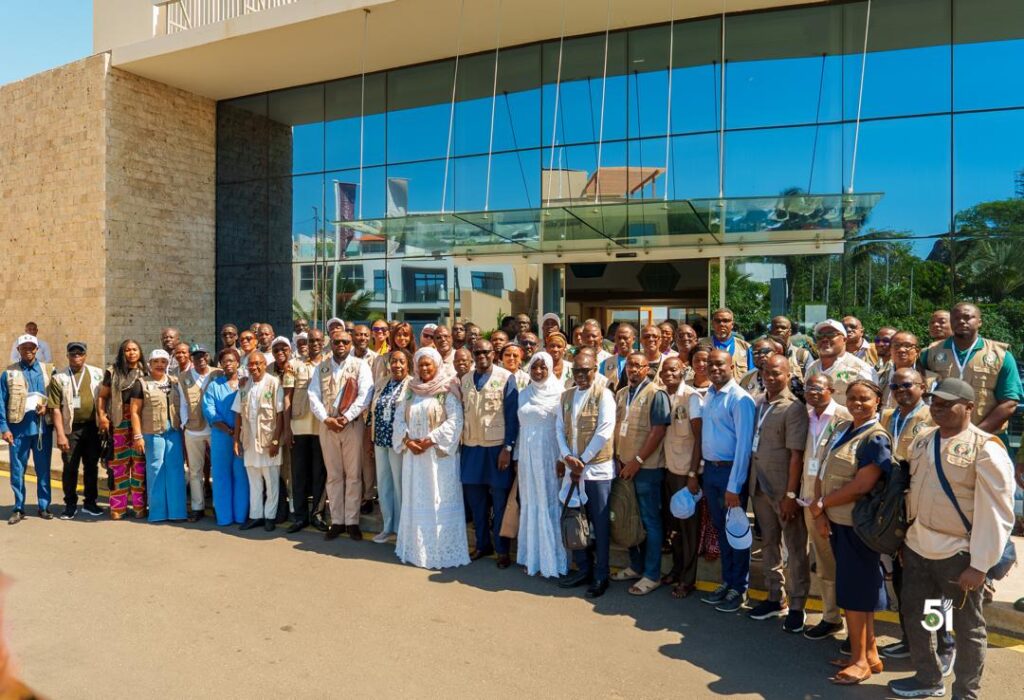
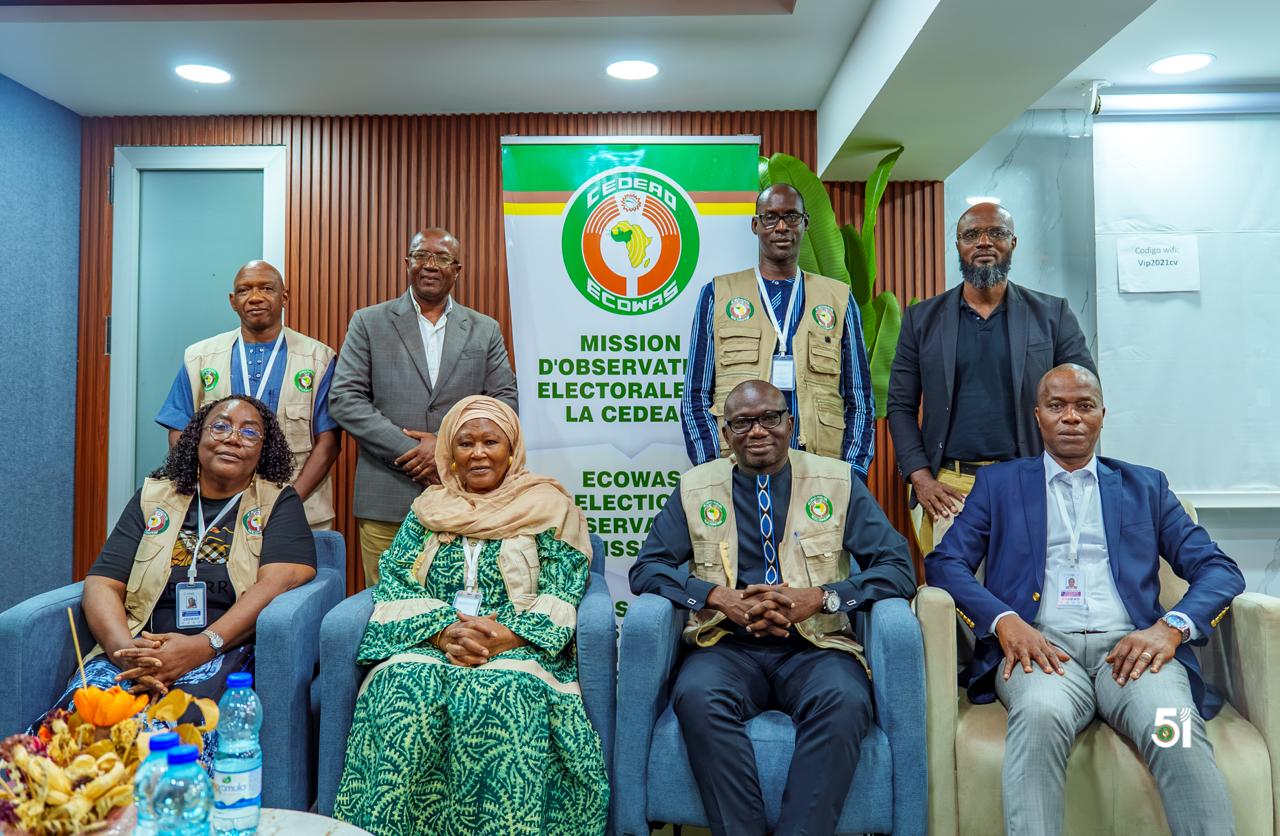
The ECOWAS Election Observation Mission to the Presidential Election in Cabo Verde, led by H.E. Fatoumatta JALLOW-TAMBAJANG, former Vice-President of the Republic of The Gambia, completed its pre-election observation phase in Praia on 13 and 14 November 2026. Within two decisive days, ECOWAS deployed its observers across the archipelago, strengthened its partnership with the United Nations, convened a meeting of the Heads of the international observation missions deployed in the country and pursued its consultations with presidential candidates, while preparing the Mission to observe the polls of 15 November.
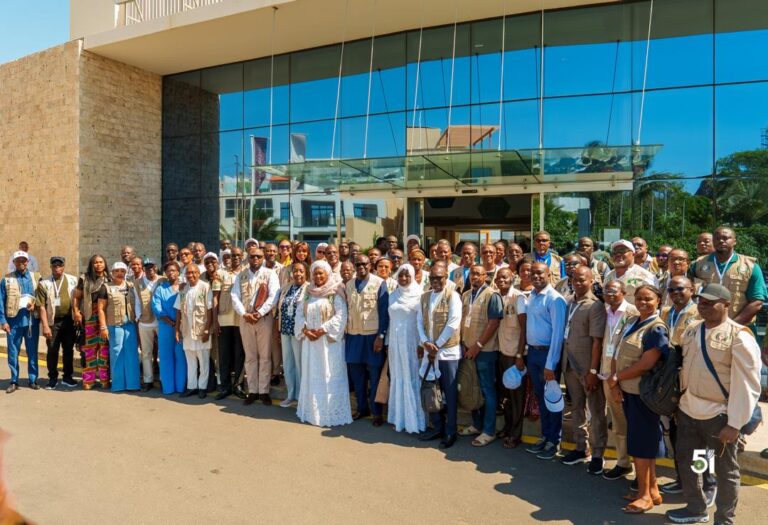
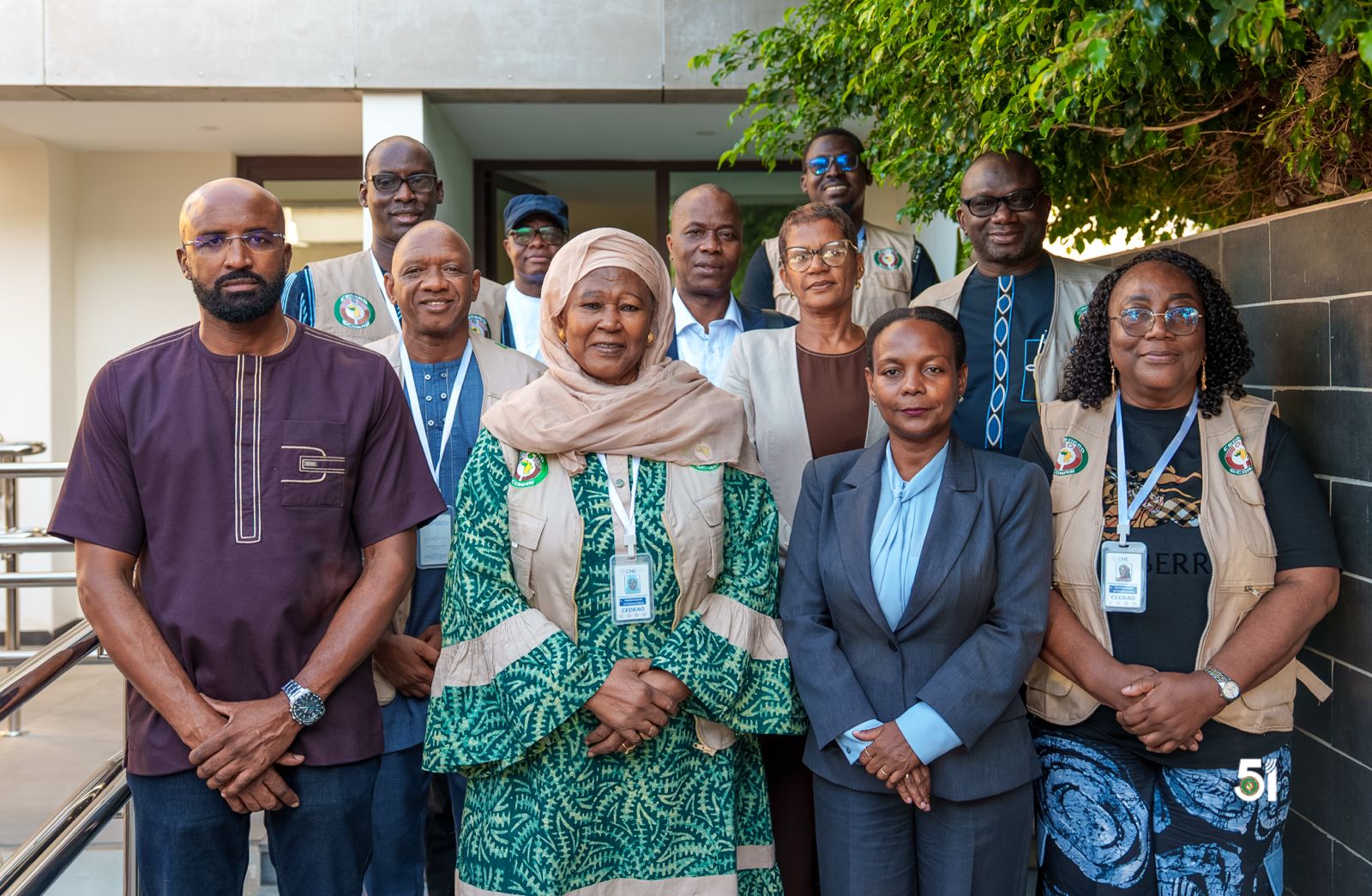
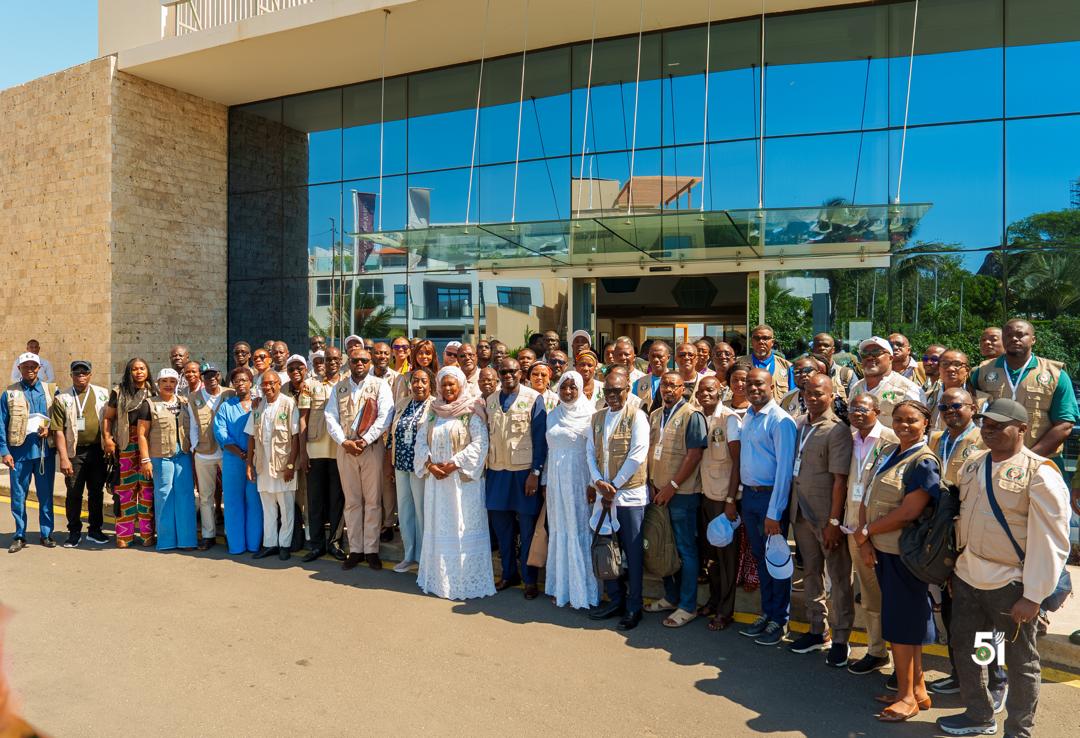
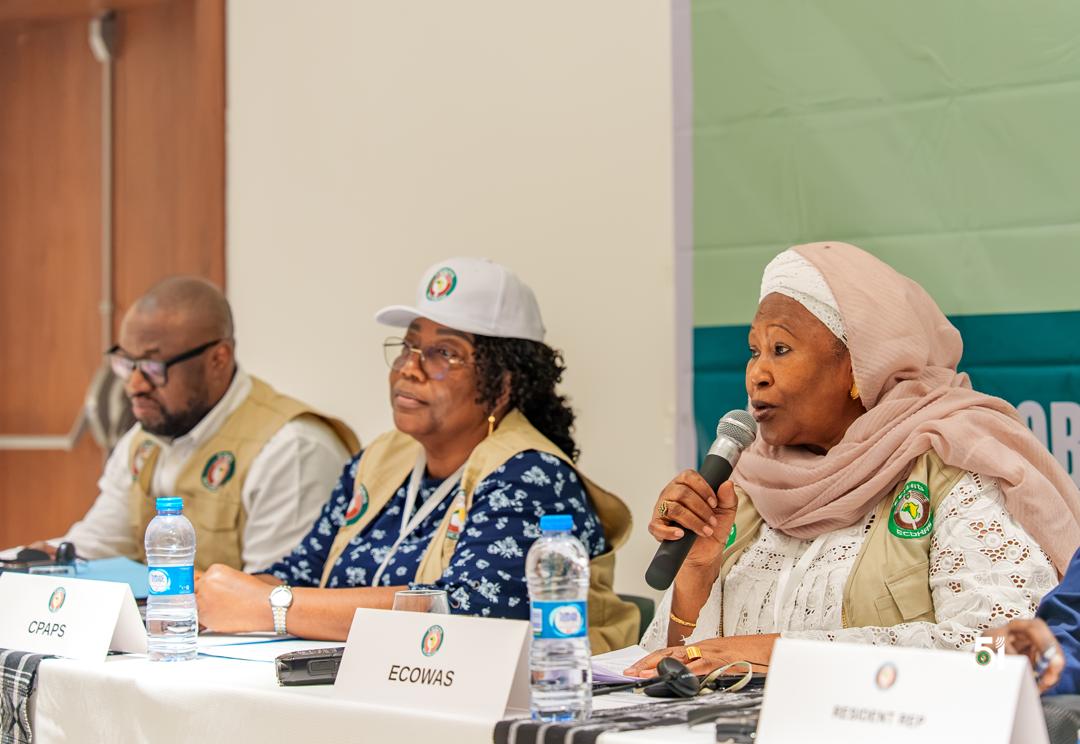
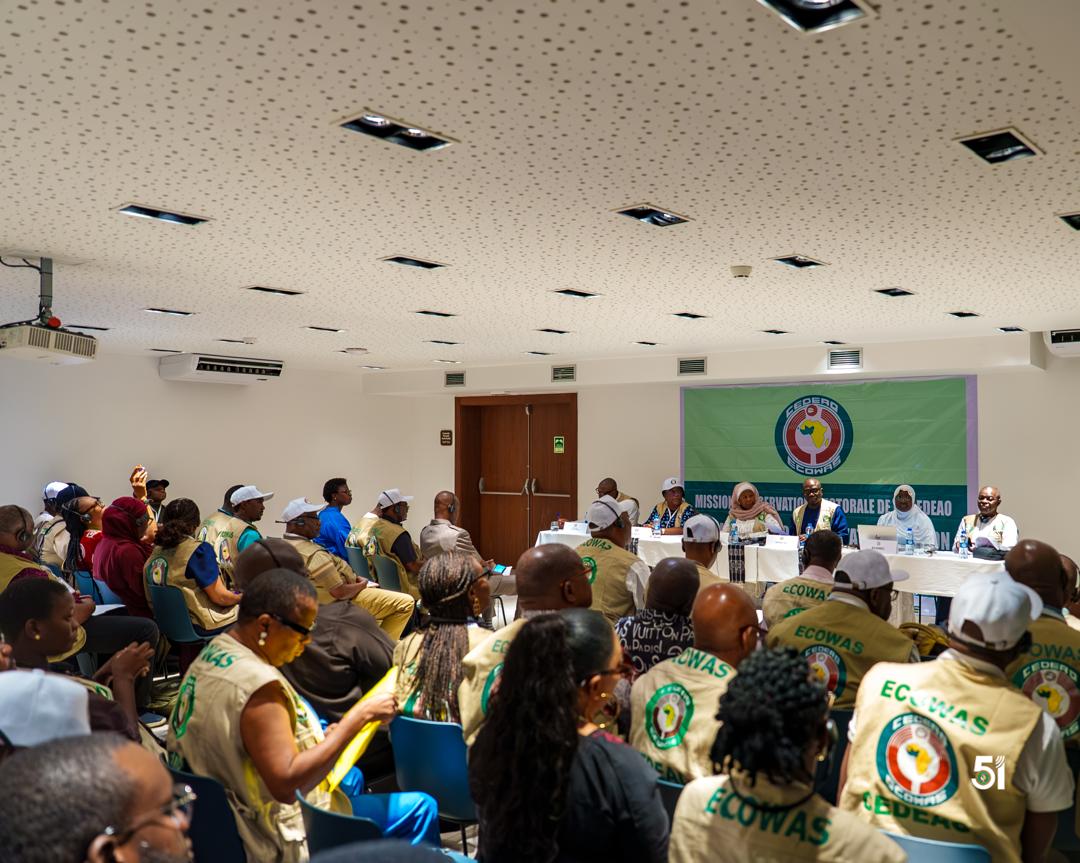
The sequence opened on Friday, 13 November, with the Mission’s observers’ official briefing. Speaking on behalf of the President of the ECOWAS Commission, H.E. General Birame DIOP, the ECOWAS Commissioner for Political Affairs, Peace and Security, Madam Francess Piagie ALGHALI, who is heading the Technical Team of the Mission, recalled that Cabo Verde holds “a special place in the democratic experience of our region” and set out the observers’ mandate: “We are not here to interfere in the process or to substitute our judgment for that of the competent national institutions. We are here to listen, observe, engage respectfully with all stakeholders, and report findings accurately and responsibly.” The Head of Mission urged observers to abide strictly by the ECOWAS Election Observation Code of Conduct, assuring that “under my leadership, the ECOWAS Election Observation Mission will discharge its mandate with professionalism, impartiality and transparency.”
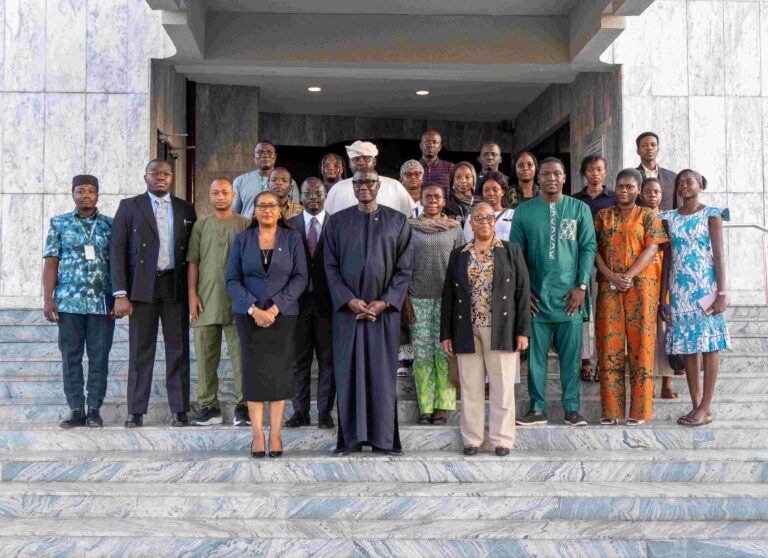
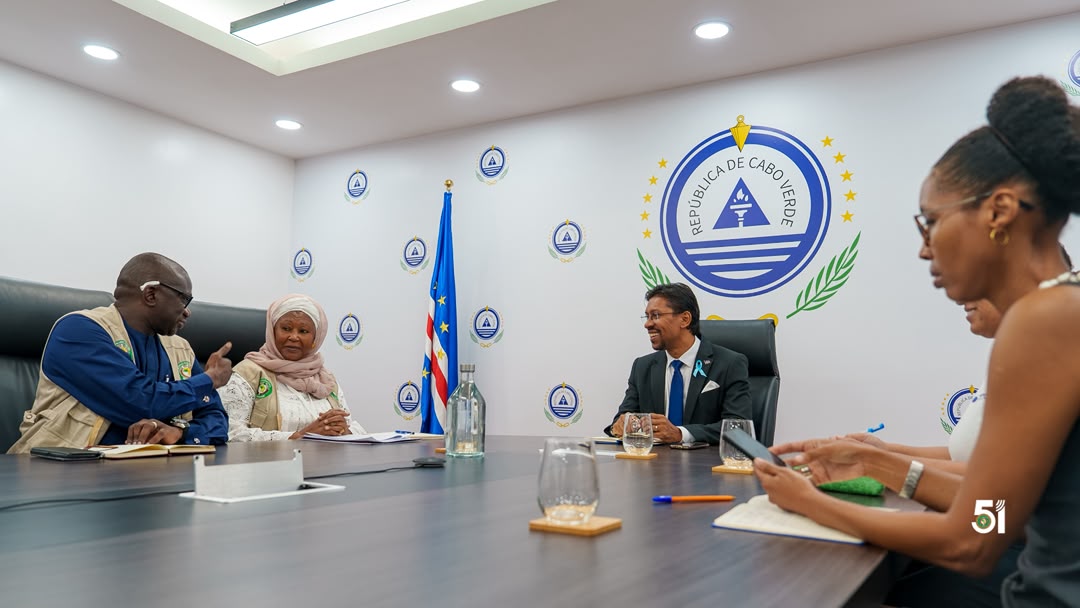
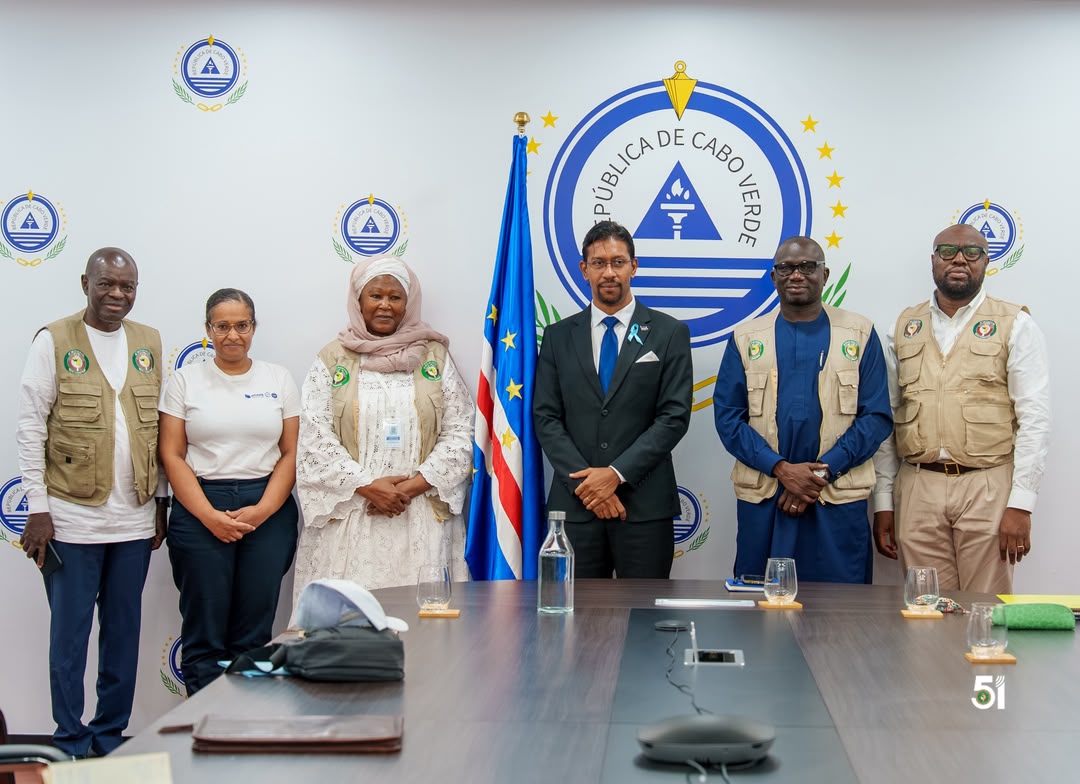
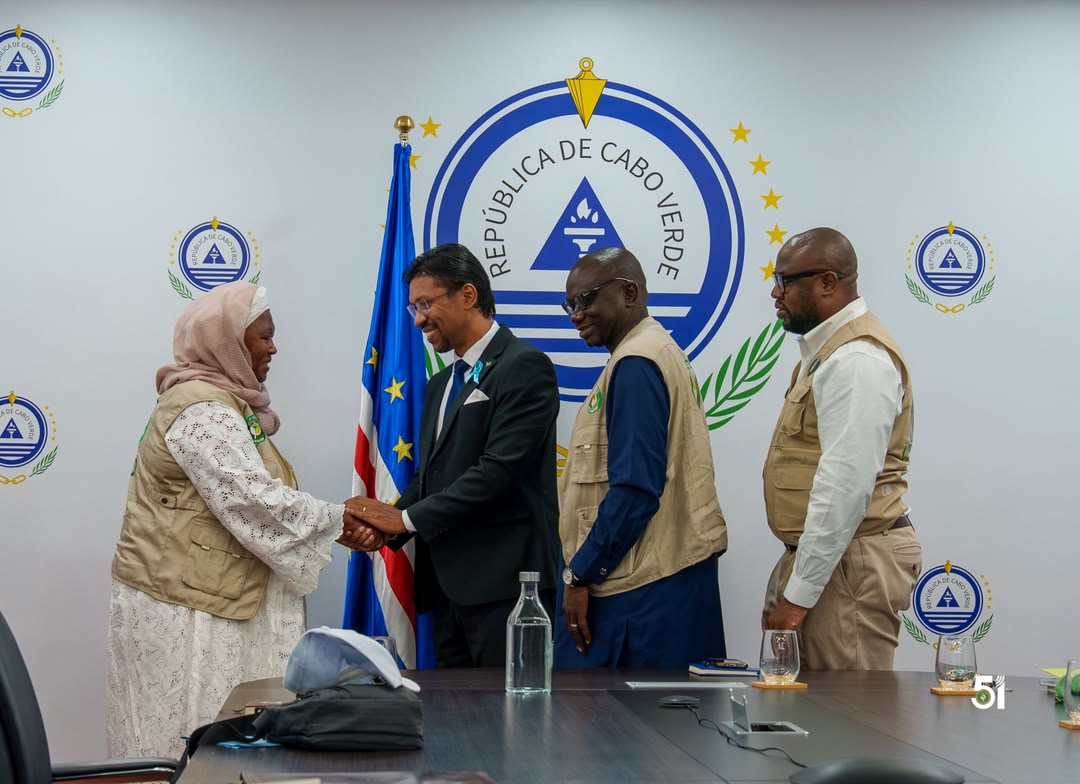
Drawn from the ranks of Ambassadors accredited to ECOWAS, the ECOWAS Parliament, the ECOWAS Court of Justice, electoral management bodies of Member States, the diplomatic corps, civil society and the media, the short-term observers were briefed on the electoral context, the security situation, the ECOWAS observation methodology and electronic reporting tools, before joining the long-term observers deployed since 3 November 2026 to all nine inhabited islands. The same day, the Head of Mission held a working session at the Government Palace with the Minister of Justice, President of the Council of Ministers, Parliamentary Affairs and Social Communication, H.E. Clóvis SILVA, on the state of preparedness for the electoral process.
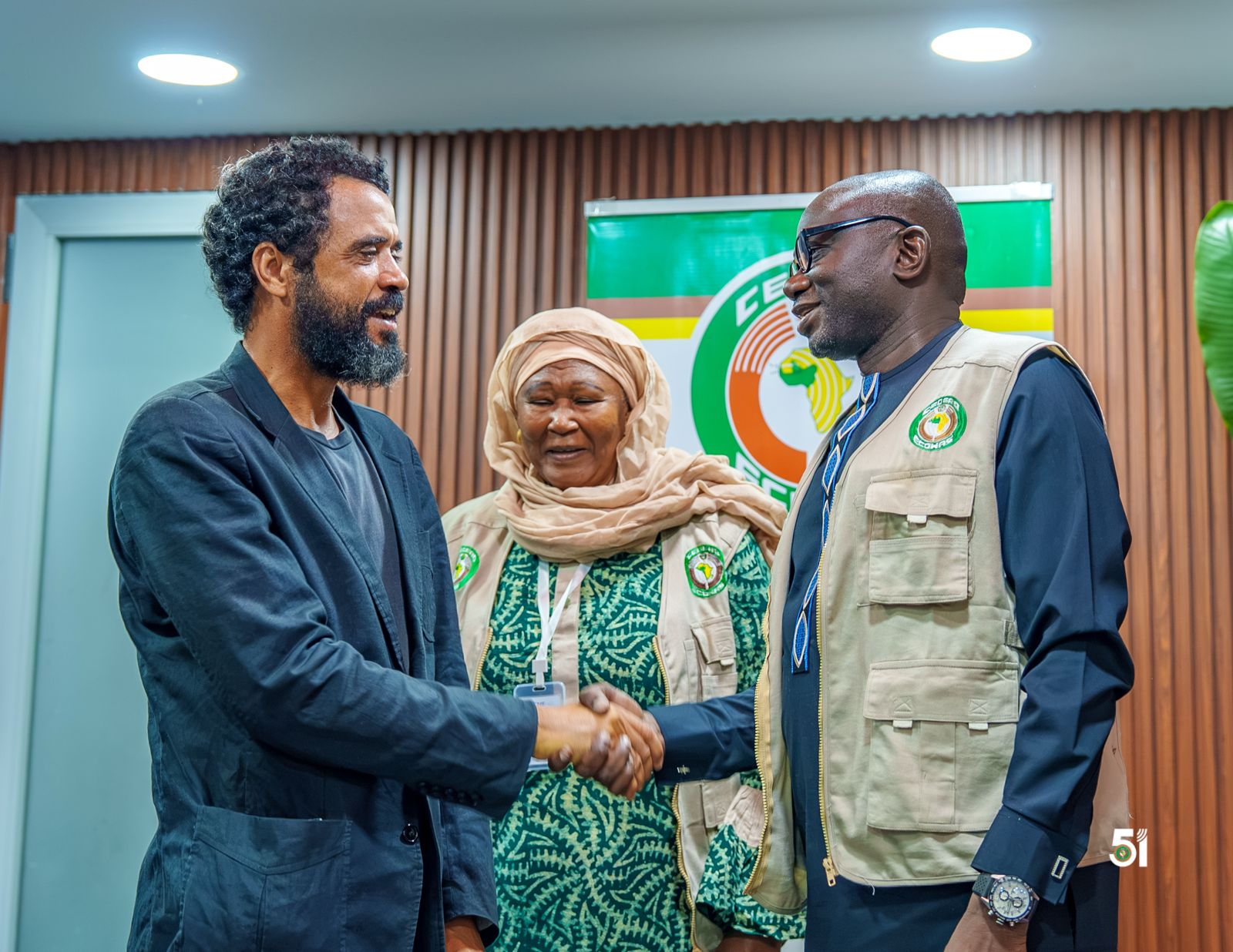
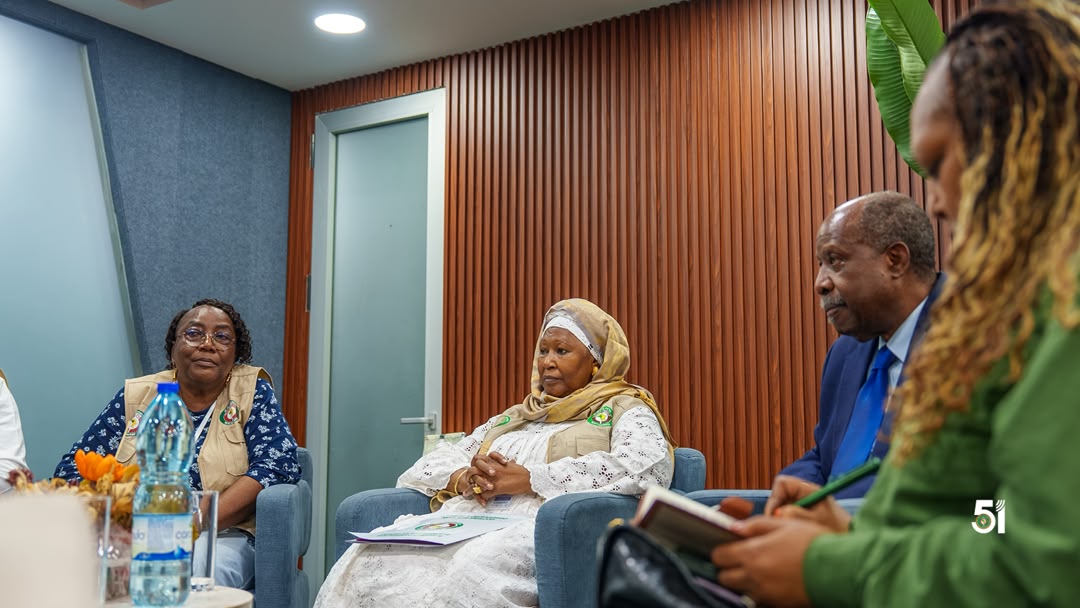
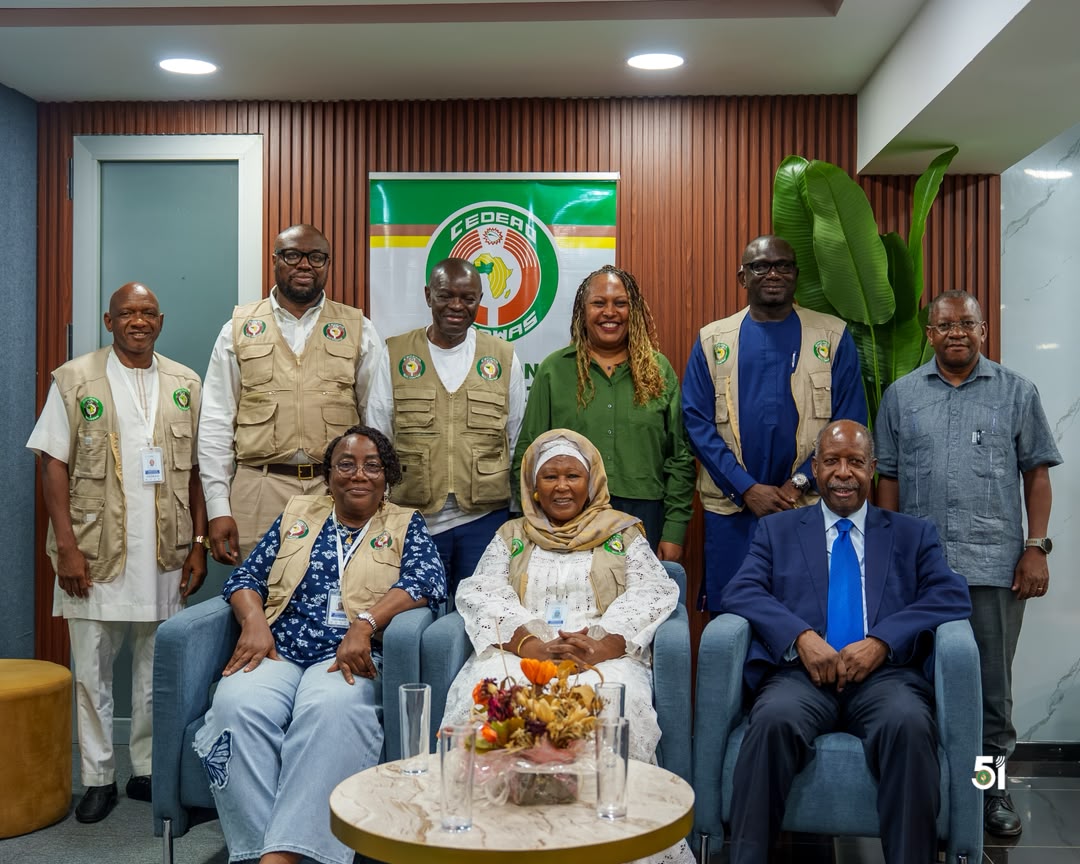
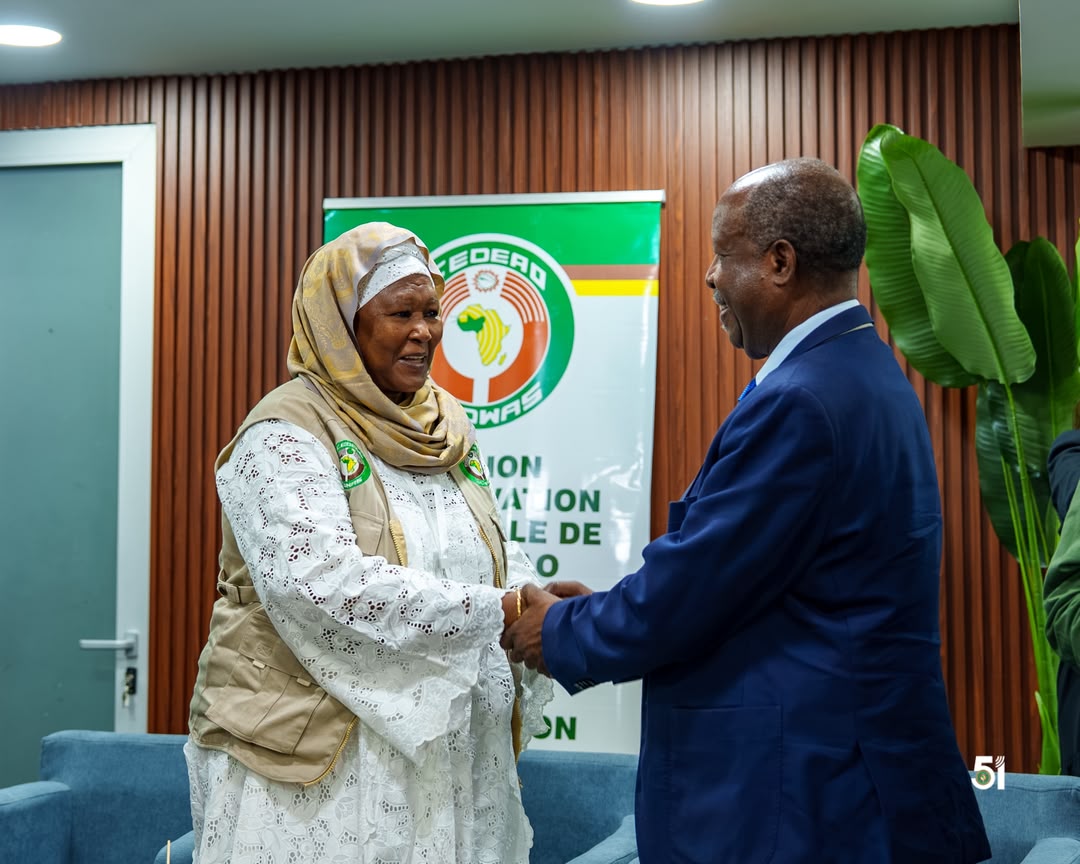
With its observers in the field, the ECOWAS Mission exchanged views with its strategic partners. In that regard, the Head of Mission received at the Mission’s headquarters the Special Representative of the United Nations Secretary-General for West Africa and the Sahel and Head of UNOWAS, H.E. Leonardo Santos SIMÃO, in the presence of Madam Francess Piagie ALGHALI and the ECOWAS Resident Representative in Cabo Verde, H.E. Ambassador João Ribeiro BUTIAM CO. Stressing that an election is an entry point to democracy that must serve a long-term vision of good governance, the Head of Mission found a strong echo in the UN envoy, who commended the professionalism and independence of the National Electoral Commission (CNE) and paid tribute to the regional organisation, stressing that “no one is more important than ECOWAS in this region.” Both sides highlighted voter apathy, the engagement of youth and civil society, and the need for sustained civic education.
This partnership-driven approach culminated on Saturday, 14 November, when the Head of Mission convened at the ECOWAS Situation Room a meeting of the heads of the partner observation missions: the African Union, led by H.E. Bornito de Sousa Baltazar DIOGO, former Vice-President of the Republic of Angola; the Community of Portuguese-Speaking Countries (CPLP), led by H.E. Carlos Agostinho do ROSÁRIO, former Prime Minister of the Republic of Mozambique; the International Organisation of La Francophonie (OIF), led by H.E. Prof. Pierre MOUKOKO MBONJO, former Minister of External Relations of the Republic of Cameroon; and the ROJAE-CPLP, led by Mr Manuel Pereira da SILVA, President of the National Electoral Commission of Angola. The ECOWAS delegation also included the Ambassador of Côte d’Ivoire and Permanent Representative to ECOWAS, H.E. Ambassador Kalilou TRAORÉ, representing the Permanent Representatives’ Committee (PRC), as well as representatives of the ECOWAS Parliament and of the ECOWAS Network of Electoral Commissions (ECONEC).
Presenting the ECOWAS pre-election assessment, H.E. Fatoumatta JALLOW-TAMBAJANG stated that Cabo Verde “continues to demonstrate a peaceful, stable and institutionally mature democratic environment conducive to the conduct of credible presidential elections.” She noted that electoral preparations are well advanced, that the CNE and the General Directorate for Electoral Process Support (DGAPE) continue to demonstrate professionalism and operational readiness, and that the campaign closed peacefully and in an orderly manner. “At this stage, ECOWAS sees no significant threat to the peaceful conduct of the presidential election. Cabo Verde remains a strong democratic example within the African region,” she said. The partner missions shared this reading, with the African Union describing Cabo Verde as “a strong democratic culture and an example for Africa.” Closing the meeting, Madam Francess Piagie ALGHALI underlined the value of coordinated observation: “We are all working towards the same goal, that is to ensure that we can certify a peaceful, transparent and credible election in Cabo Verde.”
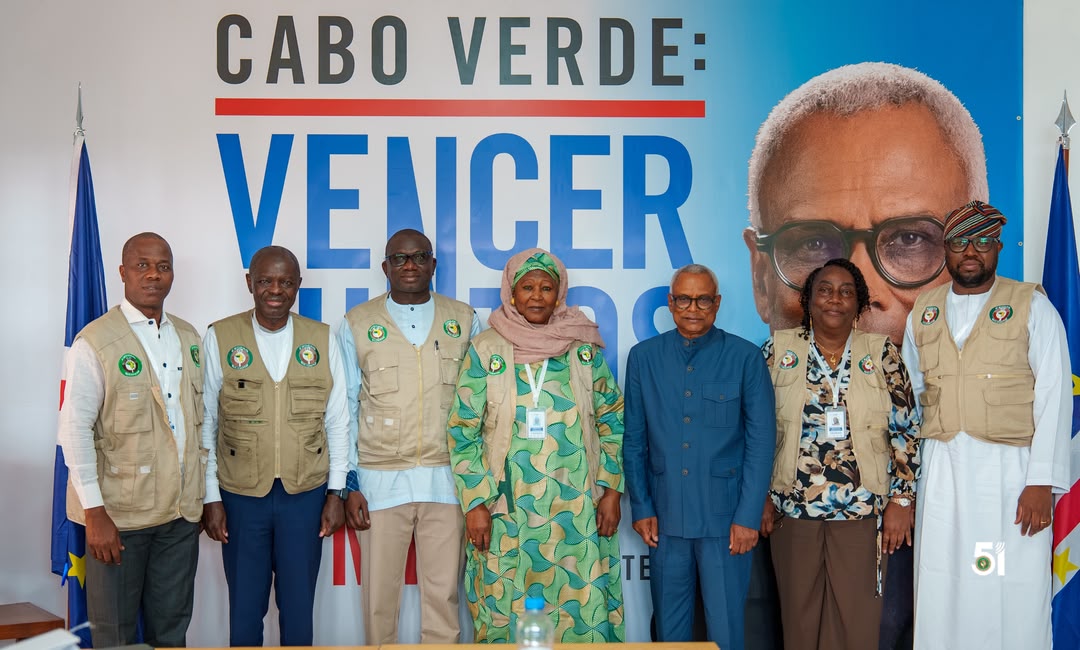
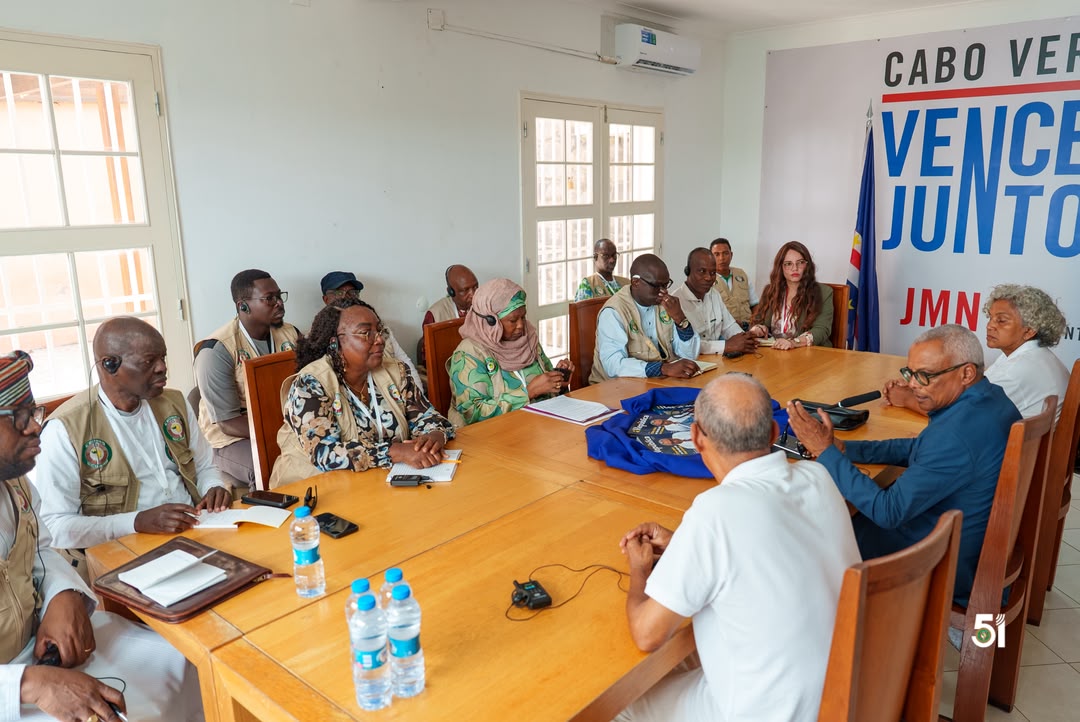
Earlier in the day, ECOWAS pursued its consultations with presidential candidates. The Head of Mission met at his campaign headquarters in Praia with candidate Mr José Maria NEVES, outgoing President of the Republic, whose functions are suspended for the duration of the electoral period under the law. The discussions focused on the electoral environment, the challenge of voter abstention, particularly among young people, and reforms under consideration, such as automatic voter registration.
On election day, the Head of Mission will observe the opening of polls at the Escola Secundária Abílio Duarte in Palmarejo, Praia, before visiting polling stations in Tira Chapéu, Várzea and Achadinha, and will return to Palmarejo to observe the closing of polls and the counting of votes. ECOWAS observers will be present in all nine inhabited islands. The Mission will issue a preliminary statement following the vote.
Through this Mission, ECOWAS reaffirms its commitment to supporting Cabo Verde in organising a credible, transparent and peaceful presidential election, as well as its determination to promote democracy, good governance, peace and stability in the region.
Discover how ECOWAS is transforming communities, economies and the lives of West African citizens — one story at a time.