Initializing...
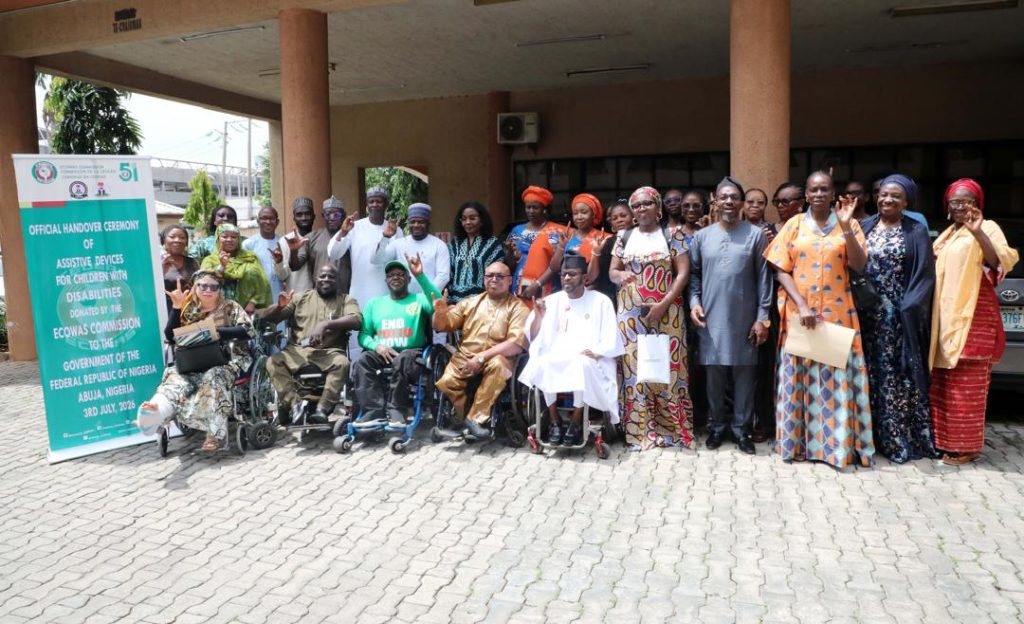
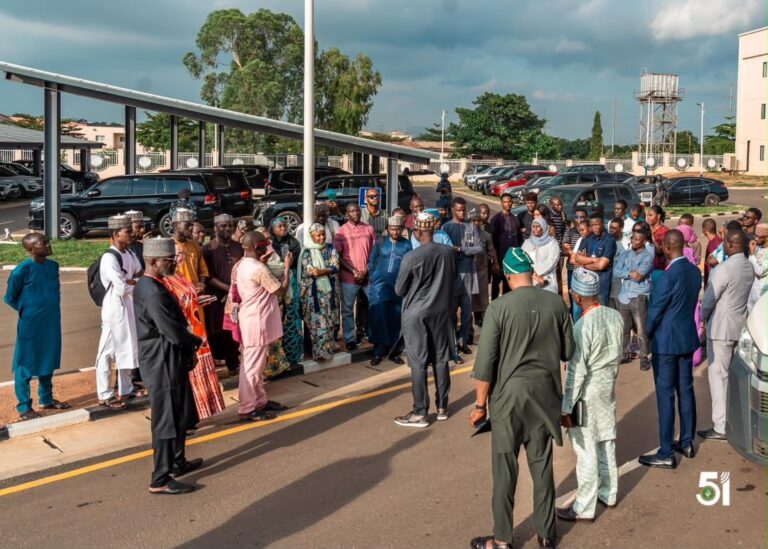
The Economic Community of West African States (ECOWAS) has reaffirmed its commitment to promoting disability inclusion through the official handover of assistive devices for children with disabilities to the National Commission for Persons with Disabilities (NCPWD) on the 3rd of July 2026 in Abuja.
The handover ceremony forms part of the ECOWAS Regional Assistive Devices Program, an initiative designed to improve the access to essential assistive technologies for children with disabilities across West Africa. The program seeks to reduce barriers to education, healthcare, communication, mobility and social participation by ensuring children receive the support the need to live more independently and participate fully in the society.
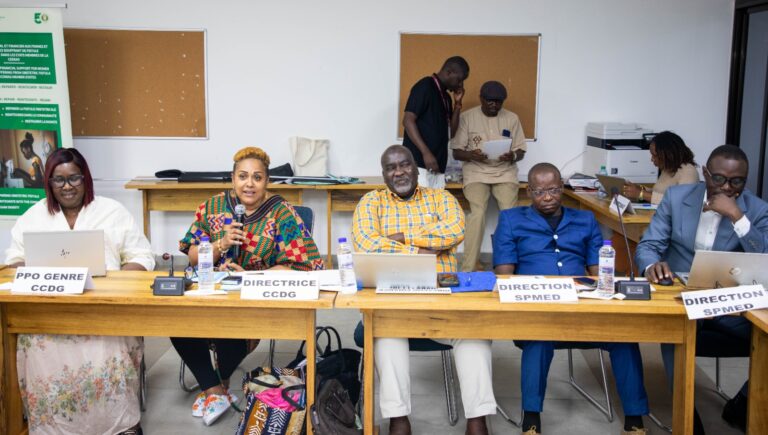
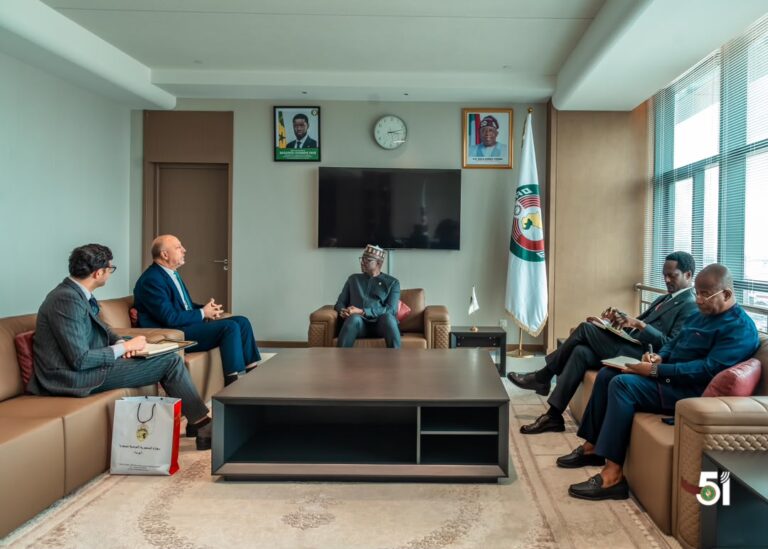
The meeting opened with welcome remarks by ECOWAS Commissioner for Human Development and Social Affairs, Prof. Fatou Sow Sarr, affirmed the Commission’s commitment to ensuring no child is left behind. She noted that the program reflects ECOWAS’ vision of building an inclusive West Africa where children with disabilities have equal opportunities to thrive, while also noting with ECOWAS Vision 2050, which places people, particularly groups including persons with disabilities at the center of the regional development. Professor Sarr highlighted that access to assistive technology remains a significant challenge across West Africa, despite its recognition as a fundamental human right under the United Nations Convention on the Rights of Persons with Disabilities (UNCRPD). She stressed that while millions require assistive devices, only a small proportion have access to them due to the high costs of these devices.
Speaking at the official handover ceremony is the Senior Special Assistant to the President of Nigeria on Special Needs and Equal Opportunities, Hon. Mohammed Abah Isah, stating that the donation extends beyond provision of equipment, but reflecting ECOWAS’ dedication to promoting social inclusion, human dignity and equal opportunities for persons with disabilities across the region. He noted that the assistive devices would contribute to mobility, educational opportunities and overall quality of life of beneficiary children, while reinforcing efforts to ensure children with disabilities are fully integrated into the society. The Presidential aide also reaffirmed the commitment of the President’s administration to promote policies that guarantee equal opportunities and full participation for persons with disabilities.
The Executive Secretary of the National Commission for Persons with Disabilities, Chief Ayuba Burki Gufwan, in his keynote statement, describes the ceremony as a historic milestone for the Commission and the beneficiaries to this opportunity in Nigeria’s effort to improve access to assistive technology. He express appreciation to ECOWAS for selecting Nigeria as a beneficiary of this program and emphasized that the devices are life changing tools to enable children with disabilities across to access education, mobility, healthcare, communication and independent living.
The Development Partners congratulated ECOWAS and NCPWD on this achievement and also ensured their contribution the expanding the innovation across West Africa, having completed it in Nigeria and Togo, while these projects still ongoing in Sierra Leone, Guinea Bissau, Benin, The Gambia, Senegal and Guinea. They called for stronger partnerships. They also reaffirmed their commitment to supporting and strengthening disability-inclusive policies and expanding assistive technology. The President of Joint National Association of Persons with Disabilities (JONAPWD), Engr. Kaura Joseph Wakili included that over 1,000 children will receive the assistance for devices in the need in their disability.
The ceremony concluded with a presentation of the assistive devices to the National Commission of Persons with Disabilities (NCPWD), a renewed commitment by ECOWAS, the Government of Nigeria and development partners to deepen regional cooperation. The devices included; 10 laptops, 100 wheelchairs, 10 cartons of sunscreen, 100 wide brim hats, 100 UV sleeves, 50 standing chairs, 50 bath chairs, 50 tricycles, 50 armpit Crutches, 50 elbow crutches, 100 white canes.
Discover how ECOWAS is transforming communities, economies and the lives of West African citizens — one story at a time.