Initializing...
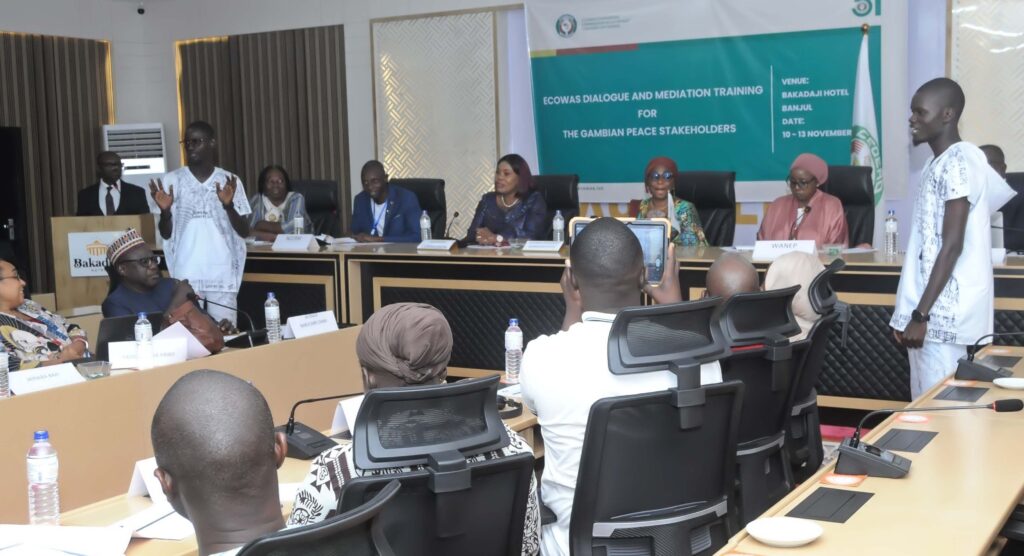
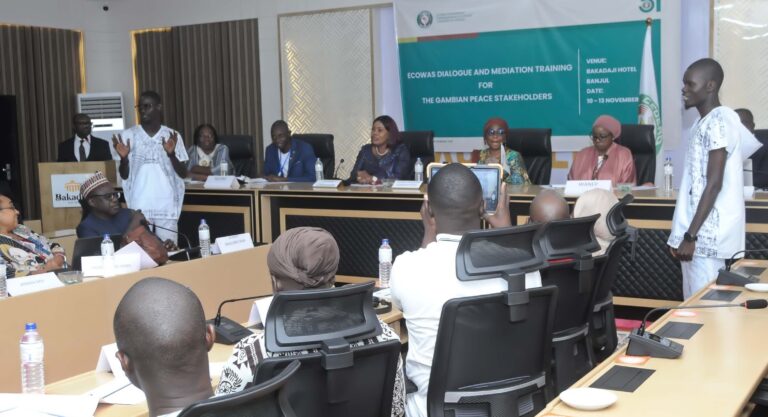
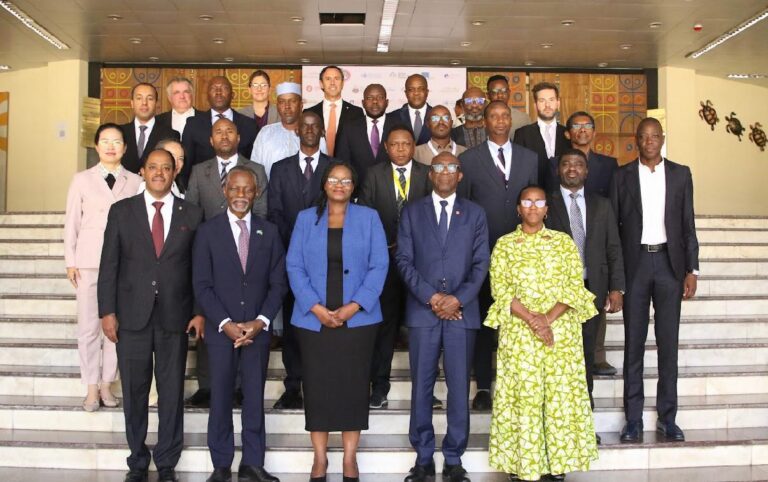
The ECOWAS Commission, through its Directorate of Political Affairs, has commenced a five-day training on dialogue, mediation and conflict prevention for Gambian peace actors and electoral stakeholders ahead of the country’s presidential election scheduled for 5 December 2026.
The training aims to strengthen national capacities for identifying and mitigating electoral risks, facilitating dialogue and preventing tensions, thereby contributing to a peaceful, inclusive and credible electoral process.
Declaring the training open, the ECOWAS Resident Representative in The Gambia, H.E. Namizata Meita Sangaré, noted that although the overall electoral environment remains relatively peaceful, emerging challenges, including political polarisation, hate speech, misinformation and disinformation, and the limited participation of women and young people, require vigilance and proactive engagement.
She underscored the importance of dialogue, mediation and preventive diplomacy in safeguarding democratic stability, urging participants to translate their deliberations into practical conflict prevention measures. “The ultimate victory must not belong to one political party or another; it must belong to the Gambian people, to democracy and to peace,” she stressed.
In her welcome remarks, the Head of the Mediation and Coordination of Regional Political Affairs Division (MCRPA), Dr. Onyinye Onwuka, reaffirmed ECOWAS’ commitment to accompany The Gambia throughout its electoral process. She emphasised that credible elections extend beyond the conduct of voting to include public confidence in institutions, inclusive participation, peaceful political competition and the capacity of national actors to manage political differences peacefully and resolve disputes through inclusive dialogue and democratic institutions.
Participants include representatives of political parties, the Inter-Party Committee, the Independent Electoral Commission, the National Human Rights Commission, security agencies, the National Council for Civic Education, traditional and religious leaders, women’s and youth organisations, civil society, election observer groups, local government and the media.
The initiative is anchored in ECOWAS’ regional frameworks, particularly the 1999 Protocol Relating to the Mechanism for Conflict Prevention, Management, Resolution, Peacekeeping and Security; the 2001 Supplementary Protocol on Democracy and Good Governance; and the 2008 ECOWAS Conflict Prevention Framework.
Through this engagement, ECOWAS reiterates its commitment to supporting Member States in strengthening democratic institutions, preventing electoral violence and consolidating sustainable peace and stability across the region.
Discover how ECOWAS is transforming communities, economies and the lives of West African citizens — one story at a time.