Initializing...
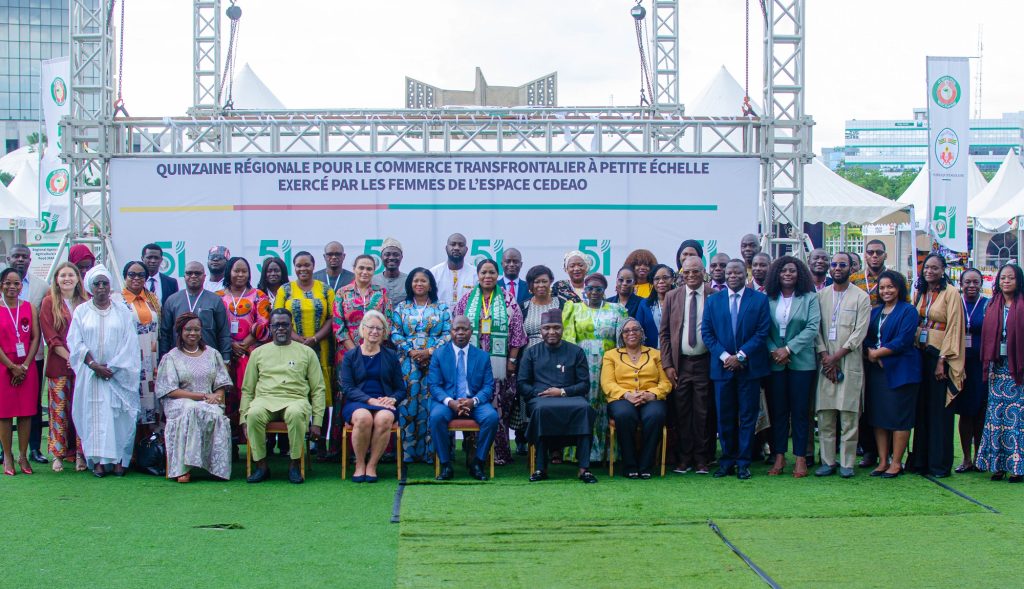
The Commission of the Economic Community of West African States (ECOWAS), through the ECOWAS Centre for Gender Development (ECGD), officially launched on Monday, June 22, 2026, in Lomé, a week-long capacity-building workshop for small-scale cross-border trade stakeholders in the West African region. Organized in partnership with the Government of the Togolese Republic and several technical and financial partners, this regional meeting is part of the Regional Fortnight on Small-Scale Cross-Border Trade Conducted by Women in the ECOWAS Region.
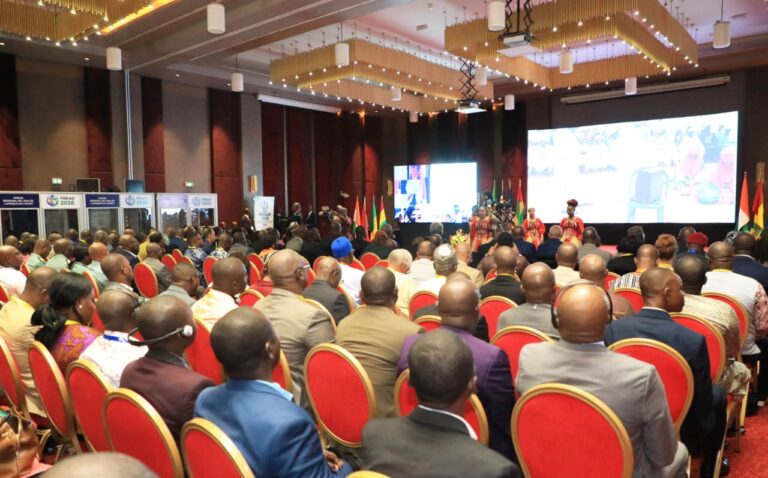
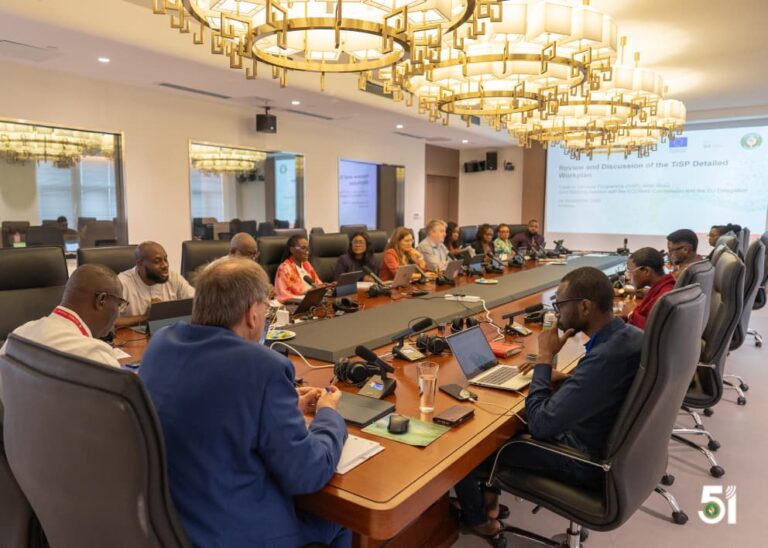
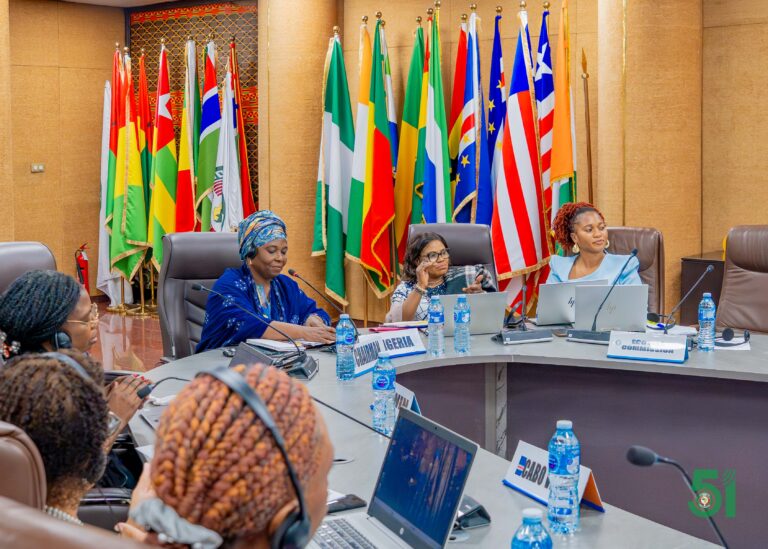
The opening ceremony brought together representatives of the ECOWAS Commission, Member States, associations of women cross-border traders, public administrations, chambers of commerce, the private sector, and technical and financial partners committed to promoting regional integration and women’s economic empowerment.
In her welcome address, the ECOWAS Resident Representative in Togo, H.E. Ambassador Deweh Emily Gray, praised the mobilization of the various stakeholders around an initiative that reflects the Commission’s ongoing commitment to inclusive regional trade and sustainable development. She highlighted the essential role played by women cross-border traders in supplying markets, ensuring food security, and strengthening intra-regional trade.
For his part, the Head of the ECOWAS National Office in Togo, Mr. Lagnie Babimlé, emphasized the importance of the meeting as a valuable platform for dialogue, mutual learning, and the sharing of experiences among cross-border trade stakeholders across the region. He noted that the discussions throughout the week would help identify practical solutions to the challenges faced by small-scale women cross-border traders.
Representatives of technical and financial partners, including H.E. Barbara Steinbrinker, First Secretary for Cooperation Affairs at the German Embassy in Togo, and Ms. Halima Ouattara of the Centre for International Studies and Cooperation (CECI), a Canadian NGO, reaffirmed their commitment to supporting ECOWAS efforts aimed at improving the conditions under which cross-border trade is conducted and strengthening women’s economic empowerment within the Community.
The ECOWAS Commissioner for Economic Affairs and Agriculture, Dr. Kalilou Sylla, whose speech was delivered by Professor Félix Nzué Fofana, Acting Director of Research and Statistics, underscored the vital role of women in regional cross-border trade and the many obstacles they continue to face, including harassment, administrative barriers, and limited access to financing. He reaffirmed ECOWAS’s commitment to strengthening their capacities and promoting a regional trade facilitation program benefiting women and youth.
Speaking in turn, the Acting Secretary General of the ECOWAS Commission, Mr. Mua’zu Umaru, representing the Commissioner for Human Development and Social Affairs, Professor Fatou Sow Sarr, recalled that women constitute the driving force behind cross-border trade in West Africa. He highlighted their contribution to regional integration and food security while reaffirming ECOWAS’s commitment to creating a more inclusive, secure, and enabling trading environment that supports their economic empowerment.
Officially opening the workshop, Mr. MESSAN Koffi Vignon, Chief of Staff to the Minister of Economy and Strategic Foresight of the Togolese Republic, H.E. Mr. Badanam Patoki, reiterated the Togolese Government’s commitment to supporting regional initiatives aimed at promoting more inclusive trade and strengthening the participation of women and youth in the region’s economic development.
Over the next five days, participants will take part in a series of technical sessions, group work, practical training activities, and multi-stakeholder dialogues focusing on the key issues affecting small-scale cross-border trade. The first two days will be devoted to presenting the findings of a situational analysis of women’s and youth participation in cross-border trade in several Member States, evaluating the ECOWAS Gender and Trade Action Plan 2015–2020, and validating the new ECOWAS Gender and Trade Strategy 2026–2030 and its action plan.
The workshop will continue with experience-sharing and information sessions on regional and continental cross-border trade initiatives. Participants will learn about the approaches of the Make Trade Work for Women project, the achievements of the Regional Agricultural Market Integration Programme, regional mechanisms for combating non-tariff barriers, and support services available to women traders operating along regional corridors.
The week will also feature in-depth training on tools developed by ECOWAS and its partners to enhance transparency at border crossings, promote traders’ rights, and combat gender-based violence. Discussions will focus on the policy reforms needed to ensure more effective participation of women in cross-border food trade, as well as mechanisms for harmonizing and implementing ECOWAS regional instruments.
Participants will also examine opportunities offered by the “50 Million Women Speak” platform, initiatives of the ECOWAS Small Business Coalition (ESBC), and actions undertaken by various regional partners in support of women’s cross-border trade. Several direct dialogue sessions will bring together women cross-border traders, public authorities, regional organizations, and development partners to encourage frank discussions on field realities and appropriate responses to identified challenges.
The final day will be dedicated to consolidating lessons learned, identifying best practices, and defining intervention priorities for a future regional trade facilitation program aimed at women and youth engaged in small-scale cross-border trade. The conclusions of the workshop will help guide future ECOWAS actions in the areas of trade, regional integration, and women’s economic empowerment.
Discover how ECOWAS is transforming communities, economies and the lives of West African citizens — one story at a time.