Initializing...
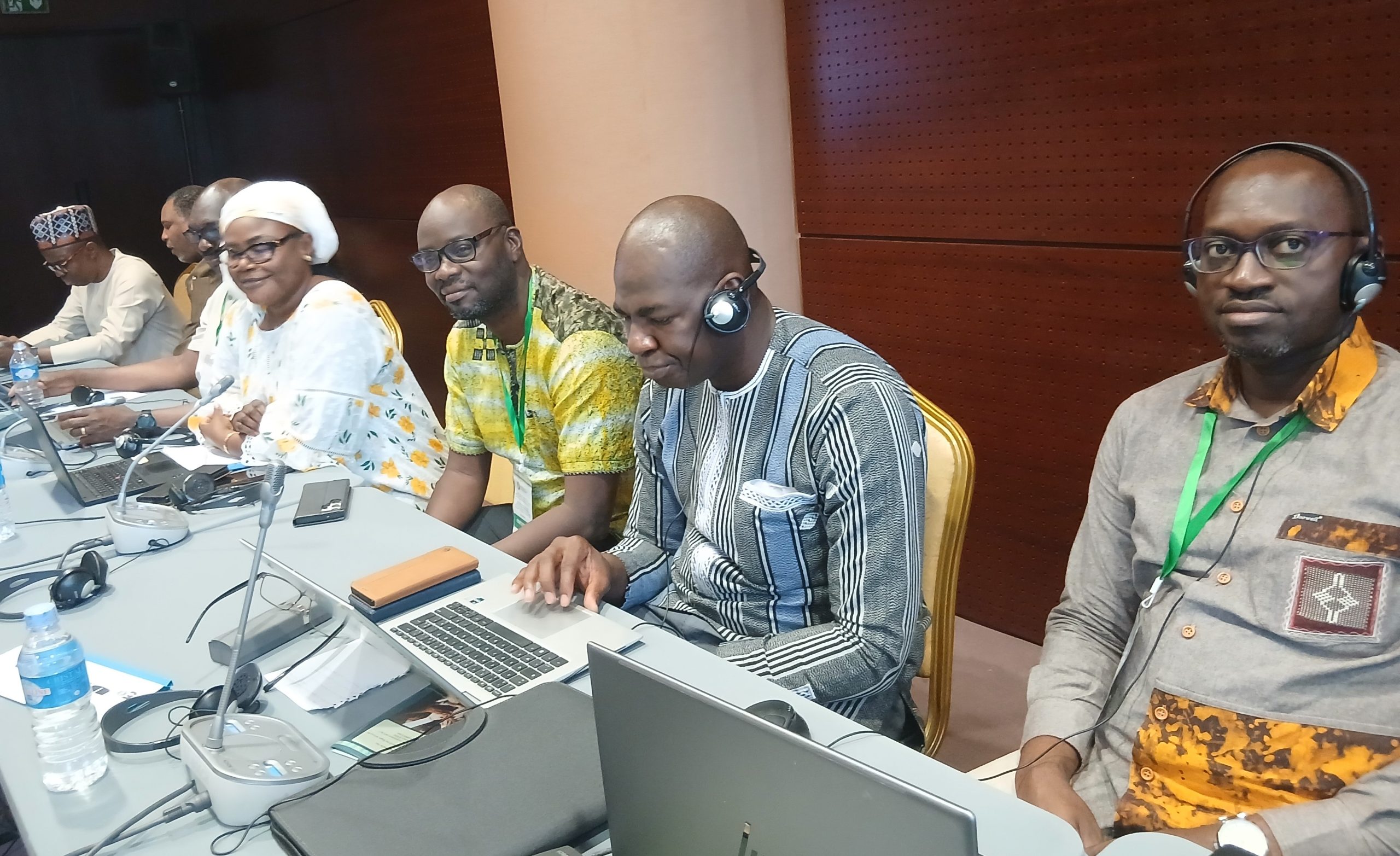
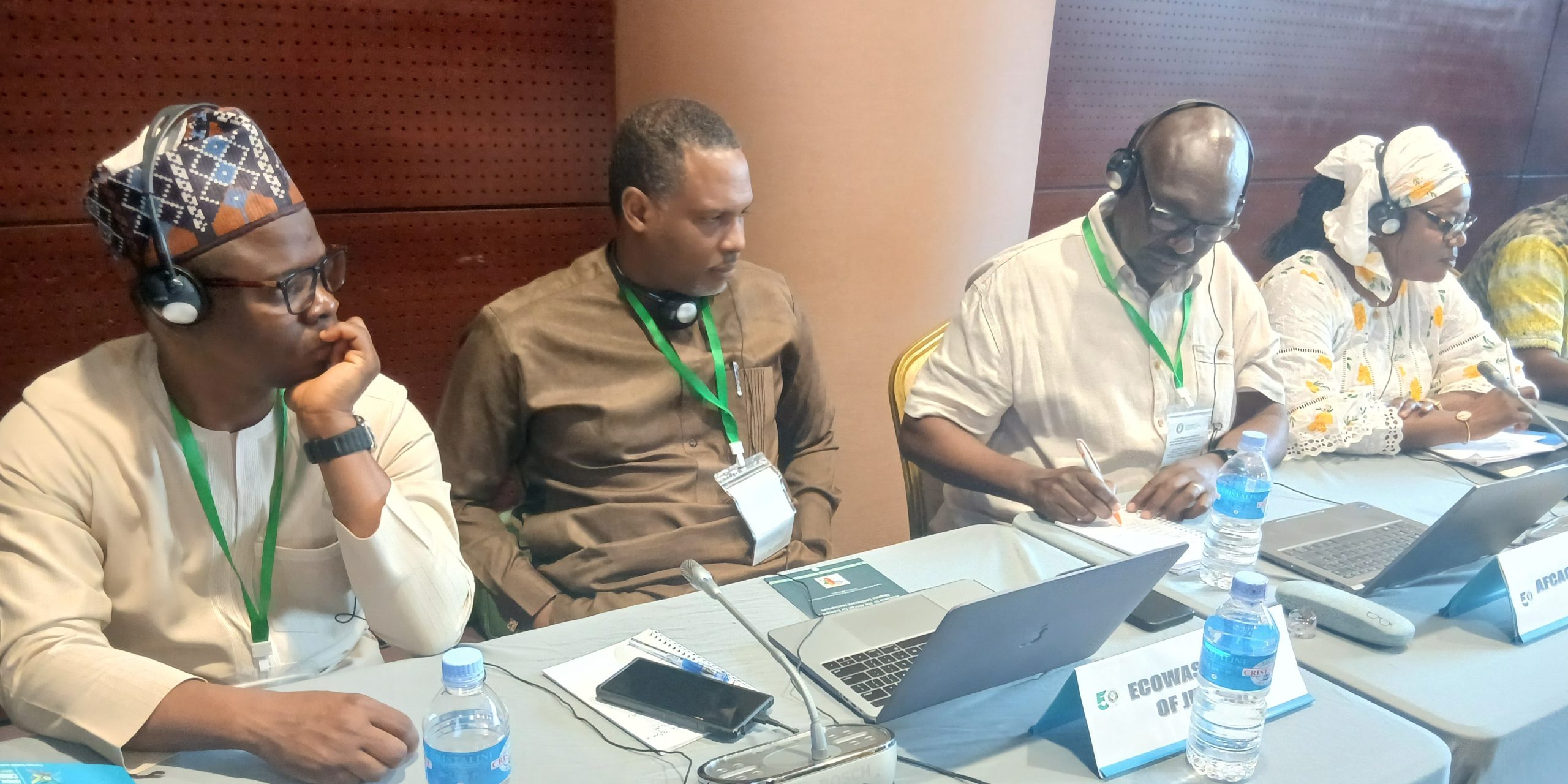
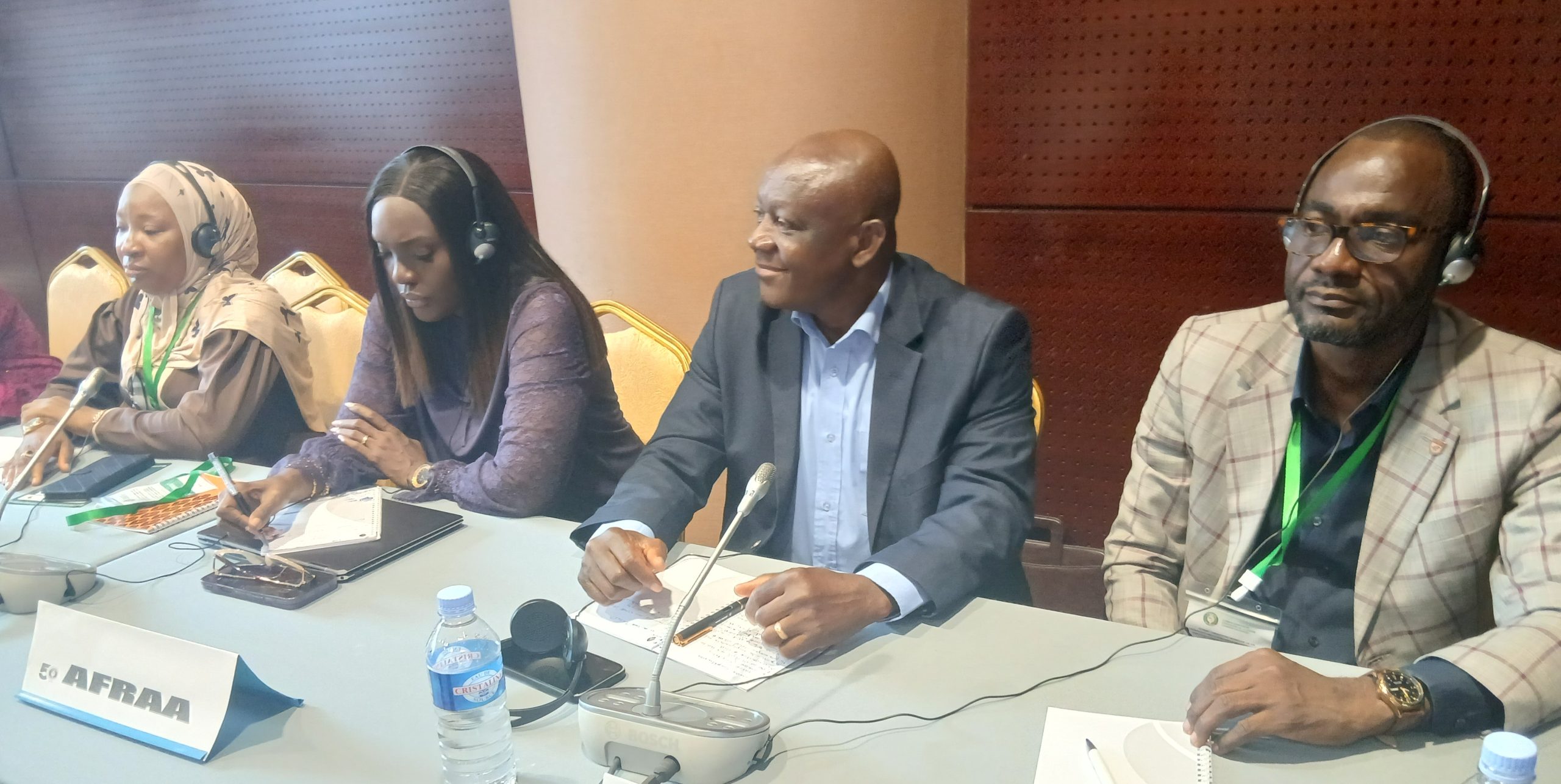
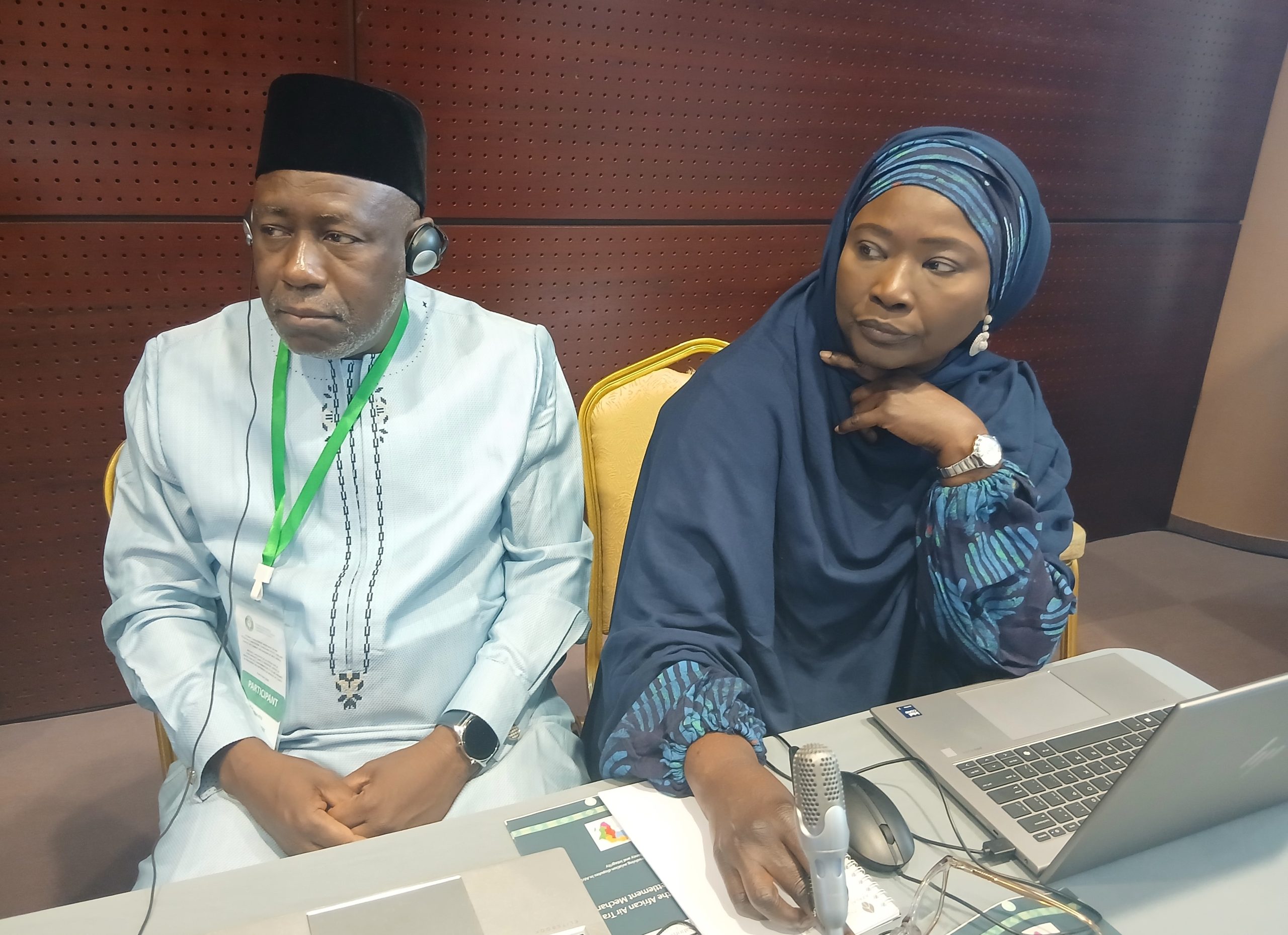
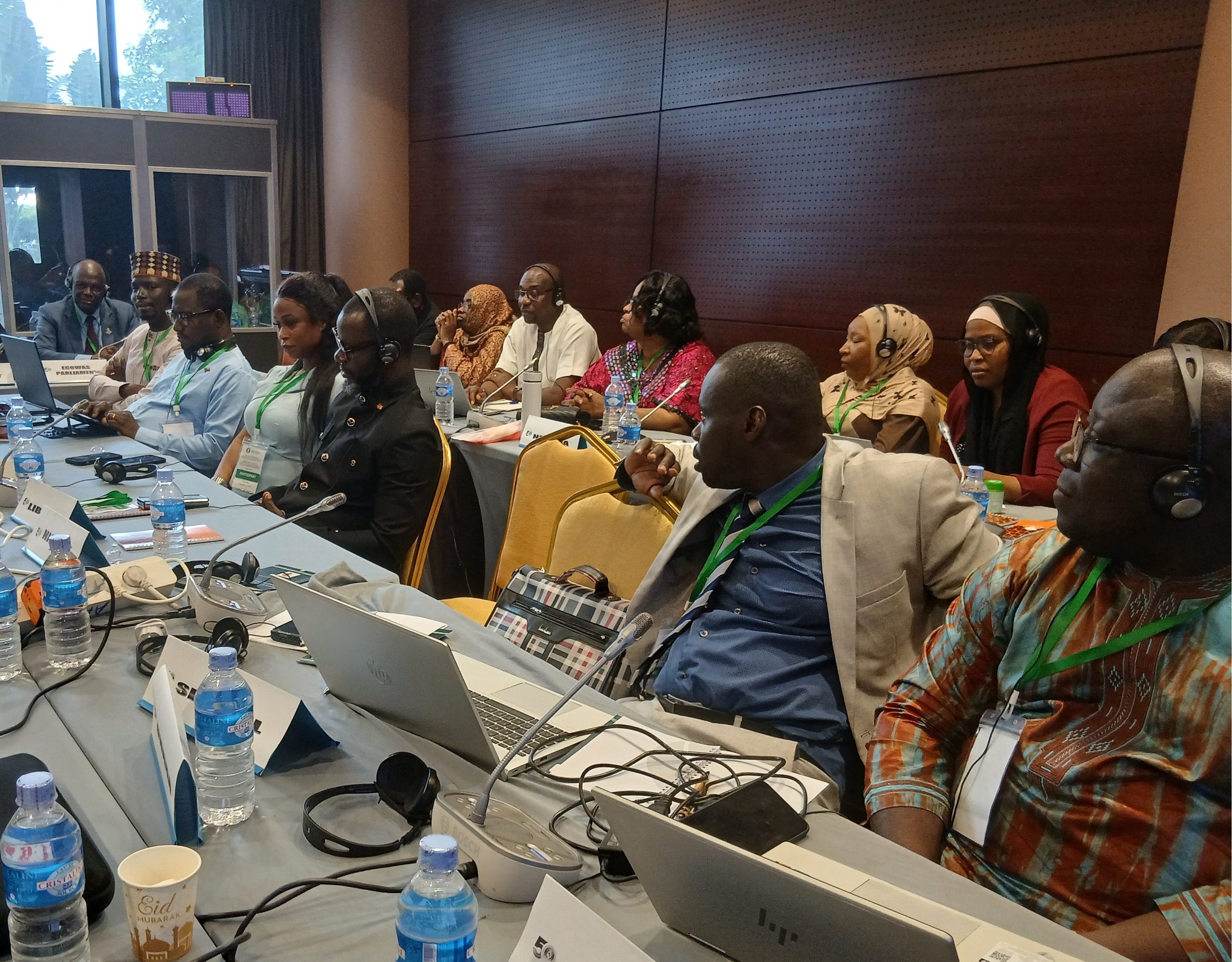
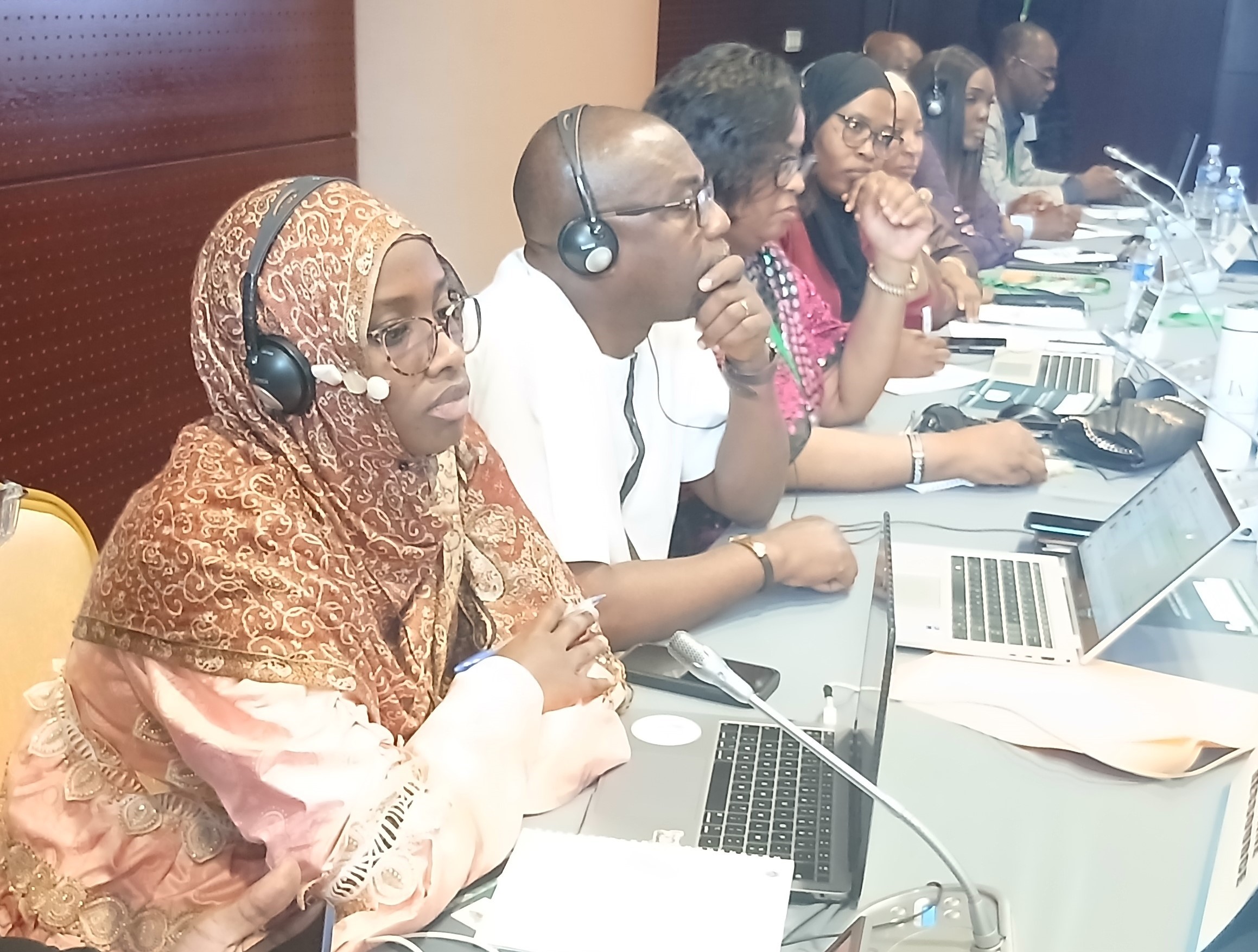
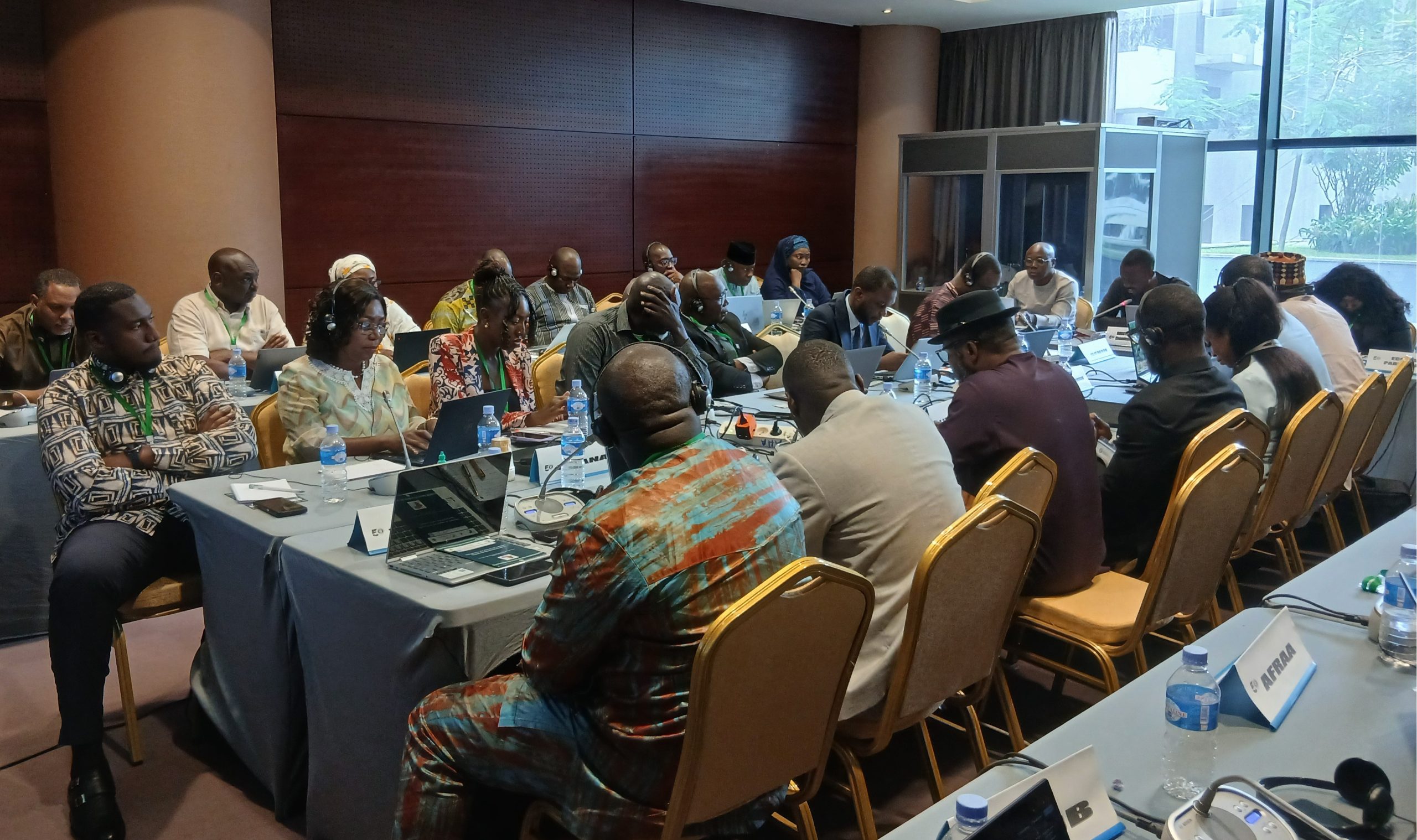
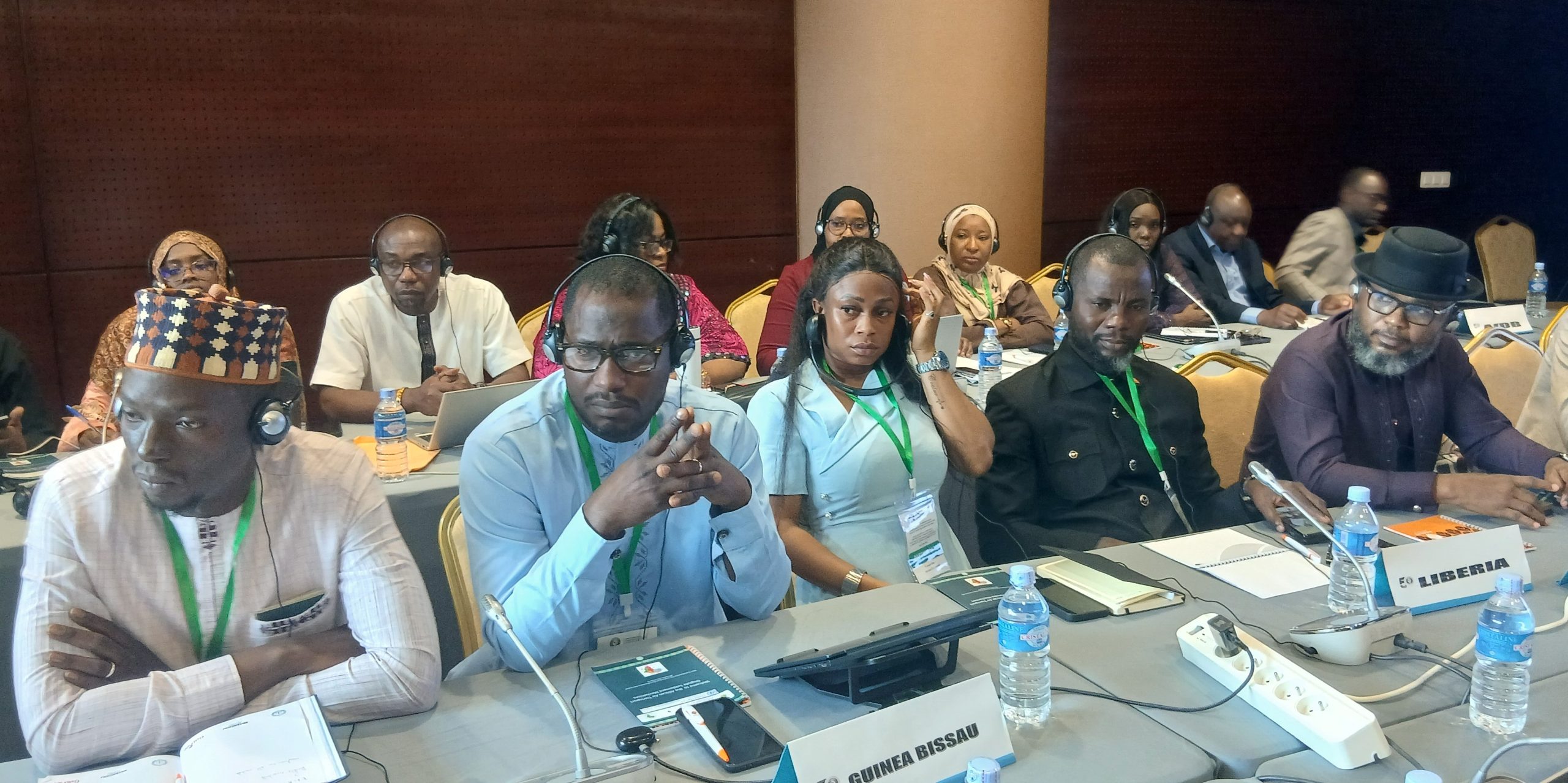
The consultative workshop on competition in air transport, consumer protection and dispute resolution mechanisms organised by the Economic Community of West African States (ECOWAS) Commission, concluded on Friday, 6 March 2026, in Abidjan, Côte d’Ivoire, with a series of recommendations aimed at reforming the air transport sector in West Africa.
At the end of the meeting, participants reviewed existing regional legal frameworks with a view to harmonising all national legislation with regional and continental regimes. To this end, they recommended better harmonisation of ECOWAS and West African Economic and Monetary Union (UEMOA) texts with technical assistance from the African Civil Aviation Commission (CAFAC).
They also called for the universal ratification of the Montreal Convention by ECOWAS member states that have not yet ratified it, in order to ensure a harmonised legal framework for the West African sub-region. The same applies to the effective implementation of harmonised legal texts by these states to ensure their application at national level.
Participants also recommended strengthening, supporting and creating national air passenger protection units in these countries.
The meeting also suggested conducting passenger awareness campaigns through the media, social networks and airport announcements, following the example of Nigeria and Gambia.
Another decision taken by the workshop concerns advocacy actions to be carried out with governments, civil aviation authorities and airlines regarding ECOWAS and UEMOA regulations, the Yamoussoukro Decision and applicable regional regulations.
Participants also proposed financial support from development partners to ECOWAS member states to strengthen the capacities of their experts and institutional mechanisms for consumer protection.
They also agreed to create a regional digital platform for online complaints, accessible to all passengers in these countries, allowing them to submit and track their complaints in real time. The same applies to the establishment of a compensation mechanism to create a transparent, rapid and effective system that guarantees fair compensation for passengers in the event of major disruption.
The establishment of an alternative dispute resolution mechanism is also being considered, in order to offer passengers rapid, free and out-of-court remedies; in other words, a mechanism for mediation, conciliation and rapid arbitration to avoid costly litigation.
The collection of data and monitoring of statistics relating to delays, cancellations and denied boarding are also among the decisions taken at the end of the proceedings.
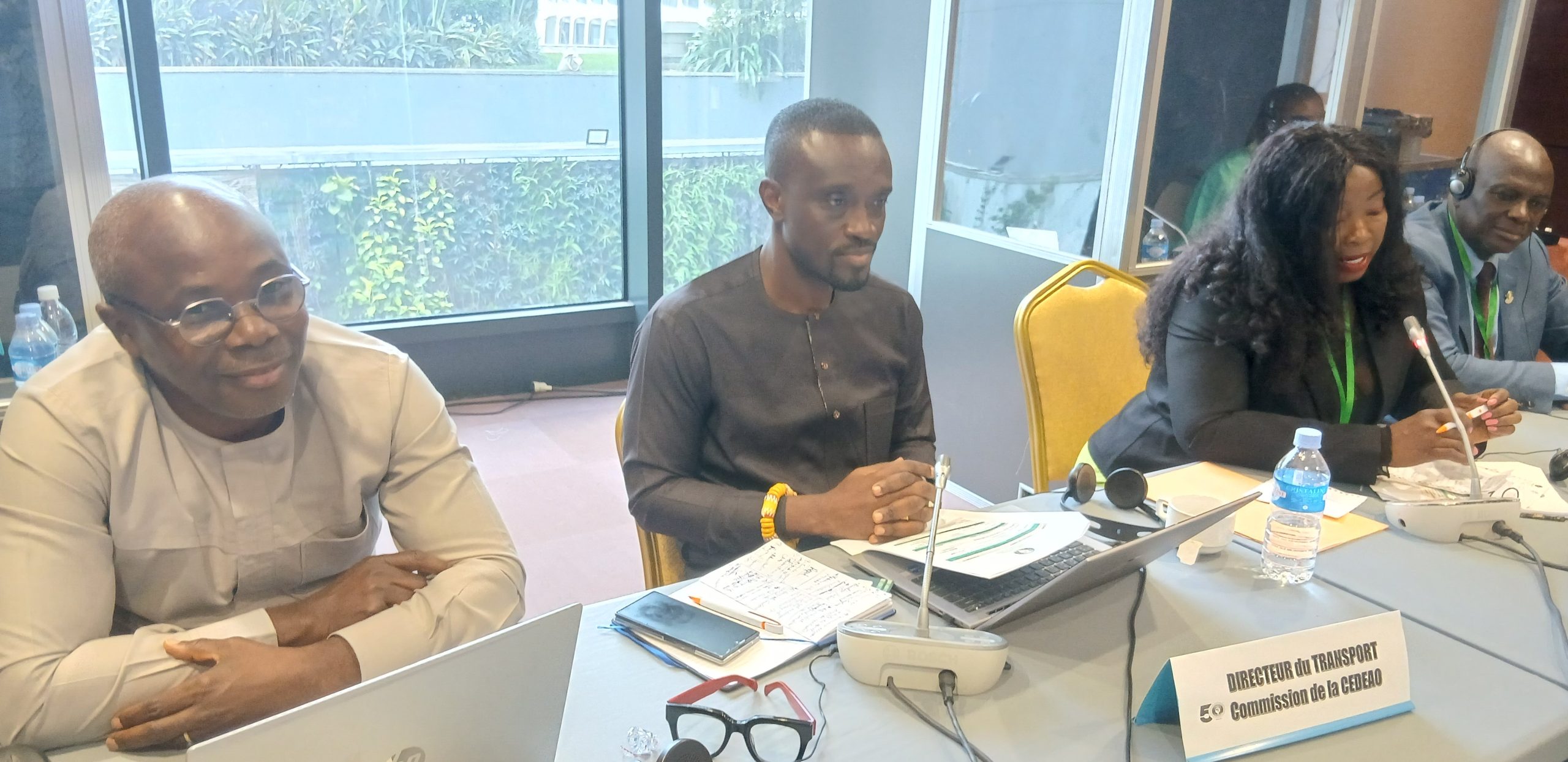
The ECOWAS Commission’s Director of Transport, Chris Appiah, welcomed the unanimous adoption of these various recommendations and the meeting’s report by all participants.
He expressed his deep gratitude to them for their valuable contributions, pertinent recommendations and active participation throughout the meeting.
For her part, the chair of the meeting, Ms Kumba Margaret Kamara, Head of Consumer Protection in Sierra Leone, whose country currently holds the ECOWAS chairmanship, said she was convinced that the recommendations arising from the meeting would help to clean up the regional air transport sector.
She reiterated Sierra Leone’s firm commitment to regional integration and its determination to ensure effective consumer protection in the air transport sector, in accordance with regional and continental legal instruments. She also reaffirmed the importance of harmonising regulatory and legal frameworks at the community level.
It is important to note that this workshop aimed to strengthen understanding and application of Community texts, promote a regional consumer protection mechanism, and improve dispute resolution mechanisms in the air transport sector in West Africa.
The expected outcomes of the meeting include strengthening the institutional capacities of ECOWAS member states, assessing the alignment of national legislation with regional standards, improving cross-border coordination, and raising awareness among West African travellers of their rights and obligations.
It should be noted that the President of the ECOWAS Parliament, Ms Hadja Memounatou Ibrahima, was represented at this workshop by the Chairman of the Parliament’s Infrastructure Committee, the Honourable Sako Mamadou.
Discover how ECOWAS is transforming communities, economies and the lives of West African citizens — one story at a time.