Initializing...
The Economic Community of West African States (ECOWAS) Pre-Election Fact-Finding Mission, led by H.E. Dr Abdel-Fatau Musah, Commissioner for Political Affairs, Peace and Security, held a series of high-level consultations in Cabo Verde with national authorities, electoral institutions, political parties, civil society organisations and international partners. The engagements formed part of ECOWAS’ preventive diplomacy efforts ahead of the forthcoming elections and aimed to assess the pre-electoral environment while fostering dialogue and confidence-building among key stakeholders in support of peaceful and credible elections.
The Mission commenced its programme with a briefing session at the ECOWAS Permanent Representation in Cabo Verde, hosted by Ms Kelly Lopes, Acting ECOWAS Resident Representative in Cabo Verde. The briefing offered the delegation an overview of the country’s political landscape and institutional dynamics as the electoral cycle approaches.
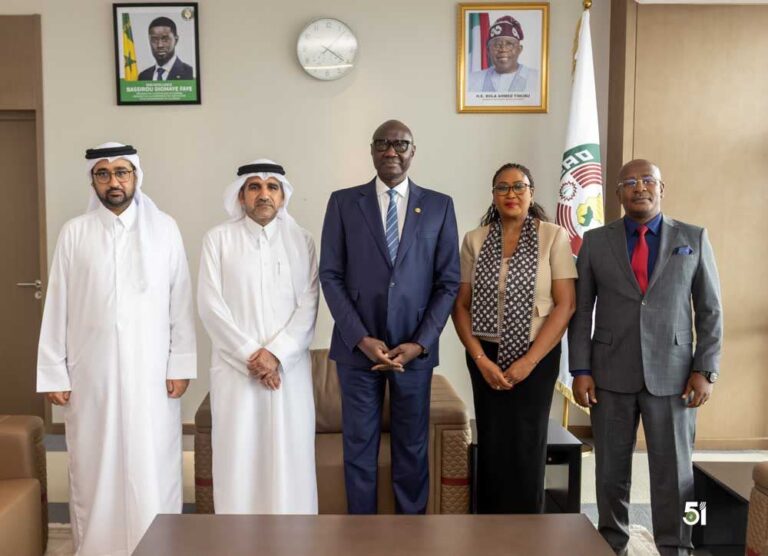
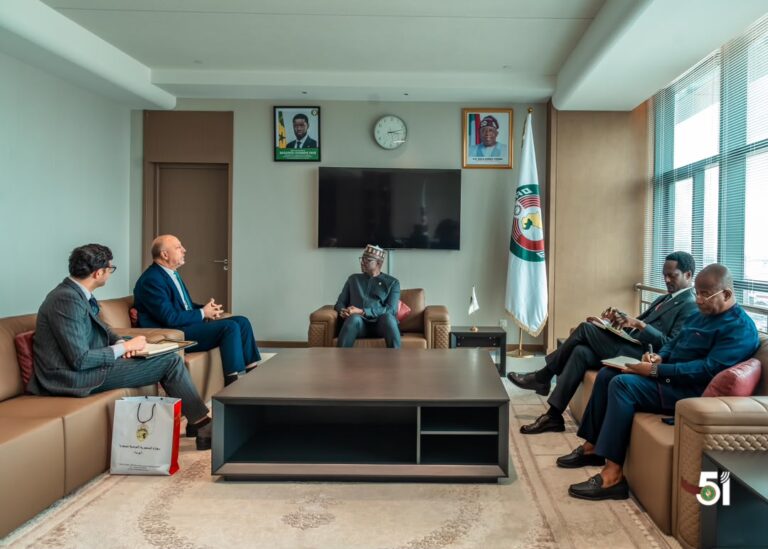
As part of its consultations with national authorities, the delegation subsequently paid a courtesy call on H.E. Dr Jorge do Livramento, Minister of Foreign Affairs, Cooperation and Regional Integration of Cabo Verde. Discussions highlighted Cabo Verde’s strong democratic credentials, the importance of sustained institutional collaboration with ECOWAS, and the Government’s continued commitment to preserving the country’s longstanding tradition of peaceful and transparent elections.
The Mission also held consultations with H.E. Ms Joana Gomes Rosa, Minister of Justice of Cabo Verde, during a meeting at the Ministry of Justice. Discussions focused on the legal and institutional frameworks supporting democratic governance, the role of justice institutions in safeguarding the rule of law during electoral processes, and the importance of ensuring that electoral disputes are addressed through transparent and credible legal mechanisms. The exchange reaffirmed Cabo Verde’s strong institutional commitment to upholding constitutional order and maintaining a stable environment conducive to peaceful elections.
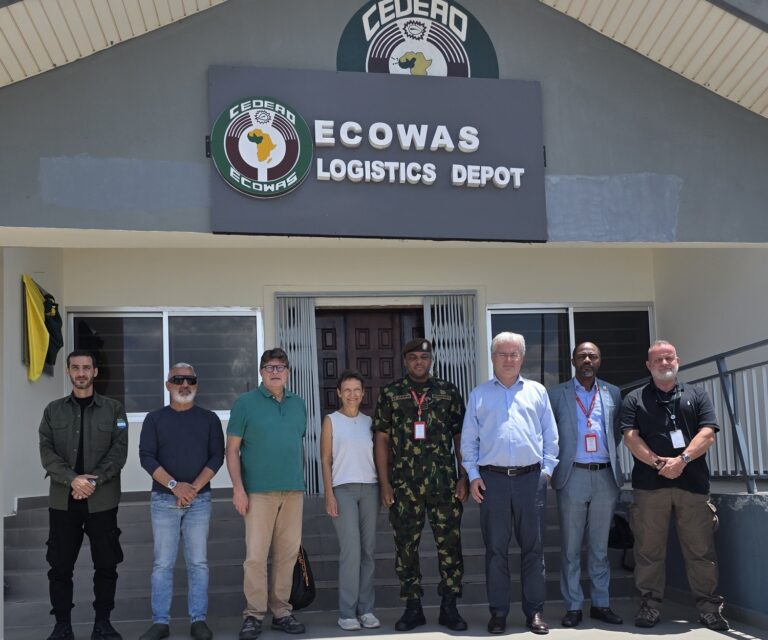
Recognising the importance of the broader stability context, the Mission also visited the Multinational Maritime Coordination Centre – Zone G, where Captain Abdoulaye Dieng, the Centre’s Coordinator, briefed the delegation on maritime security cooperation and coordination efforts aimed at strengthening stability in the Gulf of Guinea.
Central to the Mission’s mandate were consultations with Cabo Verde’s electoral management institutions. In this regard, the delegation held a meeting with Ms Maria do Rosário Gonçalves, President of the National Electoral Commission (CNE), during which discussions focused on the legal framework governing elections, electoral oversight mechanisms, and measures aimed at ensuring transparency, credibility, and public confidence throughout the electoral process.
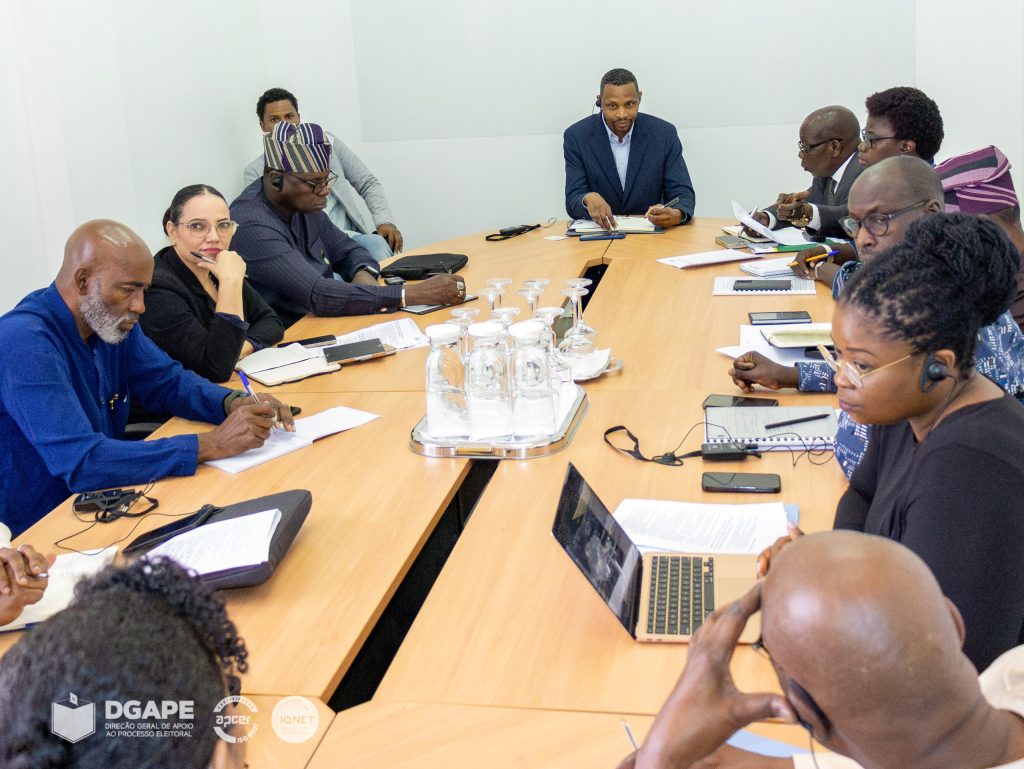
The Mission also met Mr Salif Silva, Director-General of the Directorate-General for Electoral Support (DGAPE), to review the operational and logistical preparations underway for the elections, including voter registration procedures, electoral administration and coordination mechanisms supporting the organisation of the polls.
In line with ECOWAS’ inclusive and consultative approach, the delegation engaged representatives of the country’s principal political parties. These consultations included meetings with Mr Vladimir Silves Ferreira, Secretary-General of the African Party for the Independence of Cabo Verde (PAICV); Mr Luís Filipe Tavares, Vice-President of the Movement for Democracy (MpD); Mr João Luís, representative of the Union for a Democratic and Independent Cabo Verde (UCID), who joined the consultation via virtual connection; and Mr Amândio Lopes, representative of the People’s Party (PP). These exchanges provided the Mission with important insights into the political stakeholders’ perspectives on the electoral climate, campaign dynamics and the conditions necessary to reinforce transparency, fairness and trust in the process.
Recognising the critical contribution of civic participation in democratic consolidation, the Mission also held discussions with representatives of the Platform of National Civil Society Organisations, who underscored the importance of active citizen engagement, responsible public discourse and inclusive participation in safeguarding democratic processes.
The delegation further held consultations with the Delegation of the European Union in Cabo Verde, where Mr Sacha Egard, Head of the Political, Press and Information Section, and Mr Carlos Acero Casamitjana, Programme Officer in the Cooperation Section, exchanged views with the ECOWAS Mission on international cooperation supporting democratic governance and electoral transparency. Representatives of the United Nations also joined the meeting, contributing to a broader dialogue on coordinated international support to Cabo Verde’s democratic institutions.
As part of its institutional engagements, the Mission also met H.E. Dr José Pina Delgado, President of the Constitutional Court of Cabo Verde (Tribunal Constitucional). Discussions centred on the constitutional and legal framework governing elections, including electoral litigation procedures, dispute-resolution mechanisms, and the role of the Court in safeguarding electoral integrity and upholding the rule of law throughout the electoral cycle.
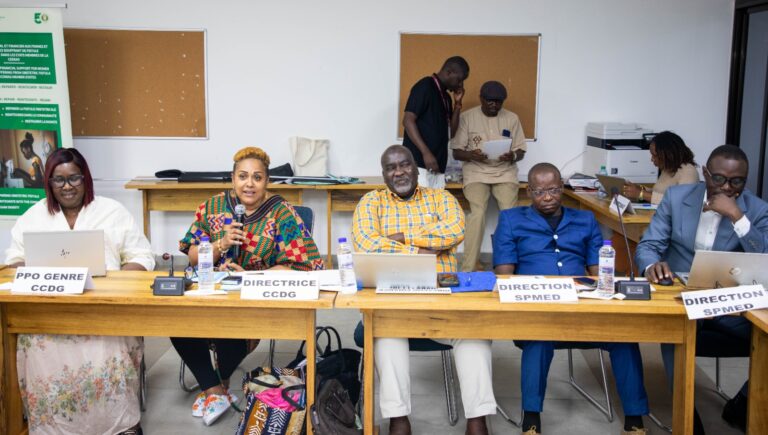
As the Mission entered its concluding phase, it held a meeting with the ECOWAS Ambassadors accredited to Cabo Verde, providing an opportunity to exchange views on the findings emerging from the consultations with national stakeholders. The delegation also conducted a follow-up consultation with the National Electoral Commission (CNE) to take stock of the key observations gathered throughout the Mission’s engagements and to consolidate the main insights arising from the consultations held with electoral institutions, political actors, civil society organisations and international partners.
Through this fact-finding exercise, ECOWAS is strengthening early dialogue, preventive engagement and stakeholder confidence — all essential foundations for peaceful elections and constitutional order. Beyond Cabo Verde, the Mission reinforces the Community’s collective commitment to democratic governance, stability and citizen trust across the ECOWAS region. The consultations contribute to identifying good practices, potential areas requiring attention and opportunities for enhanced cooperation, with the overall objective of supporting an enabling environment for peaceful, transparent and credible elections, in line with the ECOWAS Supplementary Protocol on Democracy and Good Governance.
Discover how ECOWAS is transforming communities, economies and the lives of West African citizens — one story at a time.