Initializing...
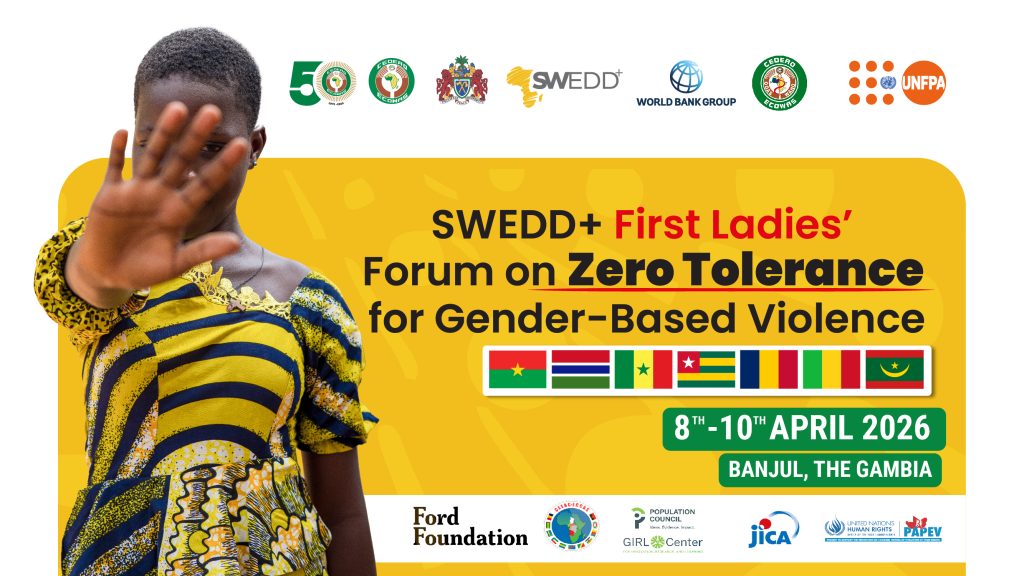
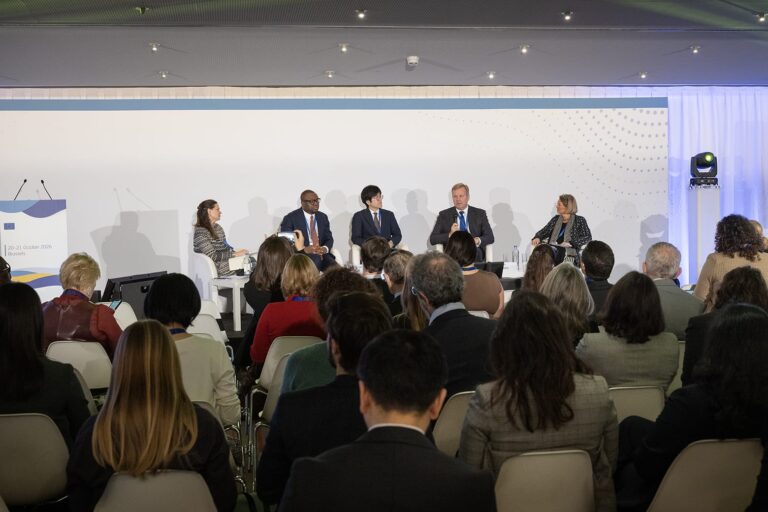
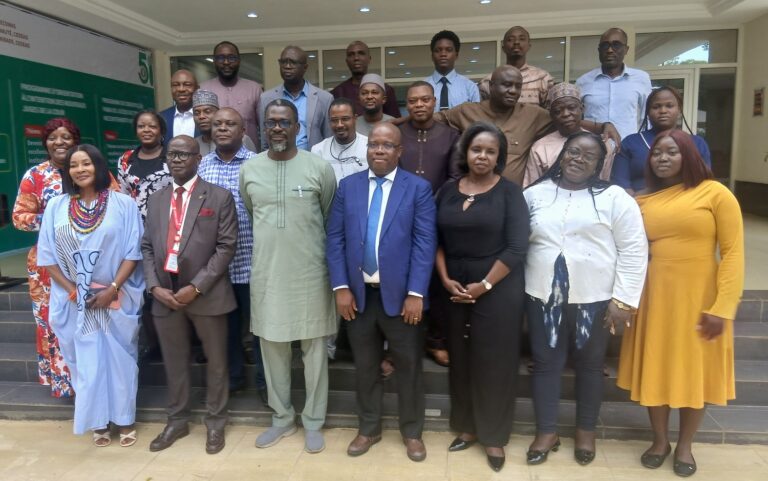
In a landmark demonstration of regional leadership and collective resolve, the First Ladies of SWEDD+ countries will, under the auspices of the First Lady of the Gambia convene in Banjul from April 8 to 10, 2026, for a high-level Forum dedicated to advancing Zero Tolerance for Gender-Based Violence (GBV) across West and Central Africa.
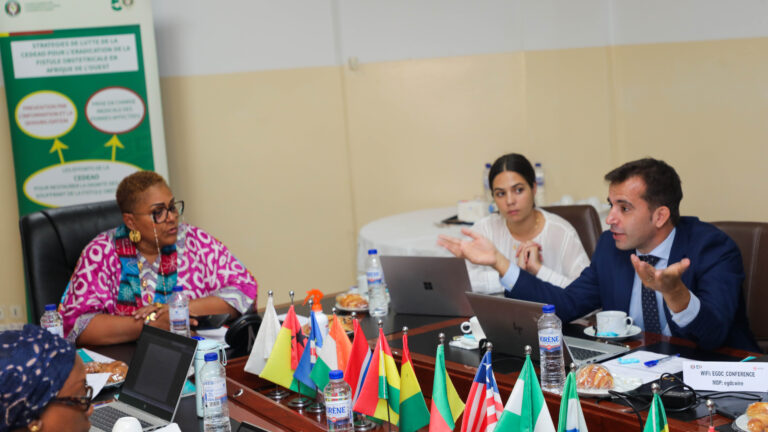
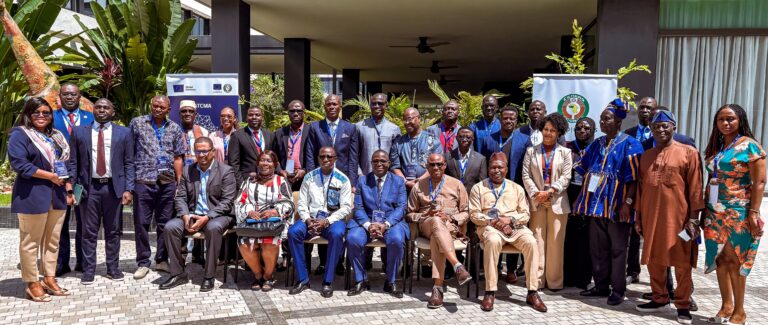
The Forum is co-organised by the Government of The Gambia and the Economic Community of West African States (ECOWAS), in close collaboration with key partners including UNFPA, the World Bank, ECCAS, and SWEDD+ countries. This co-leadership underscores the growing recognition that ending GBV requires not only national commitment, but strong and coordinated regional action.
At a time when violence against women and girls continues to undermine human rights, public health, and development outcomes, the Banjul Forum represents more than a convening—it is a decisive step toward aligning political leadership, regional institutions, and community action behind a shared agenda.
Across West and Central Africa, millions of women and girls continue to face violence in its many forms, from domestic abuse and sexual violence to harmful practices such as child marriage and female genital mutilation. Addressing these challenges requires sustained leadership at the highest levels—leadership that the First Ladies of SWEDD+ countries have increasingly embodied by championing reforms and mobilising national and regional attention.
The Forum builds on the momentum of the SWEDD+ initiative, a $365 million World Bank-supported regional programme implemented across The Gambia, Burkina Faso, Chad, Mali, Mauritania, Senegal, and Togo. Through its integrated approach, SWEDD+ seeks to strengthen legal frameworks, expand access to essential services for survivors, and promote positive social norms that protect and empower women and girls.
At the heart of this effort is ECOWAS, whose role extends far beyond that of a partner to that of a central driving force. As co-organiser of the Forum, ECOWAS is providing strategic leadership, ensuring that the outcomes of the meeting are anchored in regional priorities and translated into coordinated actions across member states.
Through its specialised institutions and Agencies—including the Department of Human Development and Social Affairs (DHDSA), ECOWAS Gender Development Center and the West African Health Organisation (WAHO)—ECOWAS plays a pivotal role in shaping policy dialogue, strengthening institutional responses, and supporting the harmonisation of legal frameworks on GBV across the region.
. By convening governments, facilitating peer learning, and coordinating with partners such as UNFPA, the World Bank, and ECCAS, it ensures that regional commitments are translated into tangible improvements in national protection systems, health services, and access to justice for survivors.
The Banjul Forum reflects this central role. It is designed not only to elevate the issue of GBV but to deliver concrete and coordinated outcomes at regional scale. Over the course of three days, participants are expected to adopt a Regional Roadmap on Zero Tolerance for GBV, launch a First Ladies Alliance Against GBV, and endorse a Joint Declaration reaffirming collective commitments to prevention, protection, and accountability.
‘As Banjul hosts this historic gathering, the message is unmistakable: ending gender-based violence requires unity of purpose, strength of leadership, and sustained regional coordination. With ECOWAS at the center of this effort—co-organising, convening, and driving implementation—the Forum marks a decisive step toward making Zero Tolerance for GBV a reality across West and Central Africa’ says Prof. Fatou SOW SARR, ECOWAS Commissioner Human Development and Social Affairs. These outcomes are intended to strengthen alignment across countries and accelerate the transition from policy commitments to real, measurable impact in communities—an objective that lies at the core of ECOWAS’ regional mandate.
The Forum will also spotlight the “Together for Her” campaign, a regional social mobilisation initiative that calls on communities, leaders, and institutions to challenge harmful norms and support survivors. By promoting behavioural change alongside legal reform, the campaign reinforces the comprehensive approach championed by both SWEDD+ and ECOWAS.
Discover how ECOWAS is transforming communities, economies and the lives of West African citizens — one story at a time.