Initializing...
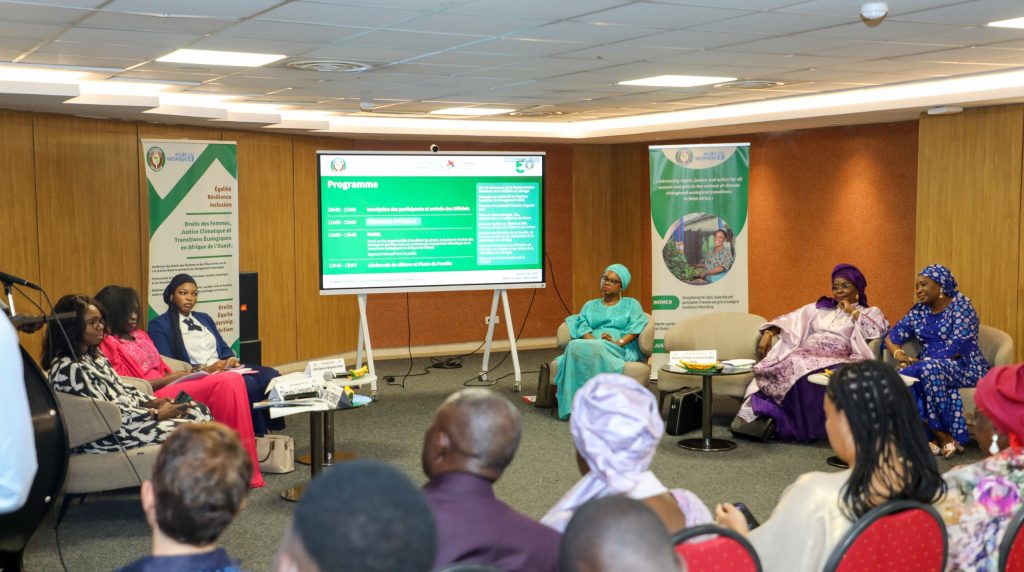
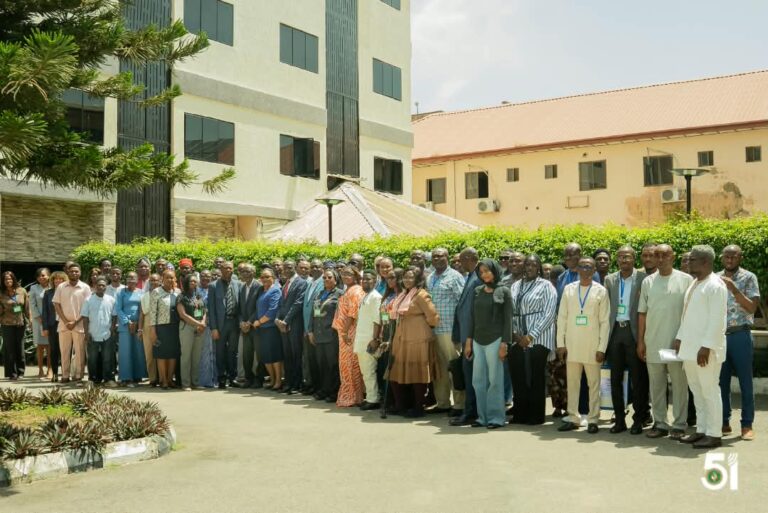
The ECOWAS Gender Development Center (EGDC), in collaboration with the UN Women Office for West and Central Africa (WCARO), celebrated International Women’s Day (IWD) on March 5, 2026, in Dakar, Senegal, with the theme “Advancing rights, justice, and action for all women and girls in the context of climate change and ecological transitions in West Africa.”
The overall objective of this celebration was to highlight the important role that women in the ECOWAS region play in their communities and to continue advocating for the respect of their rights and their access to economic, social, and political opportunities.
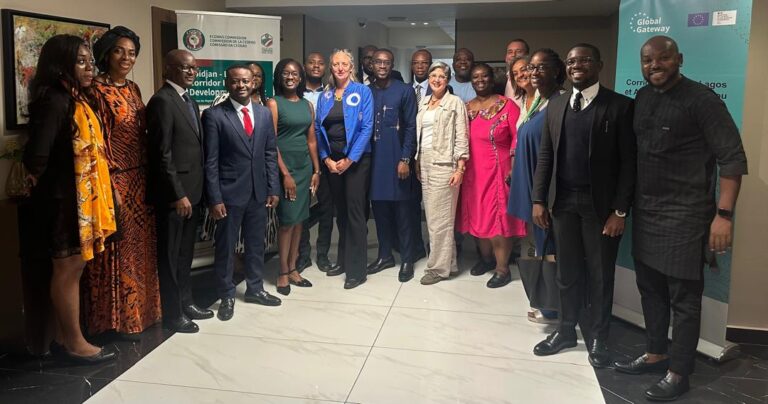
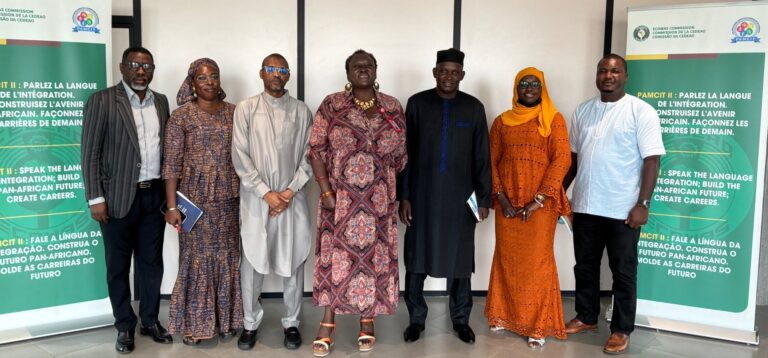
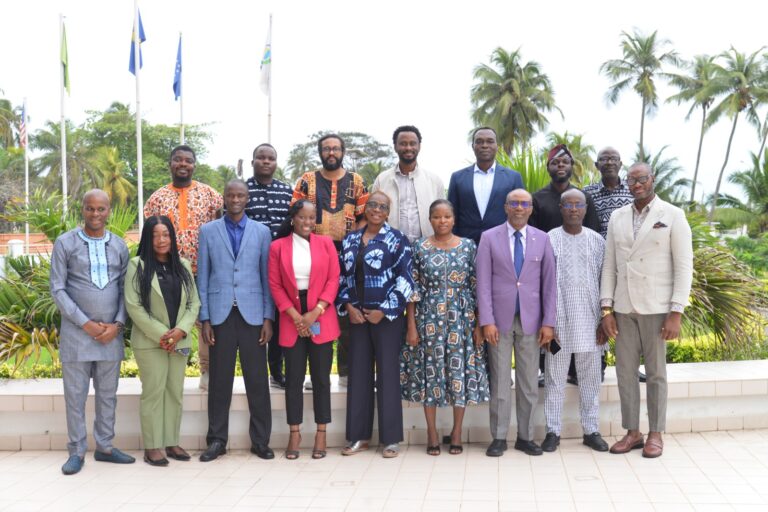
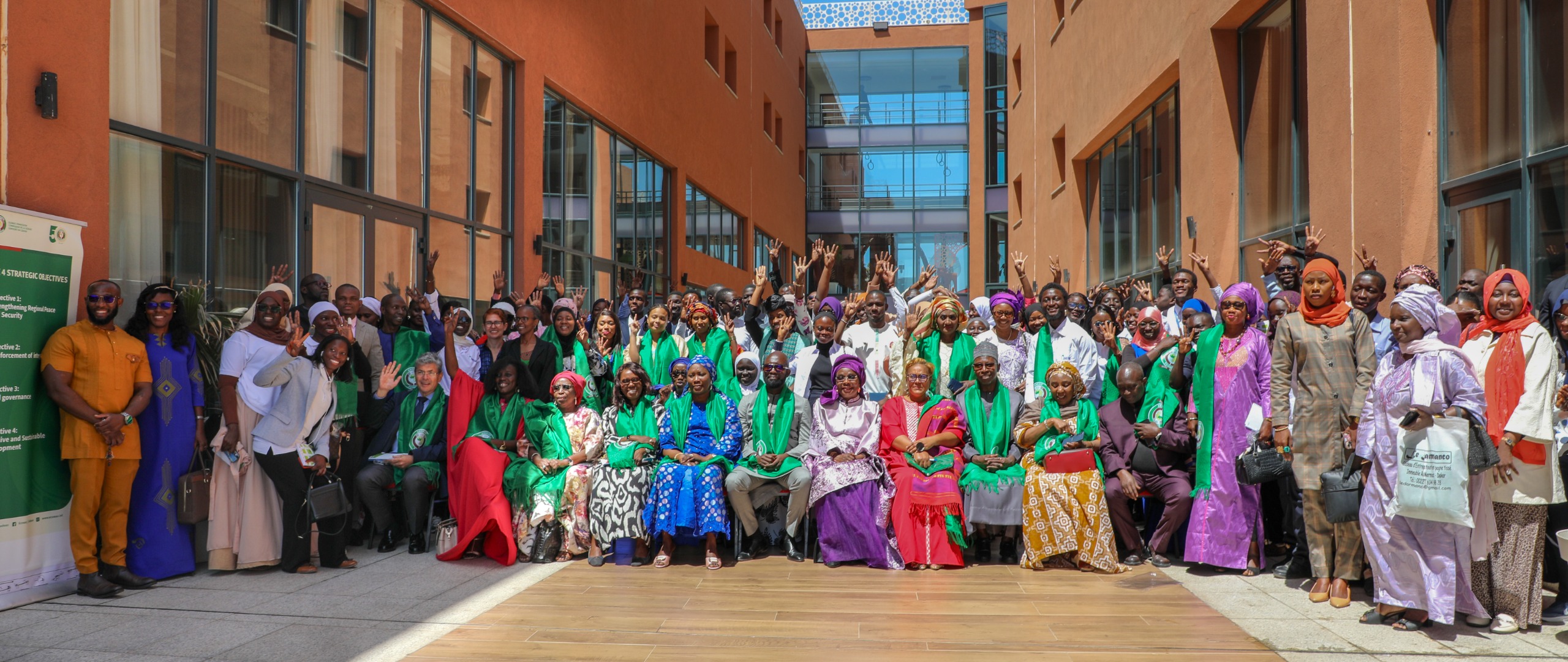
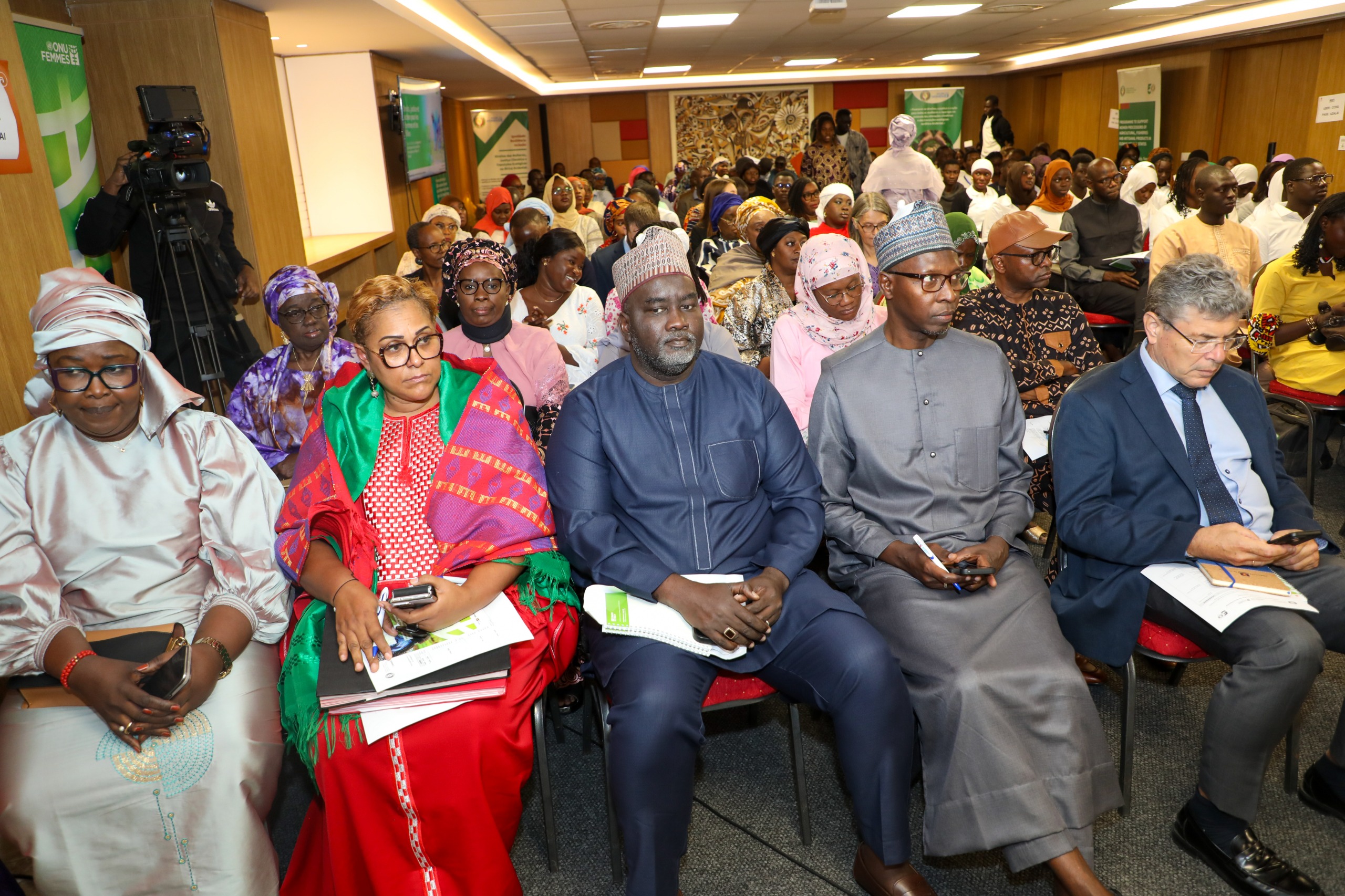
The celebration was attended by the ECOWAS Commissioner for Human Development and Social Affairs, Prof. Fatou SOW SARR, the ECOWAS Resident Representative in the Republic of Senegal, H.E. Madame Zelma Nobre FASSINOU, a delegation from the Intergovernmental Action Group against Money Laundering (GIABA), the Norwegian Ambassador to the Republic of Senegal, and representatives of the Senegalese government, including the Ministry of Petroleum, Energy, and Mines, and the Ministry of Family, Social Action, and Solidarity
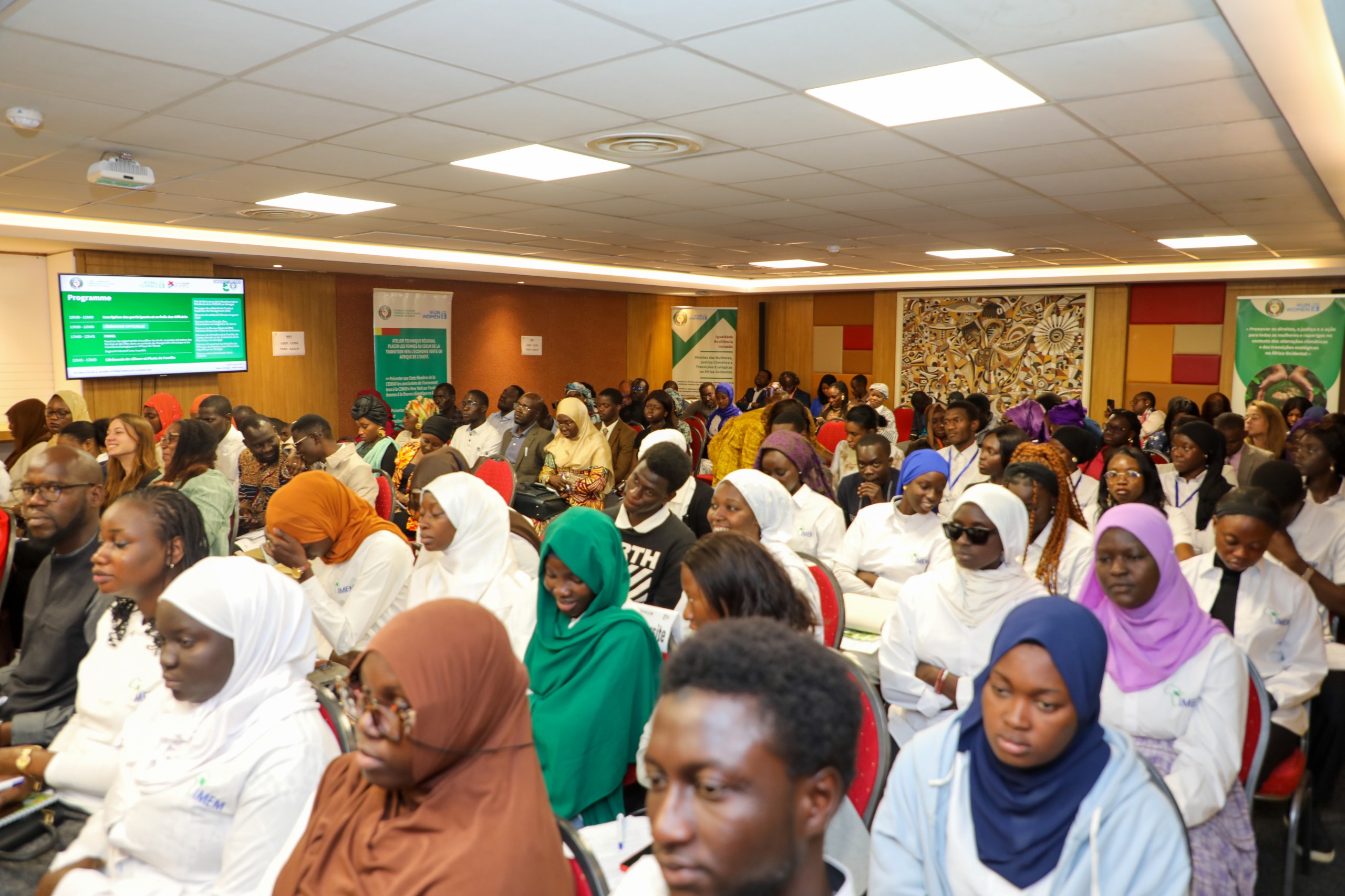
Several technical partners, experts, civil society organizations, universities, and research institutes working in the field of gender and climate change also took part in the celebration, including the UN Women Regional Office for West and Central Africa, the NGO Vacances Vertes, the Institute of Environmental and Meteorological Professions (IMEM), ISM, and the Higher Institute for the Environment (ISE).
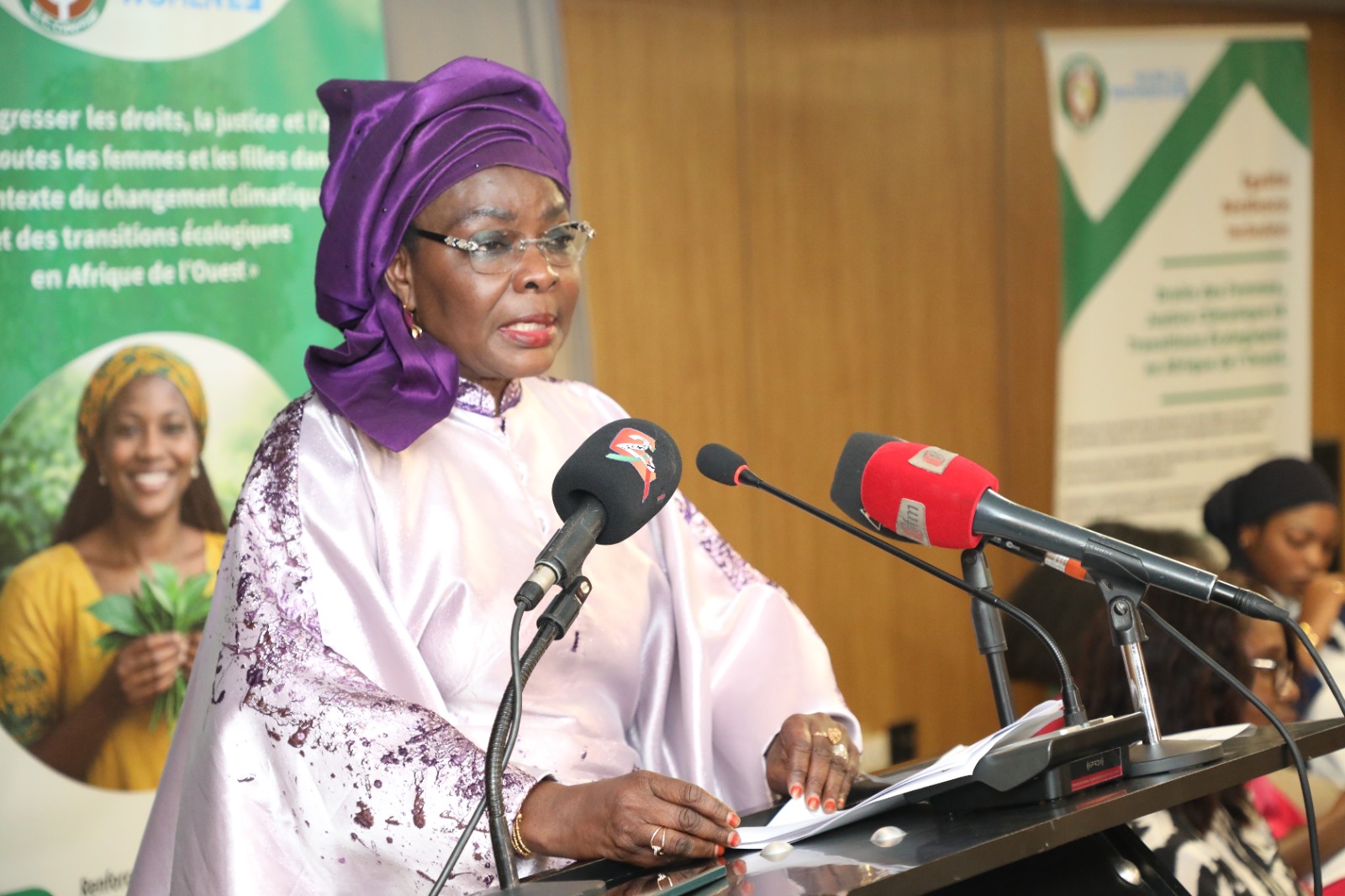
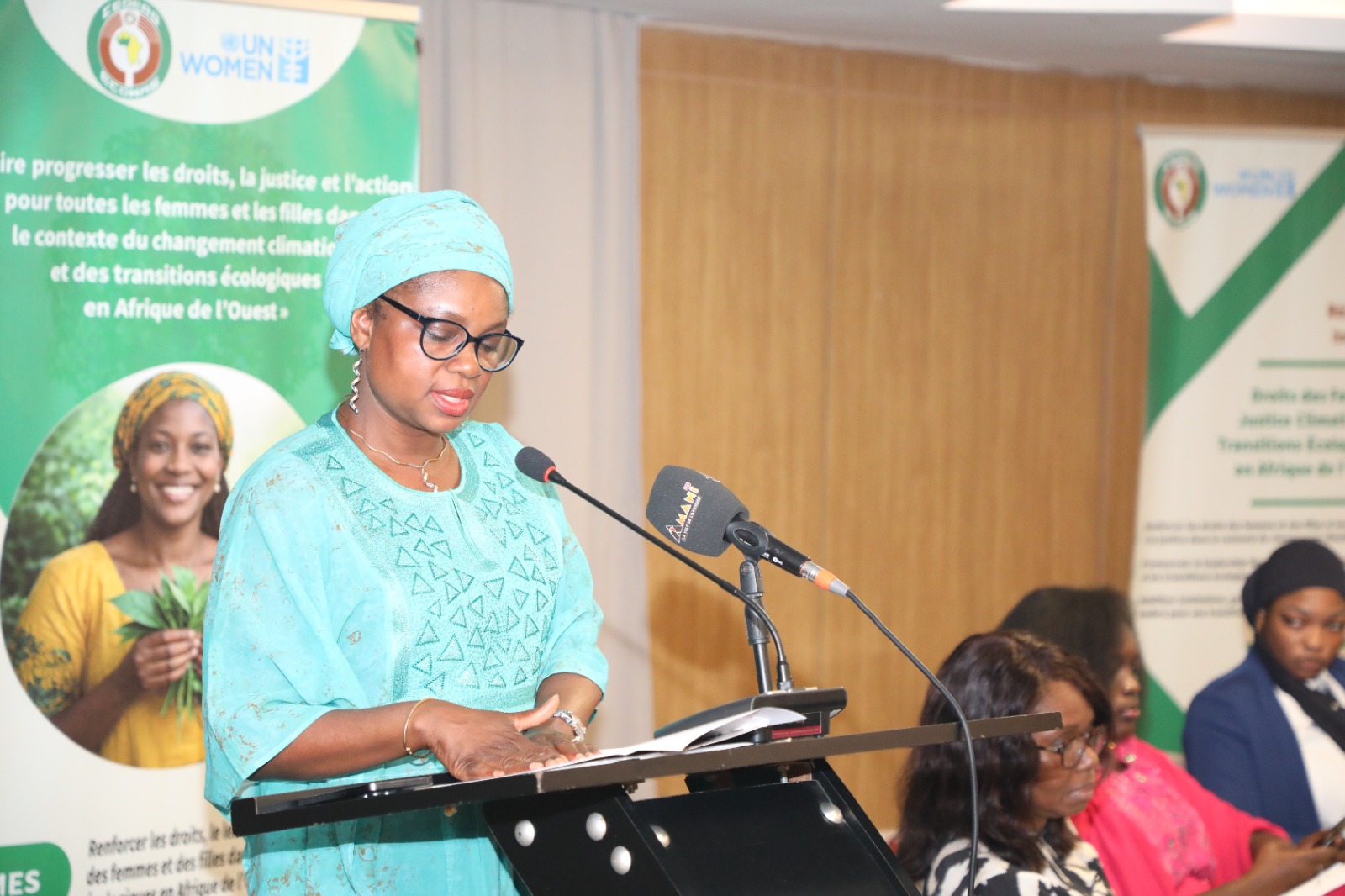
In her welcome address, H.E. Madame Zelma Nobre FASSINOU, ECOWAS Resident Representative in the Republic of Senegal, emphasized that this year’s theme highlights the urgent need for action in a context where gender gains are being undermined. It offers a new opportunity to strengthen dialogue between the various stakeholders, identify obstacles to women’s leadership, and consolidate the partnerships that are essential for a just and inclusive ecological transition.
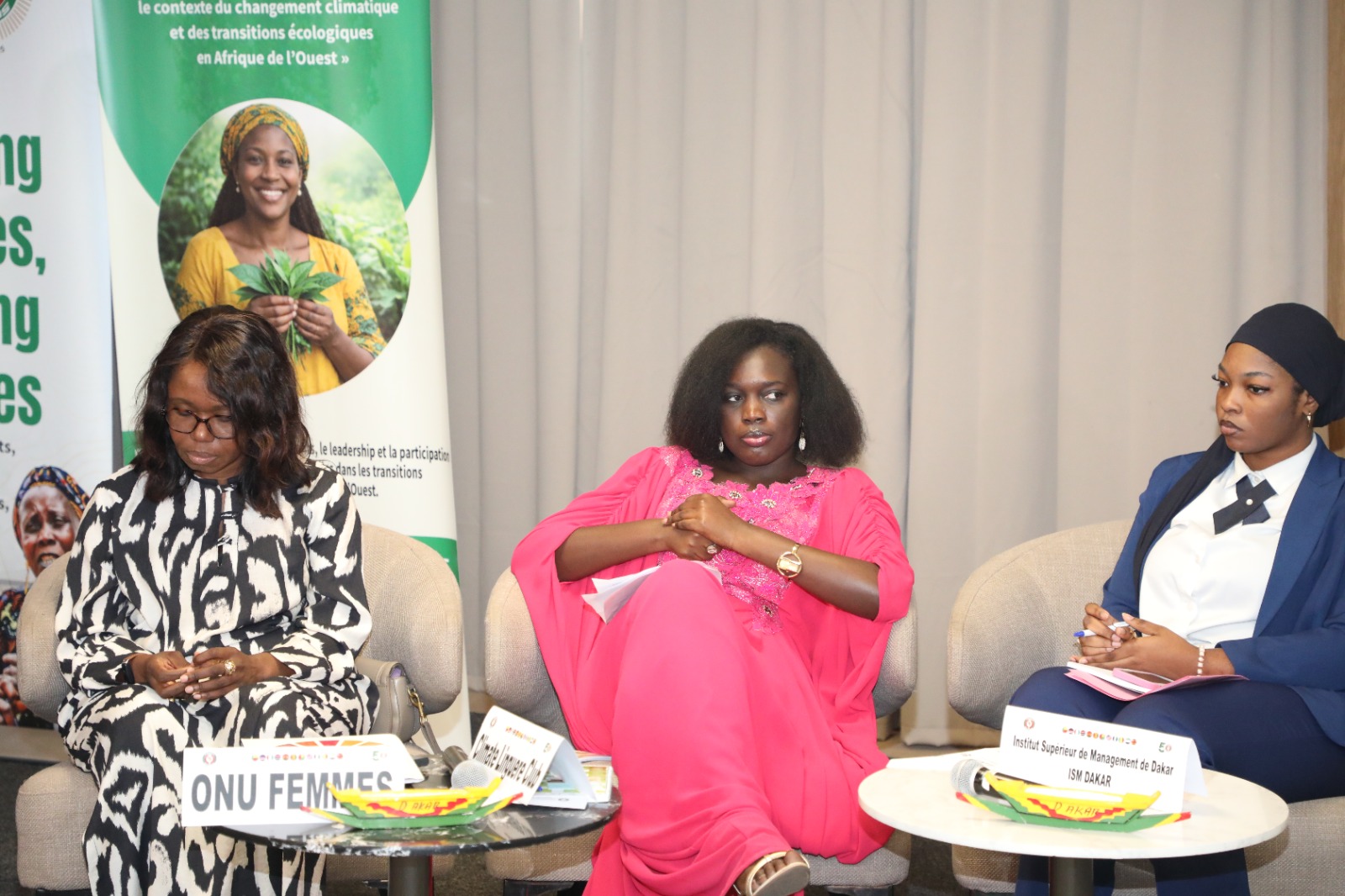
An initial message of solidarity delivered by the ISM student representative emphasized that climate justice is not limited to reducing emissions but also requires states to implement appropriate measures to ensure greater justice for women and girls. Thus, “a just ecological transition cannot be achieved today without truly taking into account the challenges faced by women and girls in the face of the effects of climate change,” she said.
The President of the Climate Linguere Club SME delivered the second message of solidarity, in which she noted that this year’s theme resonates strongly with the realities of Africa because the effects of climate change are impacting African societies and exacerbating inequalities. However, observations in the field show strong momentum and the existence of local expertise developed by women, which can be decisive in the ecological transition and transformation of territories, hence the need to support them.
The Deputy Regional Director of UN Women for West and Central Africa stated that the effects of climate change are not gender neutral and have a strong impact on the quality of life of economically vulnerable women. Therefore, advocating for fair rights means that climate policies must be designed and implemented in an inclusive manner. This requires “a prior and necessary commitment from all to make climate change a lever for rights, justice, and equality for all women in the region,” she emphasized.
The Director of Gender Equality and Equity, representing the Minister of Family, Social Action, and Solidarity of Senegal, noted that women are not only victims of climate change, but also key players capable of delivering innovative and sustainable solutions in their capacity as guardians of endogenous knowledge. This is why the State of Senegal, in addition to national initiatives to promote their know-how and expertise, is also aligning itself with regional actions such as the Regional Action Plan for Women’s Empowerment and Leadership in the Green Economy and Climate Action.
Prof. Fatou SOW SARR, Commissioner for Human Development and Social Affairs of the ECOWAS Commission, mentioned that this year’s theme calls for action to dismantle structural barriers to equitable justice, such as discriminatory laws, inadequate legal protections, and harmful social practices and norms that erode the rights of women and girls. “I would like to assure you of ECOWAS’ firm commitment to work harder and further accelerate the promotion of gender equality, particularly access to rights, justice, and action for all women and girls in the context of climate change and ecological transitions for the benefit of the West African community,” she concluded.
The representative of the Minister of Energy, Petroleum, and Mines noted that today’s celebration is a testament to the community’s ongoing commitment to gender equality, which cannot be an abstract goal: it calls for action, policies, and collective mobilization that are more necessary than ever for the true inclusion of women and girls. Everyone must therefore join forces to create an environment conducive to women’s leadership and empowerment in the face of the effects of climate change.
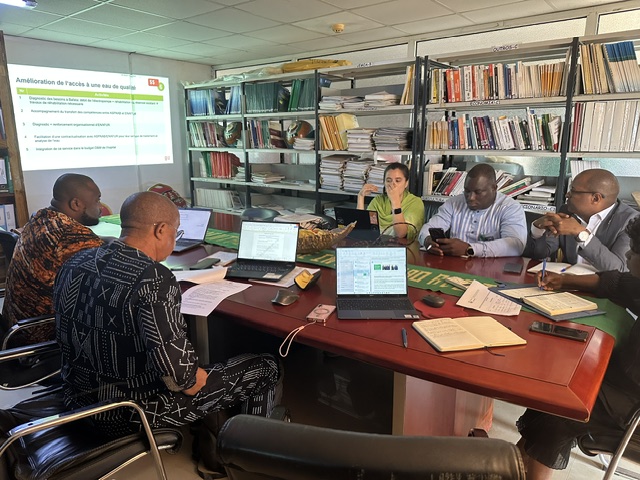
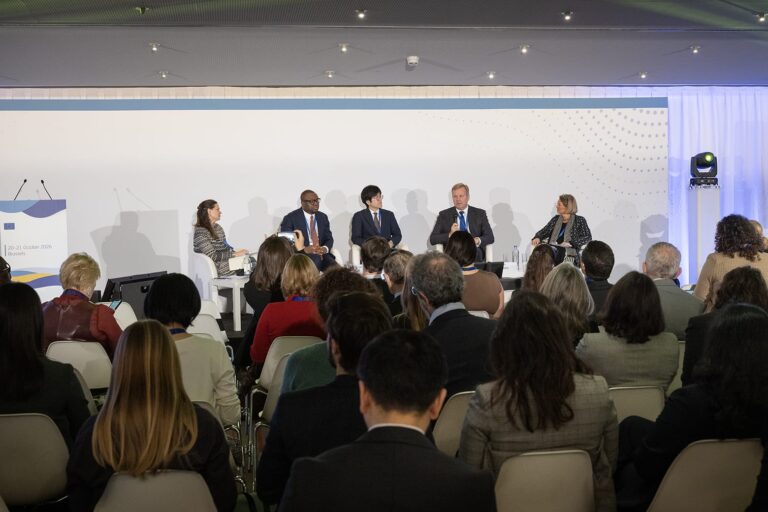
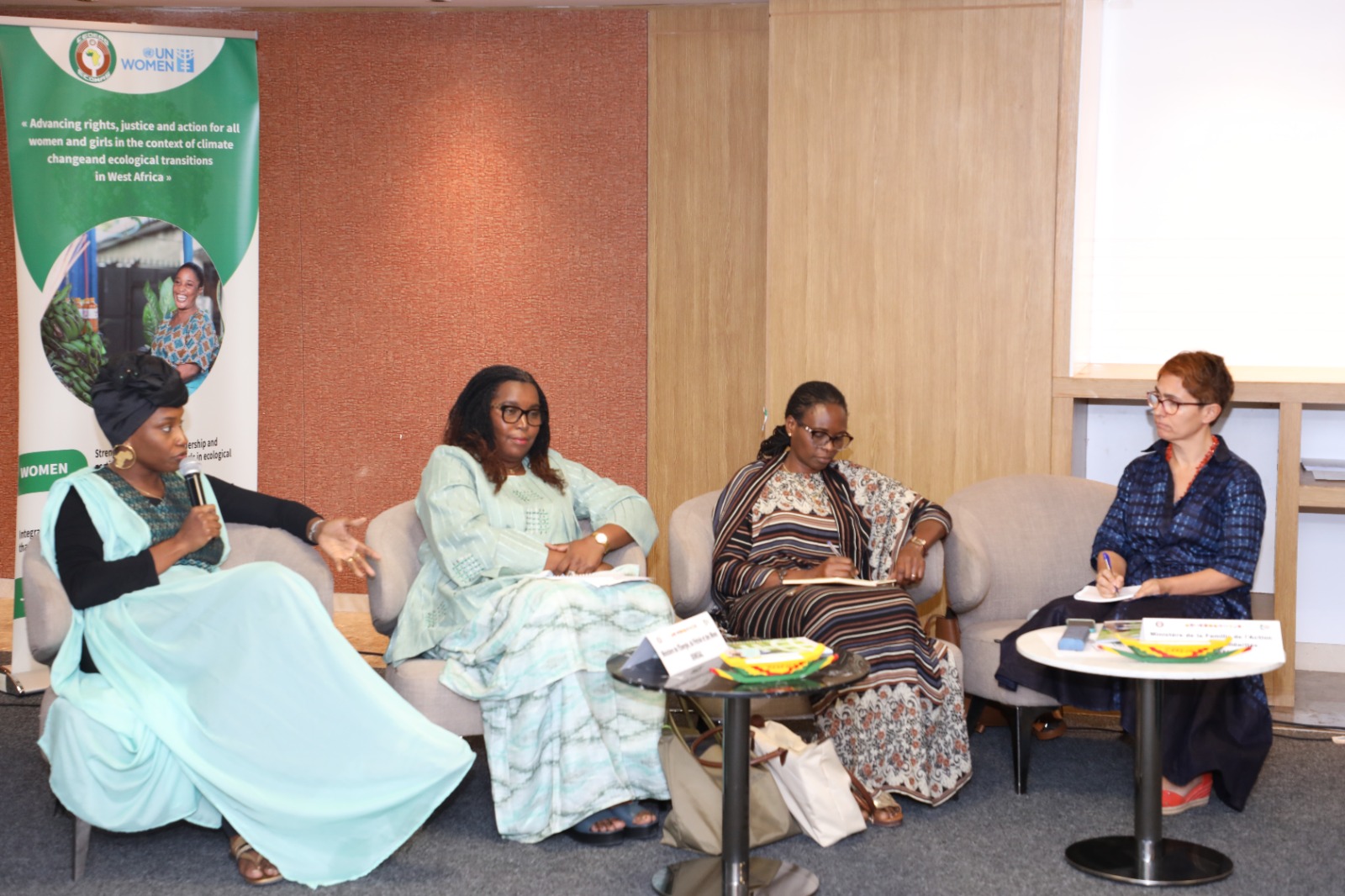
The celebration also featured a panel discussion on opportunities to accelerate the rights, justice, and action of women and girls in the context of climate change and ecological transitions in West Africa. The various presentations highlighted the need for collective action to ensure inclusive and transformative justice for women and girls engaged in climate issues and ecological transitions in West Africa.
As a reminder, the EGDC/UN Women partnership on gender and climate change will begin in 2022 as part of the implementation of phase II of UN Women’s regional project “Gender and the Green Economy in West and Central Africa.” This partnership has led to the creation of a permanent framework for the exchange of experiences and good practices in the form of a Community of Practice, which continues the political dialogue initiated in 2022 with ECOWAS member states, regional institutions, research institutes, and all other actors involved in the implementation of the ECOWAS Action Plan on Gender and the Green Economy, with a focus on opportunities for women’s participation in green jobs and green finance.
Discover how ECOWAS is transforming communities, economies and the lives of West African citizens — one story at a time.