Initializing...
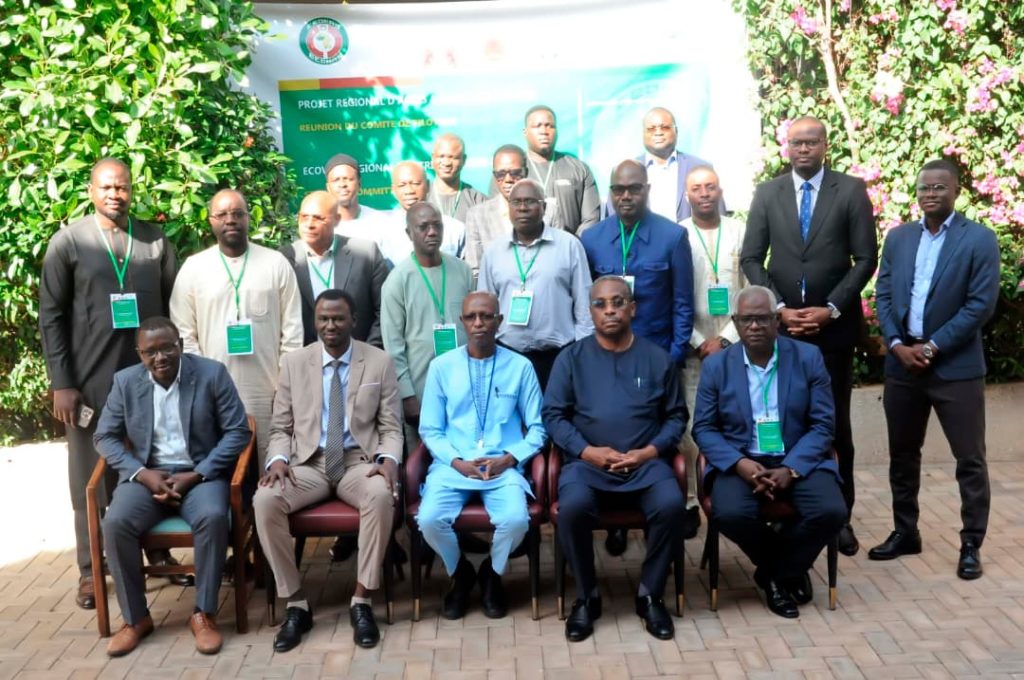
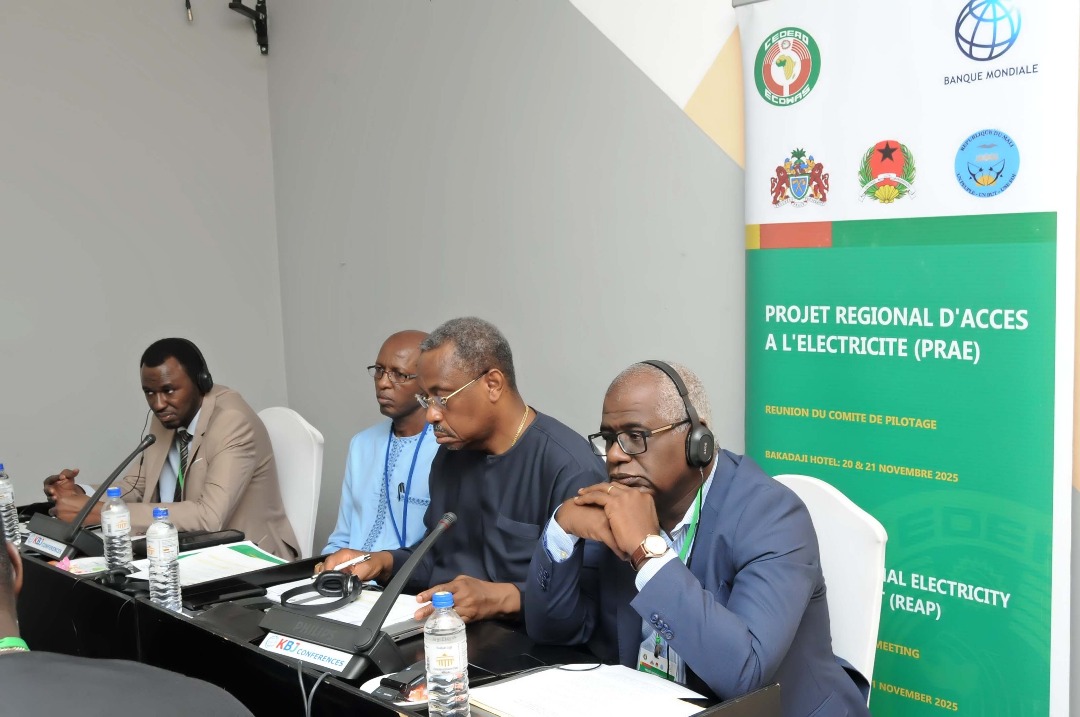
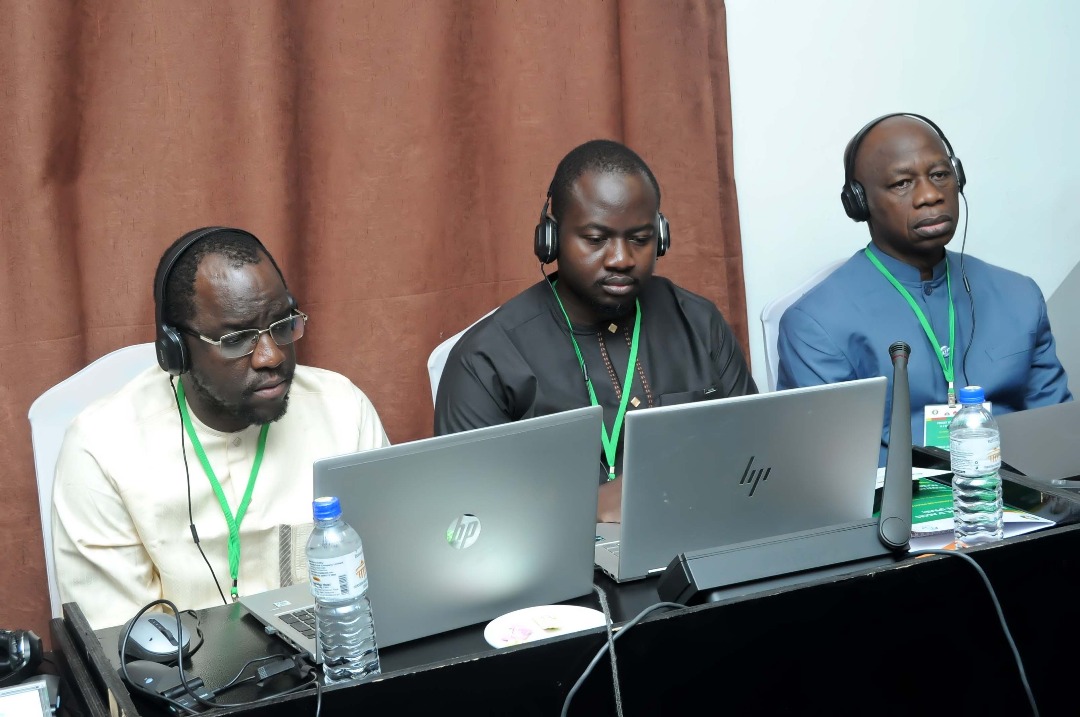
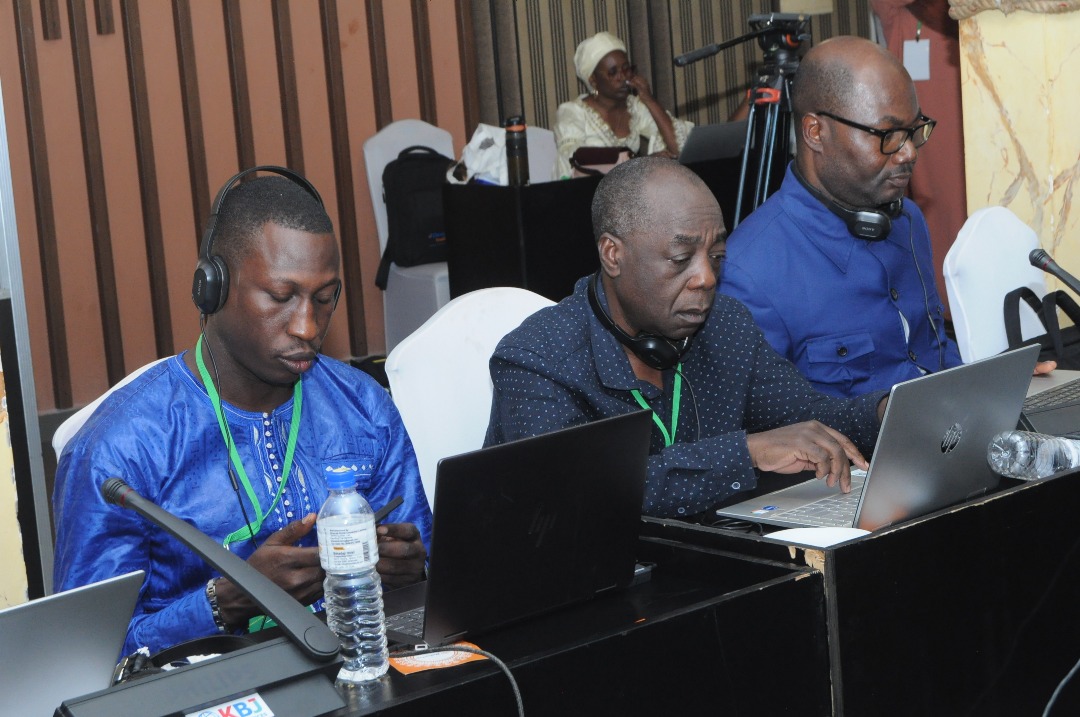
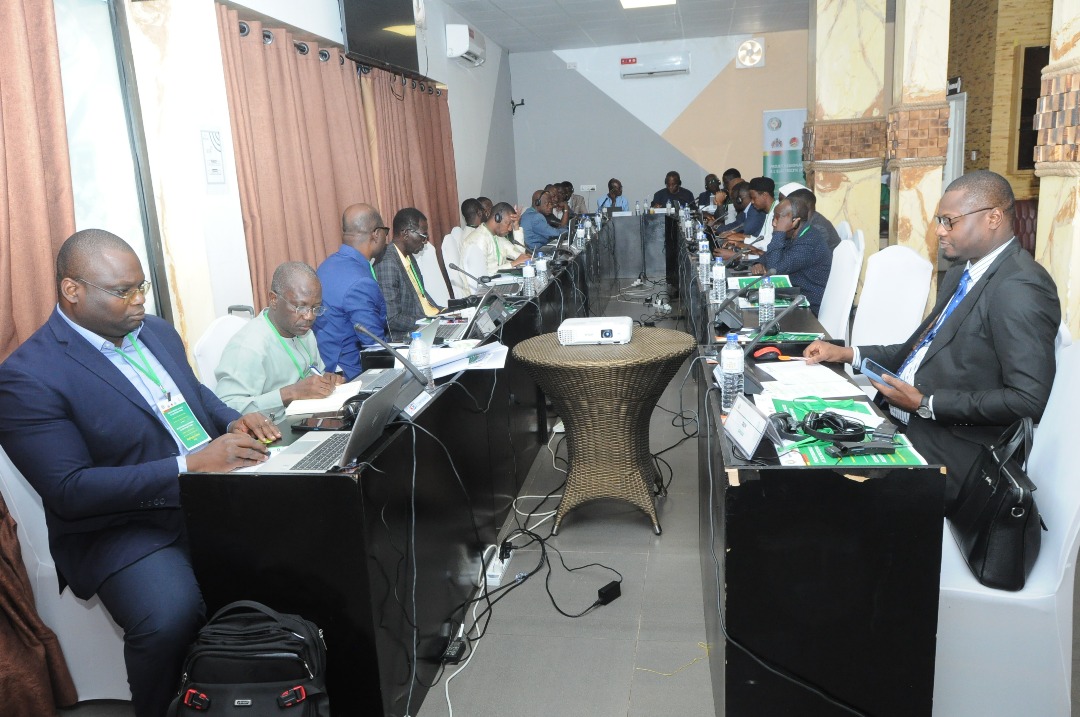
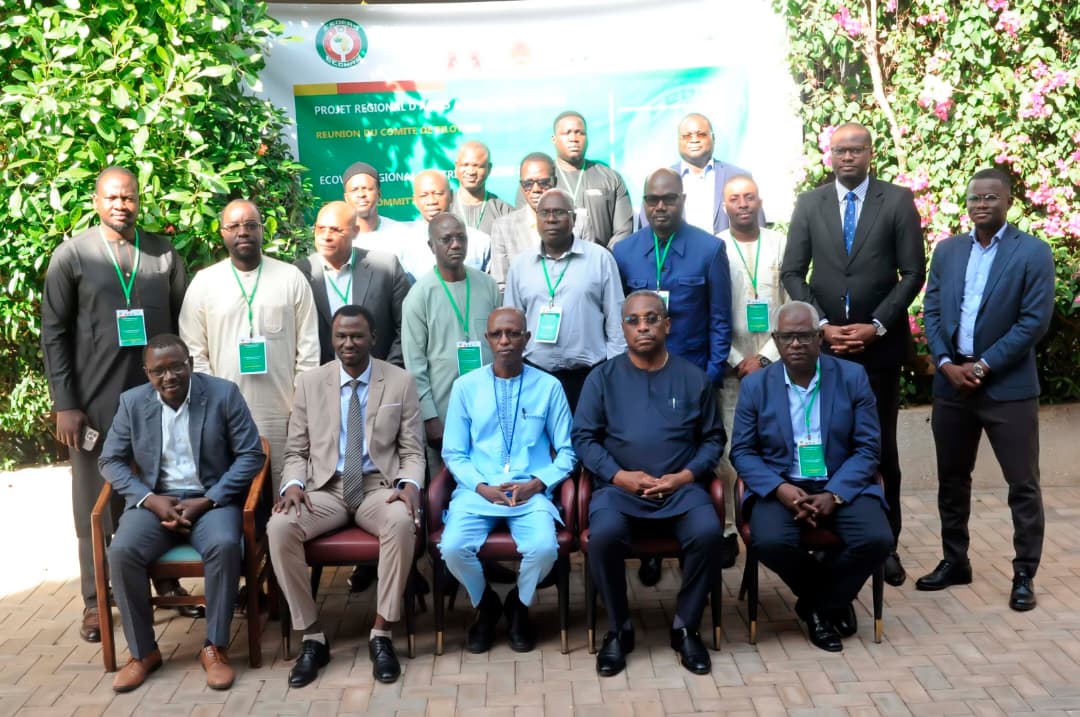
The 8th meeting of the Steering Committee of the ECOWAS Regional Electricity Access Project (REAP) was held on 20th and 21st November 2025 in Banjul, The Gambia. The Steering Committee constitutes a key governance mechanism for the project to review progress, discuss implementation challenges, issue strategic orientations, and strengthen coordination among all teams involved in the project.
Chaired by Mr. William Baidoe, ECOWAS Acting Director of Energy and Mines, the meeting witness the presence of the Managing Director of NAWEC (The Gambia), the Director General of EAGB (Guinea Bissau), the National Director of Energy of Mali, the Director of Energy of the Gambia and the Director of Energy of Guinea Bissau as well other Members of Steering Committee, the Coordinators and Members of the Regional Coordination Unit (RCU) and the Project Implementation Units (PIUs).
The Steering Committee emphasized the importance of resolving the remaining implementation challenges in order to consolidate the progress made across all beneficiary countries. Recommendations were made to address issues identified and the 2026 annual work plan and budget of the RCU and PIUs was adopted. The Steering Committee also stress the need for each Units to strengthen efforts in monitoring contractors for the completion of remaining works in 2026.
To date, the execution rate has reached 94,8% in the Gambia, 84% in Guinea Bissau and 36,4% in Mali. Electrification infrastructures have been commissioned in 93 localities in the Gambia and 44 localities in Guinea Bissau in October 2025.
The ECOWAS Regional Electricity Project (REAP) is the first phase of a series of projects concluded with the World Bank to increase electricity access in the region. With an amount of USD 225 million, the project covers three countries (The Gambia, Guinea Bissau and Mali). It will allow the electrification of 675 Localities (395 in the Gambia, 66 in Guinea Bissau and 214 in Mali) and 147,000 new electricity connection
Discover how ECOWAS is transforming communities, economies and the lives of West African citizens — one story at a time.