Initializing...
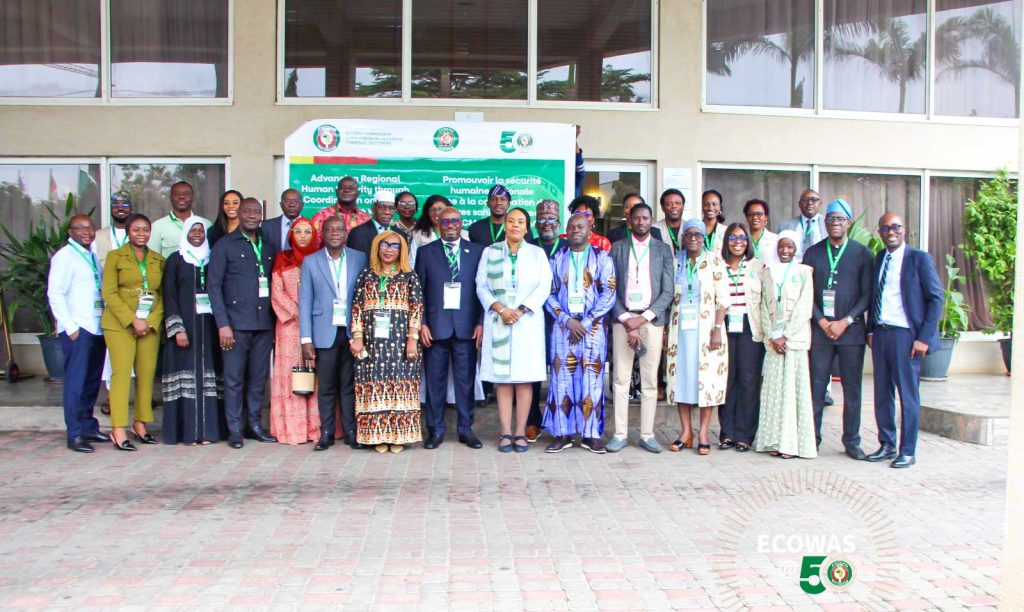
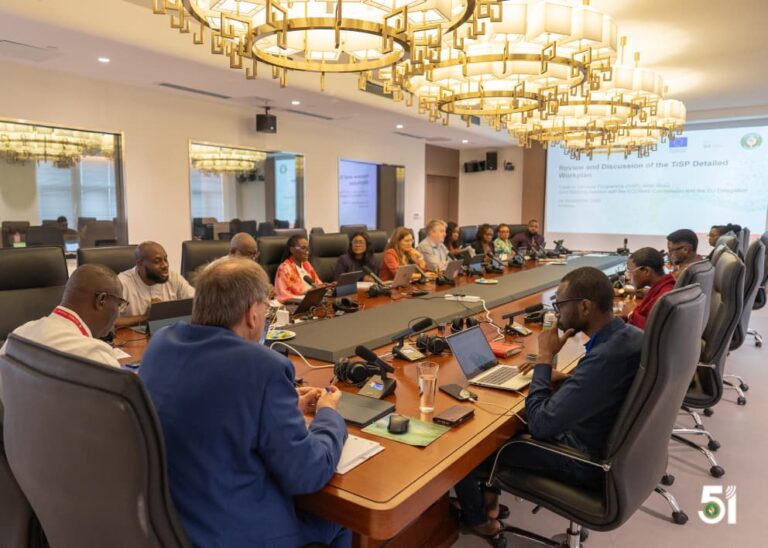
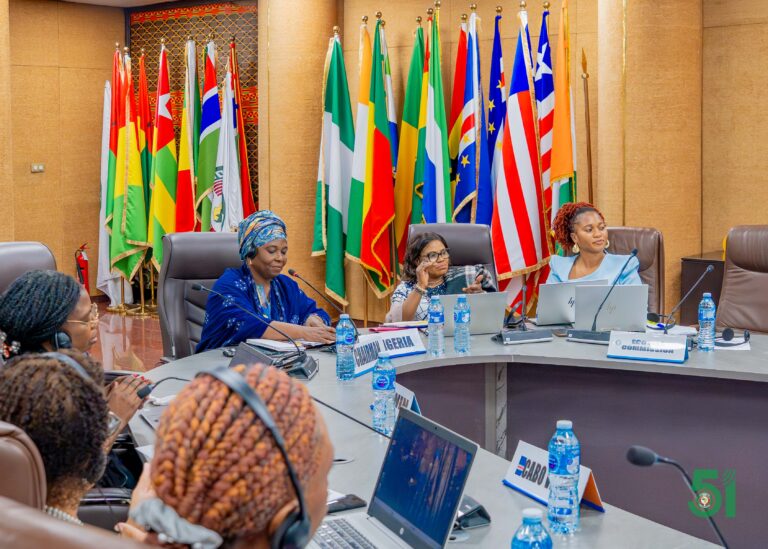
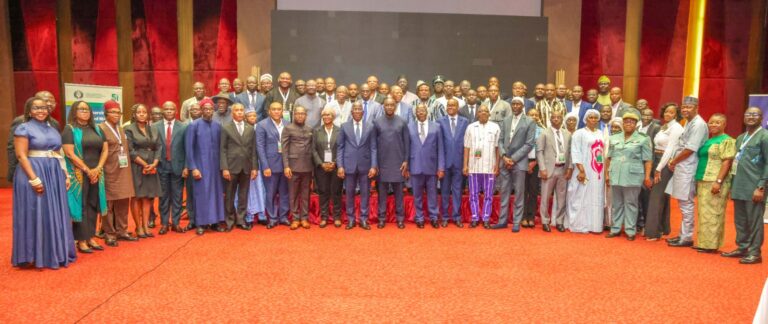
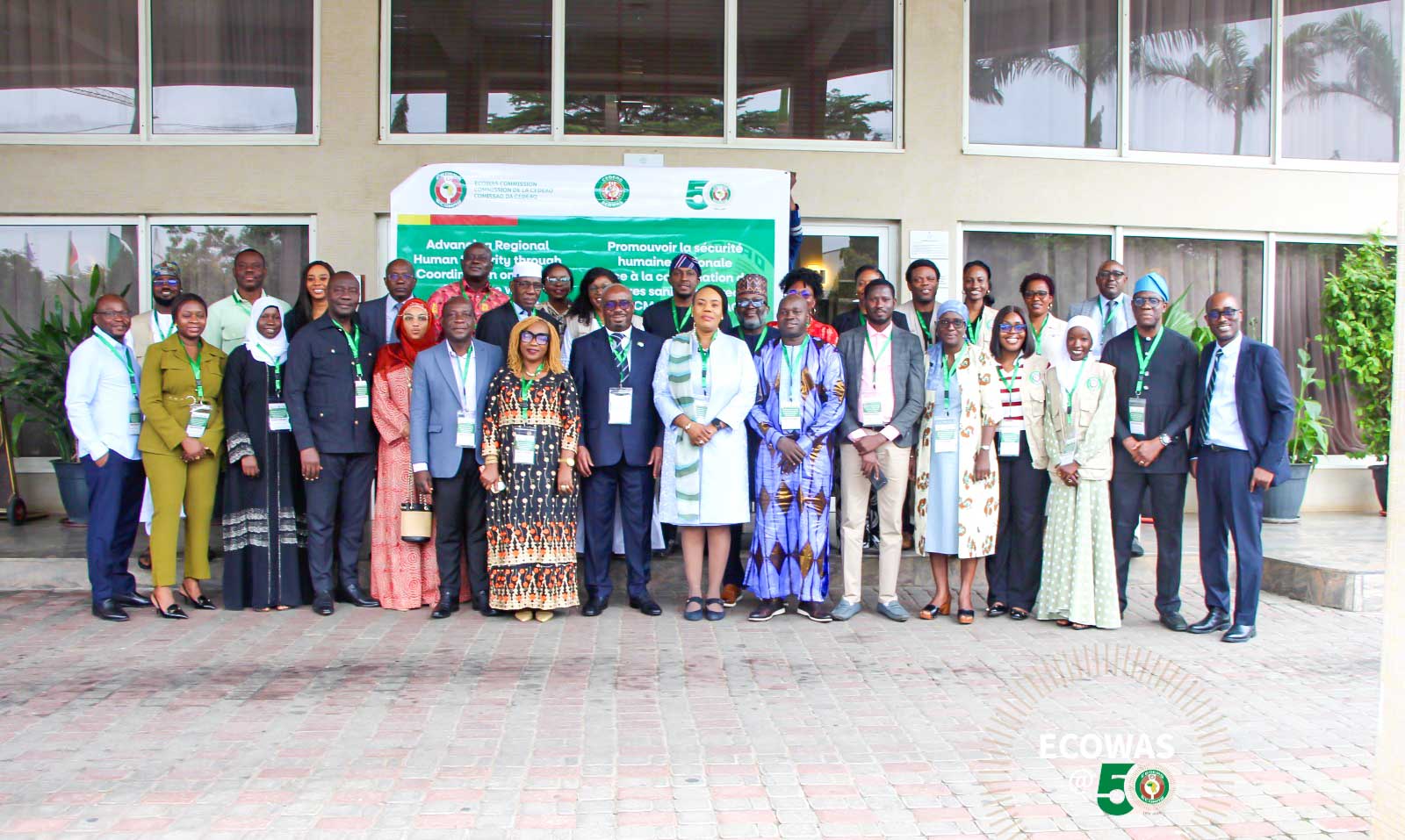
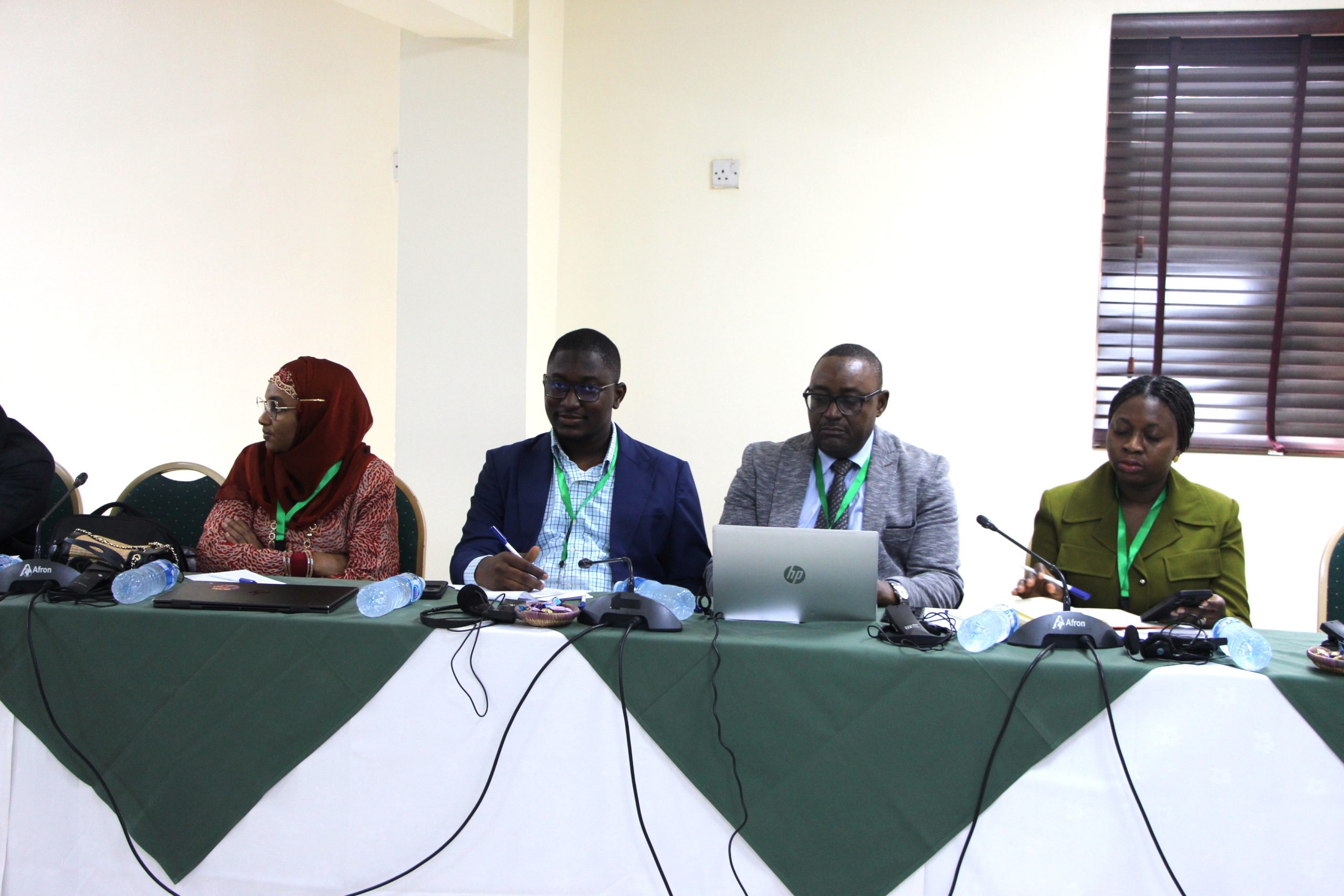
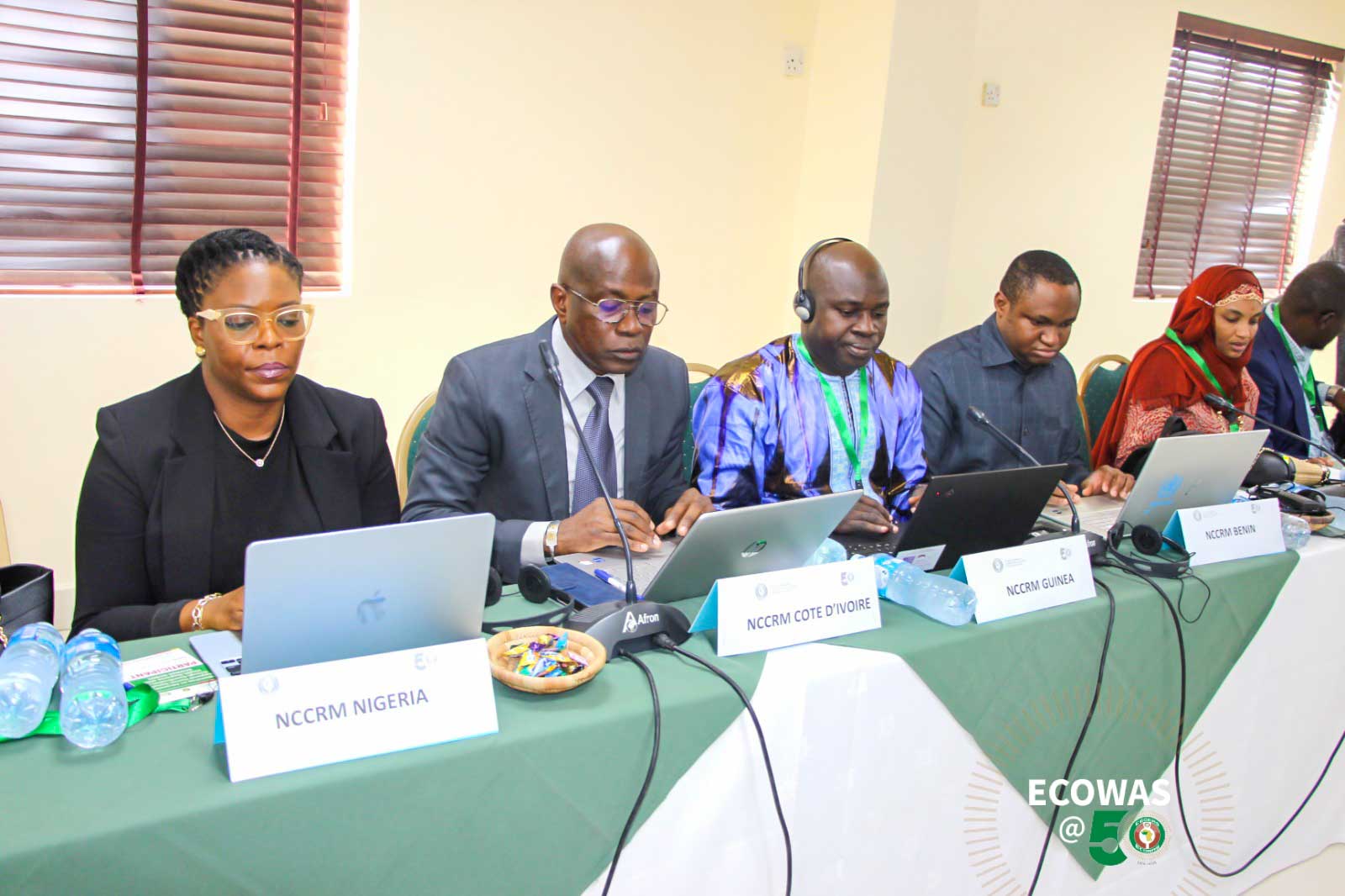
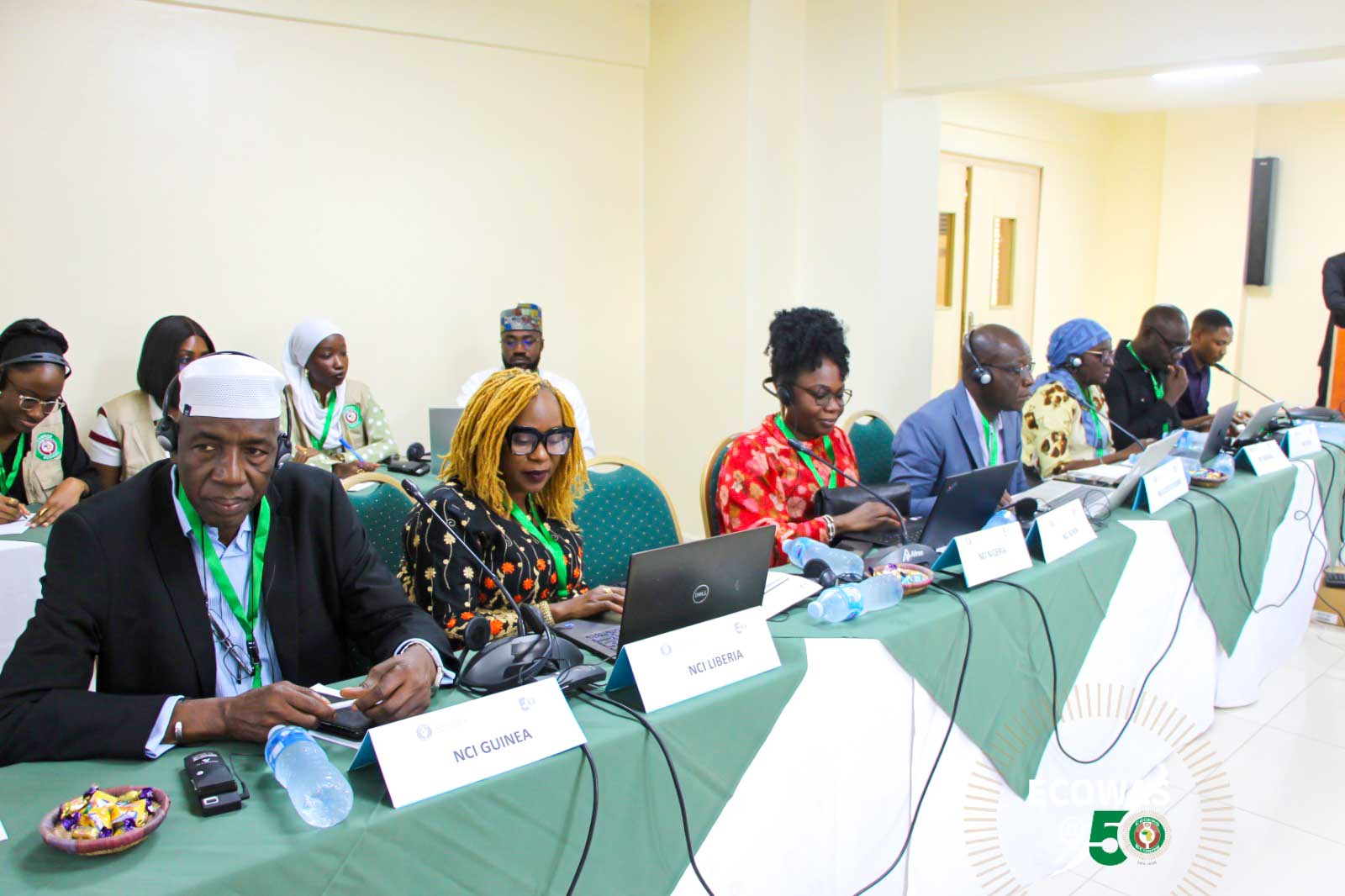
The ECOWAS Commission, through its Early Warning Directorate (EWD) and the Regional Centre for Surveillance and Disease Control (RCSDC), is convening a regional workshop in Abuja, Nigeria, from 3rd to 5th September 2025 to promote human security in West Africa by strengthening coordination on health response measures.
The workshop aims to achieve five core objectives: (i) enhance the sharing and communication of epidemiological data to strengthen epidemic surveillance through national and regional early warning systems, (ii) equip participants with practical skills for the early detection of critical public health events and threats to human security, (iii) facilitate the exchange of knowledge and best practices on early warning systems, (iv) improve disease surveillance and reinforce health systems while addressing challenges and identifying solutions relevant to the ECOWAS context, and (v) review and enhance data sources used for health indicators within the ECOWAS Early Warning and Response Network (ECOWARN).
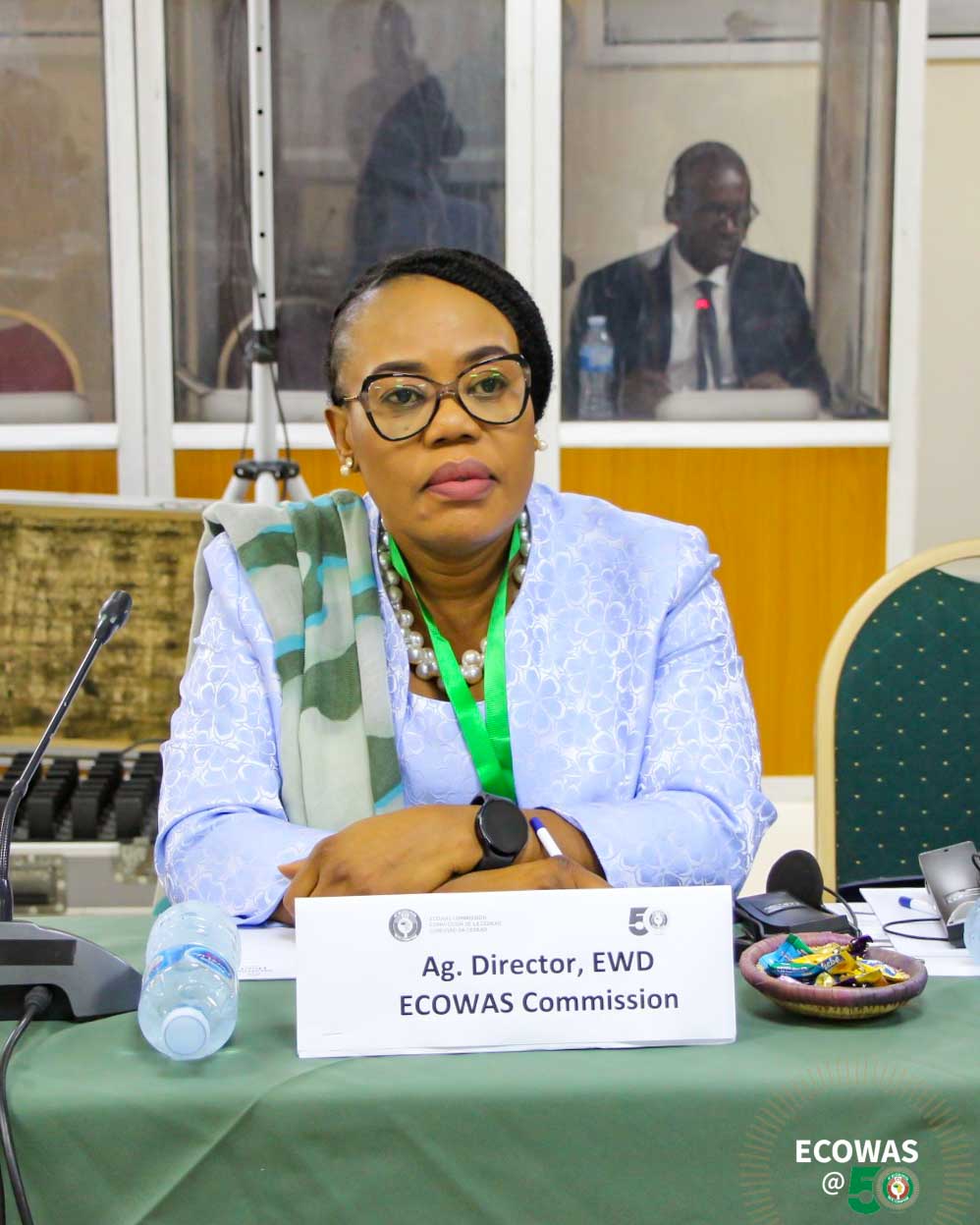
The workshop, which brings together health analysts from the National Early Warning Centres of ECOWAS Member States, was officially opened by Dr Onyinye Onwuka, Acting Director of the ECOWAS Early Warning Directorate, on behalf of Her. Excellency. Madam Damtien L. Tchintchibidja, Vice-President of the ECOWAS Commission.
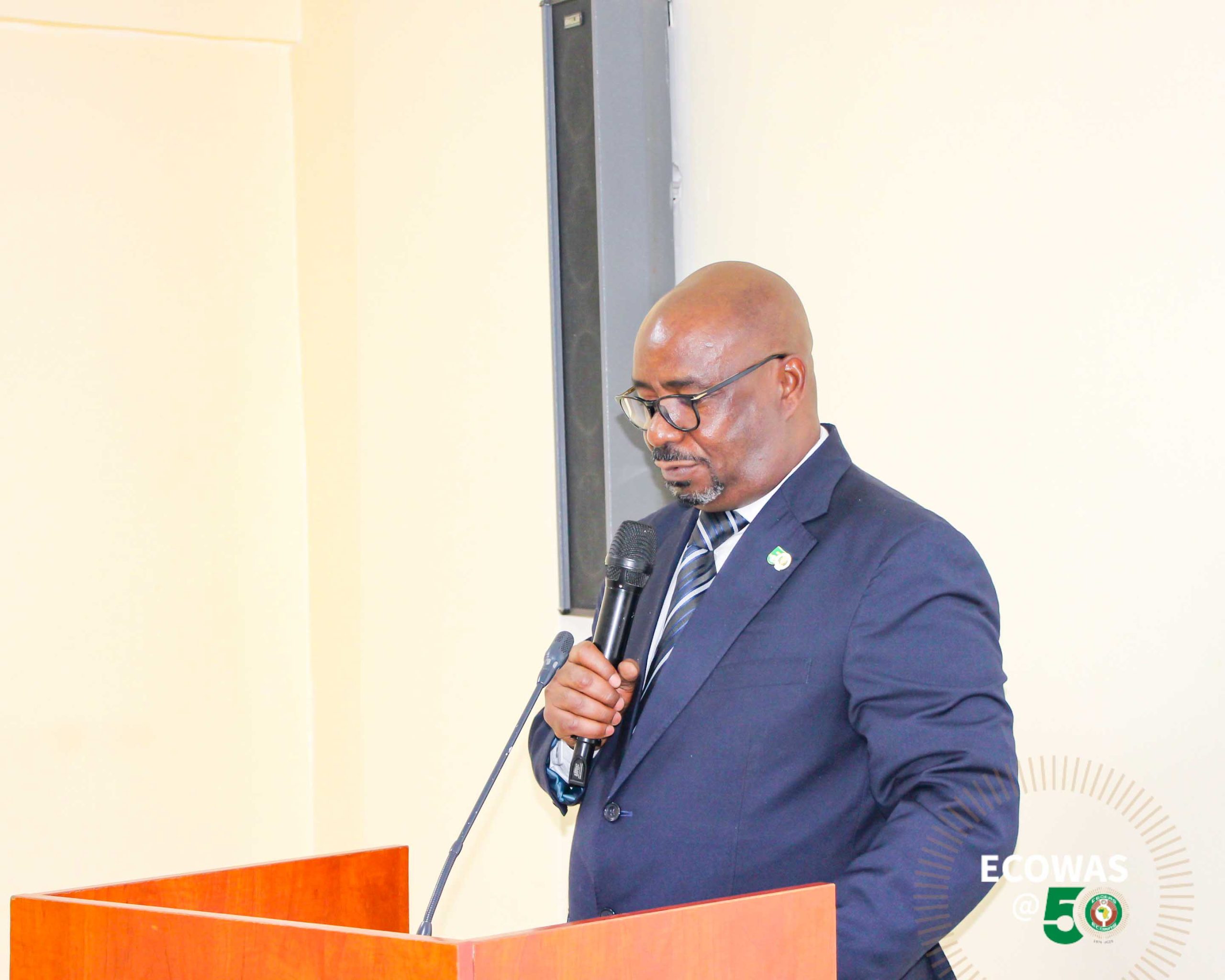
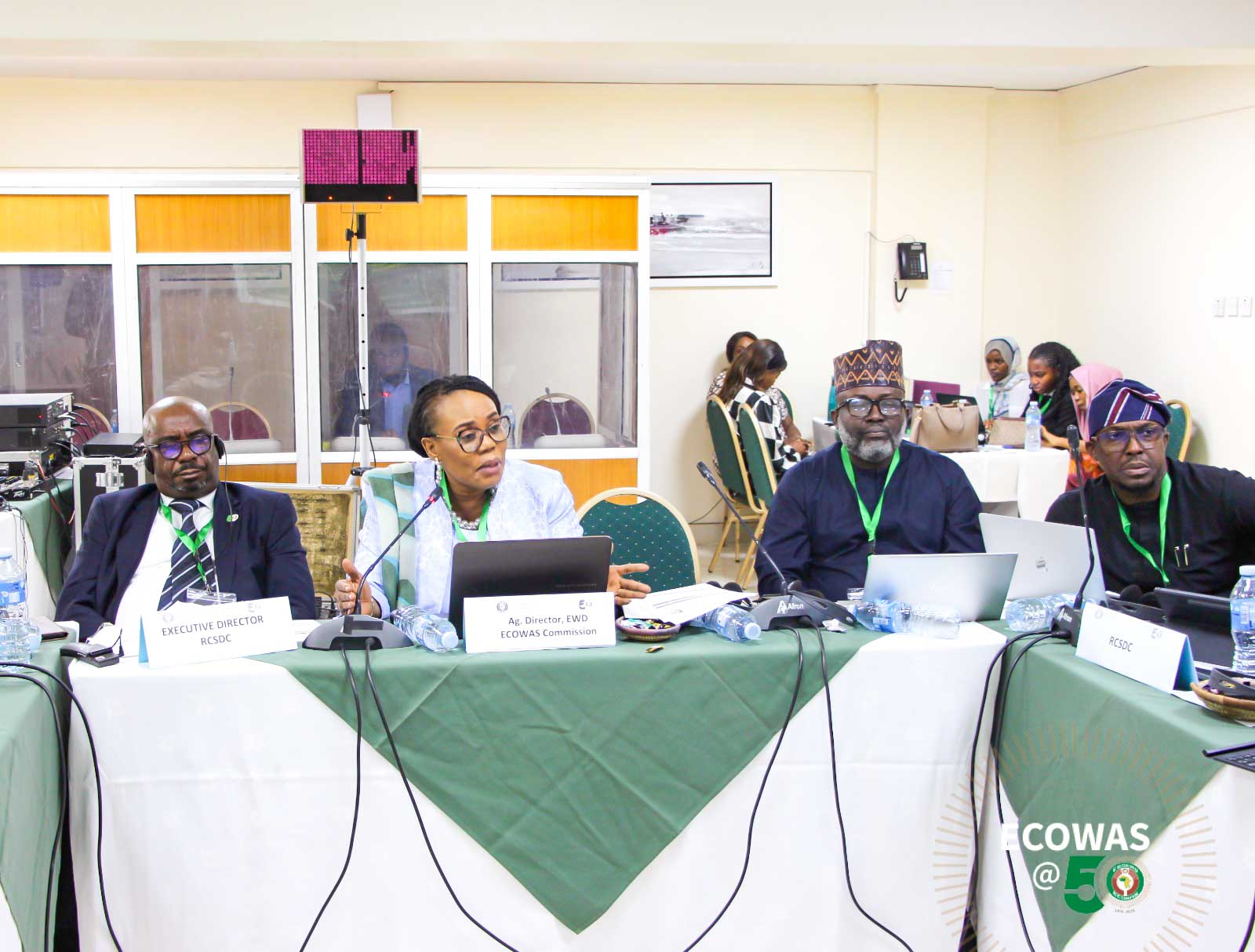
During the opening ceremony, remarks were delivered by Dr. Mamadou Diarrassouba, Executive Director of the ECOWAS Regional Centre for Surveillance and Disease Control (RCSDC), and Dr Onyinye Onwuka.
In his remarks, Dr Mamadou Diarrassouba highlighted the mandate of the ECOWAS Regional Centre for Surveillance and Disease Control (RCSDC) as a specialized agency dedicated to supporting Member States in strengthening their capacities to prevent, detect, prepare for, and respond to health emergencies. He explained that the Centre works through National Coordination Institutions (NCIs) to reinforce national surveillance and early warning systems by enhancing real-time data sharing and improving the interoperability of digital platforms.
“This workshop reflects our collective commitment and regional mobilization, underscoring the vital importance we place on our shared mission to protect the health and well-being of our populations,” stated Dr Mamadou Diarrassouba.
Dr Onyinye Onwuka emphasized that the workshop goes beyond being just another meeting, stating,
“This workshop reflects the lessons we have learned from our past and reaffirms our determination to improve the conditions of human security for the citizens of our Community. The ECOWAS Early Warning Directorate, working closely with the RCSDC, recognizes that health is not merely a sectoral issue but a fundamental pillar of human security. Without functional and resilient health systems, our aspirations for peace, stability, and prosperity will remain fragile.”
She further stressed the importance of regional cooperation, noting that “Across the region, Member States face health challenges that no country can tackle alone. Epidemics and public health emergencies do not respect borders, they require collective action, timely information sharing, and a coordinated response.”
Concluding her remarks, the Acting Director, commended the critical role of the RCSDC in strengthening disease surveillance and response across West Africa. She highlighted that collaboration with the Centre remains a cornerstone of health early warning efforts, combining regional reach with strong national ownership.
The workshop brings together a diverse group of stakeholders essential to strengthening regional health security. Participants include health analysts from the National Early Warning Centres of ECOWAS Member States, representatives of National Coordination Institutions (NCIs), experts from the World Health Organization (WHO) and the Africa Centres for Disease Control and Prevention (Africa CDC), as well as ECOWAS experts and regional partners. Through a dynamic and participatory approach, it features expert presentations, group discussions, and brainstorming sessions to promote knowledge sharing, skills development, and collaborative planning.
Discover how ECOWAS is transforming communities, economies and the lives of West African citizens — one story at a time.