Initializing...
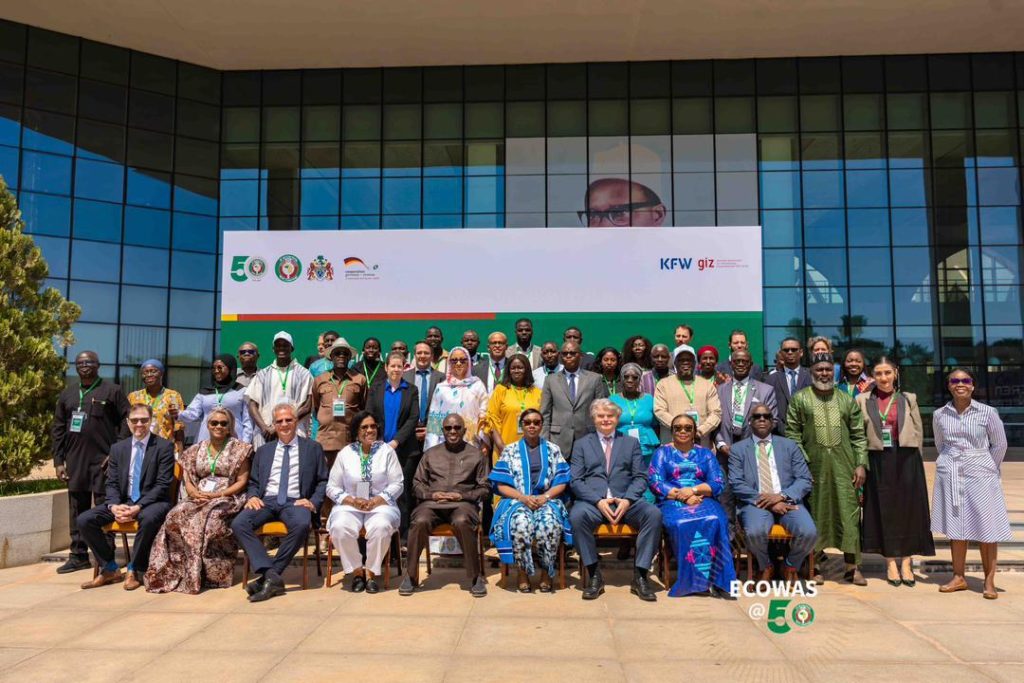
Banjul, The Gambia, 24–26 March 2026 – The Government of the Republic of The Gambia has disclosed that the implementation of the Gambia Pilot Project (GPP) under the ECOWAS Regional Stabilisation and Development Fund (FRSD) has generated 18,552 new jobs across the country.
The disclosure was made by the Minister of Finance and Economic Affairs, Mr. Seedy K. M. KEITA, during the official launch of the project’s closure and handover of key investments to the Government, beneficiary institutions, and local communities by ECOWAS and the Government of Germany.
The handover marks a significant milestone in the implementation of the FRSD pilot phase in The Gambia. The initiative designed by ECOWAS FRSD aims to strengthen resilience in fragile communities, promote stability, inclusive economic development, empower youth and women through the creation of sustainable livelihood opportunities.
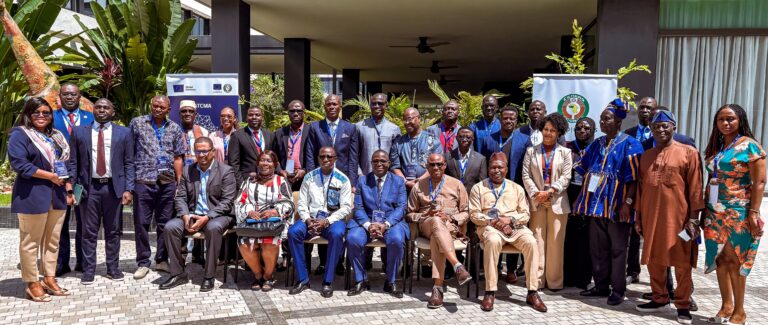
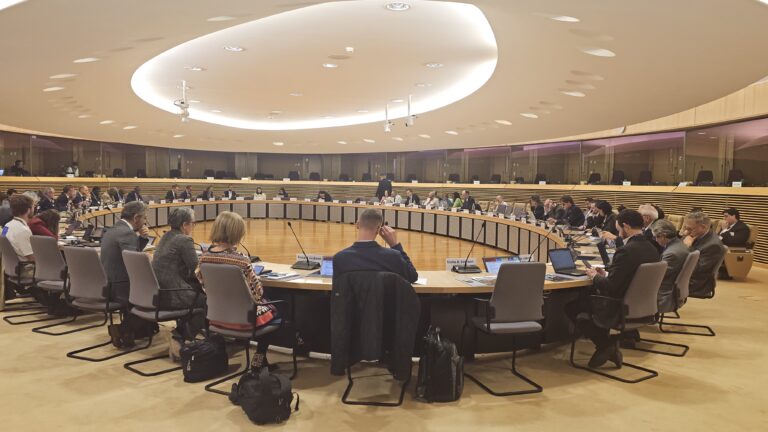
The launch ceremony, held on 24 March 2026 at the Sir Dawda K. Jawara International Conference Centre in Banjul, brought together high-level stakeholders, including the Vice-President of the ECOWAS Commission, H.E. Mrs. Damtien L. TCHINTCHIBIDJA; representatives of the German Federal Ministry for Economic Cooperation and Development (BMZ) led by the Director for Africa, Mr. Christoph RAUH; officials of the Government of The Gambia; members of the ECOWAS Parliament; FRSD focal persons from Guinea-Bissau, Togo, and Benin; implementing partners (GIZ, KfW, GAMWORKS, and PEM Consult); and project beneficiaries.
Represented by the Permanent Secretary, Mr. Mod A.K. SECKA, the Minister described the GPP as a key driver of economic transformation, noting its contribution to youth employment, the fight against irregular migration, and the development of high-potential value chains in fisheries, agriculture, and poultry farming.
Citing findings from the Independent Evaluation Report (February 2026), he highlighted the project’s transformative impact as follows:
Mr. Mod A.K. SECKA said the project also established 19 horticultural gardens, 22 poultry houses, and two fisheries projects, while the matching grant scheme supported 27 additional horticultural gardens, 9 poultry houses, and two fisheries initiatives. “These are not just statistics, they represent lives transformed, families empowered, and communities stabilised,” the Minister stated.
In her opening remarks, the Vice-President of the ECOWAS Commission, H.E. Mrs. Damtien L. TCHINTCHIBIDJA, described the handover as the beginning of a new phase of ownership and sustainability. She emphasised that the long-term success of the investments will depend on the commitment of stakeholders, local authorities, community organisations, entrepreneurs, and beneficiaries to ensure their proper management and productive use.
She further noted that investments financed through the ECOWAS Community Levy, alongside contributions from the Government of Germany through BMZ and implemented with support from KfW and GIZ, have strengthened key sectors such as technical education, fisheries, agriculture, horticulture, and poultry farming. These efforts, she said, have led to
the development of production infrastructure, installation of irrigation systems, and capacity-building for local actors.
“I would like to express the ECOWAS Commission’s deep gratitude to our German partners, for their ongoing commitment and their decisive contribution to the implementation of this programme. I would also like to acknowledge the vital role played by the Government of the Republic of The Gambia, through the Ministry of Finance and Economy, as well as that of our national partners, with a particular mention to GAMWORKS, whose collaboration and commitment have been crucial to the success of this pilot project.” H.E. Mrs. Damtien L. TCHINTCHIBIDJA said.
Mr. Christoph RAUH, Director for Africa at BMZ, reaffirmed Germany’s commitment to the partnership, noting that the project has delivered tangible results, including improved infrastructure, increased incomes, and expanded employment opportunities, particularly for women and youth.
“It is now crucial that these achievements are sustained through continued support and institutional support for the educational institutions, provided by the responsible government ministries and agencies.” RAUH stated.
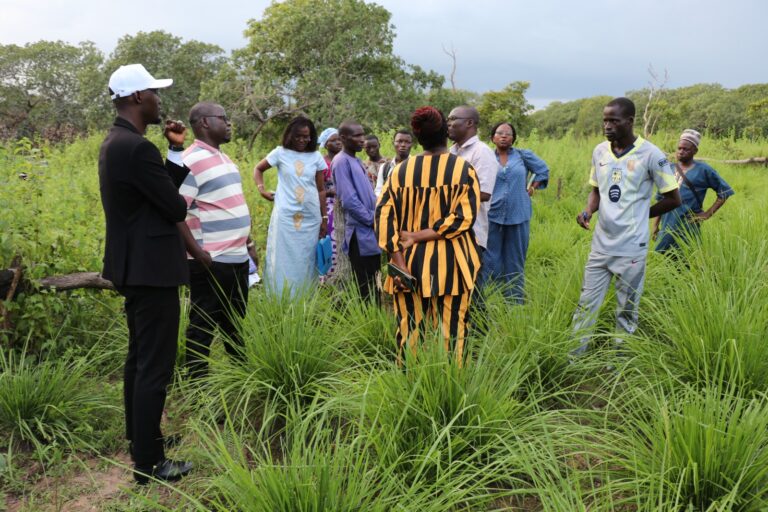
As part of the closure activities, the ECOWAS delegation led by the Vice-President, alongside representatives of BMZ, Gambian authorities, and implementing partners, conducted field visits to project sites where infrastructure financed under the FRSD was formally handed over. These include fish smoking facilities in Brufut, a food processing centre at the Gambia Hospitality and Tourism Institute, an 80-bed student dormitory at the University of Applied Science, Engineering and Technology (USET) Annex in Mansa Konko, and a 40-bed dormitory at the USET Annex in Julangel.
Funded with € 20.5 million from the German Government and an additional $1.2 million from ECOWAS, the FRSD pilot project in The Gambia has delivered critical infrastructure and direct support to communities across several regions of The Gambia. The successful implementation of the Gambia Pilot Project underscores the effectiveness of coordinated regional and international partnerships in addressing fragility, promoting inclusive growth, and advancing sustainable development across West Africa.
Discover how ECOWAS is transforming communities, economies and the lives of West African citizens — one story at a time.