Initializing...
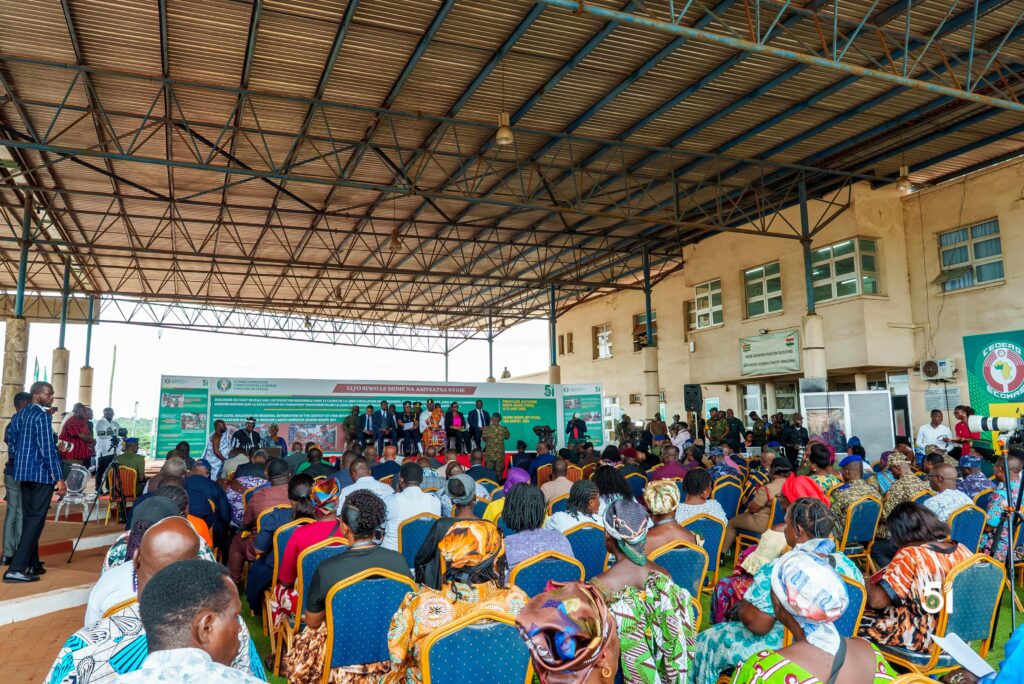
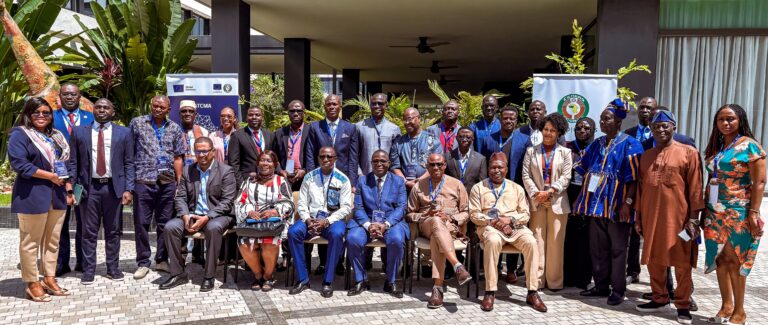
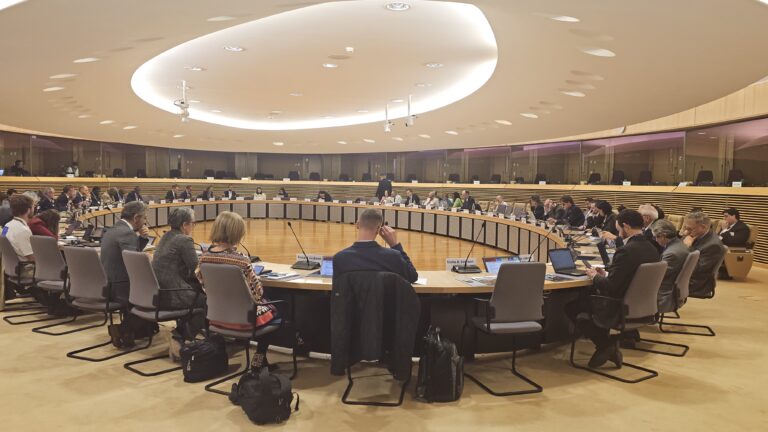
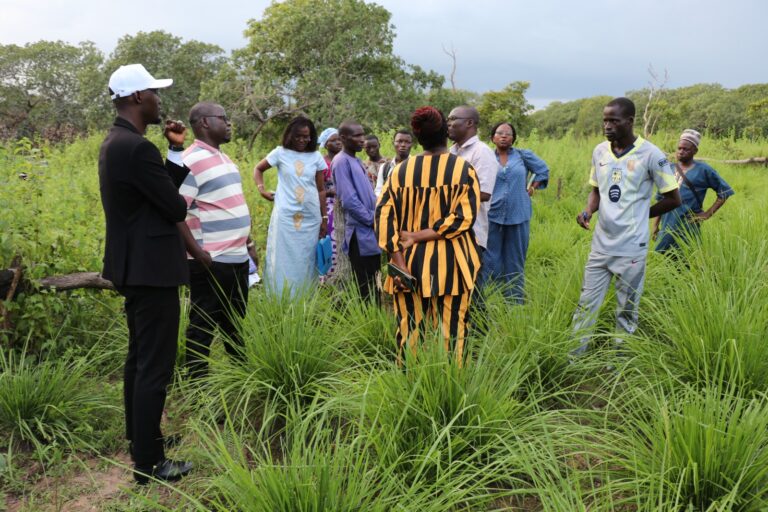
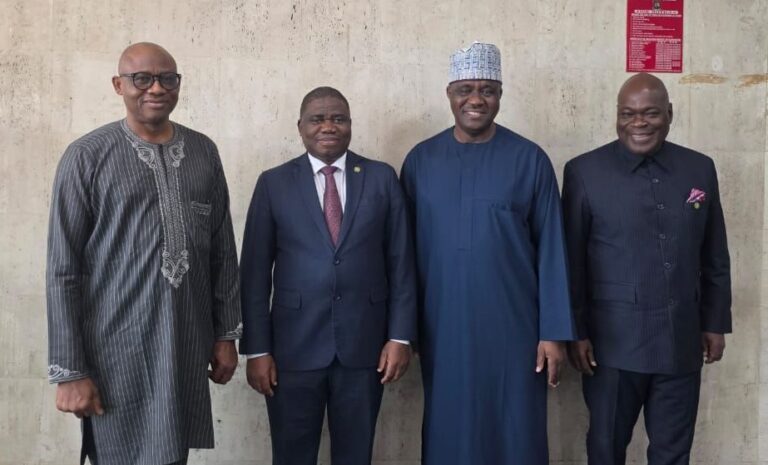
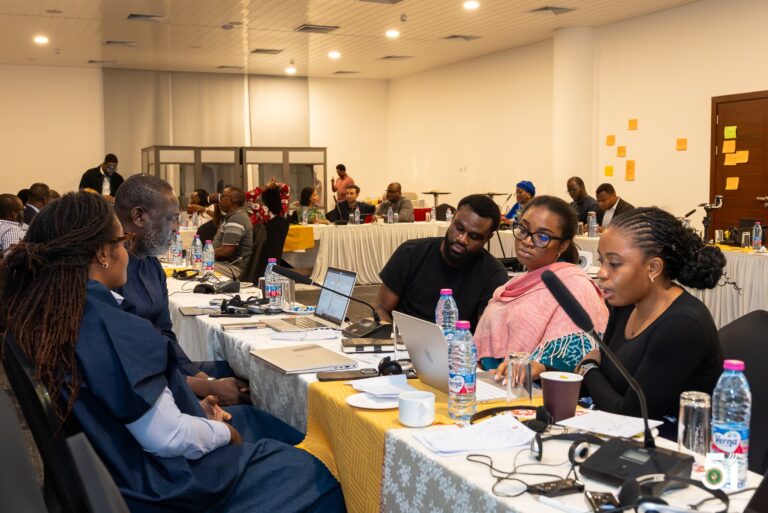
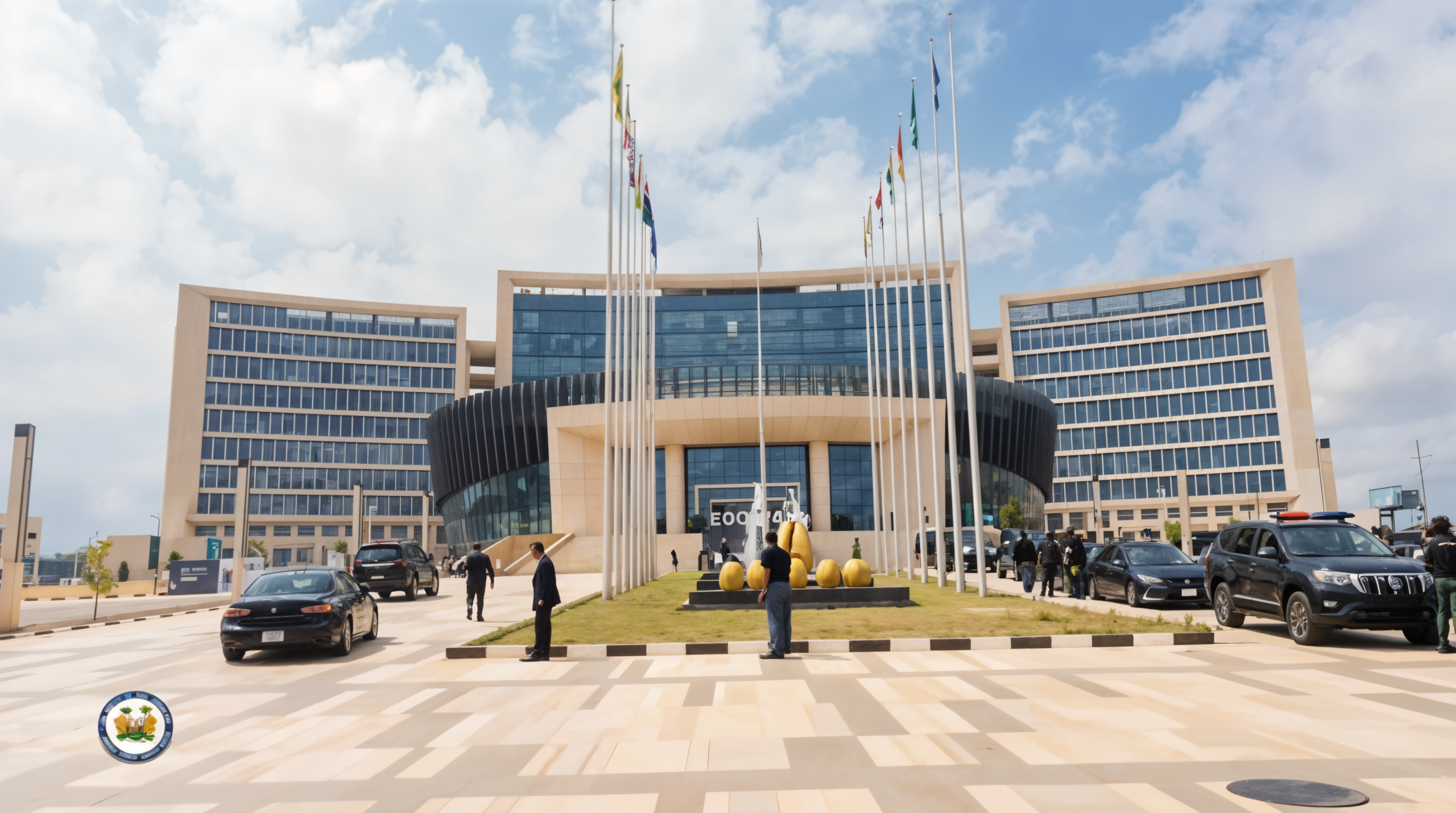
The ECOWAS Commission on August 13, 2026, engaged border officials, cross-border traders, transporters and other key stakeholders, including women and youth from Benin, Ghana and Togo, in a High-Level Dialogue and Sensitisation at the Noépé-Akanu Joint Border Post (JBP) between Togo and Ghana, along the Abidjan-Lagos Corridor, with an objective to further strengthen the implementation of regional integration instruments on the free movement of persons, goods and services, as well as trade and transport facilitation.
The dialogue afforded Sector Directors & Officials from the ECOWAS Commission – Free Movement, Trade, Brown Card Insurance, Transport, Transit, and Customs, the opportunity to share insights of community texts and good practices towards the facilitation of border crossing, intra-regional trade (including informal trade). Specifically, discussions highlighted key ECOWAS initiatives, including the ECOWAS National Biometric Identity Card (ENBIC), SIGMAT, Joint Border Posts and the Abidjan-Lagos Corridor, while providing a platform to discuss challenges affecting cross-border mobility and trade.
While welcoming the delegations to the JPB on behalf of the traditional Chiefs of Noépé and Akanu, Torgbi Harvey of Noépé, emphasised on the need for ECOWAS Member States to implement joint facilitation measures to enhance the benefits of regional integration and free movement for the development of the region for all; transporters and entrepreneurs inclusive.
Captain Agniba Essoiezam, Head of the Division of Operations of Customs of the Togolese Republic and Head of the Joint Task Force of the Noépé-Akanu JBP, welcomed participants to the Joint Border Post and highlighted the importance of the dialogue in strengthening understanding of ECOWAS instruments on the free movement of persons and goods, the right of residence and establishment, transit arrangements and the SIGMAT customs system.
In his remarks, Dr. Kalilou Sylla, ECOWAS Commissioner for Economic Affairs and Agriculture, reaffirmed the ECOWAS Commission’s commitment to deepening regional integration and facilitating the free movement of persons, goods and services along the Abidjan–Lagos Corridor. He described the Noépé-Akanu Joint Border Post as a practical example of integration in action, while calling for an end to delays, cumbersome procedures, informal payments and harassment at borders. He urged stronger sensitisation on free movement rights, wider use of the ECOWAS regional biometric identity card, faster transit systems and sustained dialogue among
border authorities, traders and other stakeholders to ensure that the corridor becomes an opportunity for trade, jobs and shared prosperity.
In his speech on behalf of the Togolese Minister of Transport, Mr. Komlan Loukou-Kadjie, Mr. Dermane Tajudini, Director of Road Transport, reaffirmed Togo’s commitment to advancing ECOWAS regional integration through more efficient and predictable movement of people and goods. He noted that integration should be measured not by the number of protocols adopted, but by the ease with which citizens, goods and transporters cross borders. He identified road harassment and unofficial checkpoints, high logistics costs and disparities in the application of regional regulations as key challenges, and called for greater digitalisation of border procedures, effective operation of Joint Border Posts, and harmonised and consistent application of regional standards. He stressed the need for renewed political commitment and rigorous operational follow-up to transform borders into gateways for trade and shared prosperity.
In her keynote address, H.E. Damtien L. Tchintchibidja, Vice-President of the ECOWAS Commission, reaffirmed the Commission’s commitment to strengthening free movement and cross-border transport facilitation along the Abidjan–Lagos Corridor. She described the corridor as a critical economic artery for West Africa and called for stronger implementation of ECOWAS protocols, improved border management, digitalisation, harmonised procedures and greater coordination among border agencies to reduce delays and transport costs. She also stressed the importance of sensitising citizens, traders and transport operators on their rights and responsibilities, while highlighting the ECOWAS-supported Directional Signage and Mobility Programme, with financial support from Trademark Africa, to improve traffic management, safety and navigation at the Noépé-Akanu and Seme–Krake Joint Border Posts.
“Our vision is clear: a corridor where people move with dignity, goods move efficiently, and border formalities are conducted with speed, transparency, and professionalism”, she added.
The engagement is part of several efforts by the ECOWAS Commission to strengthen cooperation among border authorities and stakeholders, improve awareness and application of ECOWAS free movement and trade facilitation frameworks, and promote regional transport and transit facilitation mechanisms. Practical feedback and recommendations were received by public officials from Member States and the Commission to make cross-border movement and trade more secure, efficient and predictable, particularly for women and youth, contributing to the advancement of the ECOWAS regional integration agenda.
Discover how ECOWAS is transforming communities, economies and the lives of West African citizens — one story at a time.