Initializing...
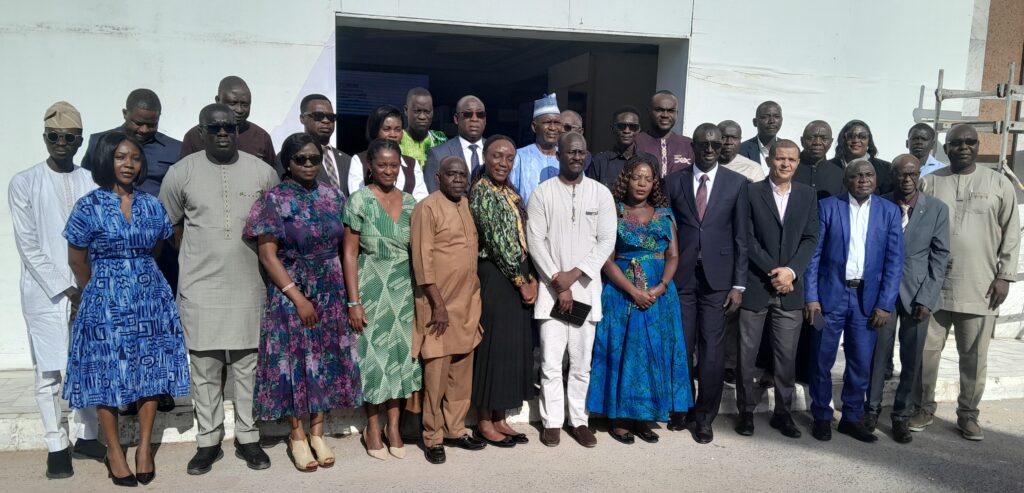
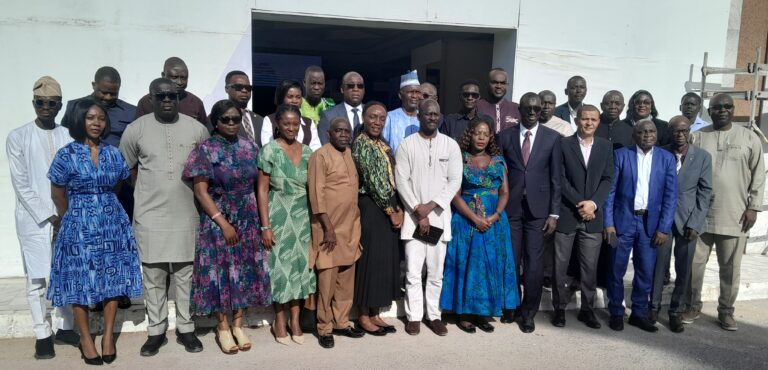
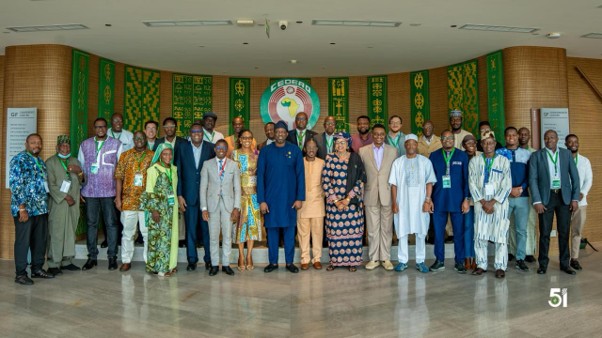
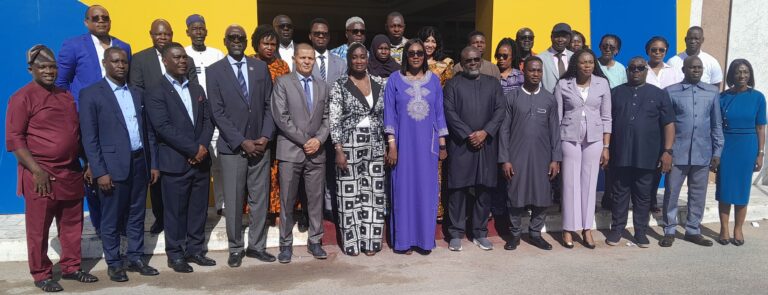
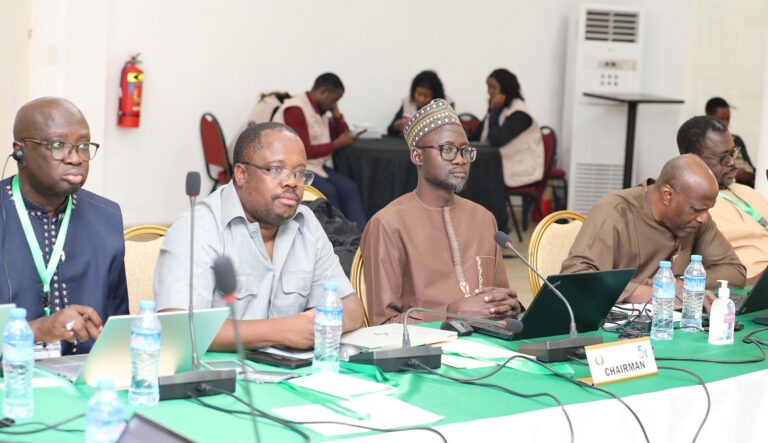
A three-day regional workshop aimed at strengthening the capacity of early warning stakeholders to address environmental and security threats in West Africa opened on Monday 23rd of November 2026 in Dakar, Senegal.
Organised by the Economic Community of West African States (ECOWAS) Commission, through its Early Warning Directorate, the workshop brings together representatives from the National Coordination Centres for Response Mechanisms, as well as security and environmental analysts. It focuses on flooding and illegal mining, two major threats to stability and human security in the region.
Whilst floods expose communities to displacement, loss of livelihoods and increased vulnerability, illegal mining raises concerns regarding resource governance, environmental sustainability, public health and the potential links between illicit economic activities and insecurity.
In the address of the Vice-President of the ECOWAS Commission, Anthony Oluwatosin Ogunjimi, read out by Ismaila Guèye, Programme Officer for Geographic Information Systems and Cartography at the early warning directorate, he emphasised that environmental and security concerns cannot be addressed in isolation.
“It is essential to understand how environmental pressures interact with governance weaknesses, socio-economic vulnerabilities and existing conflict dynamics in order to develop effective responses,” said Ismaila Guèye.
He emphasised the consequences of flooding and illegal mining for human security. These two issues, he emphasised, pose distinct but equally significant challenges.
Ismaila Guèye invited participants to deepen their understanding of these dynamics, to examine their implications for affected communities and to identify practical approaches to strengthen monitoring, analysis and interventions. He called for particular attention to be paid to the role of governance, institutional coordination and community resilience in addressing these challenges.
He invited them to draw on their national experiences, to engage openly in discussions and to formulate concrete recommendations likely to strengthen the collective approach to the environment and security within the ECOWAS region.
Over the course of the three-day workshop, participants will examine the effects of flooding and illegal mining on human security in West Africa. They will also deepen their understanding of the integrated analysis of environmental and security risks.
The workshop will also provide an opportunity for them to develop technical skills in data verification, geospatial analysis and risk mapping, and to apply the ECOWAS Human Security Analysis Framework (HSAF) to formulate concrete recommendations based on early warning indicators.
The meeting will also enable them to share their national experiences and best practices to strengthen mutual learning and regional cooperation.
Ms Beatrice Anowah Brew, Regional Analyst for Gender, Peace and Security at the West African Network for Peacebuilding (WANEP), and Ms Tanya Merceron, Climate, Peace and Security Adviser at the United Nations Office for West Africa and the Sahel (UNOWAS), welcomed the ECOWAS Commission’s initiative. Armindo Graca, Director of Cabo Verde’s National Coordination Centre for Response Mechanisms, also welcomed this initiative.
They pledged to contribute to the discussions during the three-day workshop and to work towards implementing its outcomes.
This workshop aims to strengthen the capacities of the National Coordination Centres for Response Mechanisms and other early warning stakeholders to better identify, analyse and report risks linked to the interactions between environmental pressures and security threats.
To facilitate familiarisation with the tools and strengthen collaboration between national and regional stakeholders, the workshop combines technical presentations and country-specific case studies, group exercises and practical simulations, as well as the exchange of best practices.
Discover how ECOWAS is transforming communities, economies and the lives of West African citizens — one story at a time.