Initializing...
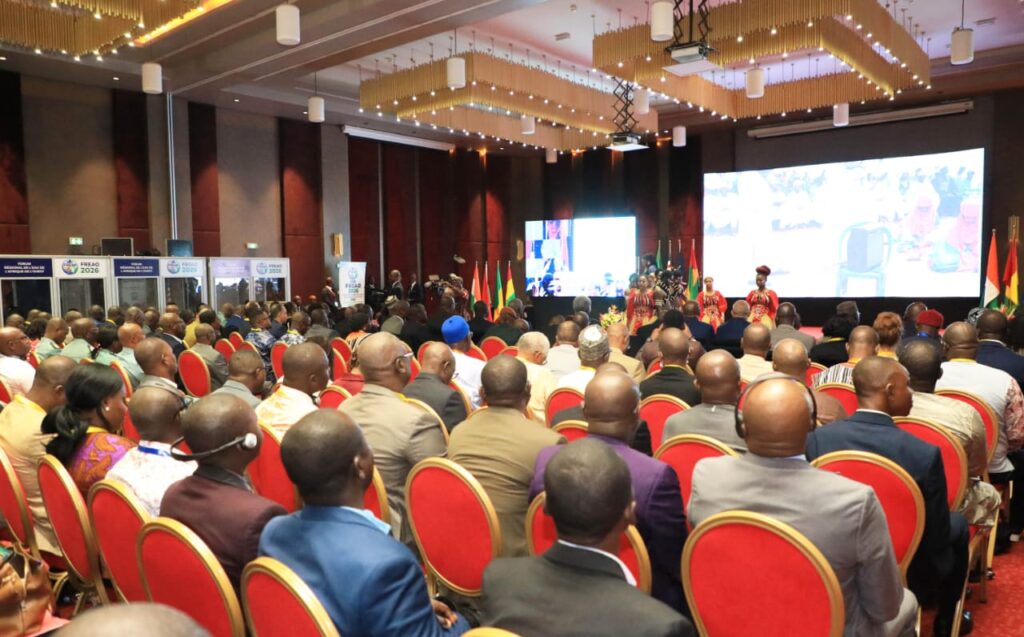
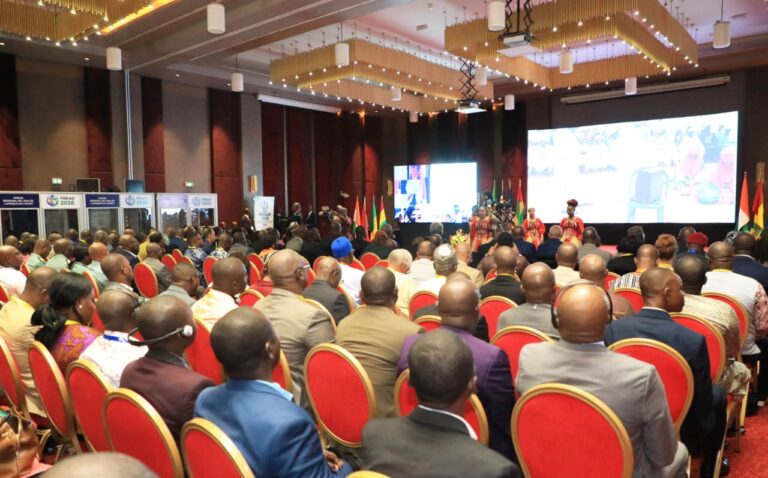
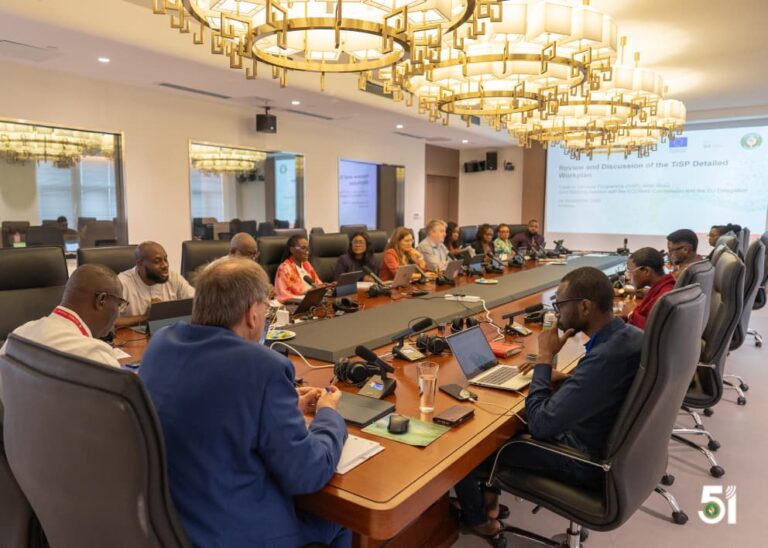
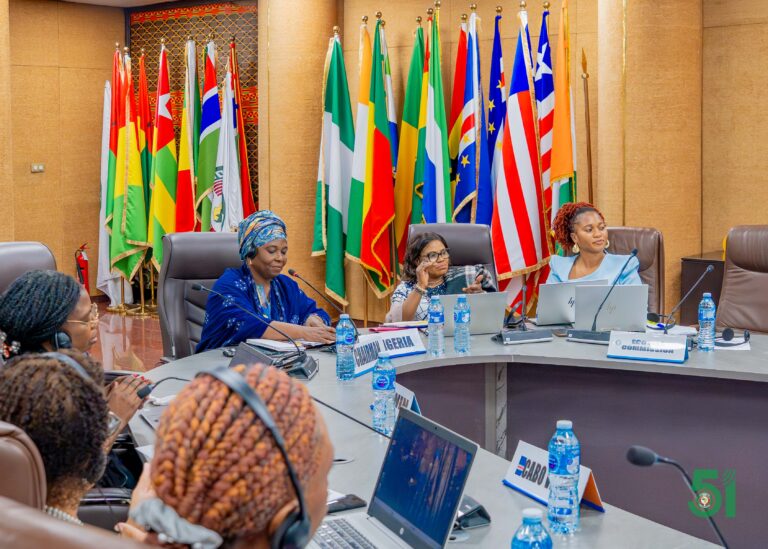
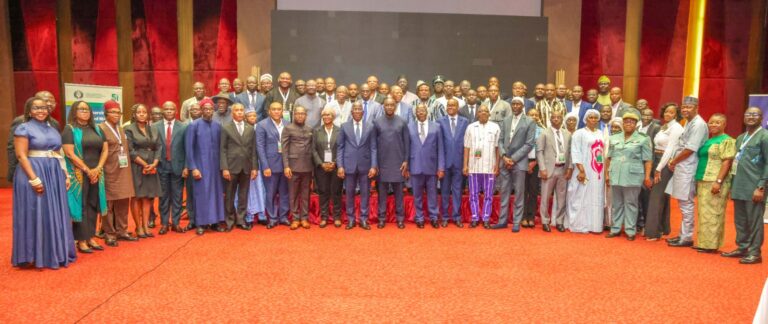
The First West Africa Regional Water Forum (FREAO), convened by the Economic Community of West African States (ECOWAS) in partnership with the West African Economic and Monetary Union (UEMOA) and the Permanent Interstate Committee for Drought Control in the Sahel (CILSS), concluded in Abidjan, Côte d’Ivoire, on 25 September 2026 with the adoption of the Abidjan Declaration and a shared regional roadmap aimed at strengthening water security, climate resilience and sustainable development across West Africa.
Held under the theme “Valuing Water to Transform West Africa”, the inaugural Forum brought together Heads of Government, ministers, regional institutions, river basin organisations, development partners, academia, the private sector, youth and civil society to forge a common regional vision for the governance, financing and sustainable management of water resources. Participants reaffirmed water as a strategic asset for human development, food security, energy production, public health, environmental sustainability, economic transformation and regional integration, underscoring its centrality to the African Union Agenda 2063, ECOWAS Vision 2050 and the Sustainable Development Goals.
Opening the Forum on behalf of the Government of Côte d’Ivoire, Prime Minister H.E. Robert Beugré Mambé called for strengthened regional solidarity in the management of shared water resources, describing water governance as, above all, a political choice requiring trust, cooperation and collective responsibility among States. Côte d’Ivoire’s Minister of Water and Forests, H.E. Jacques Assahoré Konan, advocated greater mobilisation of financing for integrated water solutions, including climate finance, public-private partnerships and investment-ready projects, and emphasised the importance of ensuring the active participation of women, youth and vulnerable communities in water governance.
Speaking on behalf of ECOWAS Commission President H.E. General Birame Diop, the Commissioner for Infrastructure, Energy and Digitalisation, Hon. Amin Amidu Sulemani, described the Forum’s theme as a regional call to action, stressing that water security is inseparable from food security, energy access, climate resilience, peace and regional stability. The President of the African Ministers’ Council on Water (AMCOW) and Senegal’s Minister of Water and Sanitation, Dr Cheikh Tidiane Dièye, linked the Forum’s outcomes to the implementation of the African Water Vision and to preparations for the United Nations Water Conference scheduled for December 2026 in Abu Dhabi.
Representing the President of the UEMOA Commission, Commissioner for Agriculture, Water Resources and Environment Mahamadou Gado underscored the strategic importance of West Africa’s shared water resources and called for innovative financing mechanisms capable of accelerating investment in water infrastructure, climate adaptation and regional integration. Dr Abdoulaye Mohamadou, Executive Secretary of CILSS, reaffirmed the institution’s commitment to strengthening regional cooperation in the sustainable management of water resources and to enhancing resilience to climate-related challenges across the Sahel and West Africa.
Representing the African Development Bank Group, Mtchera Johannes Chirwa, Director of the Water Development and Sanitation Department, highlighted the growing pressures of water scarcity, deteriorating water quality and climate-induced flooding, reiterating the Bank’s commitment to regional water and sanitation programmes and calling for water to be recognised not only as a social necessity but as a strategic driver of economic growth. Fatouma Touré Ibrahima, Water Sector Director for West and Central Africa at the World Bank, reaffirmed the institution’s continued partnership with regional governments and organisations, emphasising that investment in water is investment in food security, resilience, employment, economic transformation and long-term prosperity.
Welcoming participants on behalf of the host community, Dr Emmou Sylvestre, Mayor of Port-Bouët, highlighted the central role of water in sustaining livelihoods, public health, food systems and economic development, noting the symbolic significance of hosting the inaugural Forum in a municipality whose identity has long been shaped by its relationship with water. Kouakou Alexis KOUASSI, Director of the ECOWAS Water Resources Management Centre, and Bai-Mass Taal, Champion of the First Edition of FREAO, also contributed actively to the dialogue throughout the two-day gathering.
At the conclusion of the Forum, delegates adopted the Abidjan Declaration on Water Security and Sustainable Development in West Africa, structured around five strategic pillars: strengthening water governance and institutional coordination; enhancing water security and climate resilience; mobilising sustainable financing; promoting innovation, knowledge and technology; and ensuring the meaningful participation of women, youth and local communities in water management.
To guarantee effective implementation of the commitments undertaken, participants approved the establishment of a Regional Follow-up Committee comprising representatives of ECOWAS, UEMOA, CILSS, transboundary basin organisations, civil society, women and youth groups, and technical and financial partners, tasked with coordinating implementation, overseeing monitoring and evaluation, and guiding a regional operational roadmap supported by measurable performance indicators. The Forum further endorsed the creation of a specialised Negotiation Task Force to support West Africa’s engagement in international water and climate negotiations, and agreed to publish a Biennial Report on the State of Water in West Africa, assessing progress made by Member States and regional institutions in implementing the Abidjan Declaration.
In his closing remarks, Hon. Amin Amidu Sulemani said the institutional mechanisms adopted during the Forum would strengthen coordination, monitoring and harmonisation of water-related action across the region, and that the collective efforts of regional organisations, basin authorities, technical institutions and development partners would help align national legislation and policies, improve governance frameworks and accelerate progress toward the Forum’s objectives. Reaffirming that water remains fundamental to every dimension of human life and socio-economic development, he called for sustained collaboration to translate commitments into concrete results for the people of West Africa.
In a decision welcomed by participants, the Forum designated the Republic of Cabo Verde to host the Second West Africa Regional Water Forum, reaffirming the region’s determination to sustain high-level dialogue and advance collective action toward a water-secure, climate-resilient and prosperous West Africa.
The Abidjan Declaration was formally adopted on 25 September 2026 in Abidjan, Côte d’Ivoire.
Discover how ECOWAS is transforming communities, economies and the lives of West African citizens — one story at a time.