Initializing...
The Commission of the Economic Community of West African States (ECOWAS) must ensure, at the level of its Member States, the effective implementation of the roadmap developed during the Technical Working Group (TWG) workshop dedicated to finalizing the methodological guides for the three remaining components of the Construction Cost Index (CCI): labor, management resources, and equipment rental and depreciation.
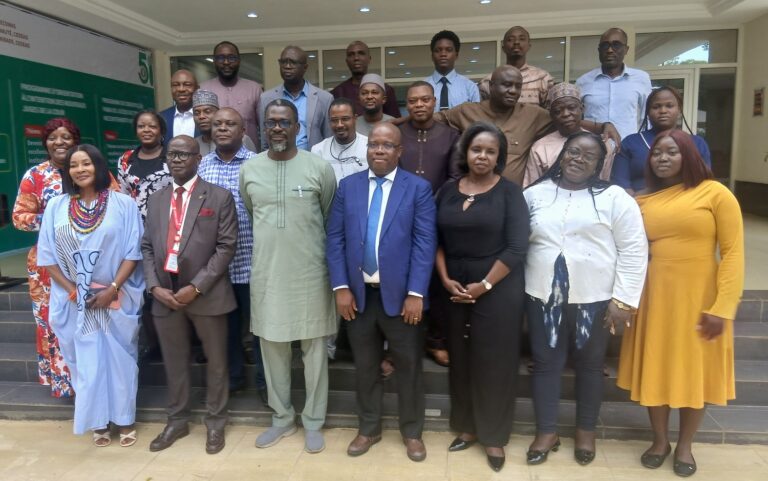
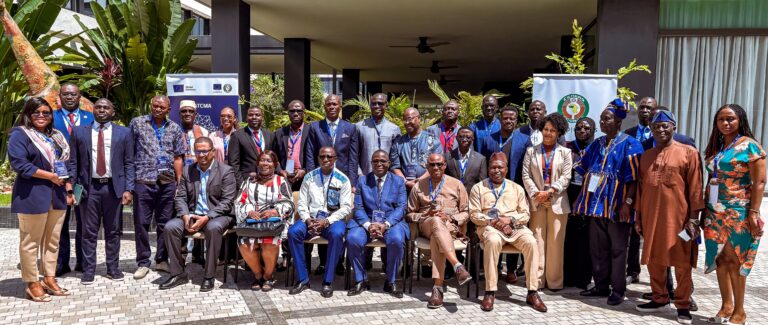
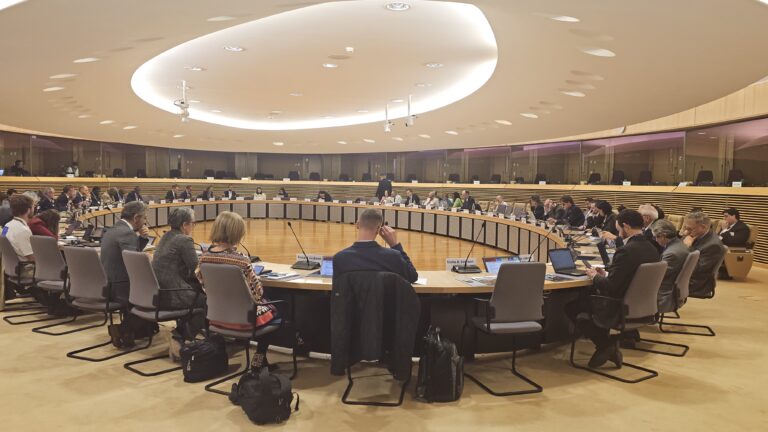
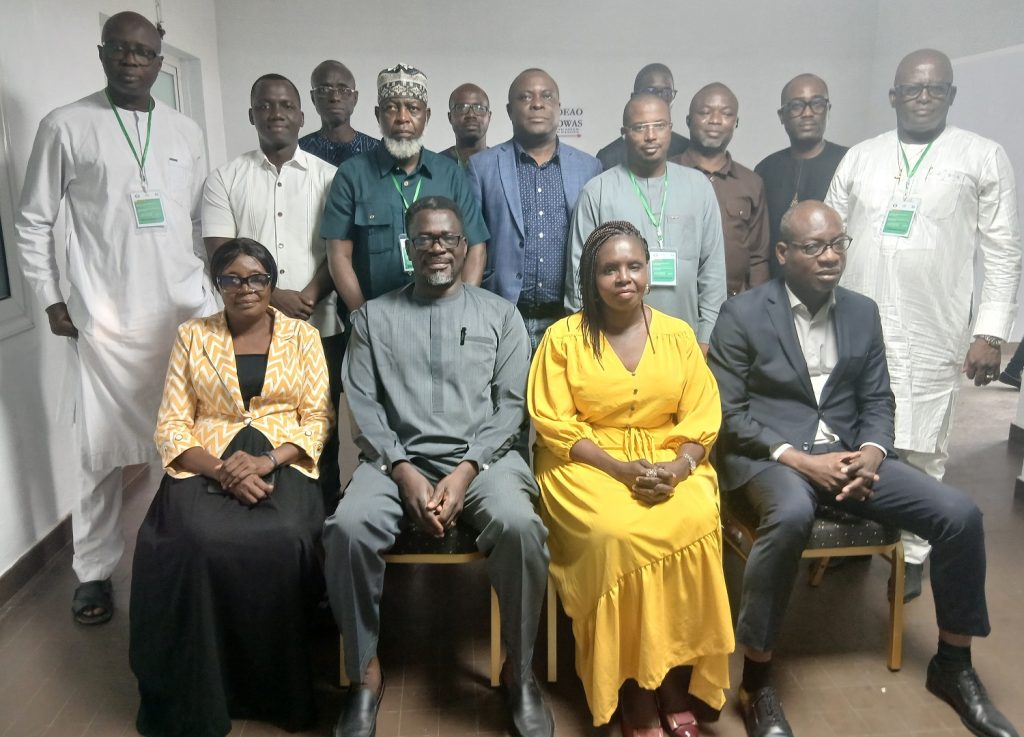
This was one of the main recommendations of the five-day meeting, which concluded on July 3, 2026, in Lomé, Togo.
In addition to this resolution, the regional organization’s Commission must not only support the TWG in finalizing the guides for these components, but also organize the Regional Technical Committee workshop to validate the CCI methodological guide.
The TWG and the resource person were tasked with updating the various presentations made during the workshop, incorporating all recommendations from participants. They must also finalize the drafting of the methodological guides for the three remaining components within the agreed deadlines. It was further recommended that they take into account the “depreciation” component and explain its treatment with practical examples in the corresponding methodological guide.
The TWG and the resource person are invited to ensure compliance with the drafting plan adopted for the development of the different components of the CCI methodological guide.
At the close of the meeting, the Acting Director of Research and Statistics of the ECOWAS Commission, Prof. Félix Fofana N’Zué, welcomed the adoption of these recommendations by the participants.
“The recommendations formulated at the end of our work now constitute our roadmap. They remind us that the most important part begins now: updating technical documents, finalizing methodological guides, and preparing their review by the competent regional bodies,” he emphasized.
He expressed confidence that, thanks to the continued commitment of participants, ECOWAS will be equipped with a harmonized and credible system for measuring construction costs,
capable of informing public policies, strengthening the comparability of statistics, and further supporting the regional integration process envisioned in the Community’s Vision 2050.
Prof. N’Zué expressed his gratitude to the TWG members, the resource person, the National Statistical Institutes of the Member States, the staff of the ECOWAS Commission’s Research and Statistics Directorate, and the members of the Harmonization and Improvement of Statistics Project in West and Central Africa (PHASAOC) for their remarkable work during the five days of intense reflection and exchange.
“Together, we have laid another stone in the edifice of ECOWAS statistical integration; together, we will continue to build modern, harmonized, and useful statistical instruments for the development of our Member States,” he stated.
He also praised the spirit of collaboration that prevailed during the workshop. The contributions of each participant demonstrated that the diversity of national experiences is a true asset for building a more robust and coherent regional statistical system. This reflects the Ivorian proverb: ‘Alone you go faster, but together you go further,’ he explained.
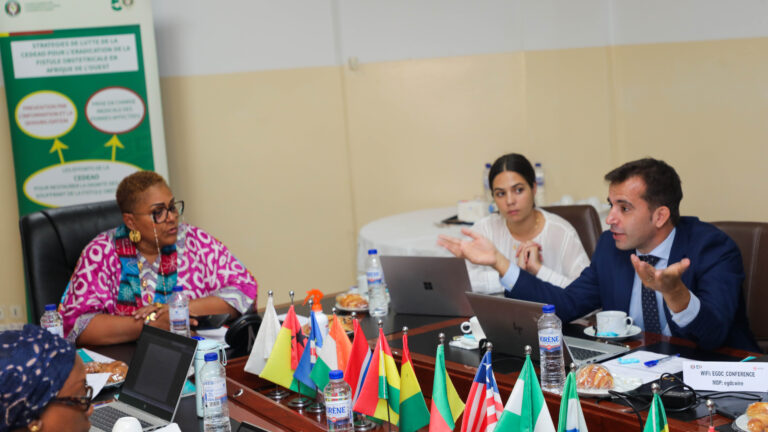
It should be noted that the workshop aimed to review the three remaining components of the Construction Cost Index (CCI) within ECOWAS Member States, clarify their conceptual and methodological framework, and validate the drafting plan for the related methodological guides by the TWG.
The workshop was initiated by the ECOWAS Commission, through its Research and Statistics Directorate, with financial support from PHASAOC. This World Bank-funded project seeks to improve statistical performance, regional harmonization, data access and use, and strengthen the modernization of statistical systems in participating countries.
It is important to note that the CCI is a composite indicator based on the observation of construction materials, labor, management resources, as well as equipment rental and depreciation, with the aim of achieving a more comprehensive and representative measure of costs in the Building and Public Works sector.
Discover how ECOWAS is transforming communities, economies and the lives of West African citizens — one story at a time.