Initializing...
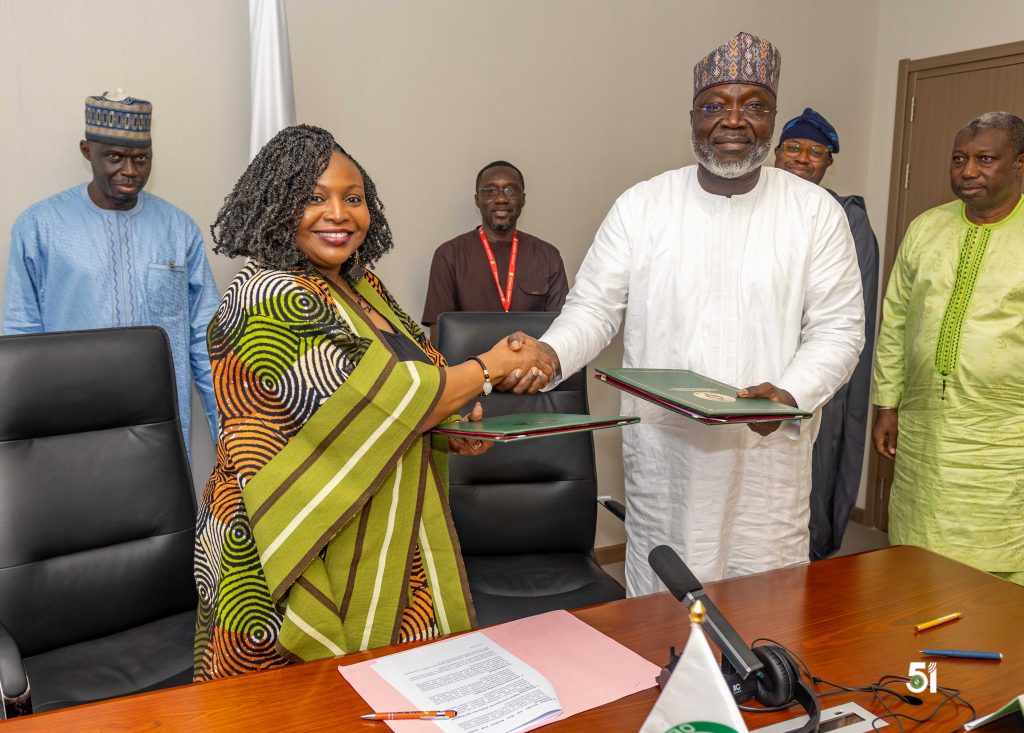
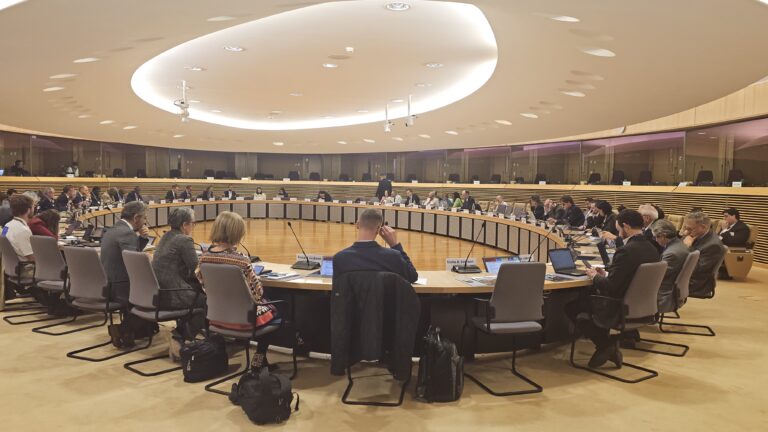
The ECOWAS Commission has reinforced its commitment to citizen-centred regional integration with the signing of a Memorandum of Understanding (MoU) with the West Africa Civil Society Institute (WACSI), marking a significant step towards strengthening peace, democratic governance and sustainable development across West Africa.
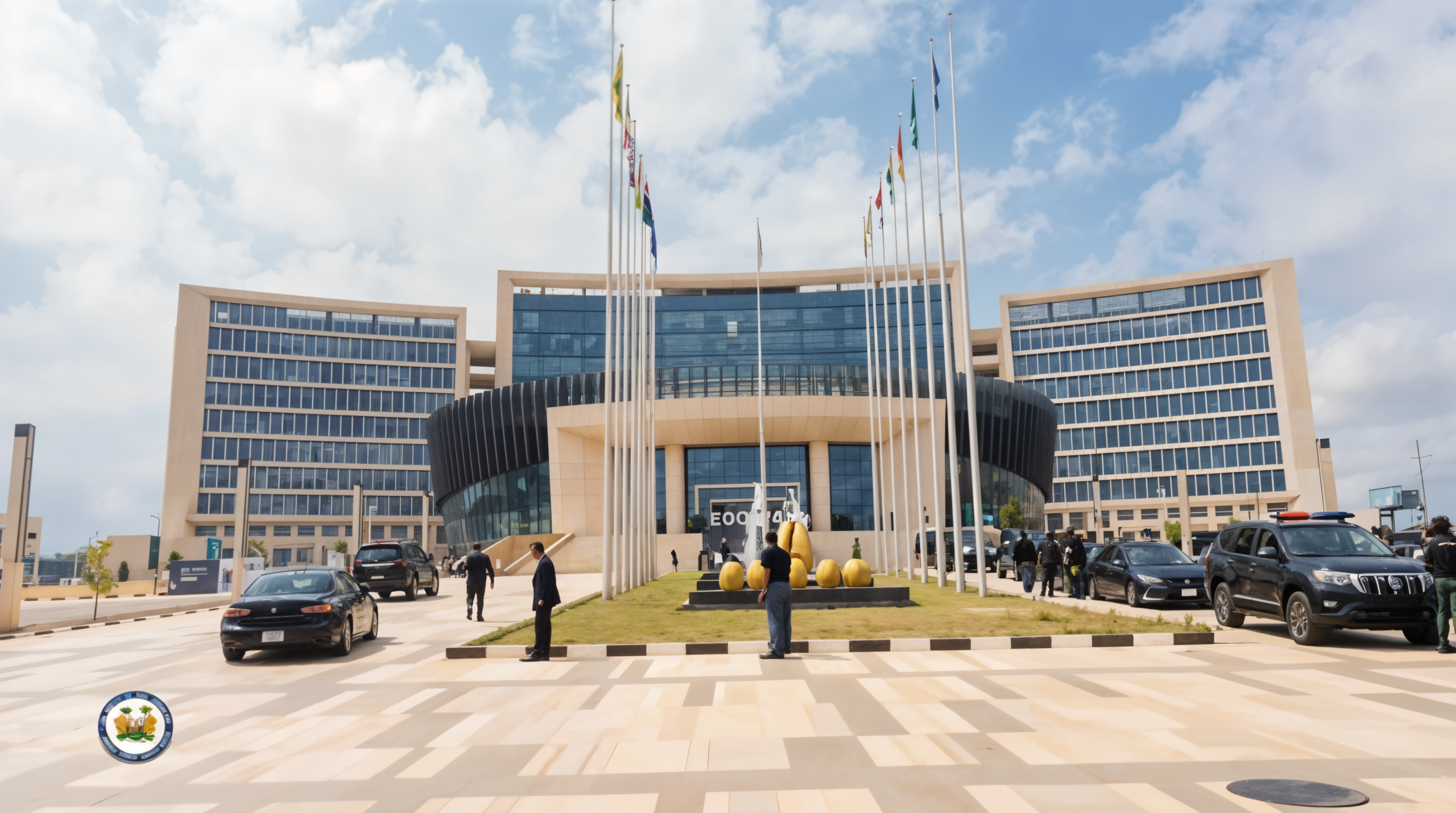
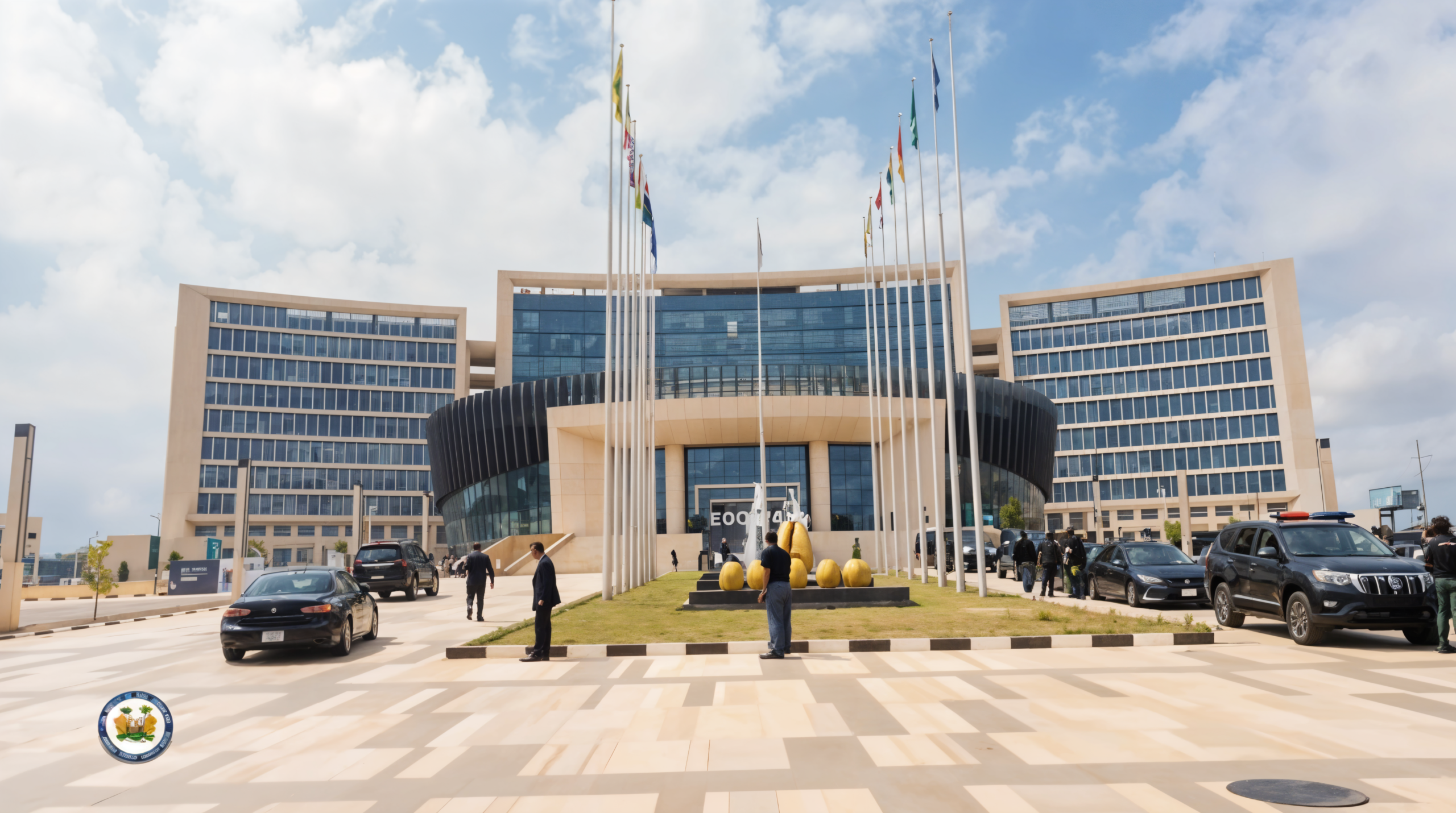
The agreement was signed by the President of the ECOWAS Commission, Dr. Alieu Omar Touray, and the Executive Director of WACSI, Dr. Nana Asantewa Afadzinu, at the ECOWAS Commission’s new headquarters in Abuja, Nigeria, on 3 July 2026.
The Memorandum of Understanding represents far more than a formal agreement between two institutions. It embodies a shared commitment to strategic partnership, constructive dialogue and collective action to advance a peaceful, democratic, prosperous and resilient West Africa.
By institutionalising this collaboration, ECOWAS and WACSI have established a stronger framework for engagement that will enhance cooperation on key regional priorities while placing citizens at the centre of the regional integration agenda, in line with the aspirations of ECOWAS Vision 2050.
Under the agreement, both institutions will collaborate in strategic areas, including strengthening preventive diplomacy and democratic resilience; advancing human rights, civic space and inclusive governance; deepening citizen engagement and democratic accountability; building stronger and more resilient civil society institutions; and harnessing digital innovation to promote democracy and regional integration.
Speaking at the signing ceremony, the President of the ECOWAS Commission, Dr. Touray, described the partnership as both timely and strategic, noting that the region continues to navigate a complex landscape of political, security and socio-economic challenges.
He observed that West Africa continues to confront interconnected challenges, including unconstitutional changes of government, fragile political transitions, violent extremism, shrinking civic space, youth unemployment, climate-related pressures and an increasingly constrained development financing landscape. He stressed that these challenges require stronger partnerships, innovative approaches and coordinated responses that harness the comparative strengths of governments, regional institutions and civil society.
Dr. Touray noted that through the partnership, ECOWAS seeks to strengthen preventive diplomacy, enhance citizen participation and reinforce democratic resilience throughout the region. He also commended WACSI for its outstanding contribution to strengthening civil society across West Africa over the past two decades.
“The true value of this Memorandum will be measured not by its signing but by the tangible results it delivers for the people of West Africa”.
Let this partnership serve as a model of constructive collaboration between regional institutions and civil society—one founded on mutual trust, shared responsibility, innovation and measurable impact. Together, we can build a more peaceful, democratic, inclusive and resilient West Africa for present and future generations,” he stated.
Responding on behalf of WACSI, Dr. Nana Asantewa Afadzinu described the signing of the Memorandum of Understanding as an “epochal” milestone that demonstrates ECOWAS’ commitment to becoming a truly people-centred regional organisation.
Dr. Afadzinu noted that WACSI’s vision of a peaceful, secure and prosperous West Africa, driven by its people, aligns closely with that of ECOWAS. She emphasised that citizen participation has always been central to the Institute’s mission and commended the Commission for deepening its engagement with civil society.
She observed that although WACSI has enjoyed a longstanding relationship with ECOWAS, the new MoU significantly strengthens that partnership by providing a formal framework for collaboration. According to her, the agreement also empowers WACSI to help bring civil society organisations closer to ECOWAS and strengthen citizens’ participation in regional affairs.
Dr. Afadzinu added that the partnership would help bridge the knowledge gap between ECOWAS and civil society organisations through enhanced collaboration, dialogue and mutual understanding, ultimately contributing to more inclusive governance and stronger regional integration across West Africa.
Discover how ECOWAS is transforming communities, economies and the lives of West African citizens — one story at a time.