Initializing...
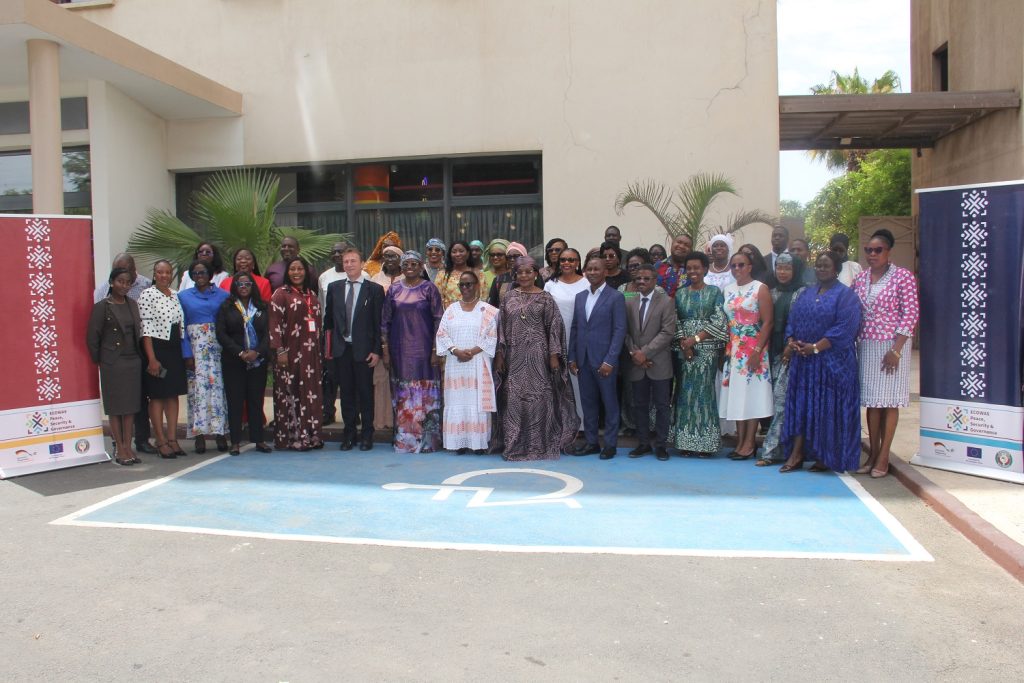
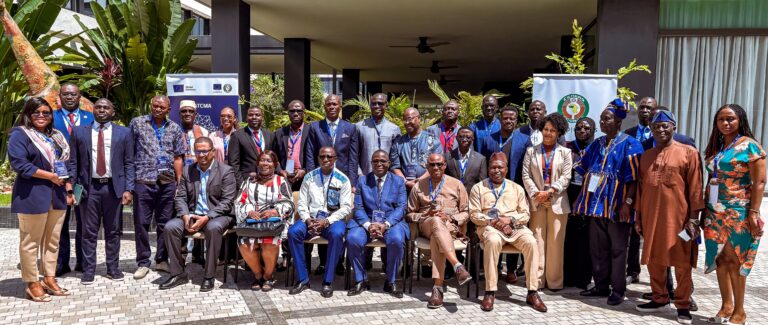
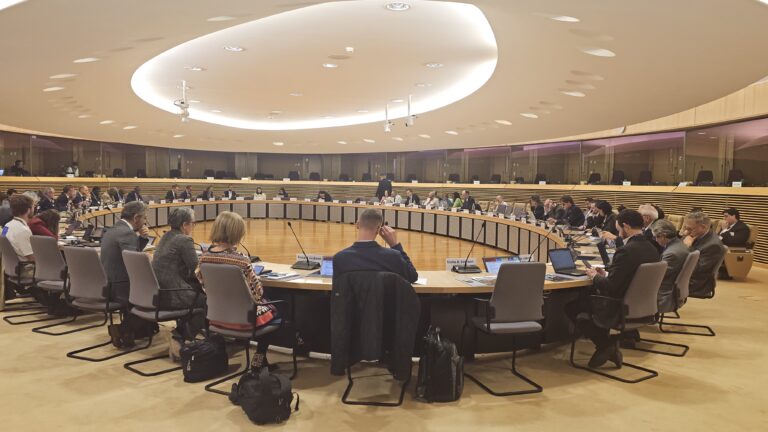
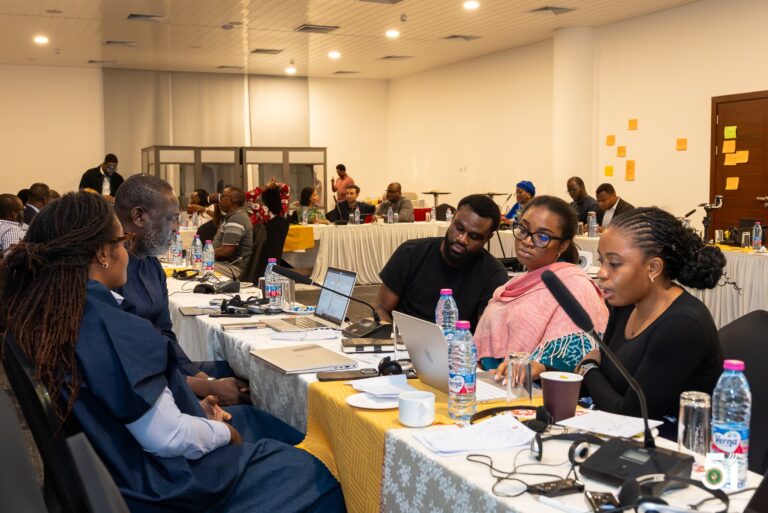
The ECOWAS Commission, through its Directorate of Humanitarian and Social Affairs (DHSA), in collaboration with the West Africa Network for Peacebuilding (WANEP) and the ECOWAS Peace, Security and Governance (EPSG) Project, (which is co-financed by the EU, BMZ and the Royal Danish Embassy and implemented by GIZ) successfully convened the 2026 First Annual Regional Meeting of the ECOWAS Women, Peace and Security Regional Steering Group (WPS-RSG) in a hybrid format from 24 to 25 June 2026 in Dakar, Senegal, bringing together participants both in person and online from across the ECOWAS region.
Held under the theme “Strengthening Regional Coordination, Monitoring, Reporting and Accountability for the Implementation of the Women, Peace and Security Agenda in West Africa,” the meeting reaffirmed ECOWAS’ commitment to strengthening regional coordination, improving evidence-based monitoring systems, and enhancing accountability in the implementation of the Women, Peace and Security (WPS) Agenda across its Member States.
The meeting brought together representatives of ECOWAS Member States, the African Union Commission, regional institutions, development partners, civil society organisations, women’s networks, Centres of Excellence, and members of the ECOWAS Women, Peace and Security Regional Steering Group to review progress achieved since the establishment of the Regional Steering Group in 2023 and to define strategic priorities for the next regional reporting cycle.
Opening the meeting, Mrs. Levinia Addae-Mensah, Executive Director of WANEP, emphasized that the rapidly evolving security landscape in West Africa, including violent extremism, political transitions, humanitarian crises and climate-related insecurity, requires stronger regional cooperation, reliable evidence and more effective accountability mechanisms. She underscored that quality data remains essential for measuring progress, informing policy decisions and ensuring that commitments made under the Women, Peace and Security Agenda translate into tangible improvements in the lives of women and girls.
Speaking on behalf of the European Union and Team Europe partners, Mr. Christophe Casas, representing the European Union Delegation to Senegal, reaffirmed the unwavering support of the European Union, Germany and Denmark for regional initiatives that strengthen democratic governance, accountable security institutions and inclusive peacebuilding. He noted that resilient institutions, and regional cooperation remain indispensable for addressing the complex peace and security challenges confronting West Africa.
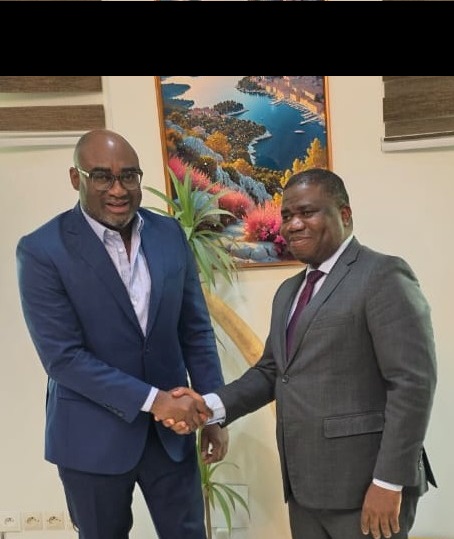
Delivering a message on behalf of His Excellency Dr. Julius Maada Bio, President of the Republic of Sierra Leone and Chair of the ECOWAS Authority of Heads of State and Government, Mr. Harry Abdul Mahoi commended ECOWAS for sustaining regional leadership in implementing the Women, Peace and Security Agenda. He highlighted the significant progress made by Member States, particularly in the development and implementation of National Action Plans, while calling for greater investment in regional coordination, sustainable financing, stronger monitoring systems and enhanced accountability to consolidate the gains already achieved.
In her keynote address, H.E. Ambassador Liberata Mulamula, African Union Special Envoy on Women, Peace and Security, applauded ECOWAS for institutionalising regional monitoring and reporting mechanisms that support the implementation of the African Union Continental Results Framework (CRF). She emphasized that robust monitoring systems, quality data and institutional accountability are essential to translating policy commitments into measurable outcomes and commended the Commission’s efforts to simplify the regional reporting framework in order to strengthen evidence-based decision-making across Member States.
Addressing participants, Professor Fatou Sow Sarr, ECOWAS Commissioner for Human Development and Social Affairs, reaffirmed the Commission’s commitment to ensuring that the Women, Peace and Security Agenda remains central to regional peacebuilding and governance efforts. She noted that since the establishment of the Regional Steering Group, ECOWAS has significantly strengthened Member States’ capacities to operationalise the Continental Results Framework through national training workshops and stakeholder coordination mechanisms. She stressed that the Regional Steering Group has become a strategic platform for regional coordination, peer learning, monitoring and accountability, enabling Member States to move beyond policy commitments towards measurable results that improve the lives of women and girls across West Africa.
Officially opening the meeting, Mrs. Marie Angélique Mame Selbe Diouf, Honourable Minister of Women, Family and Children of the Republic of Senegal, reaffirmed Senegal’s commitment to advancing the Women, Peace and Security Agenda and welcomed participants to Dakar. She highlighted the importance of stronger regional cooperation, harmonised reporting systems and effective accountability mechanisms in addressing the increasingly complex security and humanitarian challenges facing the region, while emphasizing the central role of women as agents of peace, resilience and sustainable development.
Throughout the two-day meeting, participants assessed lessons learned from the previous regional reporting cycle and reviewed the implementation of the Continental Results Framework across ECOWAS Member States. Deliberations focused on strengthening institutional coordination, improving the quality and reliability of regional data, harmonising monitoring methodologies, and enhancing collaboration among governments, regional institutions, civil society organisations and development partners.
A major outcome of the meeting was the validation of the revised Simplified Continental Results Framework (CRF) Questionnaire, a key regional monitoring tool designed to facilitate harmonised data collection and reporting on the implementation of the WPS Agenda. Participants also endorsed a roadmap for the 2026 regional data collection exercise, which will inform the preparation of the next ECOWAS Regional Women, Peace and Security Report.
The meeting further reaffirmed the importance of strengthening national ownership of monitoring and reporting processes, increasing investments in data systems, and fostering stronger partnerships to address emerging threats affecting women and girls, including violent extremism, unconstitutional changes of government, displacement, climate insecurity, cybercrime, trafficking and sexual and gender-based violence.
As the meeting concluded, Member States and partners renewed their collective commitment to strengthening regional coordination, promoting evidence-based policymaking, improving accountability and accelerating the effective implementation of the WPS Agenda throughout West Africa.
Through the Regional Steering Group, ECOWAS continues to consolidate a regional platform that promotes peer learning, shared responsibility and collective action, ensuring that women remain at the centre of peacebuilding, conflict prevention, governance and sustainable development efforts across the region.
Discover how ECOWAS is transforming communities, economies and the lives of West African citizens — one story at a time.