Initializing...
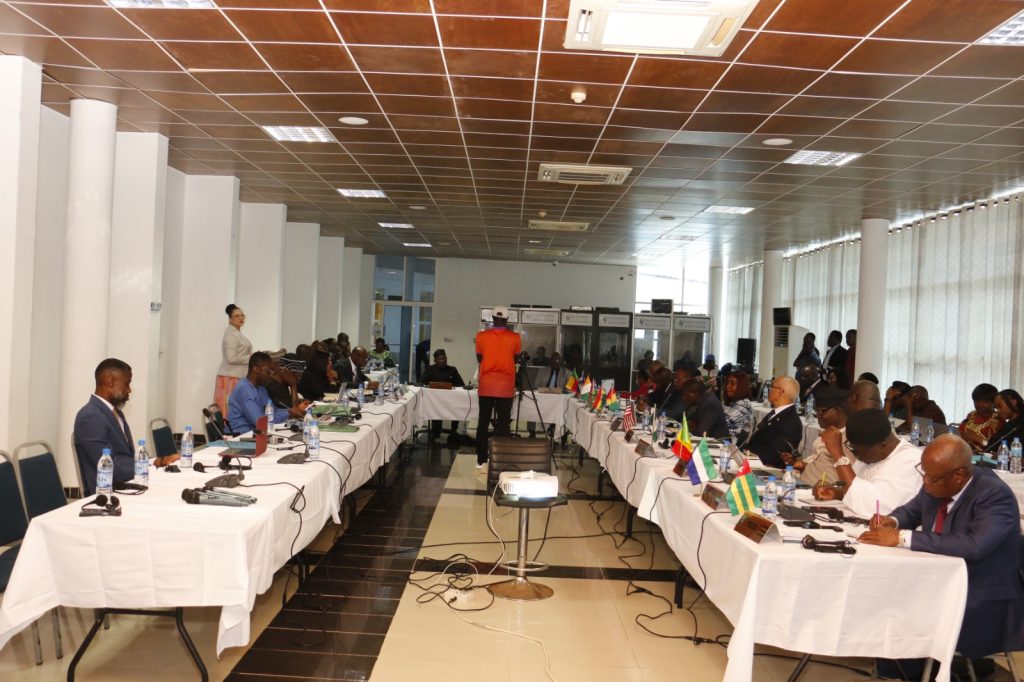
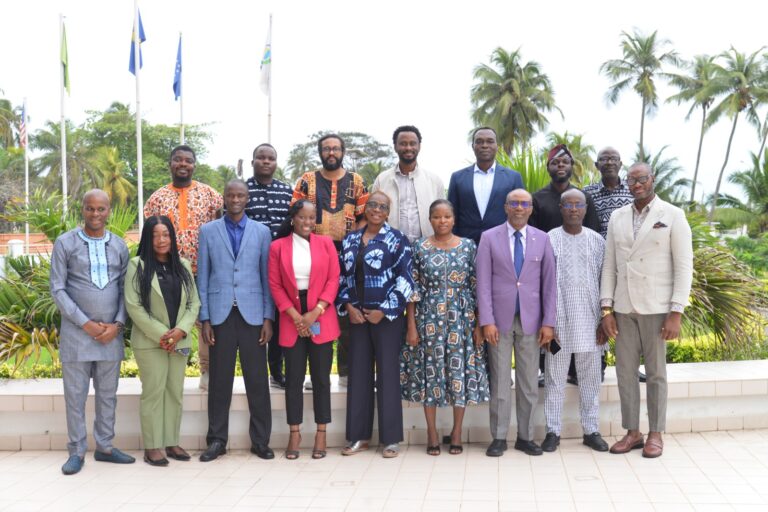
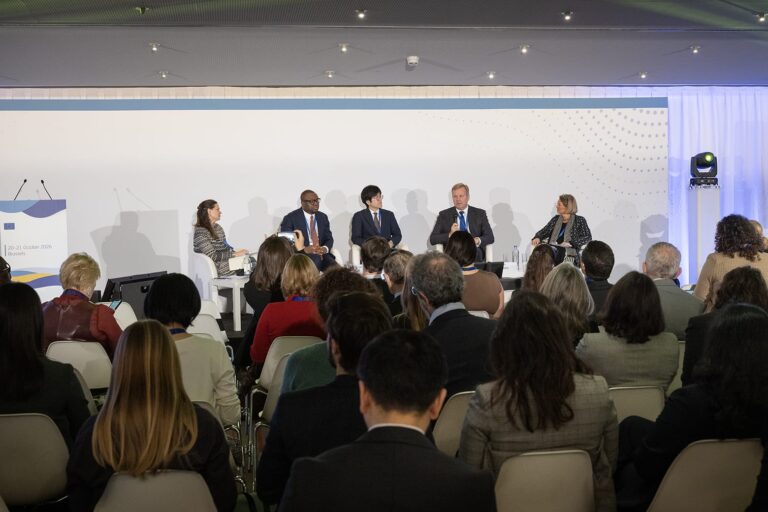
Against the backdrop of an increasingly complex political and security environment in West Africa, the Forty-Fourth Session of the ECOWAS Mediation and Security Council (MSC) at the Ambassadorial Level convened in Freetown, Republic of Sierra Leone, on 9 July 2026, bringing together the Permanent Representatives of ECOWAS Member States to assess emerging regional challenges and advance strategic policy recommendations ahead of the forthcoming Summit on the Future of Regional Integration. Over the course of the two-day session, the Council is examining key memoranda designed to reinforce preventive diplomacy, strengthen democratic governance, enhance collective security and improve the effectiveness of the Community’s peace and security architecture.
Opening the session, the ECOWAS Commissioner for Political Affairs, Peace and Security, H.E. Ambassador Abdel-Fatau Musah, PhD, emphasised that West Africa has reached a defining moment that demands unity of purpose, strategic foresight and decisive collective action. He stressed that the persistence of terrorism and violent extremism, transnational organised crime, maritime insecurity, humanitarian pressures, unconstitutional changes of government and other interconnected threats requires stronger regional solidarity, accelerated operationalisation of the ECOWAS Standby Force, enhanced Early Warning and Response mechanisms and sustainable financing to safeguard peace, democracy, constitutional order and regional stability.
Chairing the session, H.E. Ambassador Julius F. Sandy, Chair of the ECOWAS Permanent Representatives Committee, reaffirmed the Committee’s strategic responsibility in scrutinising the Commission’s policy memoranda and ensuring that its recommendations provide a coherent basis for consideration by the Mediation and Security Council at the Ministerial Level. He further underscored the importance of maintaining a coordinated regional approach capable of translating policy decisions into effective collective action in support of the Community’s integration agenda.
The Council reviewed memoranda on the political and security situation in the region, the activation of the ECOWAS Standby Force, humanitarian developments, electoral assistance and observation, the operationalisation of the ECOWAS Early Warning and Response architecture, as well as initiatives to strengthen cybersecurity, digital governance and regional cooperation. Deliberations highlighted the imperative of reinforcing institutional resilience, improving coordination among Member States and enhancing the Community’s capacity to anticipate, prevent and respond effectively to evolving threats to peace, security and democratic governance.
The Council further reaffirmed that peace, security, democracy and good governance remain indispensable pillars of regional integration and sustainable development. Delegations emphasised the importance of strengthening regional ownership of peace and security initiatives while consolidating the institutional frameworks necessary to deliver effective, coordinated and people-centred responses to the complex challenges confronting the Community.
The Ambassadorial Session continues on 10 July 2026, when the Council is expected to conclude its deliberations and adopt recommendations for submission to the Fifty-Sixth Session of the ECOWAS Mediation and Security Council at the Ministerial Level, ahead of their consideration by the Authority of Heads of State and Government during the forthcoming Summit on the Future of Regional Integration.
Discover how ECOWAS is transforming communities, economies and the lives of West African citizens — one story at a time.