Initializing...
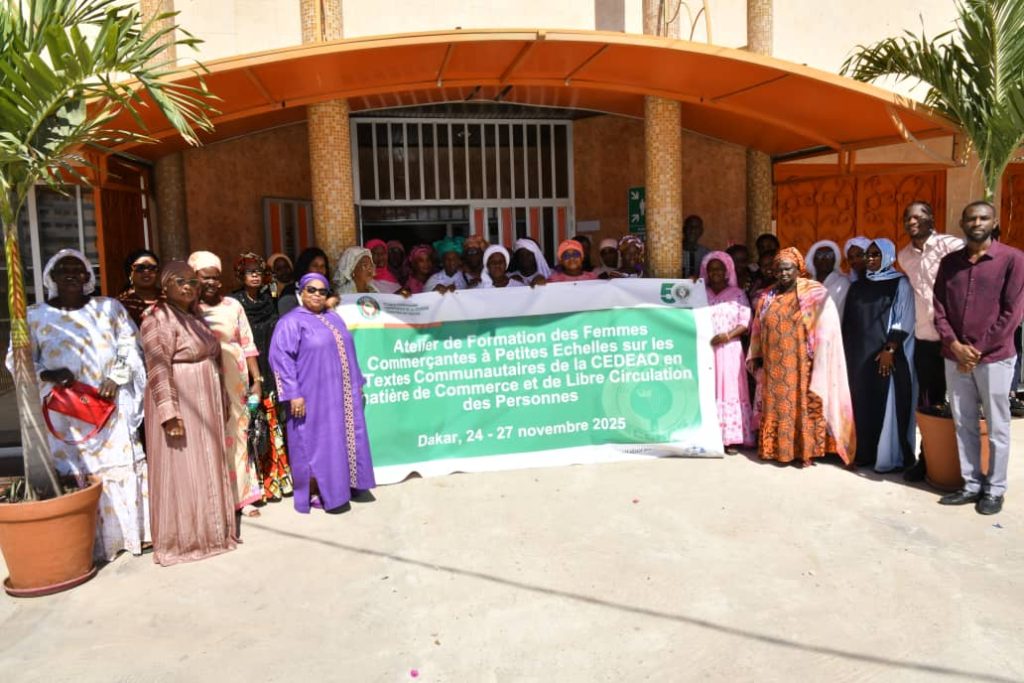
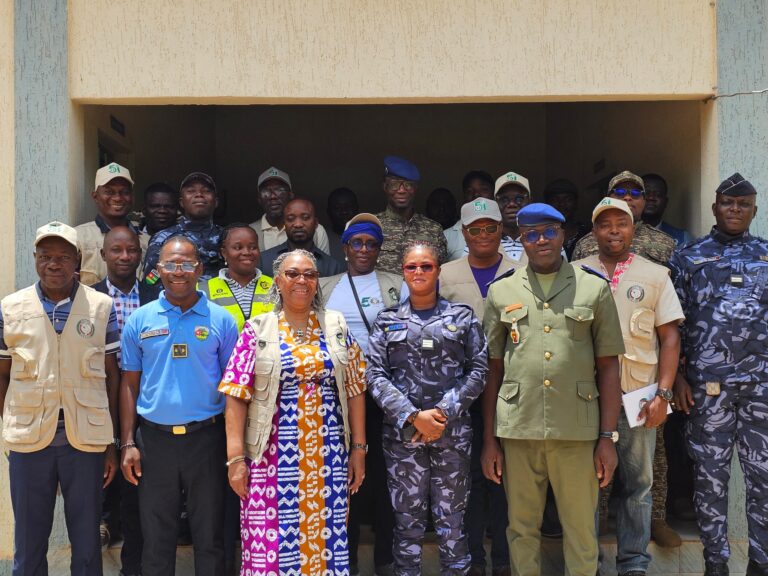
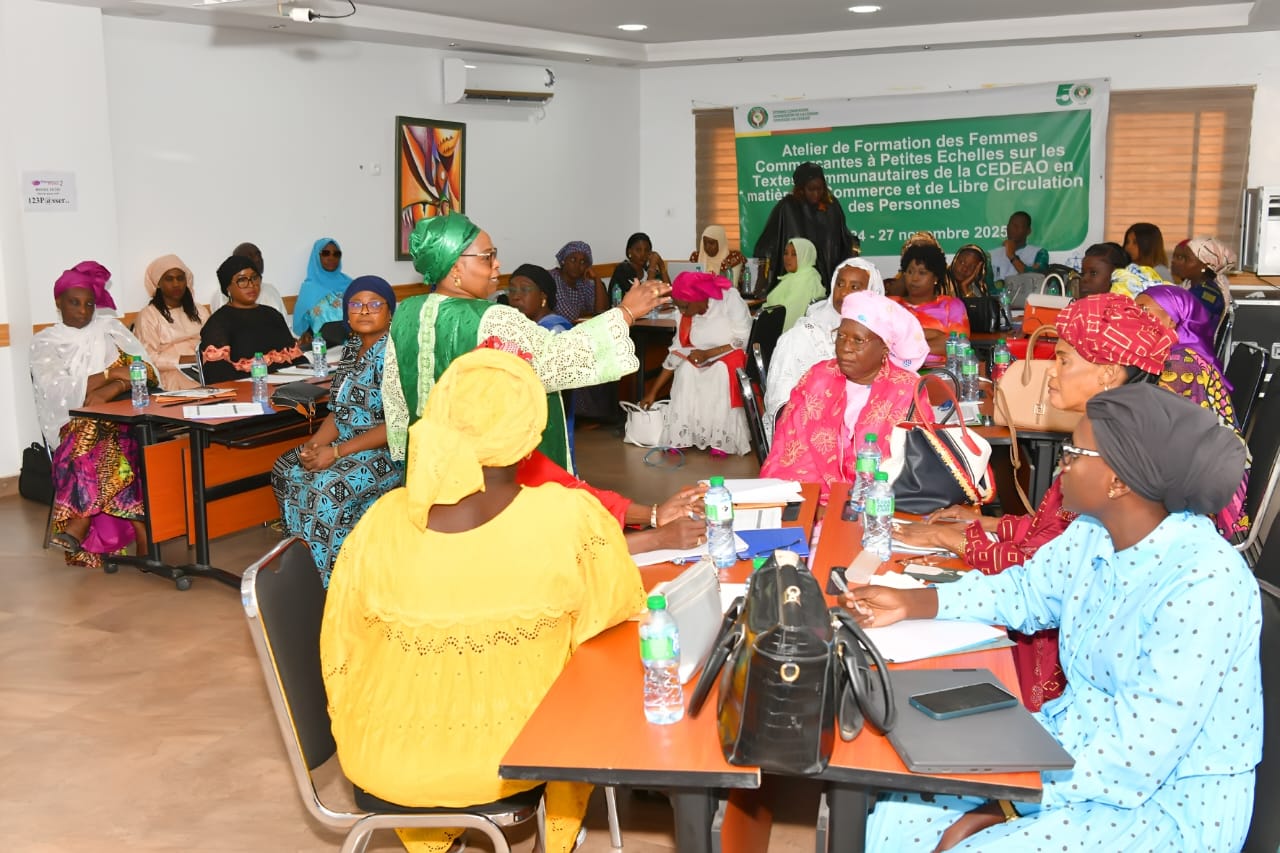
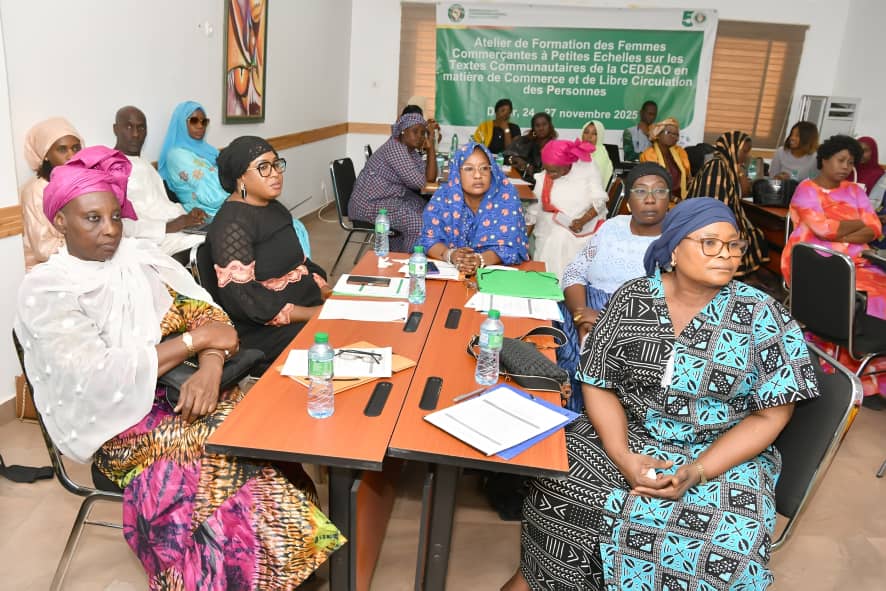
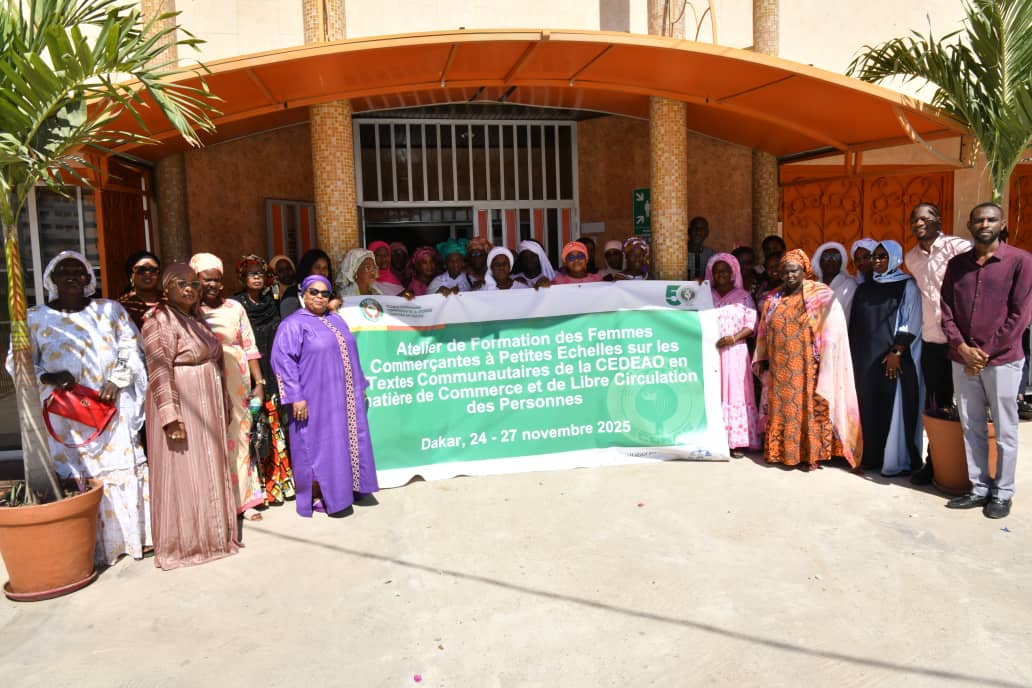
The ECOWAS Commission, in collaboration with the NGO Women in Law and Development in Africa (West Africa chapter), organised a training workshop for women traders and entrepreneurs in the agri-food sector on Community texts relating to trade and the free movement of persons, from 24th to 27th November 2025 in Dakar.
In his opening speech, the ECOWAS representative emphasised that the workshop was part of the celebrations marking the 50th anniversary of ECOWAS and highlighted the importance of the social and economic inclusion of women and young people, which is one of the pillars of Vision 2050 and the Strategic Objectives of the ECOWAS Commission. While recalling the prominent role of women in cross-border trade in West Africa, he highlighted important instruments adopted by ECOWAS to create an environment conducive to the economic empowerment of women traders. These include the ECOWAS Gender and Trade Action Plan, the implementation strategies for the AfCFTA and e-commerce, and the Action Plan of the Women in Trade Sub-Committee within the framework of the Regional Trade Facilitation Committee. He recalled that the objective of the workshop is to strengthen the competitiveness of women traders so that they can better integrate into regional trade and contribute to reducing unemployment and poverty.
In turn, the representative of the Senegalese Minister of Industry and Trade welcomed the ECOWAS and WILDAF initiative aimed at strengthening women’s capacities to better understand community texts on trade and free movement. He recalled that despite the importance of SMEs and women traders in the West African economy, they face many structural challenges. He stressed the need to improve access to finance, infrastructure, digitalisation and regional markets, while calling on participants to seize this opportunity to strengthen their role in cross-border trade. He concluded with a message of hope and encouragement, reaffirming the region’s commitment to promoting gender equality and the development of micro, small and medium-sized enterprises.
In her welcome speech, the representative of the Minister of Family, Social Action and Solidarity recalled the results of the Awareness Caravan organised by the ECOWAS Commission along the Dakar-Banjul-Bissau corridor, which highlighted the many obstacles faced by women traders, including administrative burdens, harassment and abuse at borders. She therefore encouraged the participants to make the workshop a space for learning and solidarity, reaffirming her ministry’s commitment to supporting these key players in regional integration, before wishing the workshop every success.
In her speech, the representative of the WiLDAF–West Africa Coordinator also highlighted the many obstacles faced by women traders, including difficulties in accessing information and security risks. She indicated that the workshop aims to strengthen women’s capacities to better understand their rights, master legal instruments and trade facilitation mechanisms, improve the compliance and competitiveness of their products, and develop safe and sustainable business practices. She reaffirmed WiLDAF-AO’s commitment to women’s economic empowerment and reiterated that women are key players in regional integration.
Over four days, participants were equipped with knowledge on the fundamental principles of women’s human and socio-economic rights, including issues related to violations, gender inequalities and the realities experienced by cross-border traders. They were introduced to the ECOWAS community framework on trade and the movement of persons, such as rules on residence and establishment, documents and procedures related to cross-border trade, and the impact of national policies on their activities. The training also strengthened the skills of women traders in communication, community mobilisation and leadership, with a particular focus on advocacy techniques and the influence of political decisions on trade, so that they know how to defend their rights, make their needs heard and actively participate in trade governance dynamics at national and regional level.
Discover how ECOWAS is transforming communities, economies and the lives of West African citizens — one story at a time.