Initializing...
The Economic Community of West African States (ECOWAS) Commission should examine and facilitate the establishment of regional mechanisms for data integration and sharing, particularly for flood monitoring and forecasting, in order to ensure that its member states have rapid access to relevant data and tools.
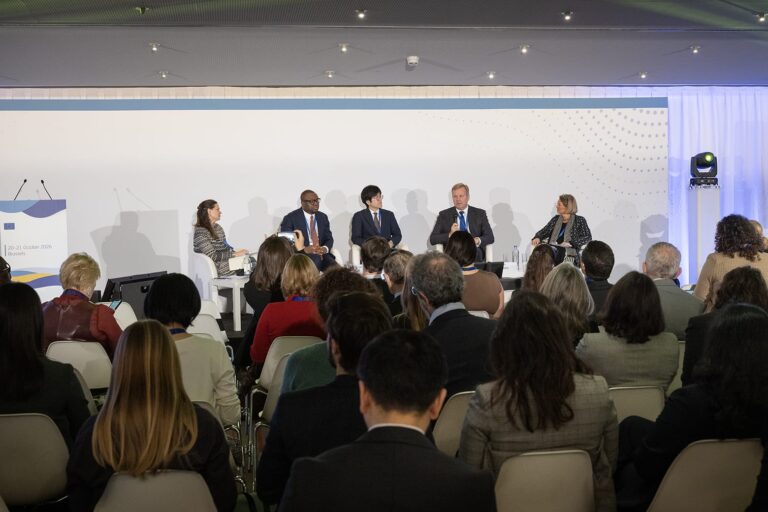
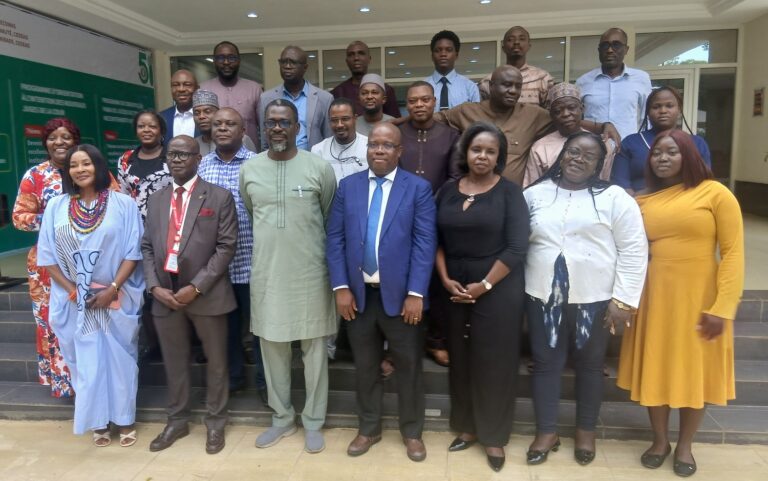
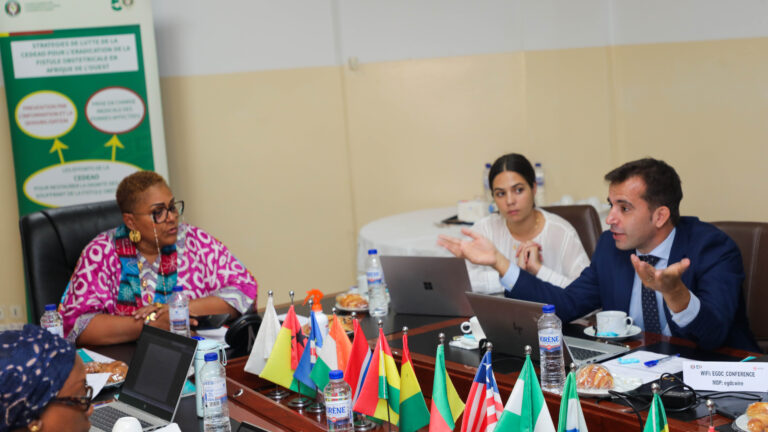
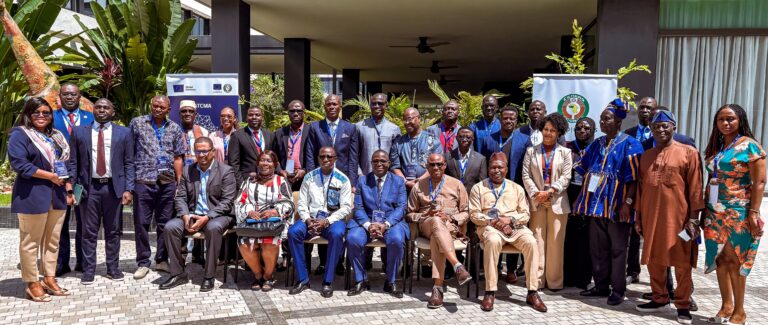
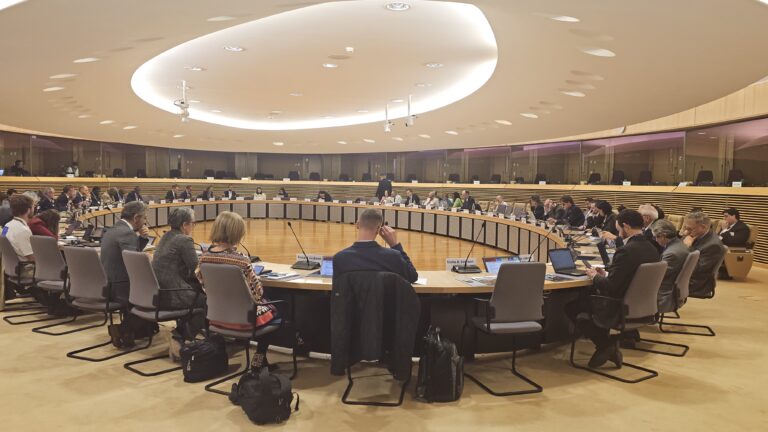
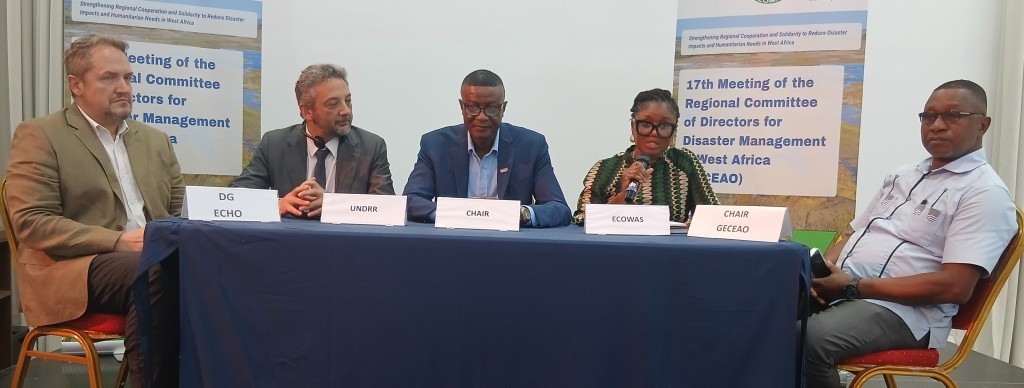
This is one of the key recommendations of the 17th meeting of the Regional Committee of Heads of Disaster Management in West Africa (GECEAO), which concluded on Thursday 23 April 2026 in Abidjan, Côte d’Ivoire.
Improving regional data sharing for flood monitoring and forecasting would address the concerns raised by these states regarding the availability of shared data, following the example of existing agreements at the Volta Basin level.
ECOWAS, its member states and partners are invited to encourage national and regional institutions to work in a more harmonised and responsive manner in the areas of early warning, prevention, mitigation, preparedness, response and recovery.
Participants at the meeting called for capacity building in communication and the dissemination of risk messages, with the aim of improving the translation of technical forecast information into clear and actionable messages for decision-makers, communities and stakeholders.
They urged stakeholders to strengthen their collaboration and promote the co-production of meteorological, hydrological and climate information, so that products are tailored to users’ needs and support planning in sectors such as disaster management, agriculture, food security and water resources.
Another decision from the consultation concerns strengthening the link between early warning and early action. To this end, ECOWAS member states and partners are called upon to better institutionalise procedures linking warning information to pre-established operational actions, including early preparedness measures, emergency planning, resource mobilisation and coordination with local authorities.
These states are urged to support innovation through investment in innovative digital tools, including artificial intelligence-based systems for risk monitoring, forecasting and real-time updates.
Participants also suggested accelerating recovery preparedness. Thus, the revised roadmap, aimed at strengthening recovery preparedness in West Africa, should be approved and implemented, alongside the regional roster of recovery experts, in order to improve the quality and speed of post-disaster recovery responses.
They further recommended advancing urban and risk-based resilience planning. ECOWAS member states are urged to integrate disaster risk reduction and climate action into national and urban development planning, paying particular attention to urban resilience, pressure on infrastructure and risks associated with rapid urbanisation.
Strengthening technical capacity and the use of forecasts is also among the conclusions of this meeting. ECOWAS, which already supports other regional institutions, is asked to continue assisting its member states through training, forecast verification, user engagement and technical assistance.
Similarly, the role of meteorological institutions should be clearly defined and made mandatory at all levels, whilst ensuring their full integration into disaster risk management and decision-making processes.
On a completely different note, the GECEAO committee emphasised the importance of adequate funding to address issues related to disaster risk management, and called on ECOWAS to step up high-level advocacy with West African heads of state and government on financing resilience.
The committee also recommended supporting the development of a policy framework on cooperation and solidarity, with a view to institutionalising regional efforts to strengthen resilience to disaster risks.
It further urged ECOWAS, its member states and partners to take steps to implement the adopted mandate and guidelines, notably by aligning national policies with the Regional Resilience Strategy for West Africa.
At the conclusion of the meeting, Ms Nkoyo Francesca Echabor, Humanitarian Programme Officer at the ECOWAS Commission, welcomed the participants’ adoption of these various recommendations as well as the final report of this 17th meeting of the GECEAO.
On behalf of the Commissioner for Human Development and Social Affairs of the said Commission, Prof. Fatou Sow Sarr, she expressed her deep gratitude to the participants for their contributions, their relevant recommendations and their active participation in the meeting.
Discover how ECOWAS is transforming communities, economies and the lives of West African citizens — one story at a time.