Initializing...
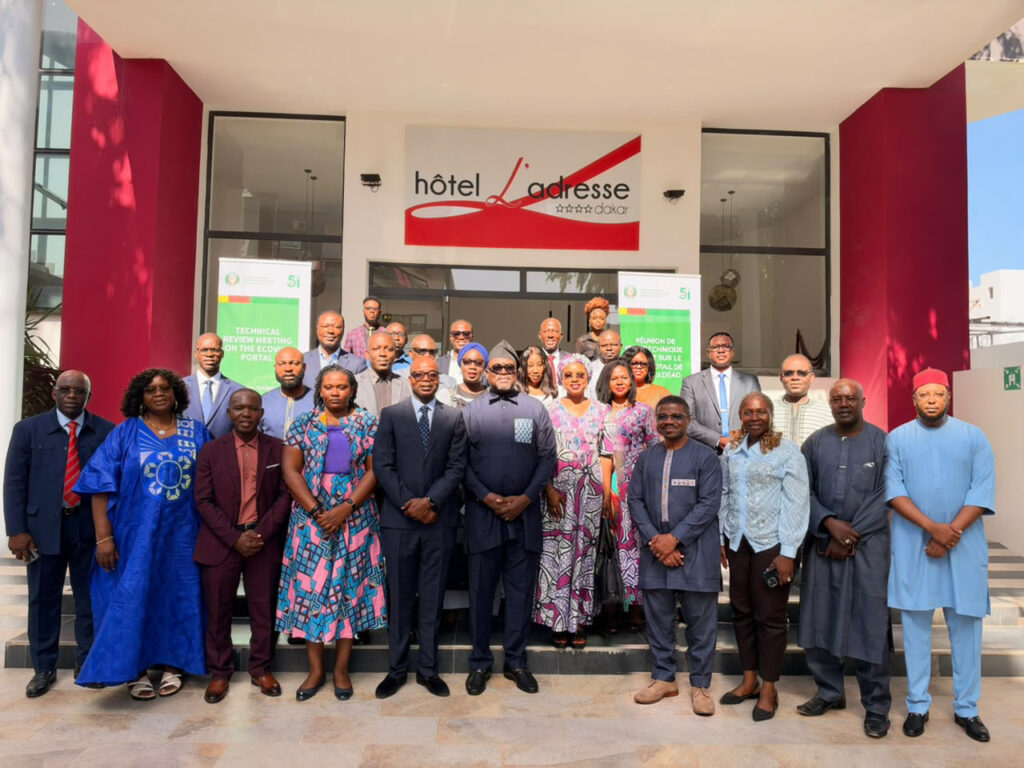
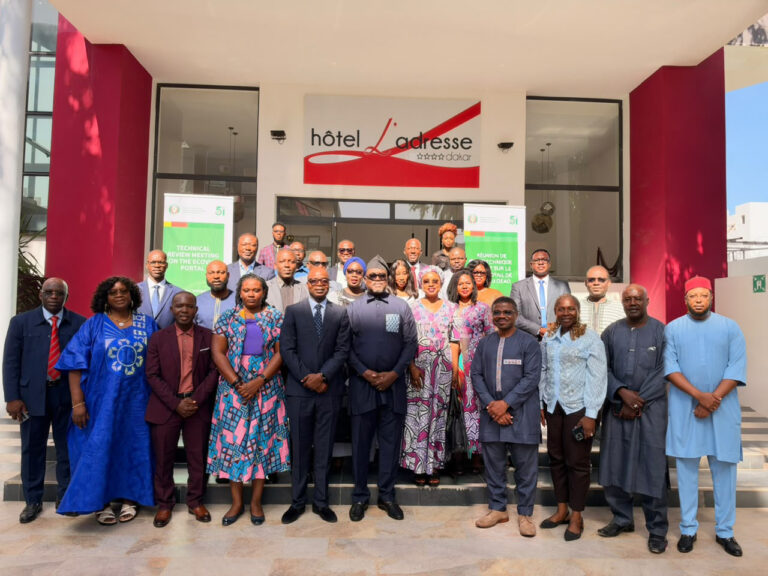
The ECOWAS Commission, through its Directorate of Free Movement of Persons, Migration and Tourism, convened a Technical Review Meeting on the ECOVISA Portal in Dakar from 10 to 12 November 2026. The meeting brought together officials responsible for immigration, visa policy and processing, foreign affairs, information systems and border operations from ECOWAS Member States, the ECOWAS Commission and other invited technical experts.
The meeting advances ECOWAS efforts to build a more integrated West African region, where people can move more easily and Member States can work together to manage mobility. ECOVISA addresses a long-standing gap in the regional free movement architecture. ECOWAS citizens have enjoyed visa-free entry across the region since the 1979 Protocol relating to Free Movement of Persons, Residence and Establishment, yet visitors from outside the region must still obtain a separate visa for each Member State on their itinerary.
A single regional visa – comparable in principle to the Schengen visa – is expected to lower the cost and administrative burden for tourists, business travellers, investors and conference participants, make multi-country travel across West Africa more attractive, and reinforce the region’s ambitions under the African Continental Free Trade Area (AfCFTA) and the African Union’s Agenda 2063. A shared digital platform is equally important for Member States themselves. By giving national authorities a common basis for processing applications, sharing information and coordinating decisions, ECOVISA is designed to ensure that travel facilitation and border security advance together rather than at the expense of one another.
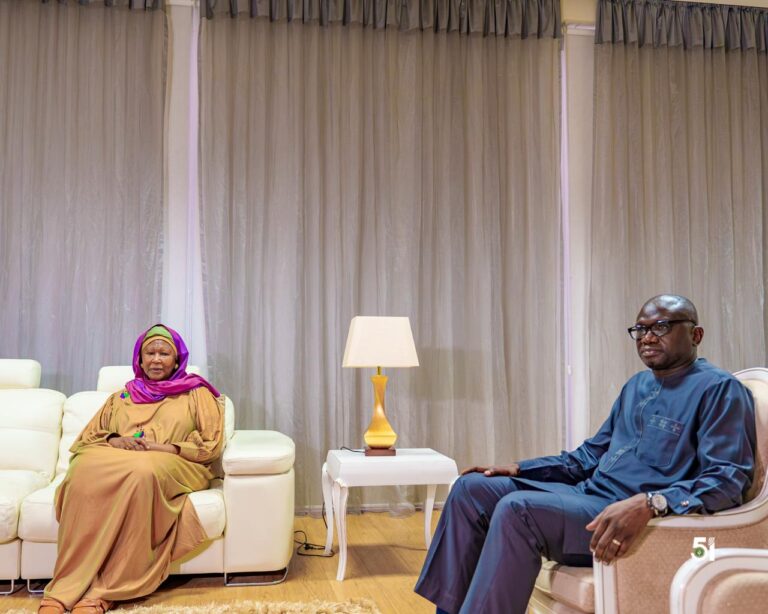
In her welcoming remarks, the Resident Representative of the ECOWAS Commission in Senegal, Madam Zelma NOBRE FASSINOU, described ECOVISA as a practical expression of the vision of a borderless Region#. She highlighted the initiative’s potential to position West Africa as a gateway to the wider world and expressed confidence that the meeting would generate practical recommendations to guide the portal’s development and future operation.
In his opening address on behalf of the President of the ECOWAS Commission, H.E. Gen. Birame Diop, and the Commissioner for Economic Affairs and Agriculture, Mr. Dehpue Zuo, the Director of Free Movement of Persons and Migration, Mr Albert Siaw-Boateng, thanked the Government of Senegal for hosting the meeting and supporting its organisation. Recalling the 2011 Supplementary Act relating to the adoption of ECOVISA, he noted that the initiative builds on the vision of a borderless region articulated by ECOWAS Heads of State and Government in May 2000.
He urged participants to consider the ECOVISA applicant and back-office interfaces, user roles and application workflow, and test scenarios involving applicants, visa officers, supervisors, administrators and reporting users in their review. He further noted that a prototype of the ECOVISA Portal had been developed with support from Trademark Africa. The technical review, he said, was designed to provide Member States with an opportunity to assess how the portal could work in practice and align with national visa systems and procedures.
Discussions examined the portal’s operational readiness, accessibility and multilingual requirements, as well as potential interoperability with national immigration, identity, border-management and payment systems. Participants also documented country-specific legal, policy, institutional, operational and data-protection considerations.
The meeting produced a consolidated assessment of the prototype and Member States’ recommendations and specific requirements. Participants also identified the priority actions to be made ahead of user acceptance testing and piloting, defined minimum conditions and test cases, and set out follow-up actions, responsibilities and timelines.
This review marked a step in translating ECOWAS’ regional mobility commitments into practical systems and coordinated procedures. Continued collaboration among Member States and regional partners will be important as ECOWAS works towards user acceptance testing, piloting and further regional consideration of the ECOVISA Portal.
Discover how ECOWAS is transforming communities, economies and the lives of West African citizens — one story at a time.