Initializing...
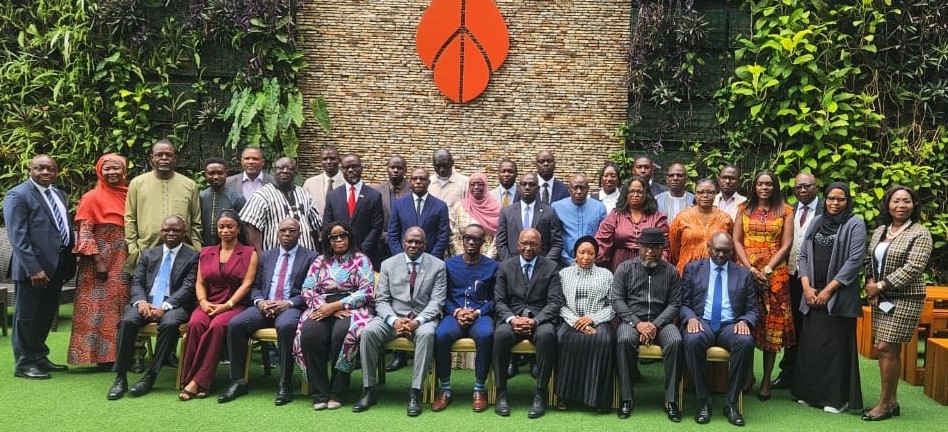
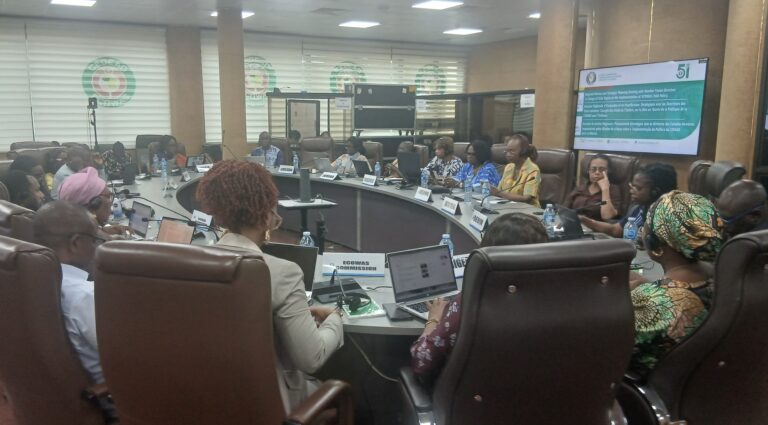
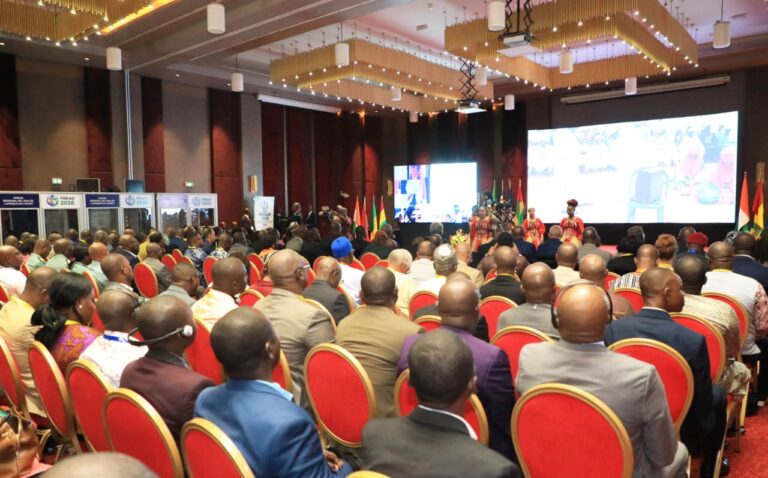
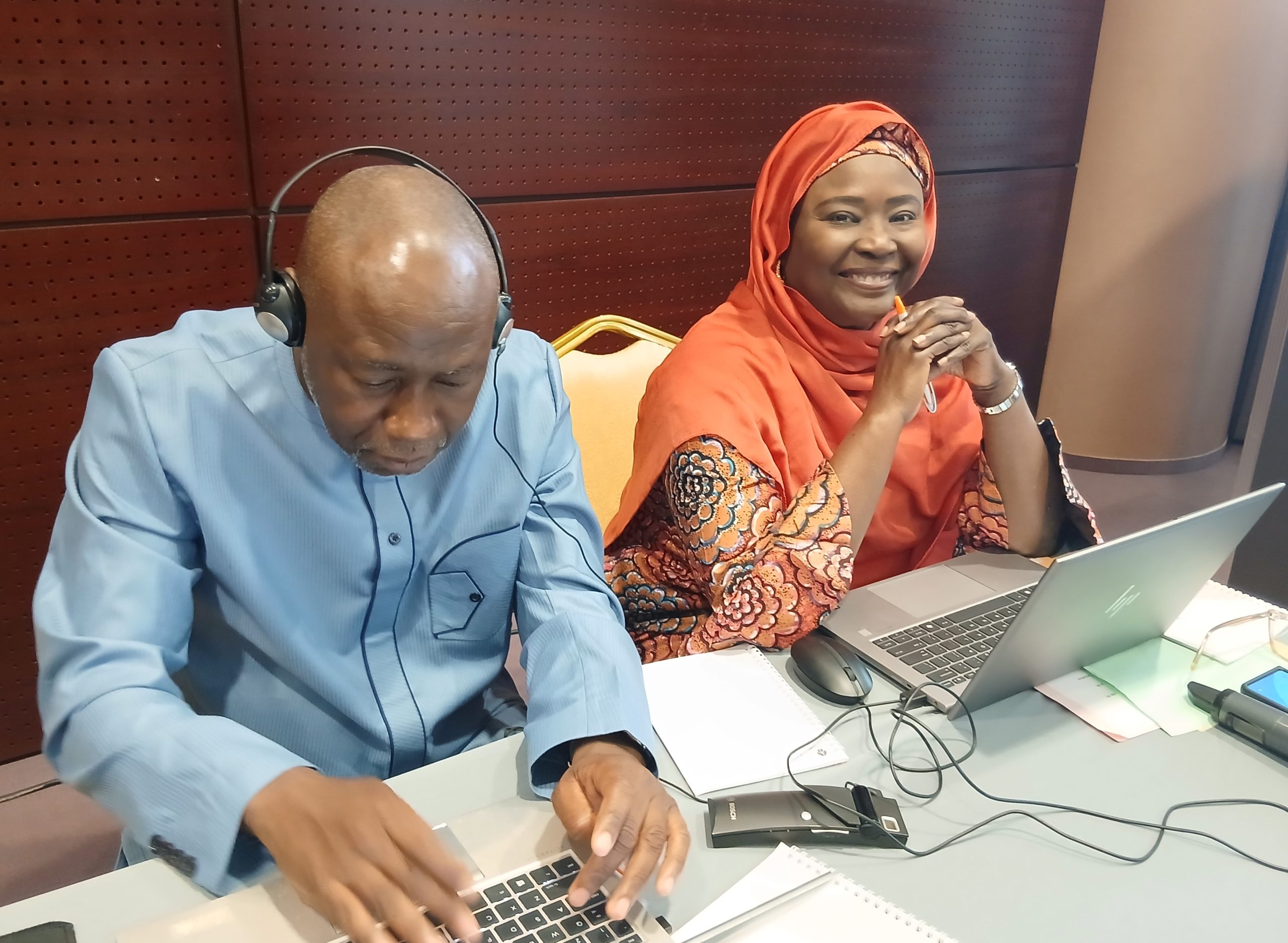
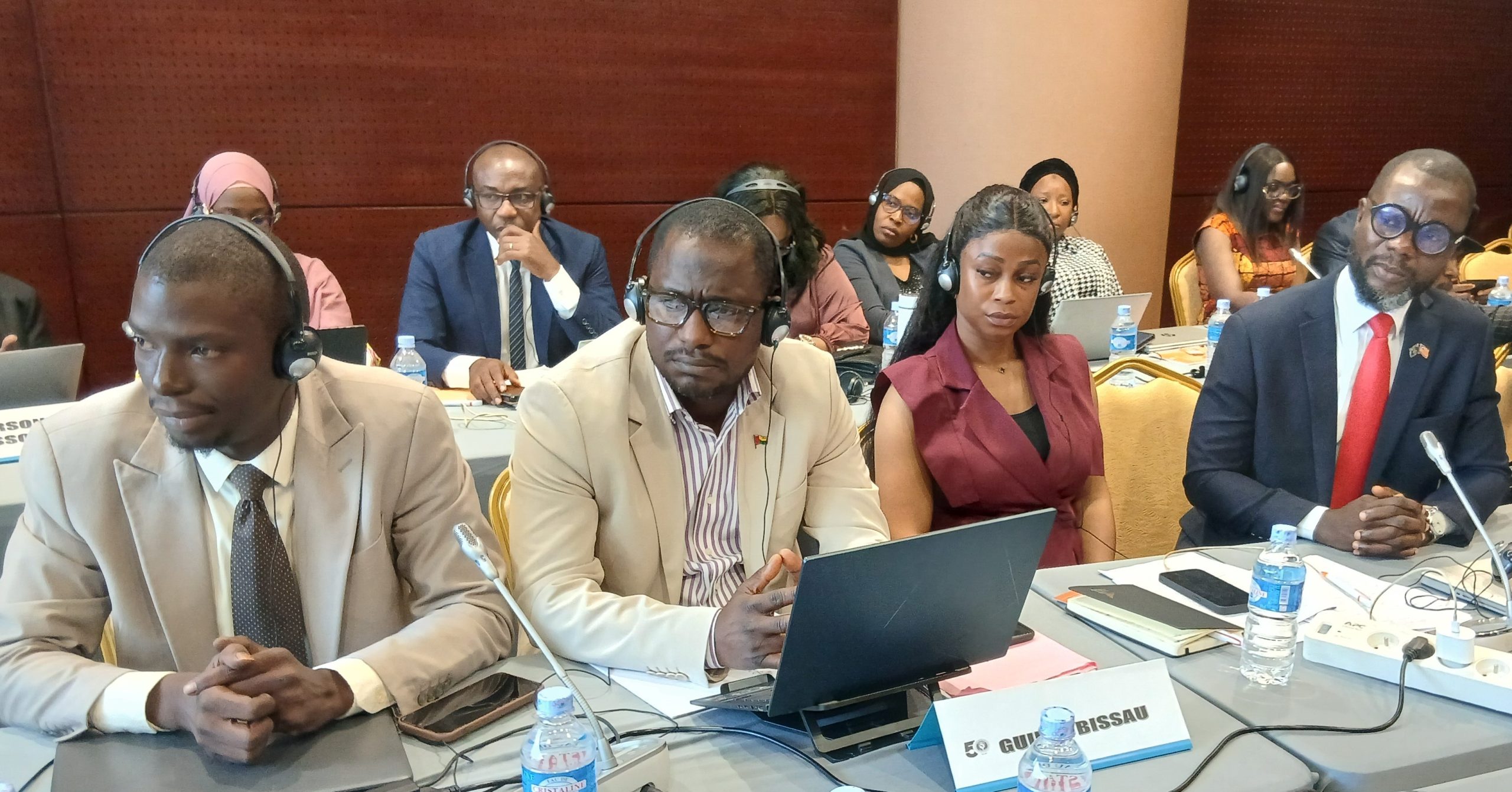
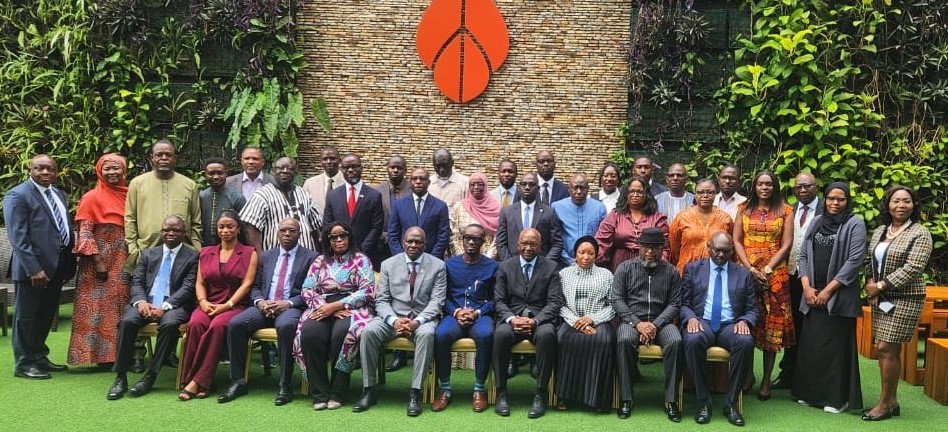
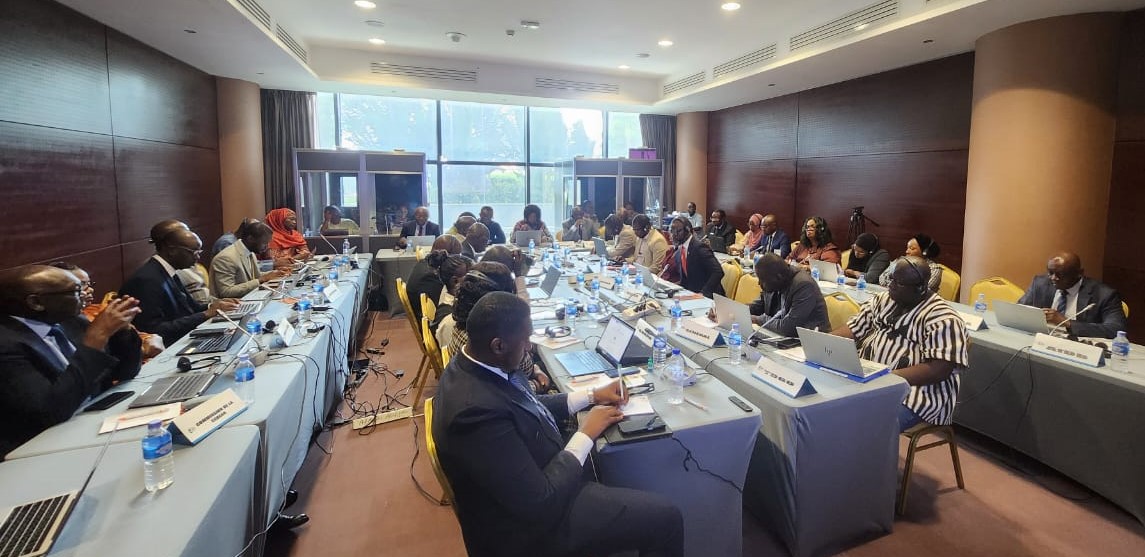
Competition in air transport, consumer protection and dispute resolution mechanisms are on the agenda of a consultative workshop organised by the Economic Community of West African States (ECOWAS), which opened on Wednesday 4 March 2026 in Abidjan, Côte d’Ivoire.
For the ECOWAS Commission’s Director of Transport, Chris Appiah, this meeting marks an important step in the collective journey of ECOWAS member states towards improving the air transport sector in the West African region.
Speaking on behalf of the President of the ECOWAS Commission, Dr. Omar Alieu Touray, who also oversees the Commission’s Infrastructure, Energy and Digitalisation Department, Mr. Appiah recalled the objectives set out in Article 32 of the revised ECOWAS Treaty of 1993 relating to the commitment of these States to develop a coherent policy framework that promotes regional integration in the areas of transport and communications.
Despite its immense potential, the air transport sector in West Africa faces many challenges, such as the misalignment of national frameworks with regional texts, inadequate control mechanisms and the absence of a clear regional mechanism for the implementation of these provisions, Mr Appiah lamented.
Despite these challenges, he noted that the community’s vision for this sector is a robust, transparent and integrated regional air transport system capable of providing safe, reliable, efficient and affordable services.
To realise this vision, he urged ECOWAS Member States to commit collectively to developing common policies and regulations, promoting the development of regional air services, encouraging regional cooperation on flight scheduling and aircraft leasing, and consolidating West African airlines to improve their efficiency and profitability.
Present at the workshop, the Chairman of the ECOWAS Parliament’s Infrastructure Committee, the Honourable Sako Mamadou, welcomed the synergy of action between community institutions to address the challenges of regional integration.
Among these challenges, he cited the distress of passengers faced with sometimes poor services, the lack of effective recourse, and the direct correlation between the prohibitive cost of air tickets and the practices of actors in the aviation sector.
He drew attention to the persistent gap between Community law and national realities, recalling that many ECOWAS Member States are struggling to enforce fundamental regional texts at the national level, such as the Supplementary Act and its amendment relating to passenger compensation, as well as the Additional Act of 15 December 2024, which provides for the abolition of non-compliant taxes.
The failure to apply Community standards creates unacceptable legal uncertainty for travellers and distorts competition between carriers, said the Honourable Sako Mamadou, suggesting that national frameworks for consumer protection should be harmonised, accessible and effective complaint mechanisms should be created, and non-compliant taxes should be combated.
He deplored the existence of 172 different taxes and fees in the ECOWAS region, such as the ticket tax and the solidarity tax, whose abolition, although agreed in December 2024, unfairly burdens the purchasing power of West African citizens.
‘Reducing the cost for passengers means making air transport more accessible, building a West African sky where competition is fair, promoting economic development and stimulating regional integration,’ he said.
Opening the workshop, Ms Kumba Margaret Kamara, Head of Consumer Protection in Sierra Leone, whose country currently holds the ECOWAS presidency, urged participants to formulate relevant recommendations that could help to clean up the regional air transport sector.
It should be noted that this workshop aims to strengthen the understanding and application of Community texts, promote a regional consumer protection mechanism and improve dispute resolution mechanisms in the air transport sector in West Africa.
It is part of a strategic approach aimed at ensuring a consistent regional approach, improving the quality and reliability of air services, and strengthening the competitiveness of the West African air transport market.
Discover how ECOWAS is transforming communities, economies and the lives of West African citizens — one story at a time.