Initializing...
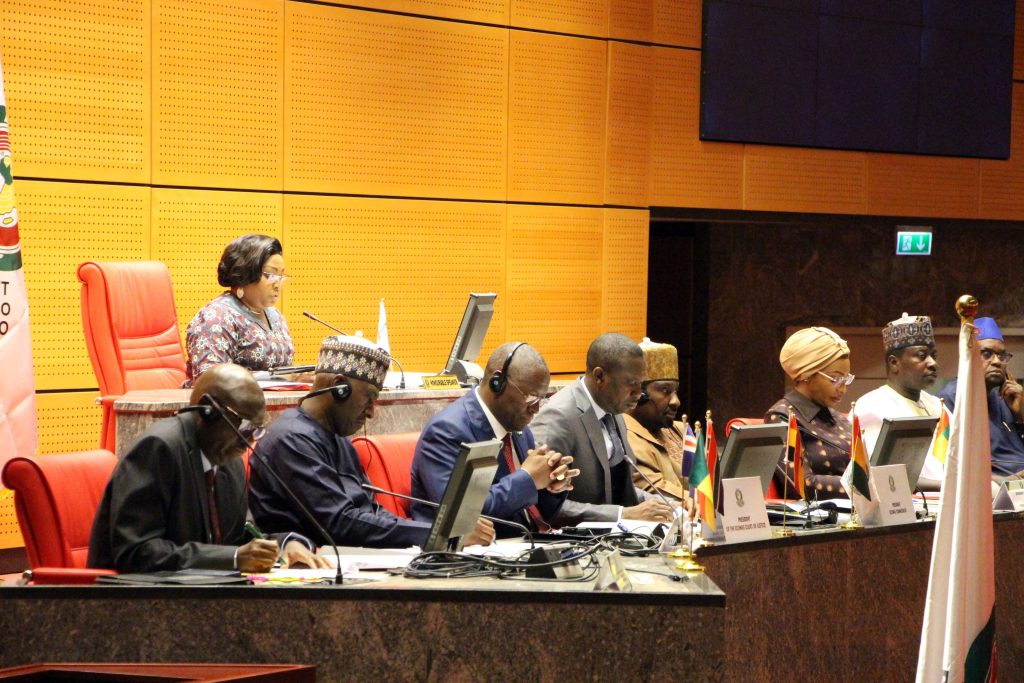
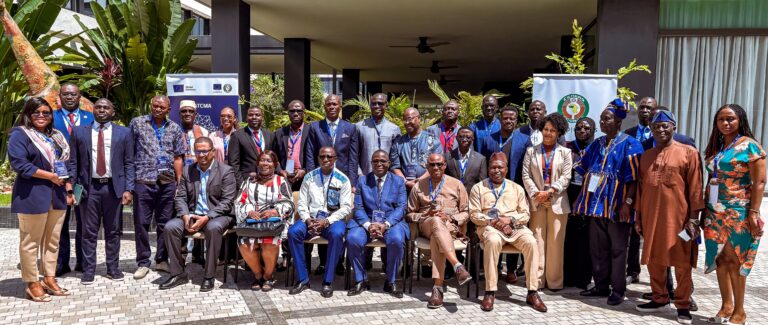
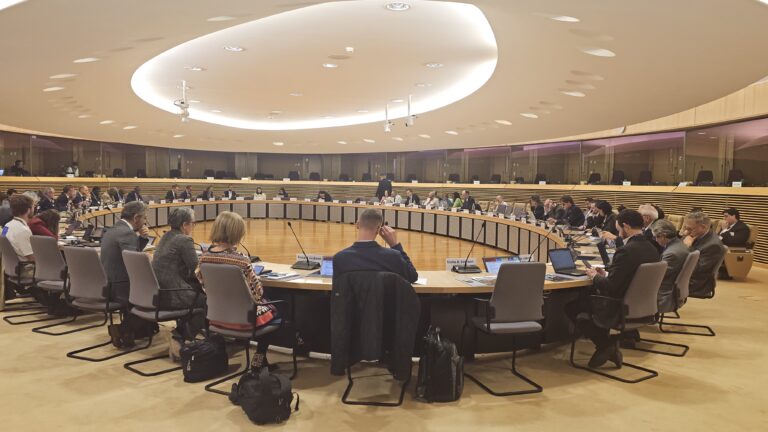
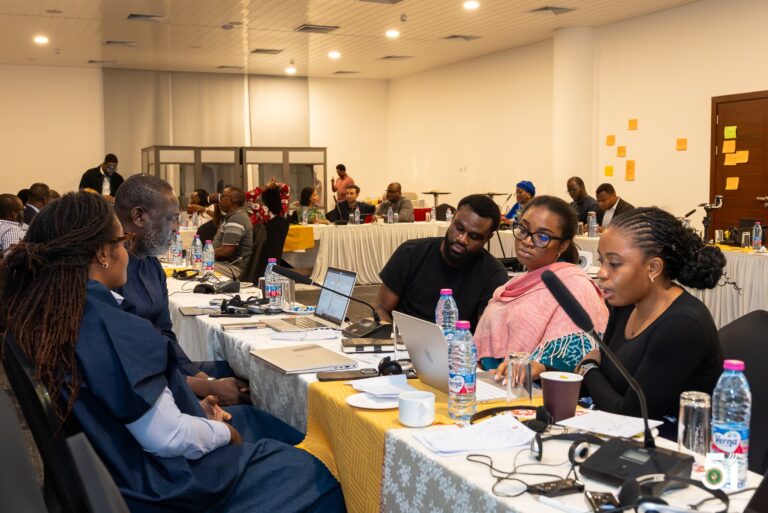
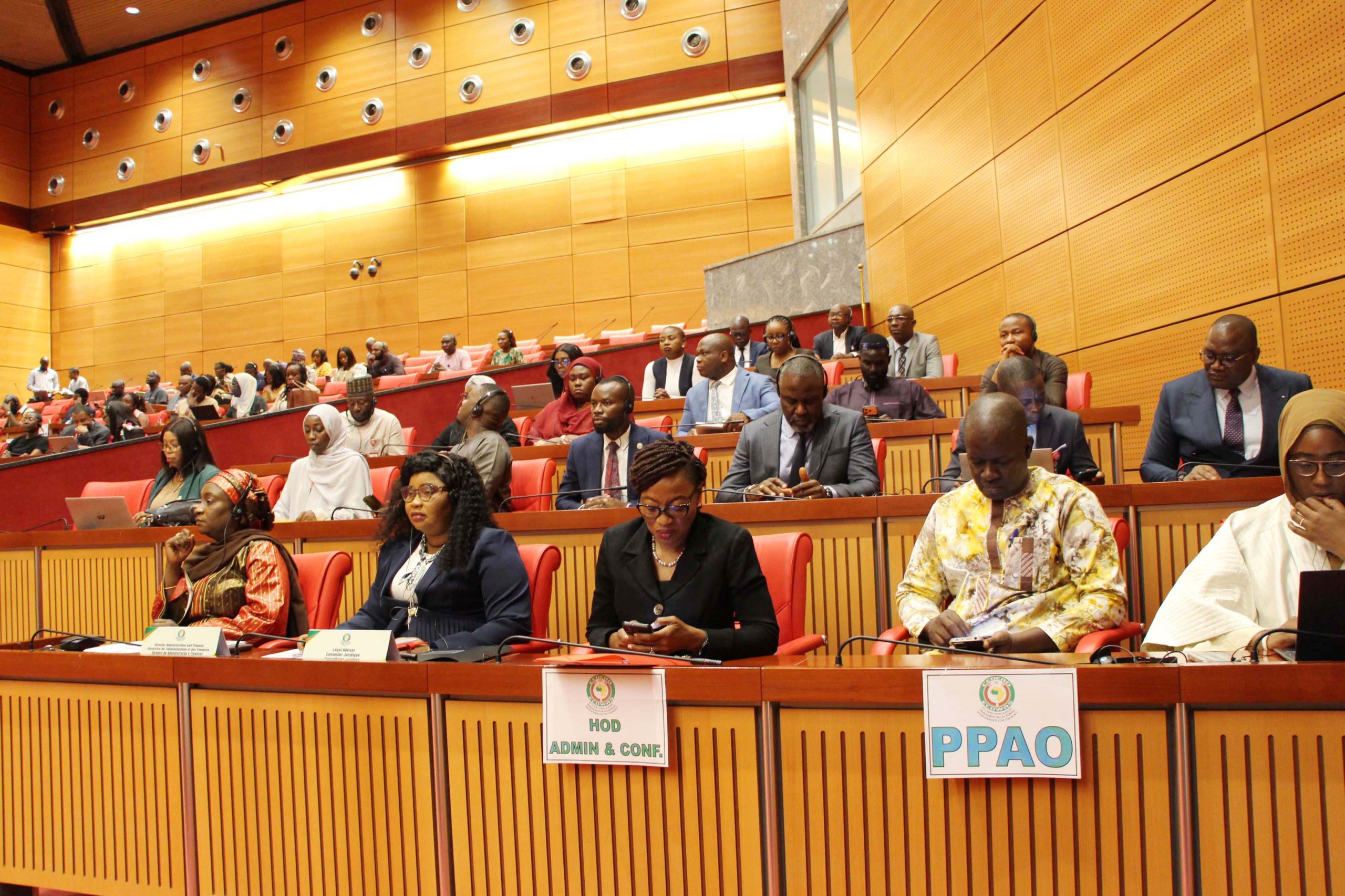
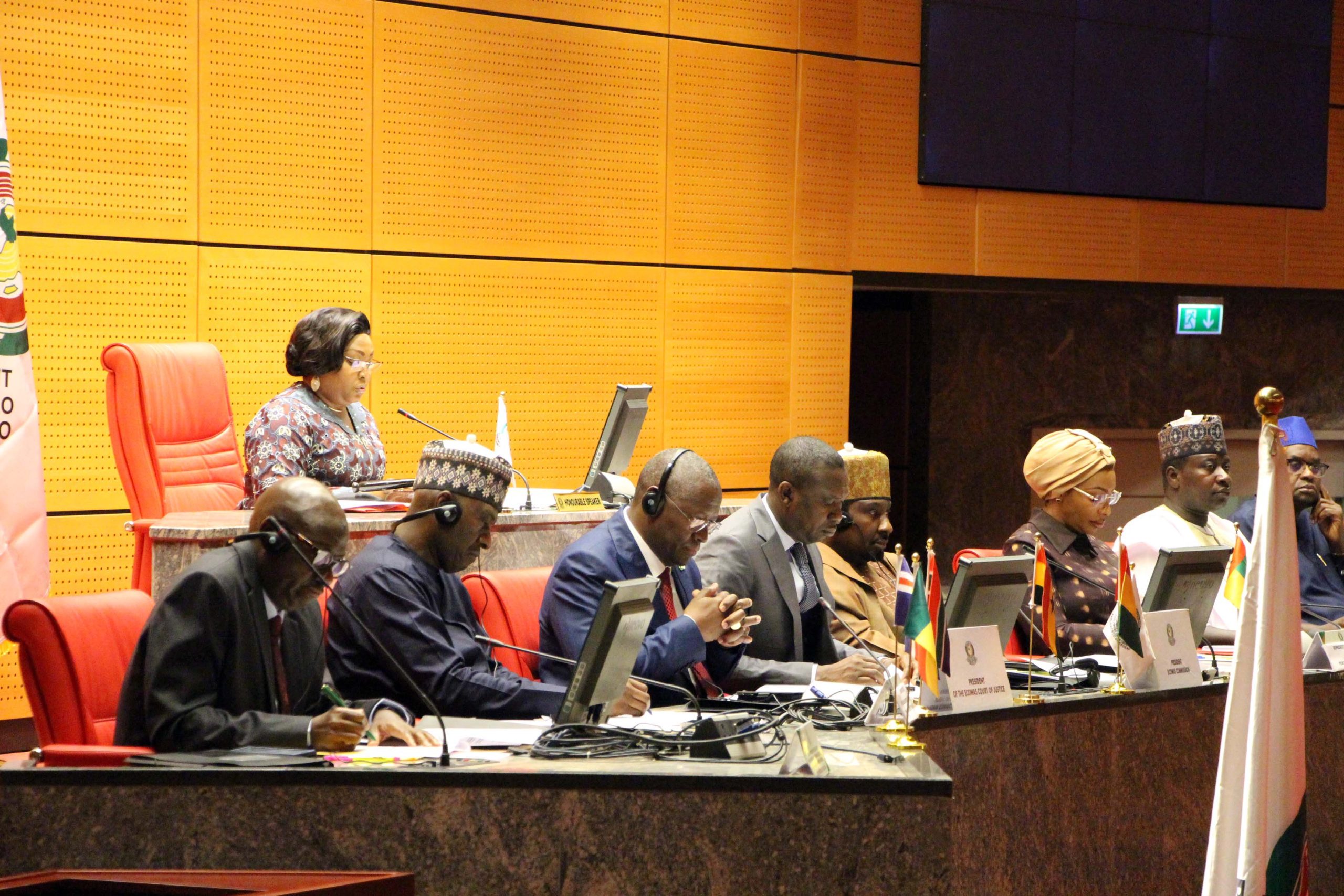
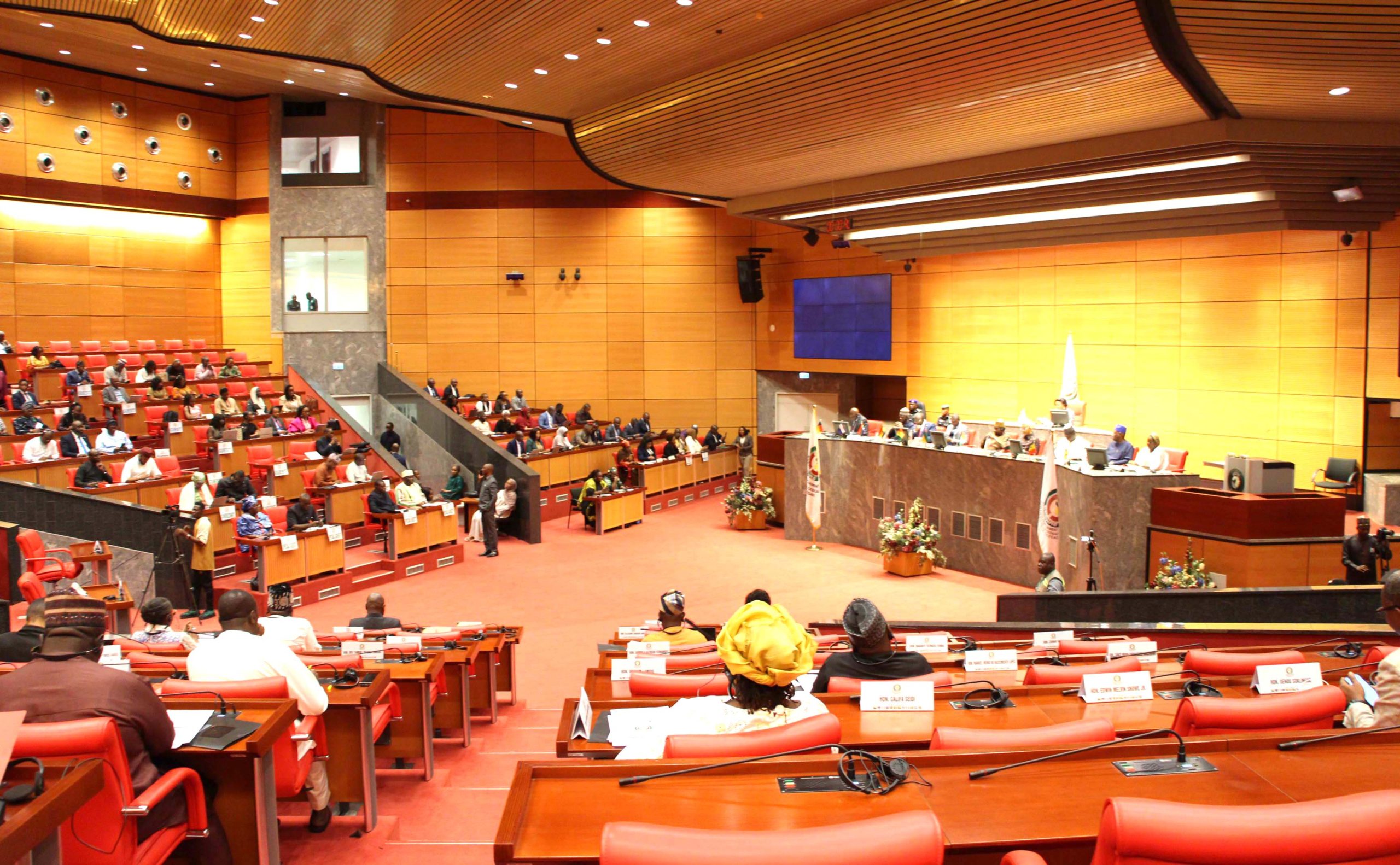
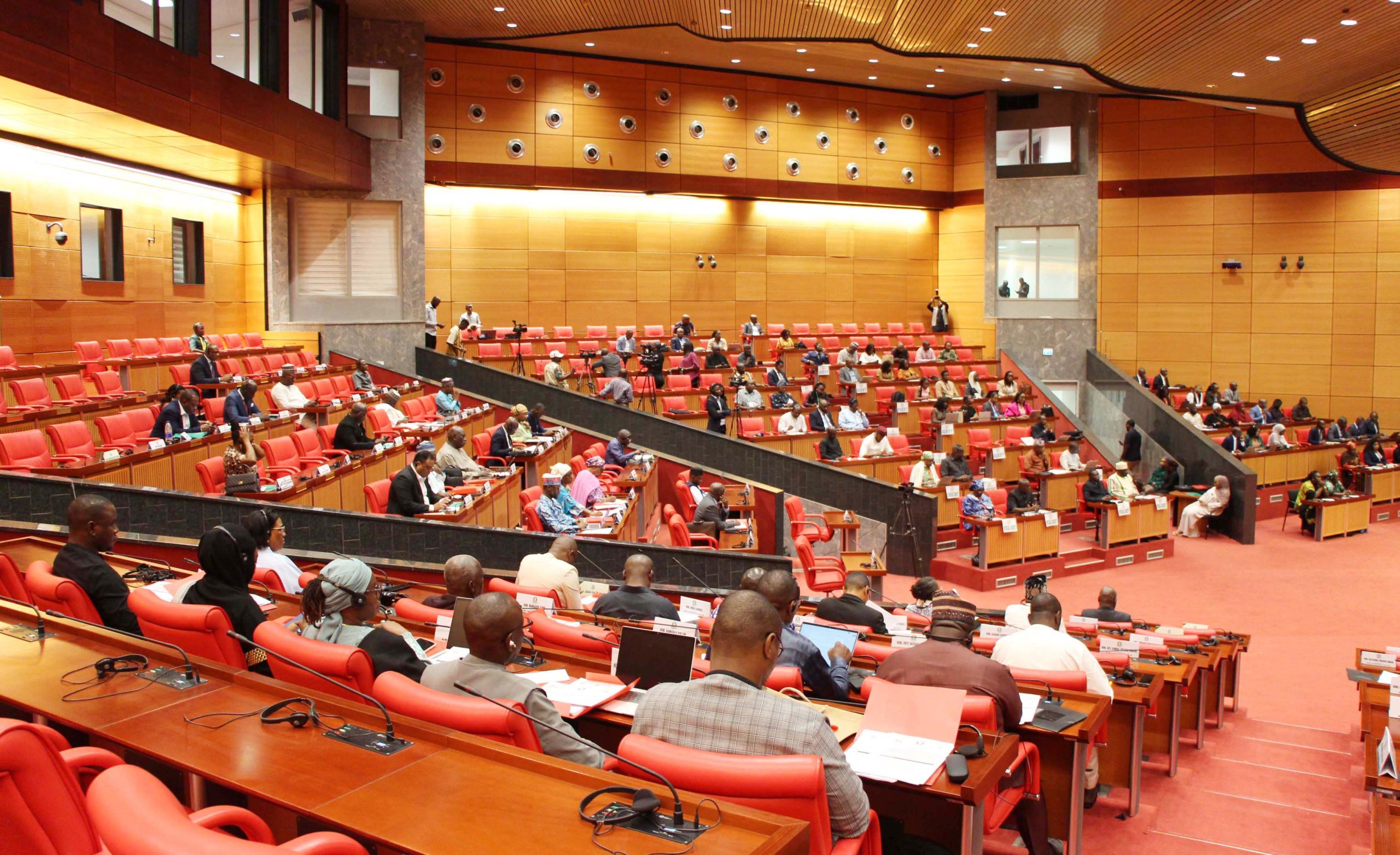
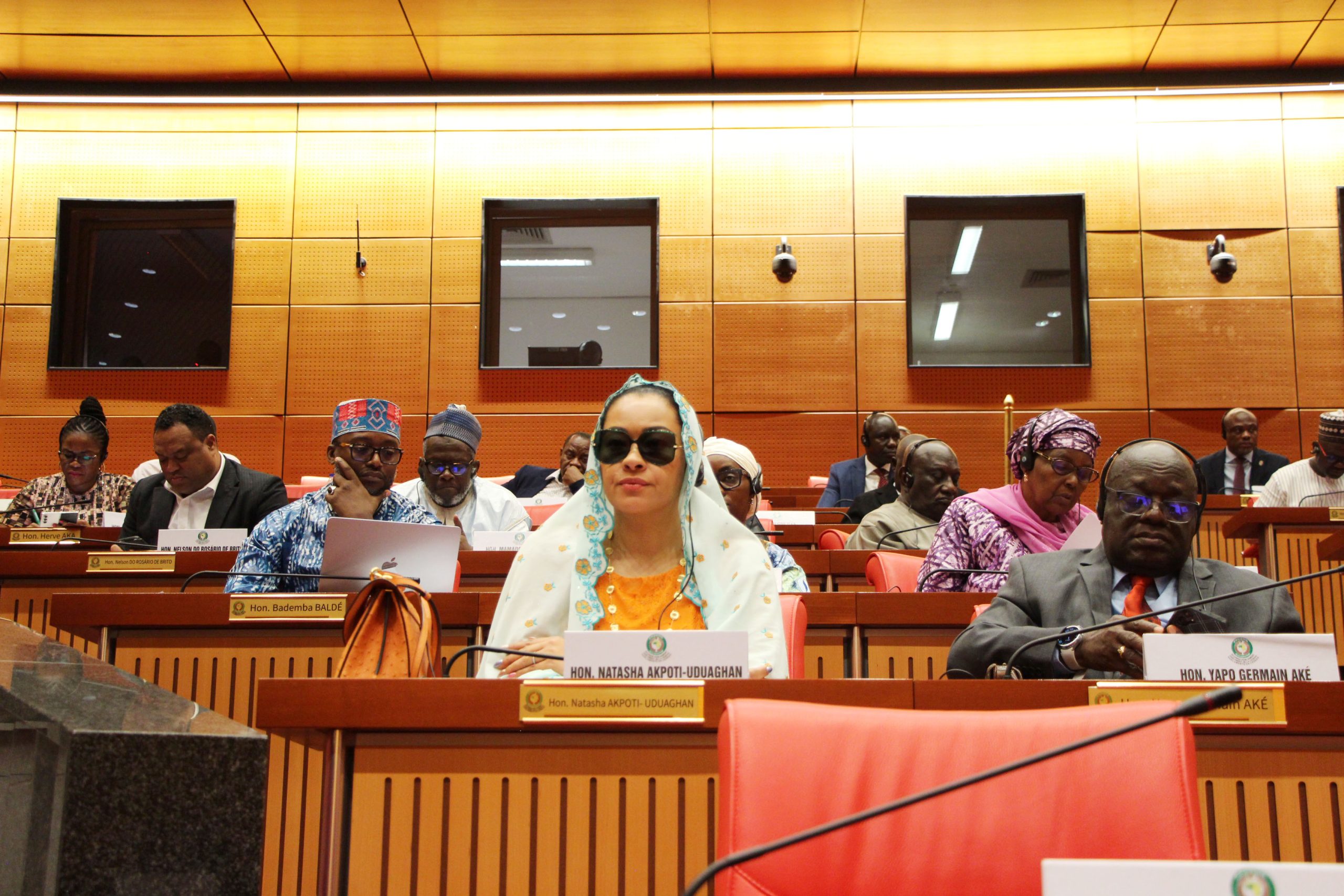
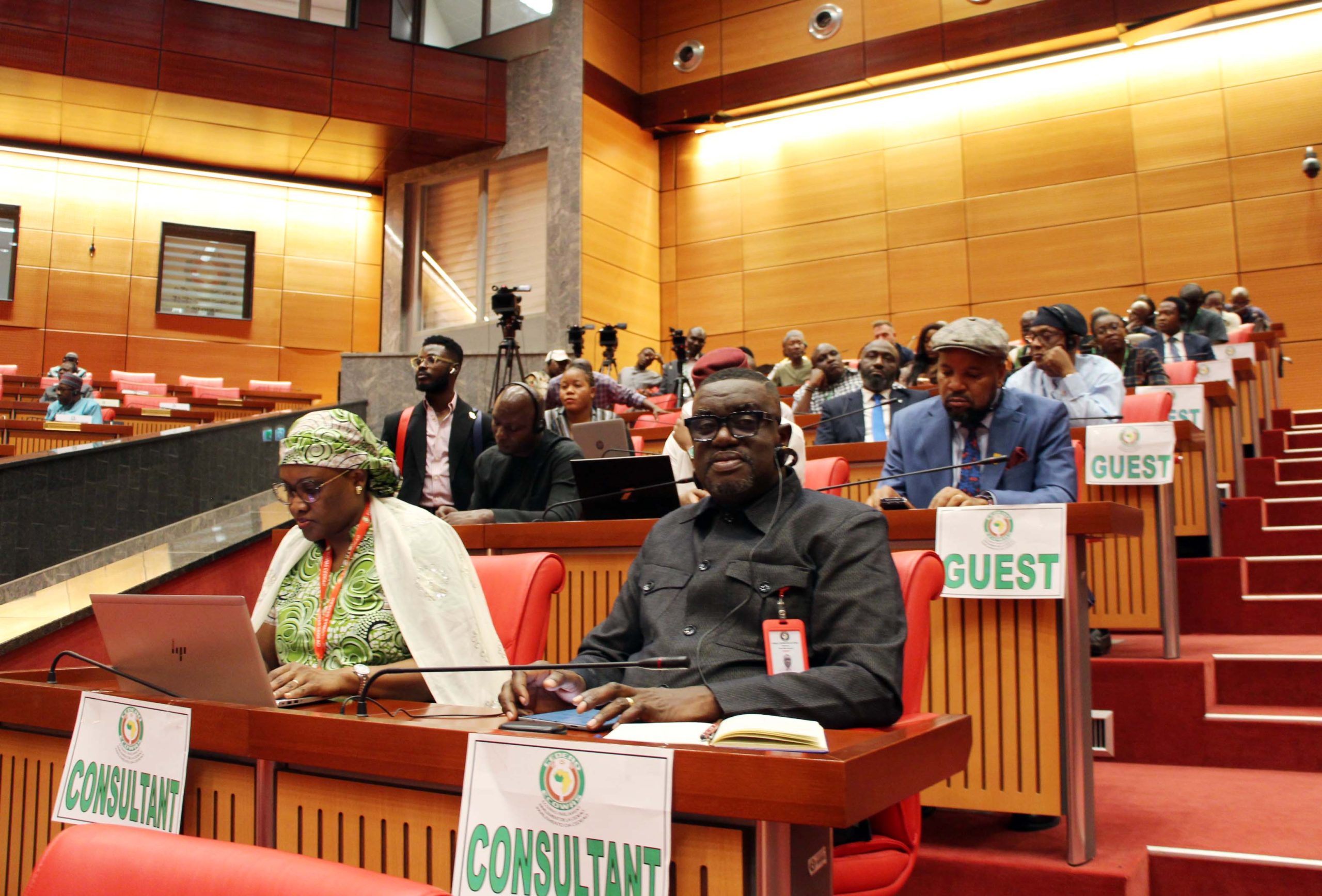
The 6th Legislature of the ECOWAS Parliament officially opened its first extraordinary session for the year 2026 on 23 February 2026 in Abuja, Nigeria, in conjunction with the launch of a high-level parliamentary seminar dedicated to deepening regional integration and expanding intra-community trade.
Presiding over the session, H.E. Ms Hadja Mémounatou Ibrahima, President of the ECOWAS Parliament, presented the institution’s priorities for 2026, emphasising economic integration, the consolidation of democracy and the strengthening of peace and security, considered to be essential pillars for the sustainable prosperity of the West African region.
One of the highlights of the opening was the seminar entitled: ‘Deepening regional integration through the AfCFTA: opportunities and challenges for the expansion of intra-community trade’. While noting that the region has recorded an average growth rate of around 5% over the last decade, the President stressed that intra-ECOWAS trade remains below 10%. She called for the effective implementation of the African Continental Free Trade Area (AfCFTA) as a strategic tool for industrialisation, value addition and inclusive growth.
The Speaker of Parliament also welcomed the lifting of sanctions against Guinea following the presidential election of December 2025 and reaffirmed Parliament’s support for the organization of credible elections scheduled for 2026 in Cape Verde, The Gambia, and Benin. On the security front, she stressed that regional solidarity in the face of terrorism and transnational organized crime is a collective obligation requiring strengthened cooperation.
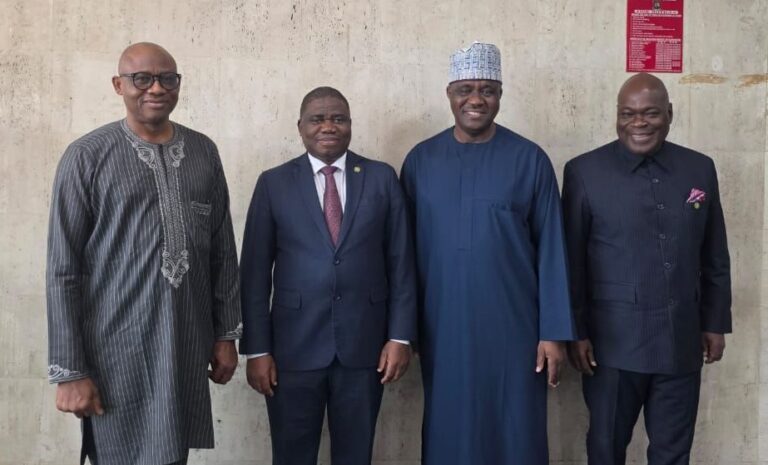
The opening ceremony was marked by speeches from several high-ranking officials, including the Speaker of Parliament, the Nigerian Minister of Trade, and the Vice-President of the Nigerian Senate, Barau Jibrin, who stressed the importance of the effective implementation of ECOWAS trade protocols, the harmonization of standards, the establishment of digital trade monitoring systems, and the protection of small and medium-sized enterprises in order to promote sustainable economic development.
Representing the President of the ECOWAS Commission, Dr. Kalilou Sylla, Commissioner for Economic Affairs and Agriculture, reaffirmed the Commission’s commitment to strengthening democracy, regional integration, and sustainable development in West Africa. He stressed that democracy remains the foundation of regional integration and the primary condition for sustainable development, warning that any democratic backsliding undermines economic progress and exacerbates poverty.
Dr. Sylla further highlighted ECOWAS as one of the most advanced models of African integration and emphasized the region’s potential to become one of the next global production hubs. He called for moving beyond a purely commercial approach to prioritize local production, industrial processing, and value creation in West Africa.
Reiterating the importance of unity, he affirmed that no member state can fully realize its economic and development potential without deeper regional integration, strengthened collaboration, and policy harmonization. He urged stakeholders to act decisively to ensure shared prosperity and prepare future generations of West African leaders.
As Parliament moves toward adopting its 2026 Annual Work Plan, priorities will include democratic governance, peace and security, and the promotion of women’s leadership through the ECOWAS Association of Women Parliamentarians.
Discover how ECOWAS is transforming communities, economies and the lives of West African citizens — one story at a time.