Initializing...
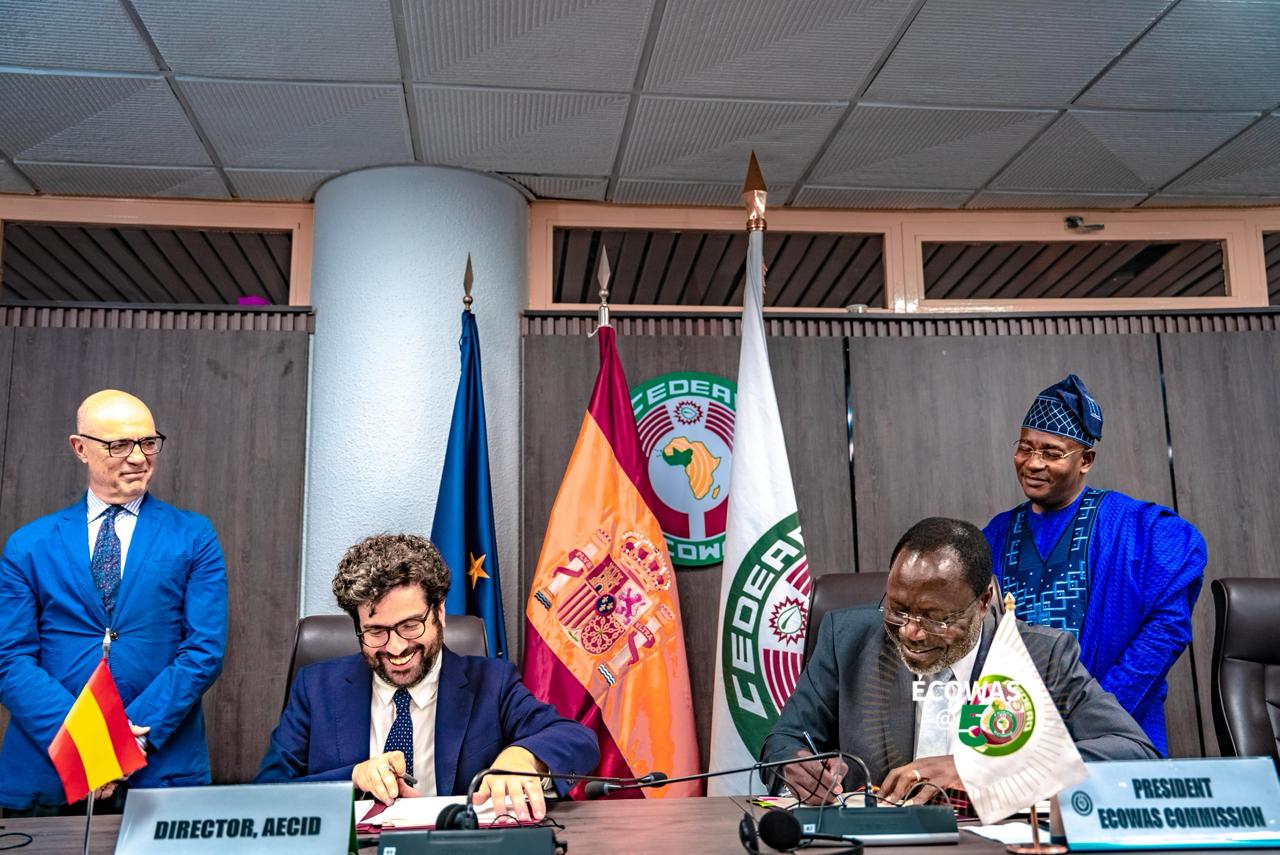
Abuja, Nigeria, 23 February 2026: The Economic Community of West African States (ECOWAS Commission) and the Spanish Agency for International Development Cooperation (AECID) have signed two Memoranda of Understanding under the ECOWAS–AECID Cooperation Programme 2025–2028, aimed at strengthening regional resilience, inclusion and integration across West Africa.
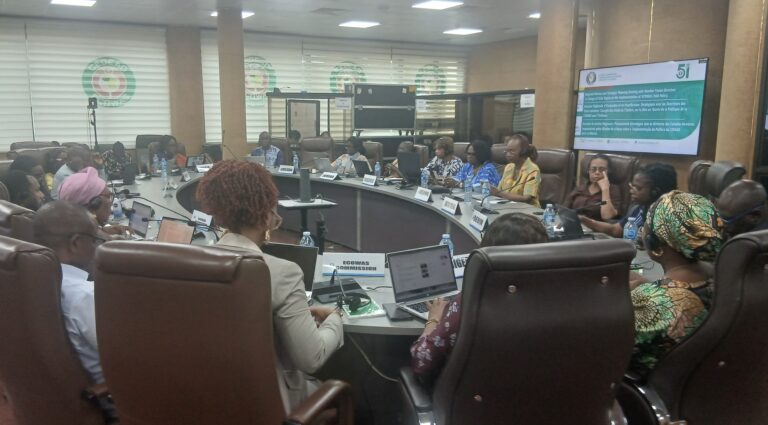
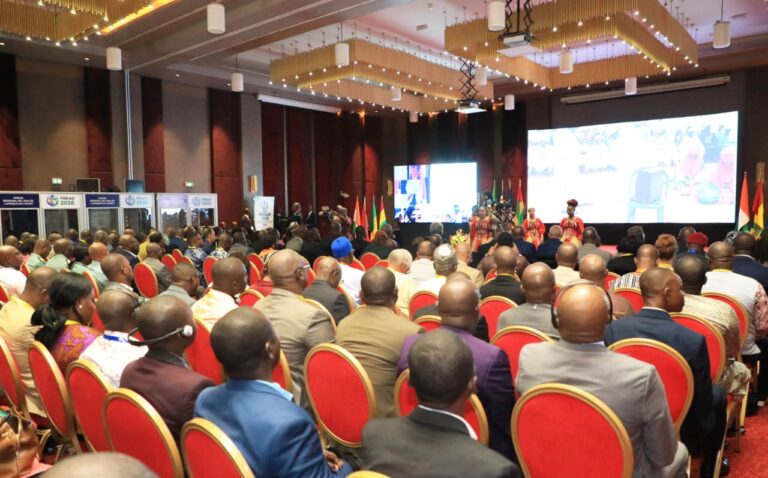
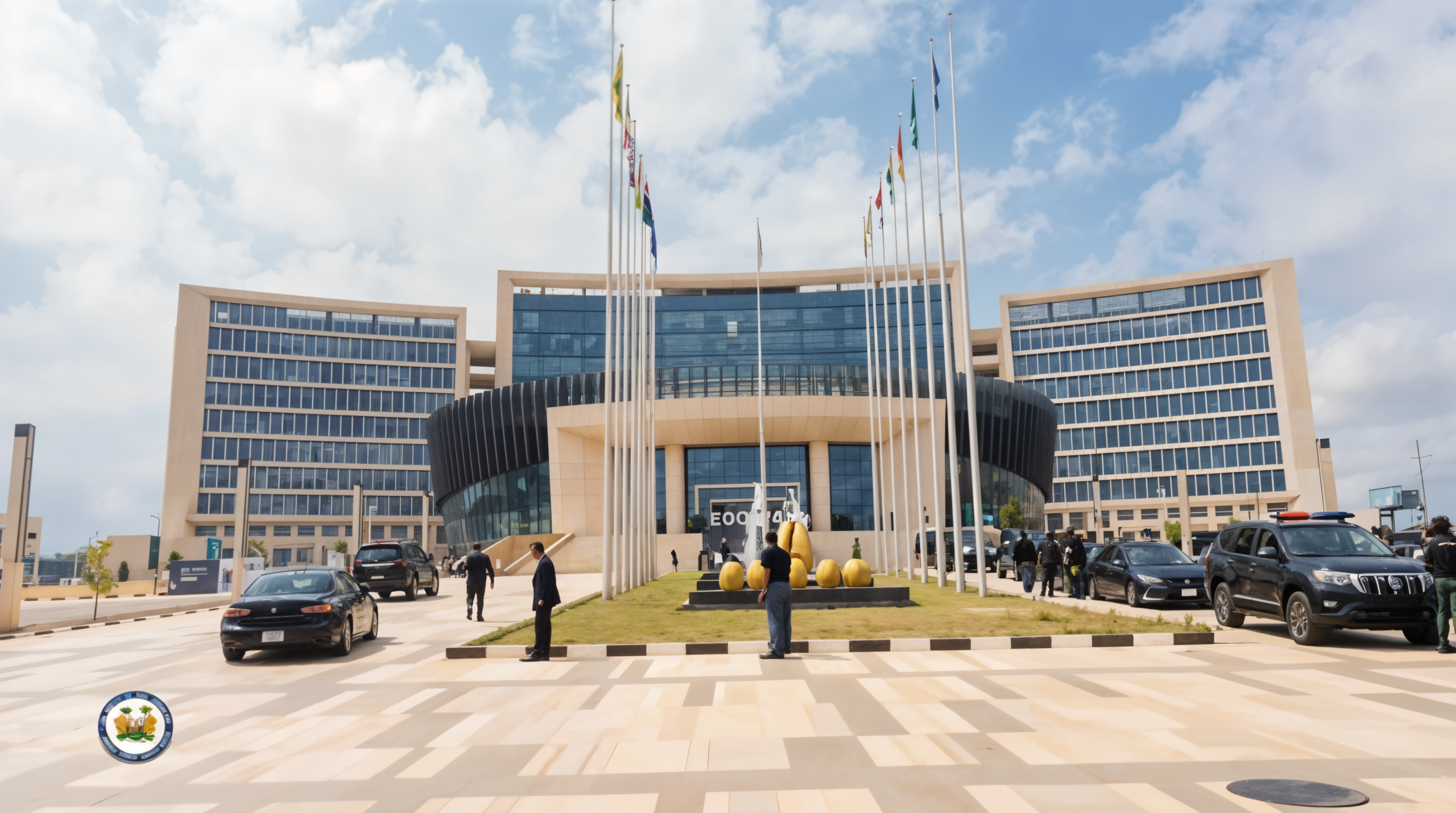
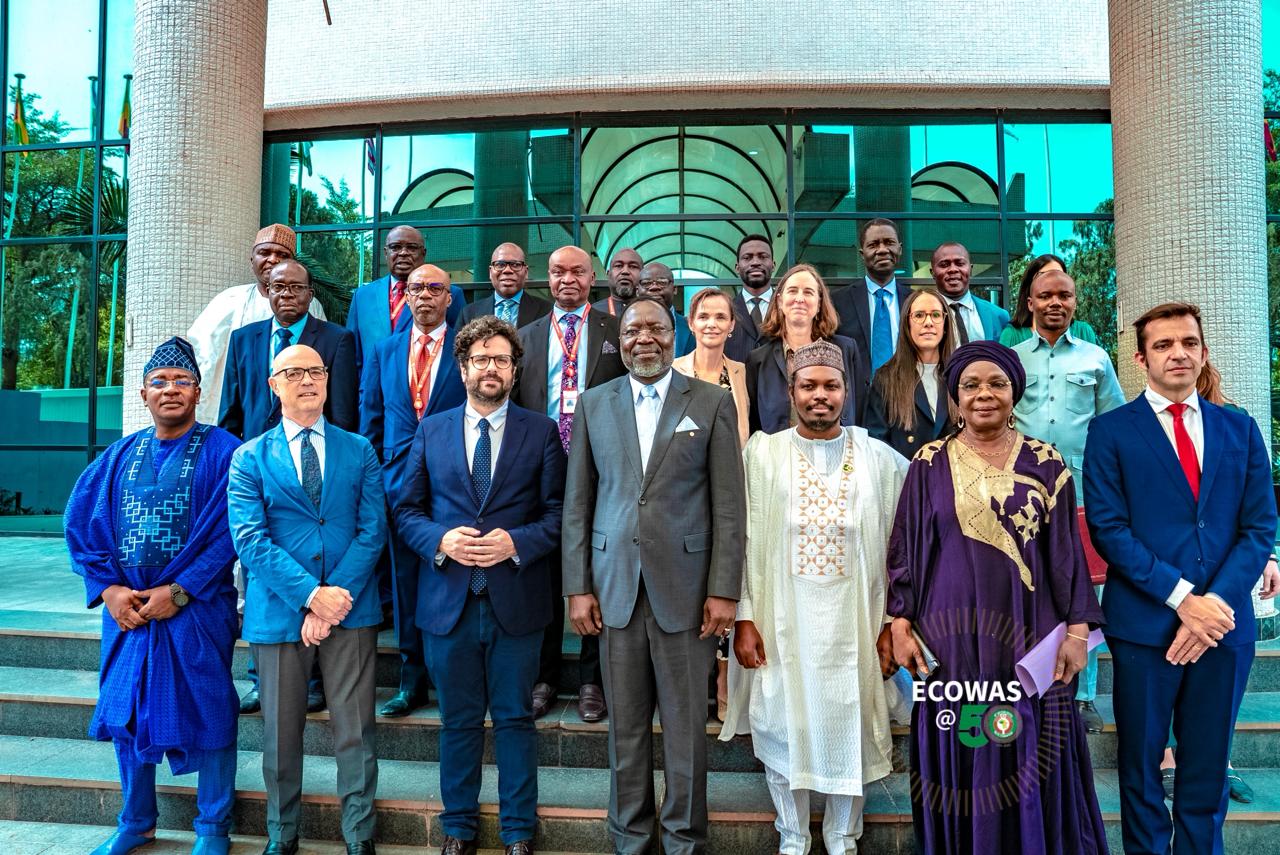
The official signing ceremony, which took place at the ECOWAS Headquarters brought together senior officials from ECOWAS and AECID, underscoring the strategic nature of the partnership between the two institutions and the shared vision of Spain and West Africa for sustainable development and regional stability.
The partnership will prioritise rural development, gender equality and equity, empowerment of women and girls gender mainstreaming , while supporting key sectors including agriculture and food security, energy access, infrastructure, and institutional development in line with ECOWAS Vision 2050. The agreements reinforce both institutions’ commitment to building a more resilient, inclusive and integrated West African region.
The ECOWAS–AECID Cooperation Programme 2025–2028 is designed to advance regional priorities in key development sectors, including agriculture and food security, access to energy, infrastructure development, institutional strengthening, and gender mainstreaming. The programme aligns with ECOWAS Vision 2050 and its top five strategic pillars, ensuring coherence with the Community’s long-term development agenda.
In his keynote address, the President of the ECOWAS Commission, H.E Aleiu Omar TOURAY, described the cooperation as the largest partnership of its kind within any African Regional Economic Community (REC). He recalled that the collaboration has contributed to the establishment and strengthening of important regional institutions, including the ECOWAS Centre for Renewable Energy and Energy Efficiency (ECREEE) and the ECOWAS Gender Development Centre, among others.
President TOURAY emphasized that Spain’s engagement goes beyond financial support, describing the partnership as a mutually strategic cooperation rather than charity. According to him, the programme promotes regional stability and economic growth that benefits both West Africa and Spain equally. He further noted that the cooperation reflects ECOWAS’ strategic priorities in gender equality, agriculture and food security, access to energy, infrastructure, and institutional development, stressing that Spain’s support is aimed at building resilience and sustainable capacity across the region.
Speaking at the event, the Director of AECID , Antón Leis GARCÍA, reaffirmed Spain’s strong commitment to ECOWAS, describing the new programme as “a promise delivered” and a significant step forward from previous phases of cooperation. He stated that AECID remains a reliable partner to ECOWAS and that the programme represents a transformative level of collaboration between both institutions.
GARCÍA announced that a total of 16 million euros has been budgeted for the implementation of the programme, highlighting Spain’s long-term engagement and confidence in the partnership. He further underlined the deep historical and strategic links between Spain and West Africa, describing the relationship as a mutually beneficial partnership that Spain cherishes and will continue to strengthen. The Director also reaffirmed Spain’s commitment to advocating for West Africa at the international level, noting that the region stands as a strong example of resilience in the face of multiple development challenges.
The signing of the two MoUs under the ECOWAS–AECID Cooperation Programme 2025–2028 symbolises a renewed and strengthened partnership aimed at promoting sustainable development, social inclusion and institutional capacity across West Africa. The agreements reaffirm both parties’ shared determination to support regional integration and to advance development initiatives that improve the lives of communities, particularly women and girls, while fostering long-term stability and economic growth in the region.
Discover how ECOWAS is transforming communities, economies and the lives of West African citizens — one story at a time.