Initializing...
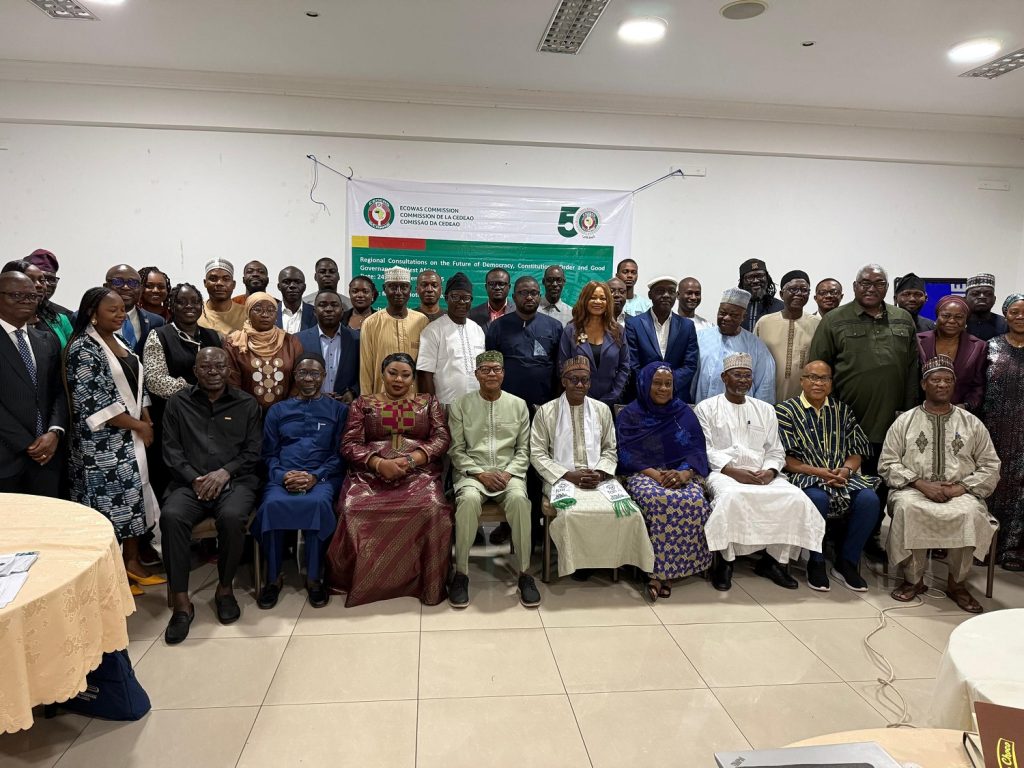
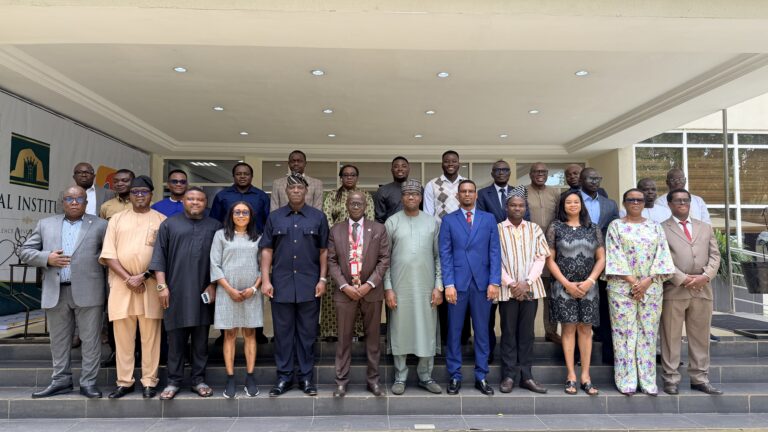
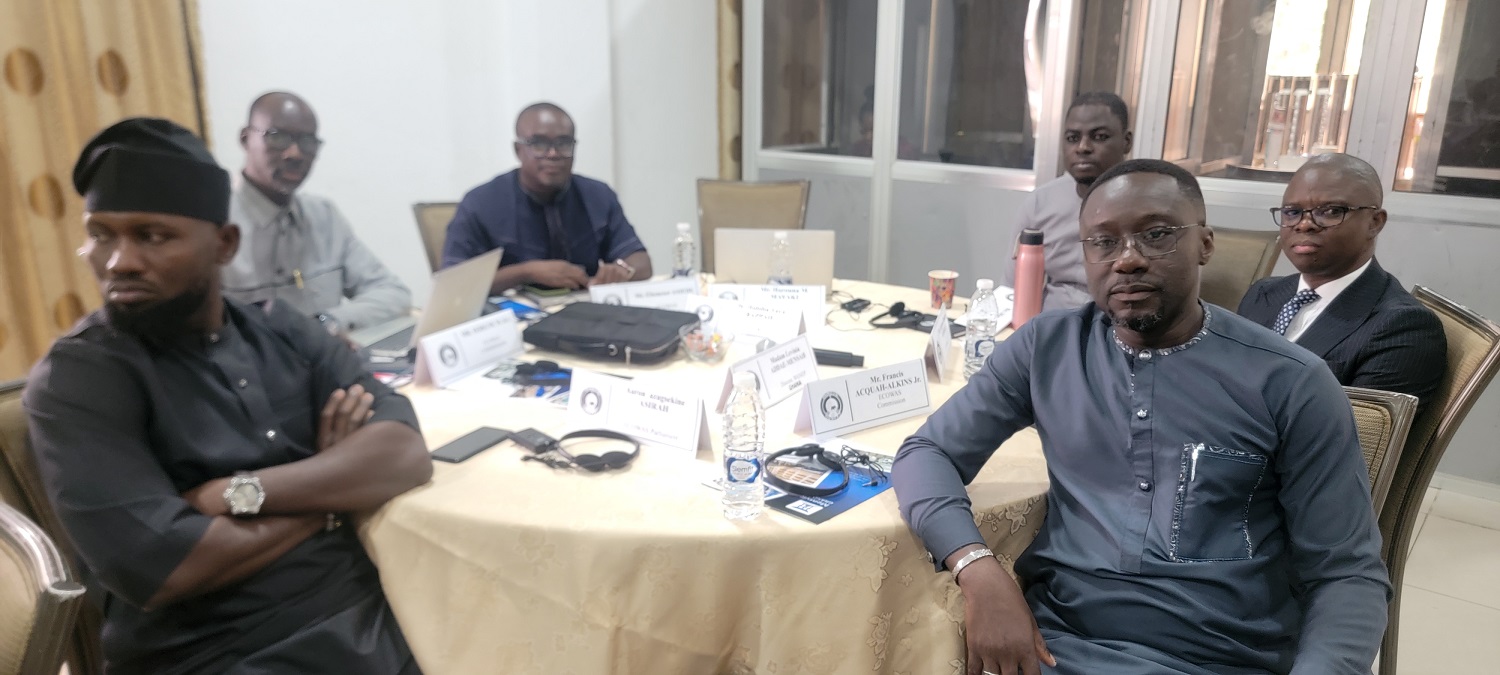
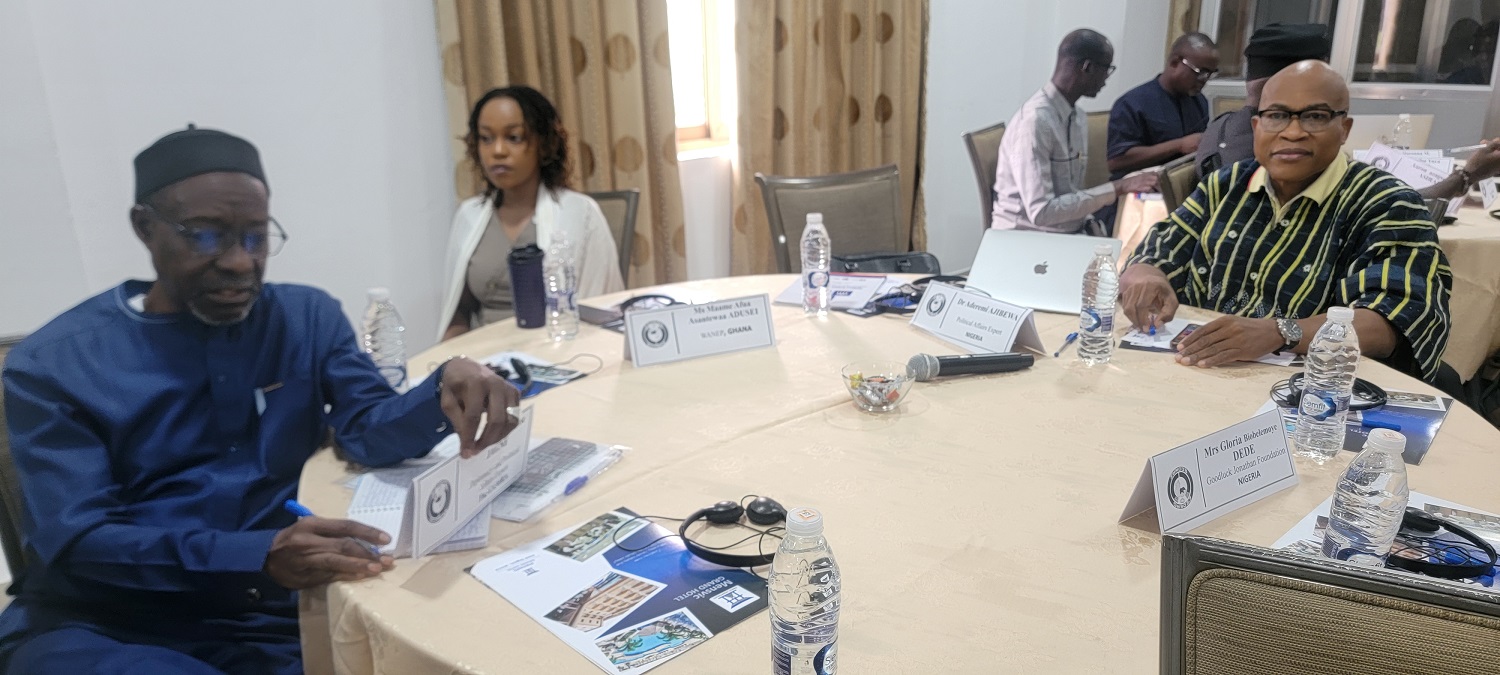
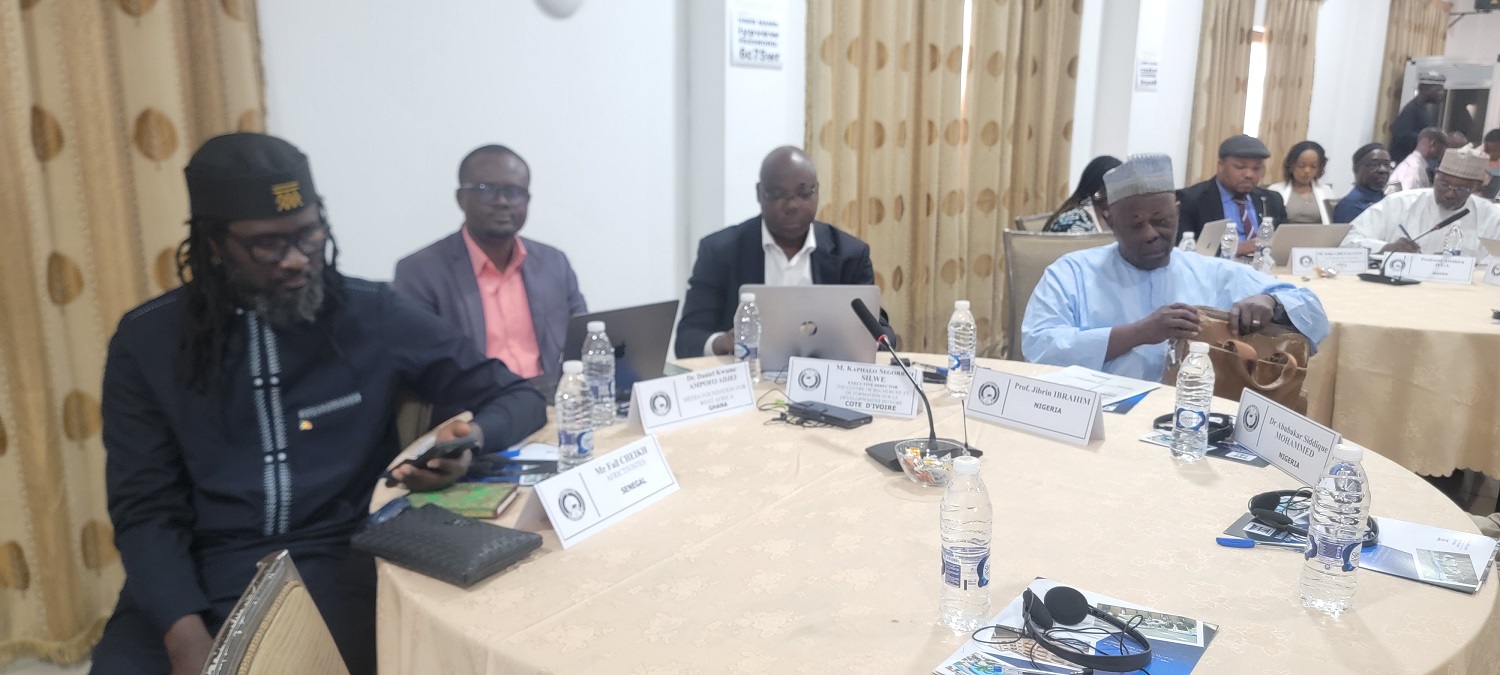
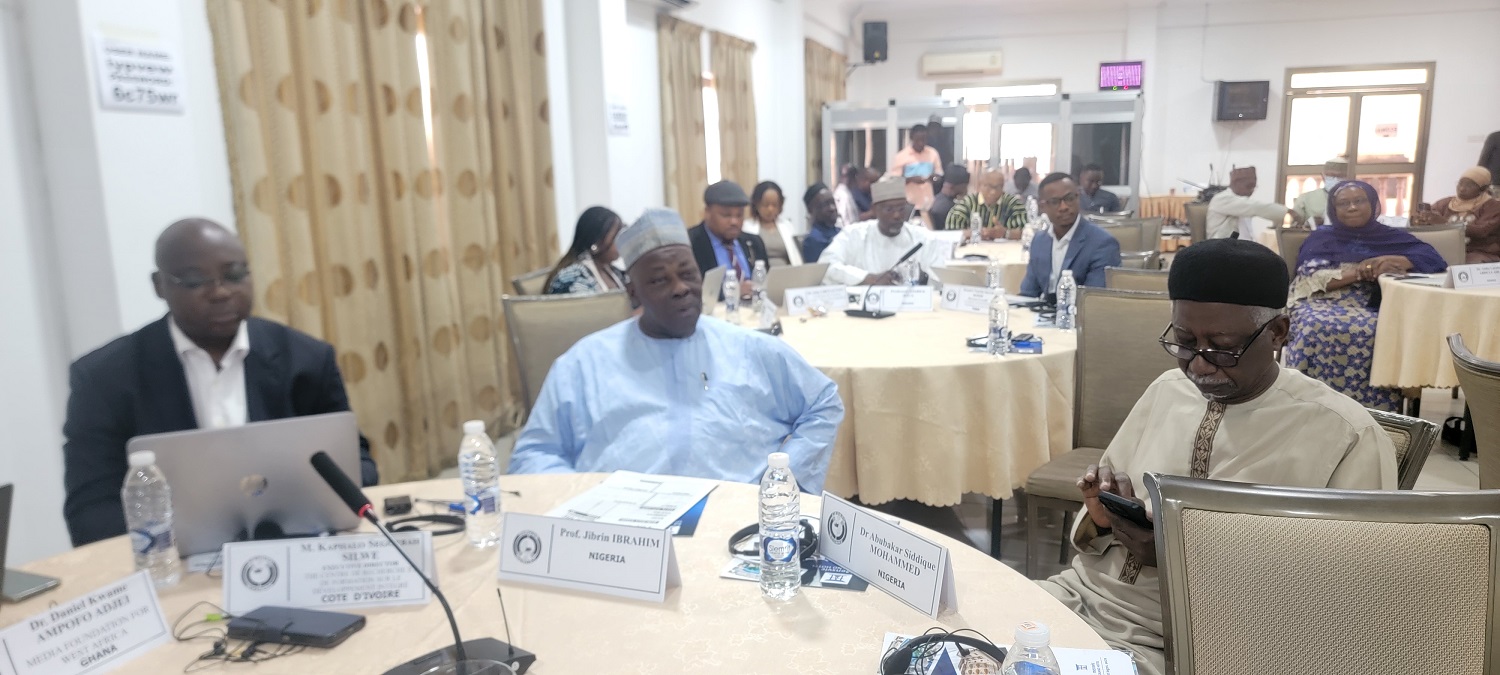
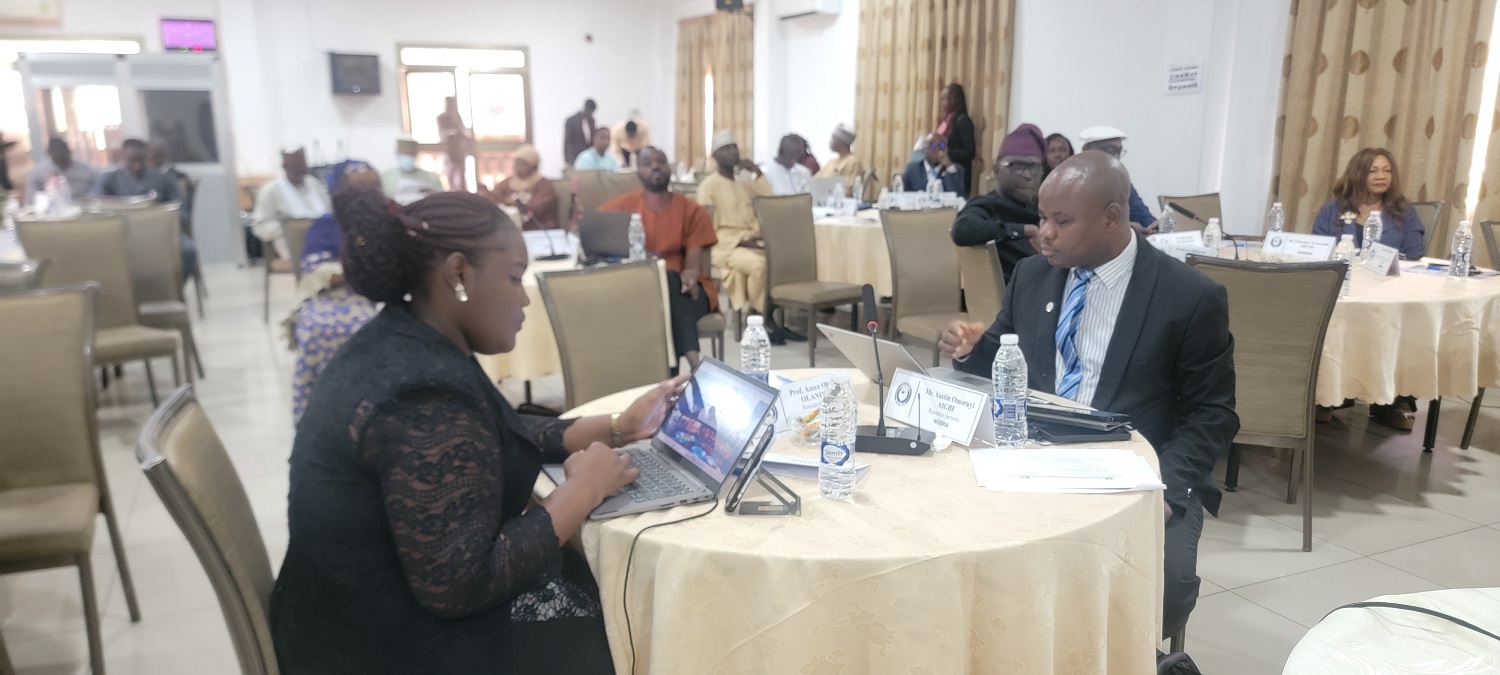
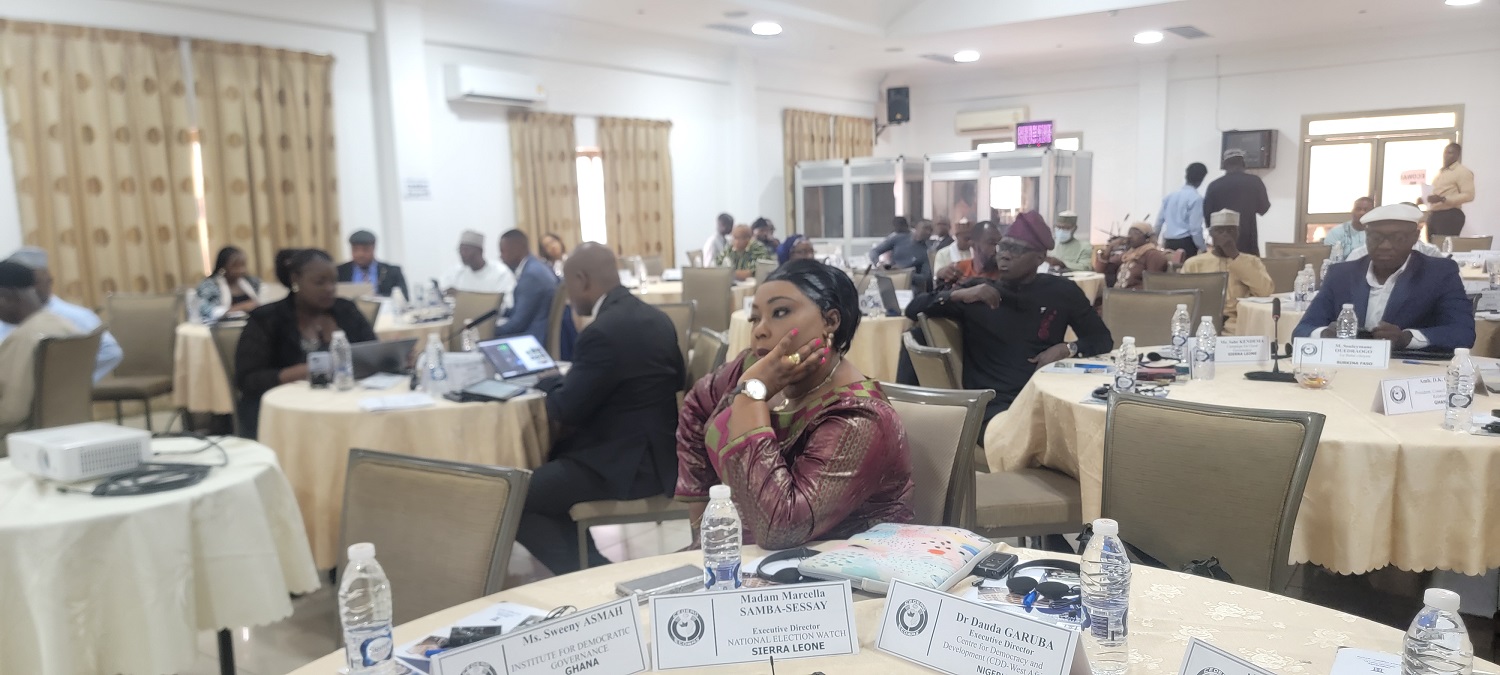
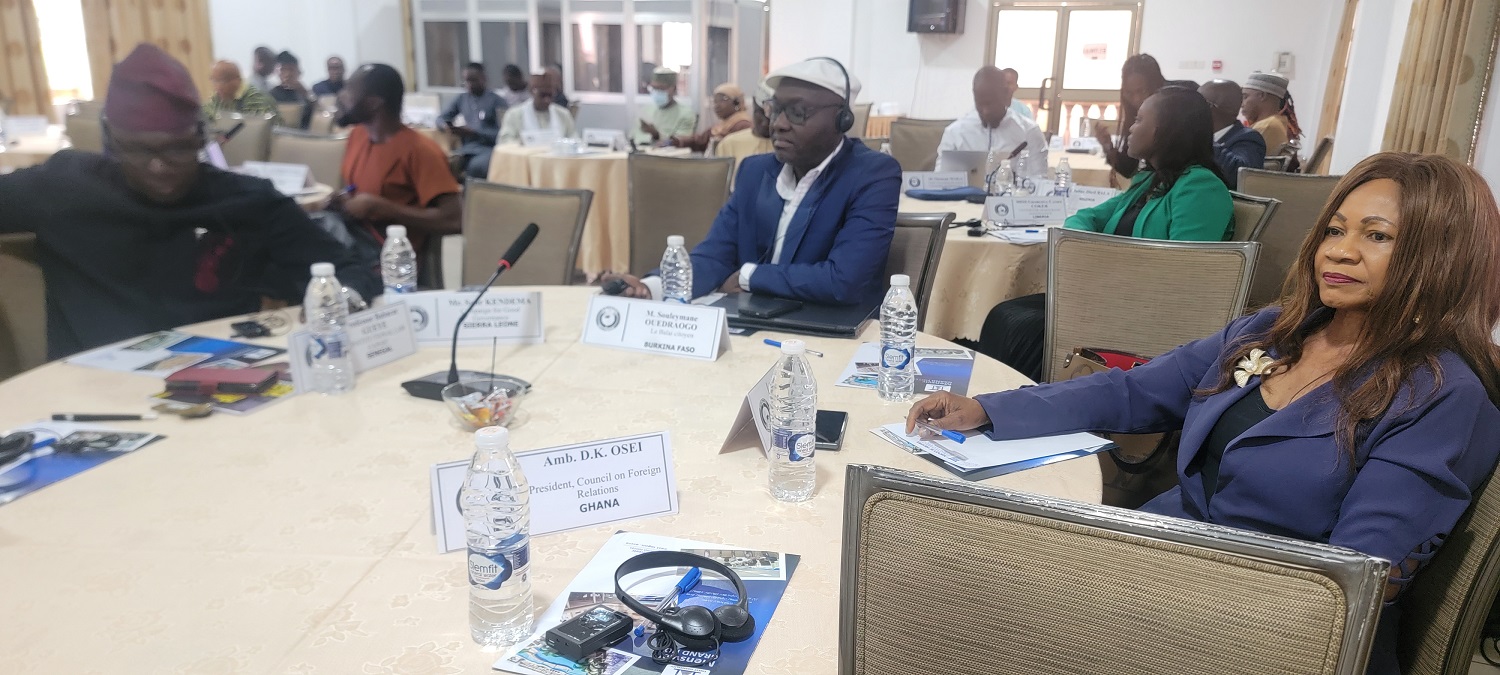
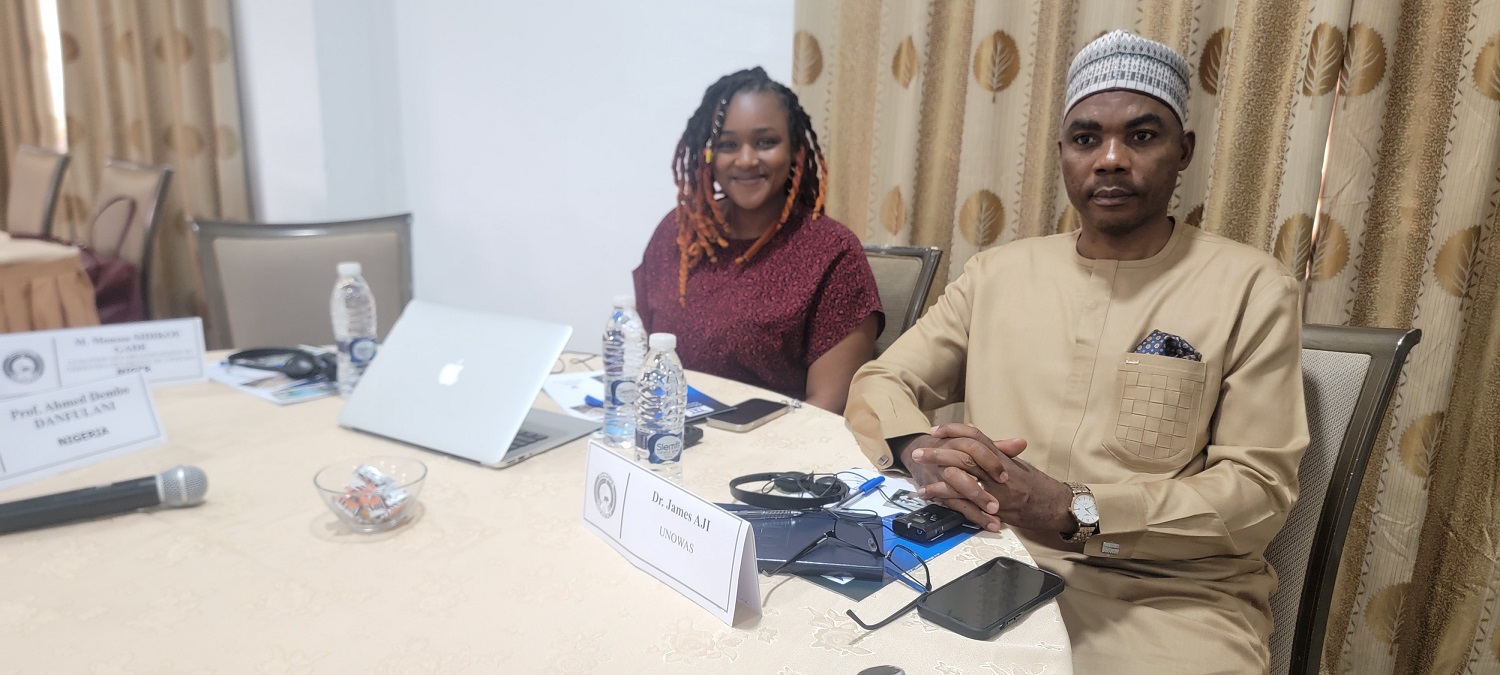
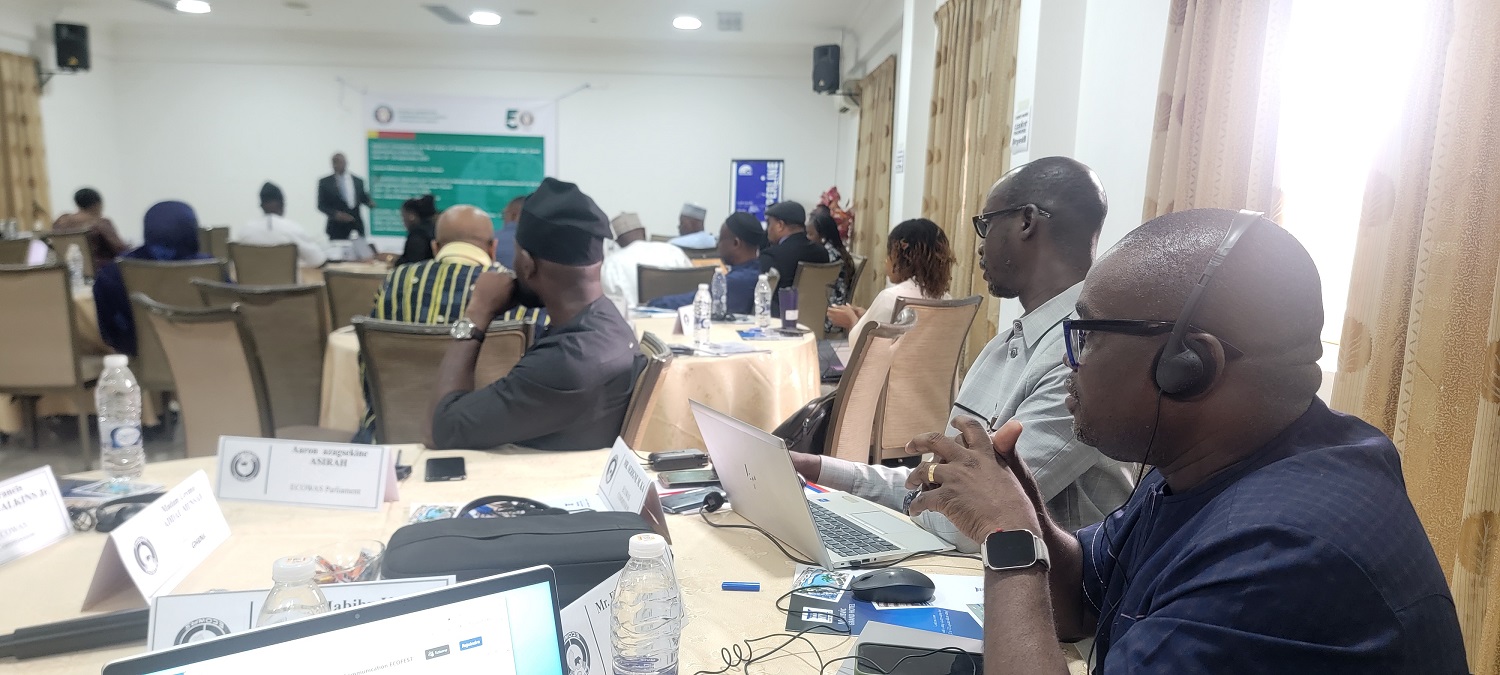
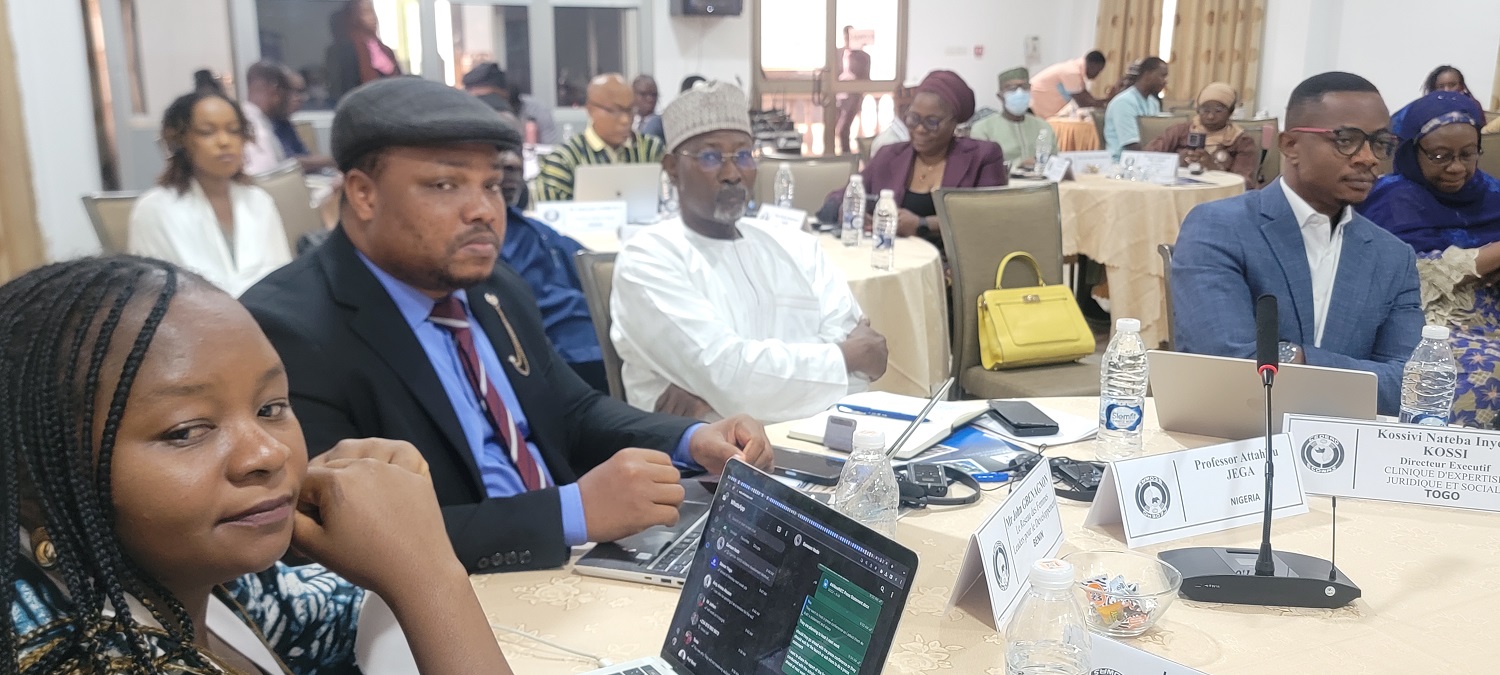
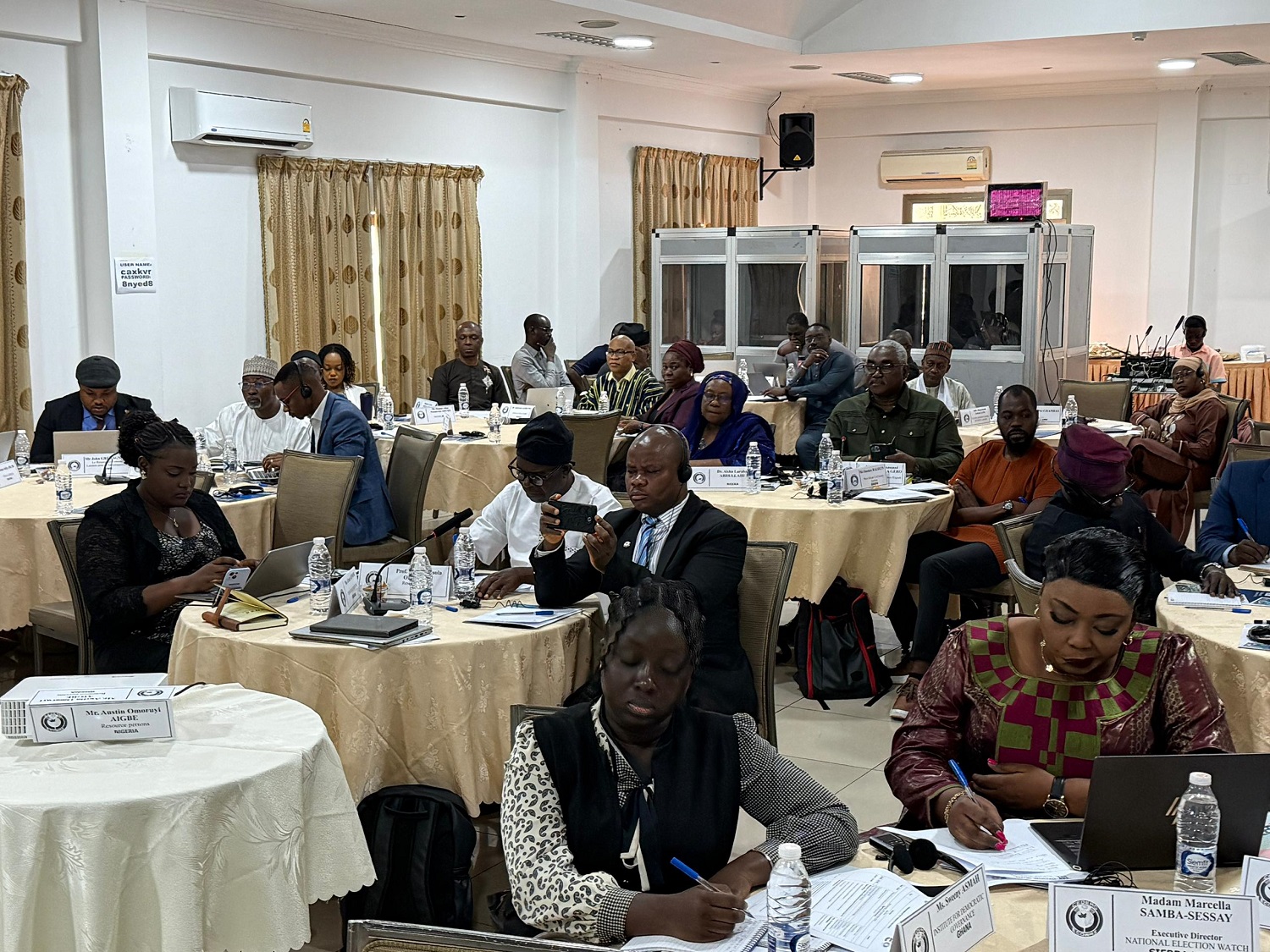
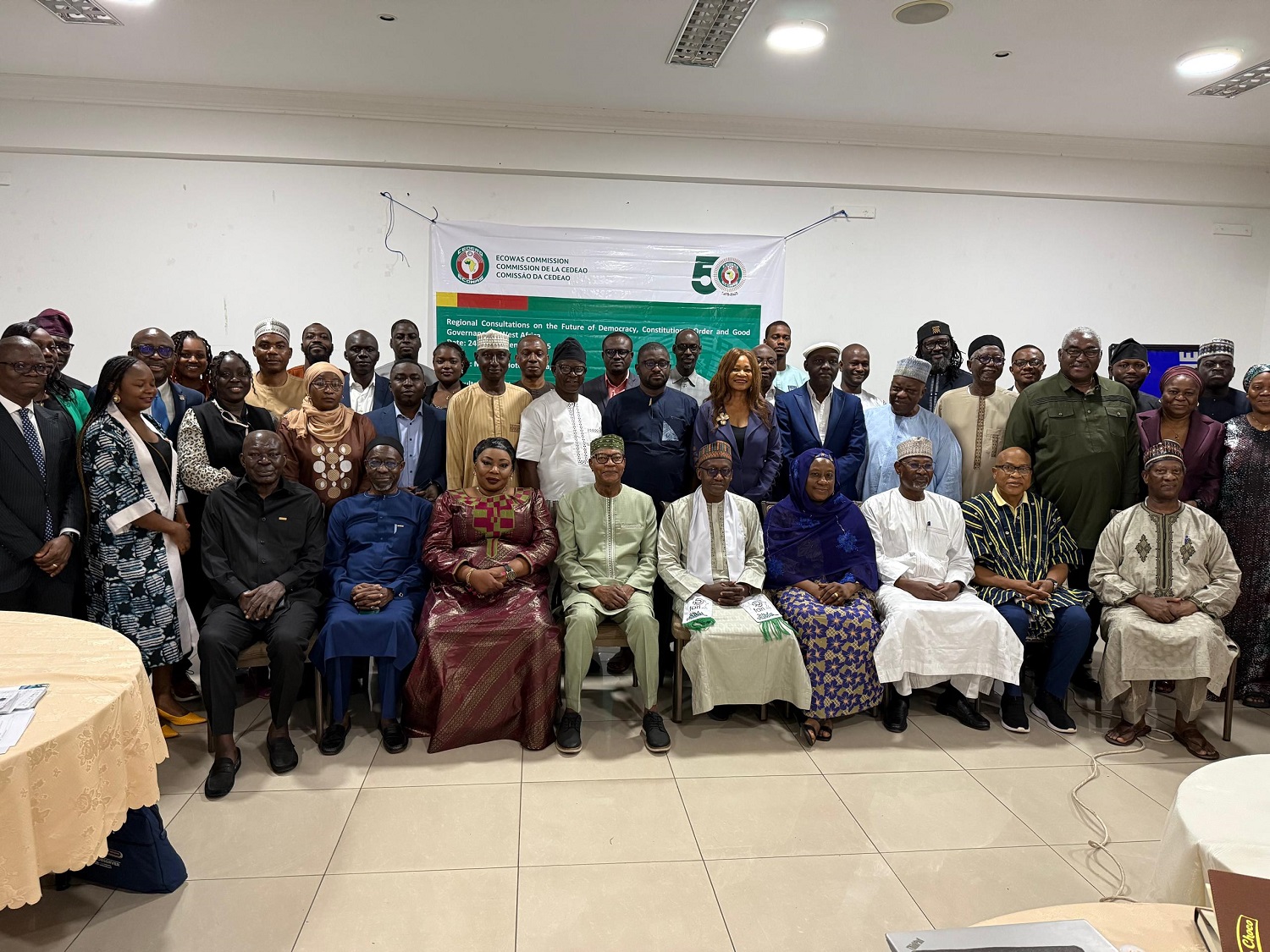
As part of the preparatory process for the Special Summit of the Economic Community of West African States (ECOWAS) on the future of regional integration in West Africa, Ghana and Guinea-Bissau are simultaneously hosting two regional Consultations from September 24 to 26, 2025, bringing together a wide range of citizens and stakeholders from the Community, including civil society, think tanks, professional organizations, the private sector, and, in particular, young people, women, and persons with disabilities or living with disabilities, among others.
These meetings, organized by the Department of Political Affairs, Peace and Security, are aimed at facilitating consultations on three (3) thematic areas within its mandate, namely: (i) the future of democracy, constitutional order, and good governance; (ii) the future of political stability, regional peace, and security, and (iii) the future of ECOWAS partnerships and relations with international alliances and groups. The objective is, among other things, to stimulate a regional debate on developments in the context of governance, peace, and security, as well as regional economic integration and multilateralism, in order to respond to current challenges and meet the aspirations of future generations of ECOWAS citizens.
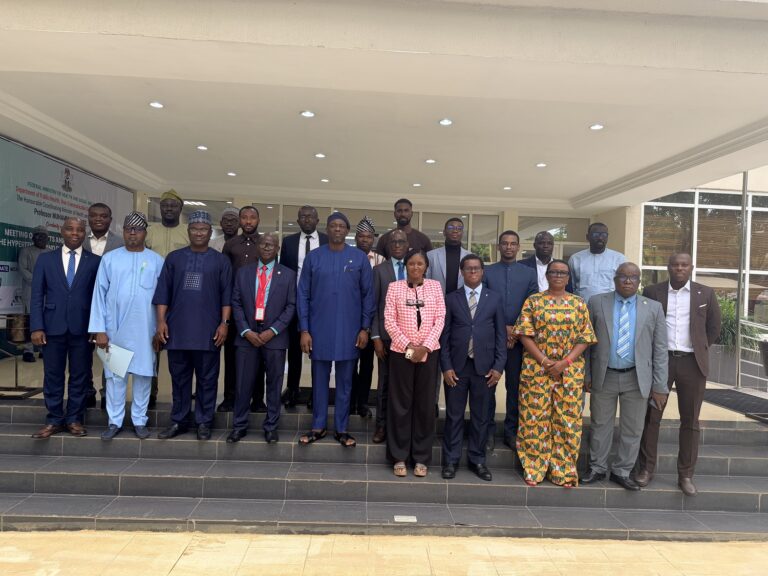
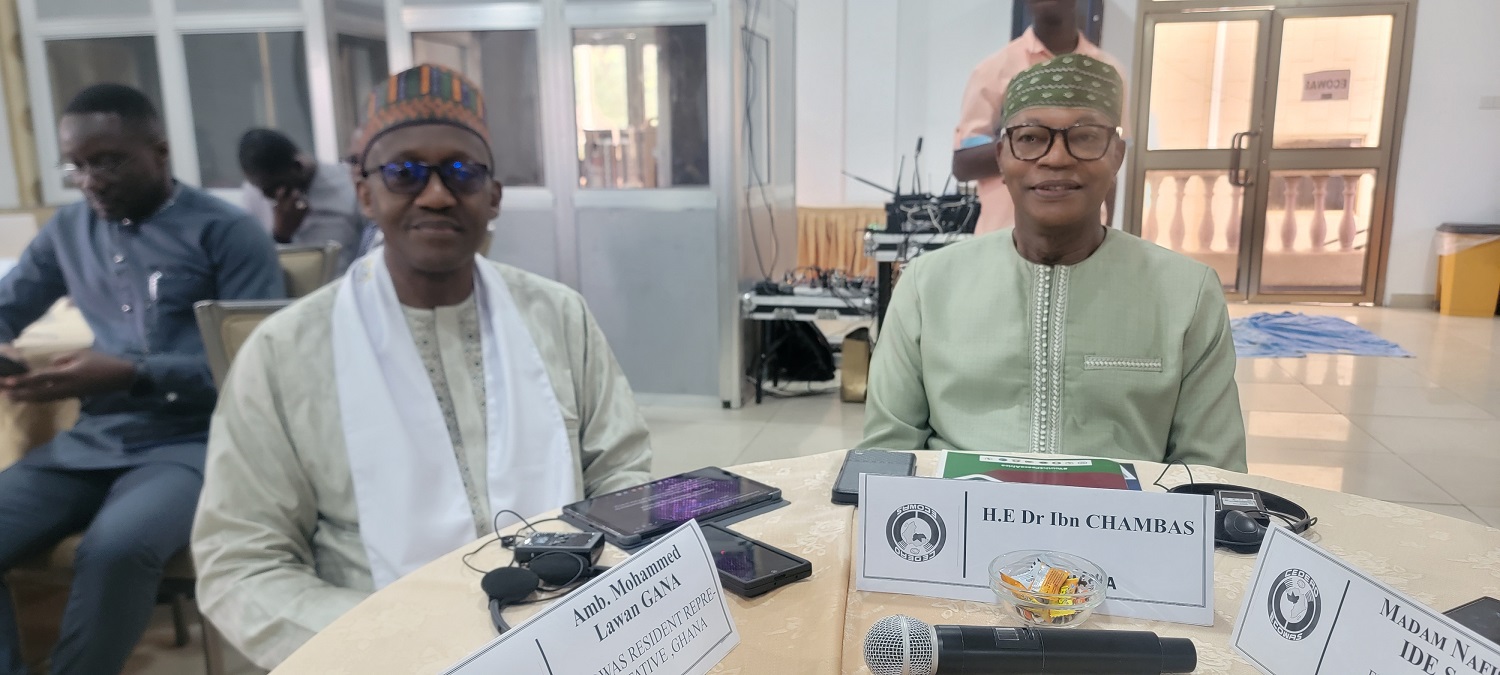
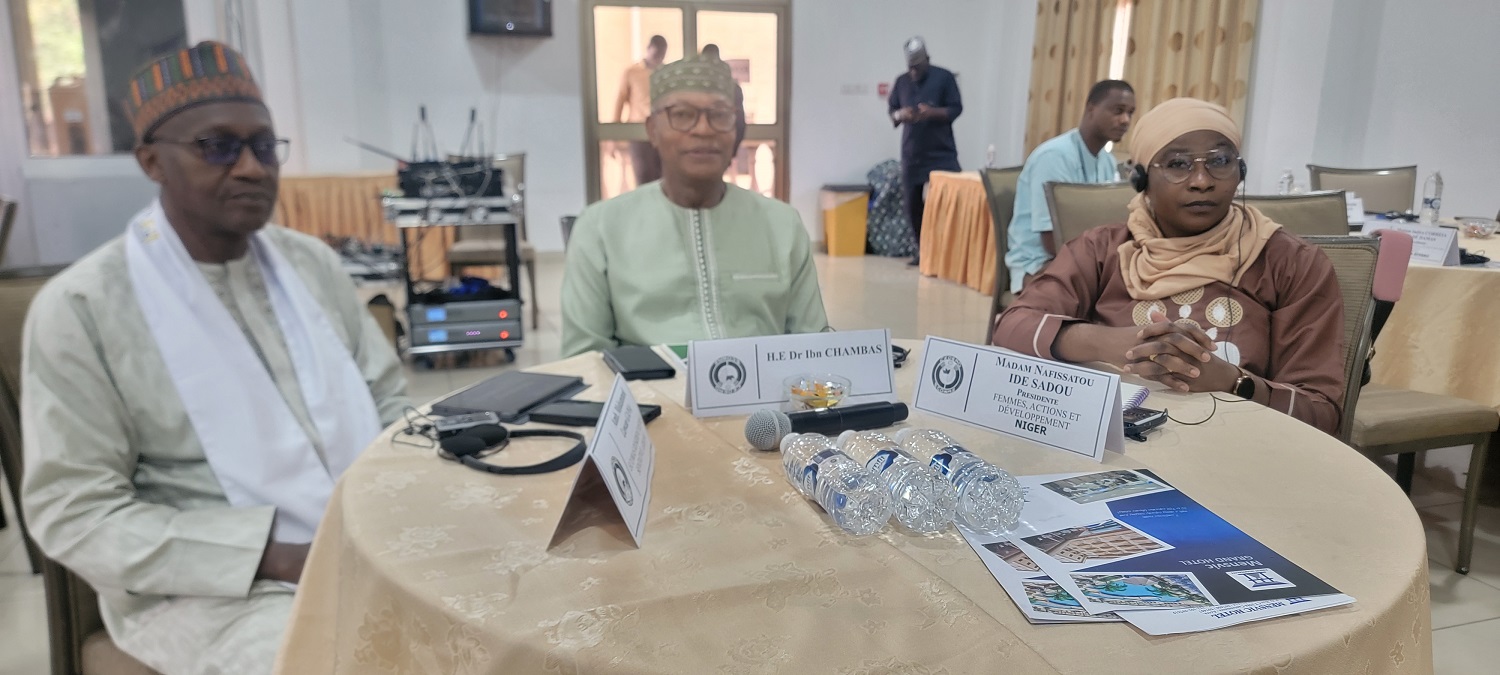
Participants at the Consultations in Accra include H.E. Mohammed Lawan Gana, ECOWAS Resident Representative in Ghana, H.E. Dr. Mohamed Ibn Chambas, former President of the ECOWAS Commission and currently African Union (AU) High Representative, Mr. Baboucar Blaise JAGNE, former Foreign Affairs Minister of The Gambia, Dr. Aisha Laraba ABDULLAHI, former Commissioner of Political Affairs at the African Union Commission, Ambassador D.K. Osei, President of the Council of Foreign Relations, Ghana, Professor Attahiru JEGA, the former Chairperson of the INEC of Nigeria, and Professor Jibrin IBRAHIM, Senior Fellow of Centre for Democratic Development (CDD).
The conclusions of these consultations will be incorporated into a final document entitled “Pact for the Future of Regional Integration in the ECOWAS Community,” which will be presented to the Heads of State and Government for consideration at the Special Summit on the Future of Regional Integration.
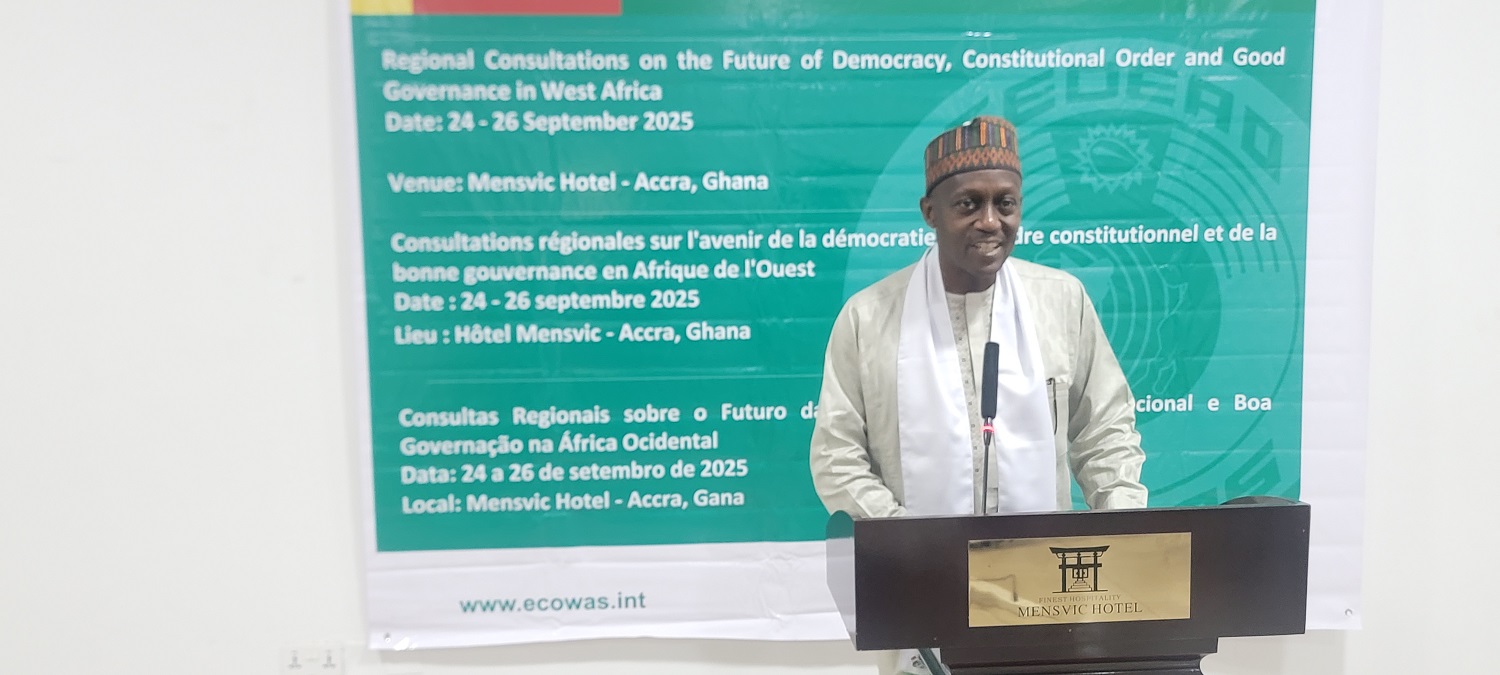
In his opening address to participants in Accra, H.E. Mohammed Lawan Gana, ECOWAS Resident Representative in Ghana, expressed confidence that this meeting will be filled with meaningful dialogue, innovative ideas, and a spirit of collaboration that will help shape a better future for ECOWAS and the citizens of the community. “I encourage you to make the most of this consultation by sharing your experiences and ideas, challenging assumptions, and making proposals and recommendations that will stimulate the future of democratic governance, constitutional order, and inclusive development in West Africa that we all want…” he said.
In his keynote address under the theme “The State of Democracy and Constitutional Order in West Africa” H.E. Dr. Mohamed Ibn Chambas, former President of the ECOWAS Commission and currently the African Union (AU) High Representative for Silencing the Guns and Chair of the AU High-Level Panel on Conflict Resolution in Sudan, he urged participants to be aware that “the recent wave of instability is not a random occurrence. In fact, it is the symptom of a deeper malaise. We are facing a perfect storm where several failures have converged to create a troubling backsliding”. He therefore admonished participants thus:
“These times call for sober reflection. We must engage in honest diagnosis to learn from our setbacks and re-anchor our aspirations in a clear vision for the future as envisaged in ECOWAS Vision 2050, which aims to build an ‘ECOWAS of the people, peace, prosperity, and good governance…” said H.E. Dr. Mohamed Ibn CHAMBAS.
It would be recalled that over the past five decades, ECOWAS has been a beacon of regional integration, championing key principles such as the free movement of persons in all its member states without entry visas; the establishment of a community free trade area for originating products; joint peacekeeping efforts; and community efforts to manage and end epidemics and potential health risks that threatened its citizens. These initiatives, among others, have made ECOWAS the most integrated community on the African continent, inspiring sister regional communities.
Over the years, the dynamism of the region; the demands of modern times; international geopolitical pressures and external shocks have necessitated a reassessment of strategies to achieve the goals of the founding fathers of ECOWAS, through in-depth reflection on the future of the Community by leaders and citizens at large.
Discover how ECOWAS is transforming communities, economies and the lives of West African citizens — one story at a time.