Initializing...
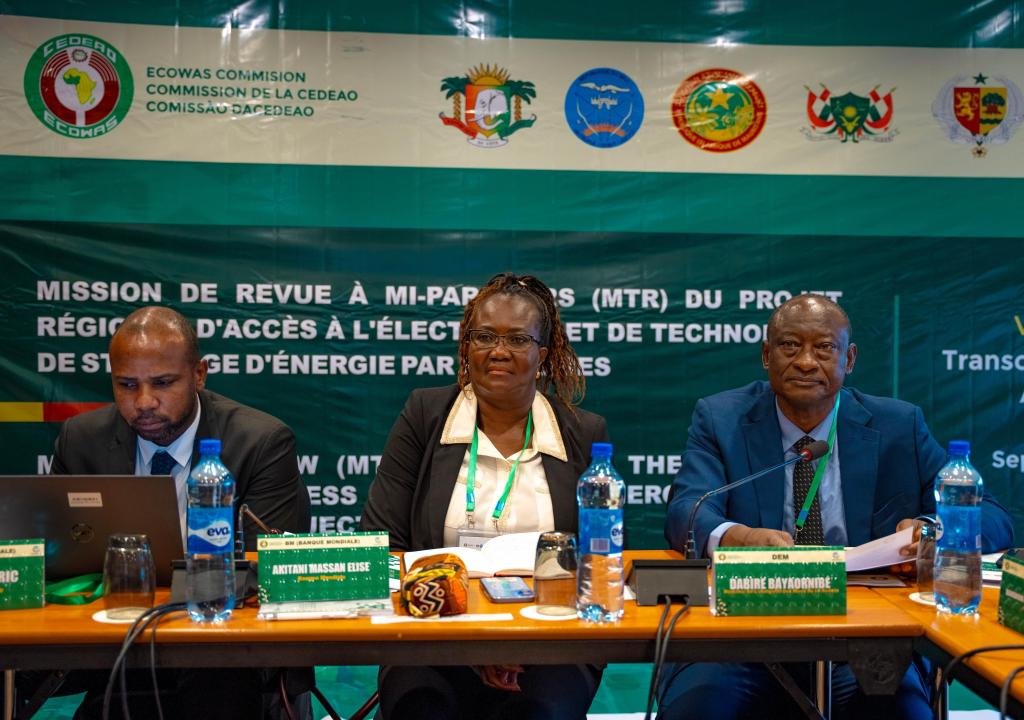
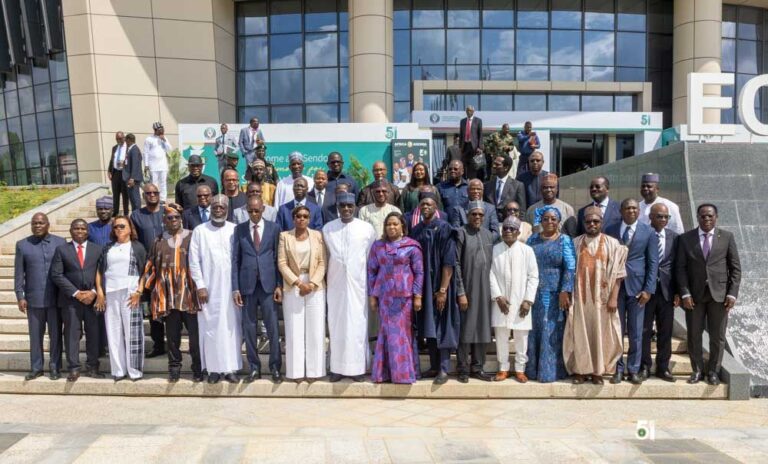
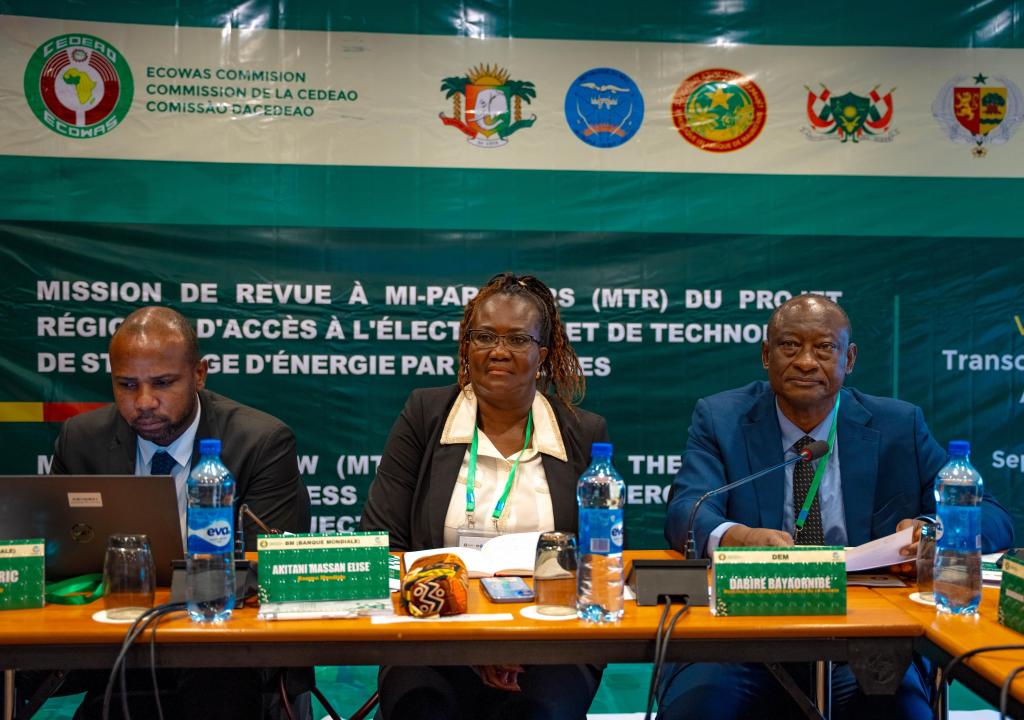
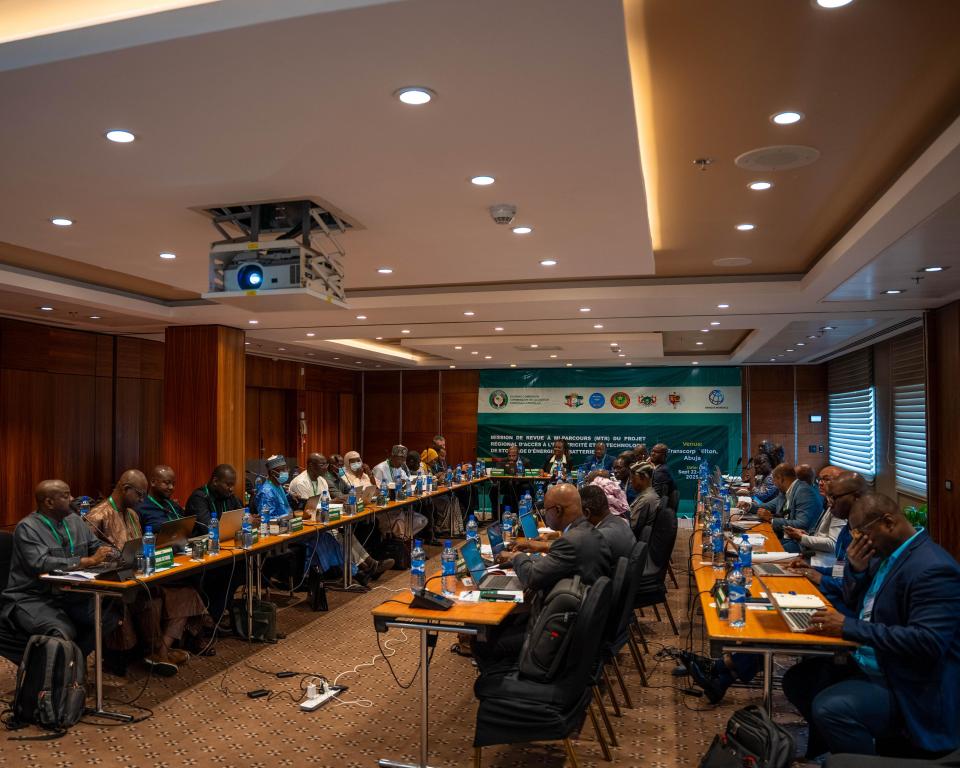
The ECOWAS Commission, through its Directorate of Energy and Mines, in collaboration with the World bank has commenced a four-day Mid-Year Review Mission of the Regional Electricity Access and Battery Energy Storage Technology (BEST) Project, 23rd September 2025 in Abuja, Nigeria which serves as a platform to evaluate the project’s relevance, effectiveness, and efficiency, while also identifying implementation challenges and setting priorities for the next phase.
The BEST Project, fully funded by the World Bank and implemented by ECOWAS across the region, seeks to accelerate electricity access, strengthen grid stability, enhance renewable energy integration, and improve the living conditions of populations across West Africa.
Launched on 30 March 2022 with a budget of USD 465 million, the project spans Senegal, Mauritania, Mali, Niger, and Côte d’Ivoire. Its key targets include electrifying 2,201 localities, installing 205 MWh of battery storage capacity, and connecting more than 235,000 households to modern electricity services.
In his opening remarks, Mr. Bayaornibe Dabire, ECOWAS Director of Energy and Mines, reaffirmed the Commission’s dedication to the project:
“Since its launch in 2022, the BEST Project has brought us together with rigor, enthusiasm, and consistency. We are halfway through, and this review allows us to reflect on our successes and challenges, realign our priorities, and strengthen our regional solidarity. Despite difficulties, tangible results are already visible, and the impact on households and communities will be transformative”.
Mr. Dabire underscored the importance of enhancing technical risk management, streamlining procedures, and capitalizing on successful country experiences, particularly in Côte d’Ivoire, to accelerate implementation in in the other countries.
Director Dabire noted major progress across member states. In Côte d’Ivoire, the storage component is 81.5% complete with three sites (105 MWh) set for commissioning by March 2026. Senegal has completed studies to electrify 1,041 communities (50,000+ households), with construction to start after the rainy season. In the Sahel, Mali signed contracts for an 80 MWh storage system (July 2025), Niger awarded contracts covering 91% of commitments ($95.4m) including 742 communities and a 20 MWh system, while Mauritania has reached 48% progress in access works for 481 communities despite technical challenges. Regionally, the RCU is working with national PIUs to fast-track disbursement and implementation.
Ms. Elise Akitani, Senior Energy Specialist at the World Bank, highlighted that the $465 million BEST Project will expand grid connections in three countries, enhance ERERA’s capacity, and strengthen WAPP’s interconnexion network operations through battery-energy storage. She described it as a pioneering step toward greater renewable energy generation, transmission, investment, and the development of a regional power market with strong private sector potential in West Africa.
This mid-term review marks a pivotal step in ensuring the BEST Project achieves its objectives. By the project’s completion, West Africa is expected to benefit from, the expanded rural electrification coverage, increase of electricity access rate and improved grid stability across the West African Power Pool (WAPP), have greater integration of renewable energy sources and a concrete model of regional energy integration.
Discover how ECOWAS is transforming communities, economies and the lives of West African citizens — one story at a time.