Initializing...
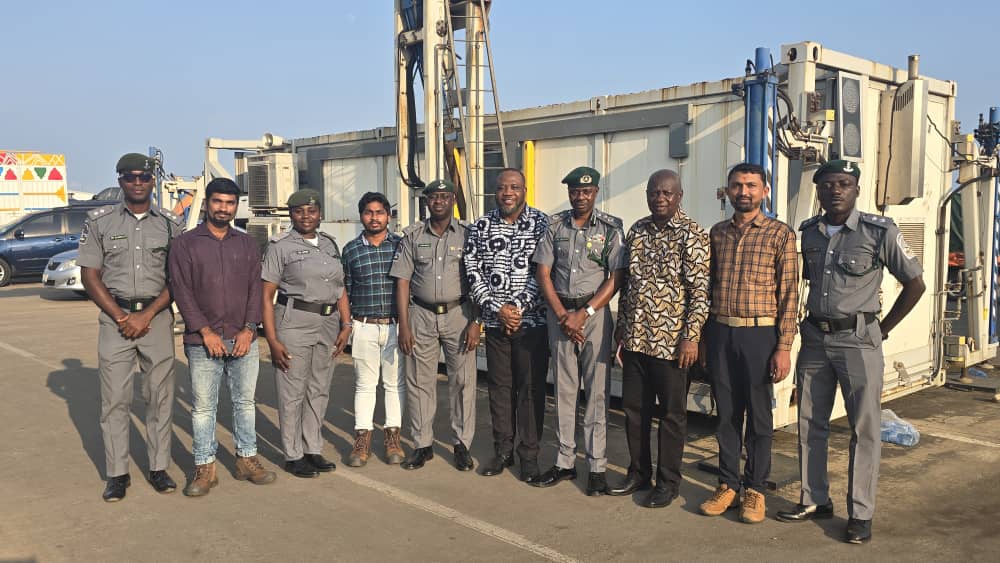
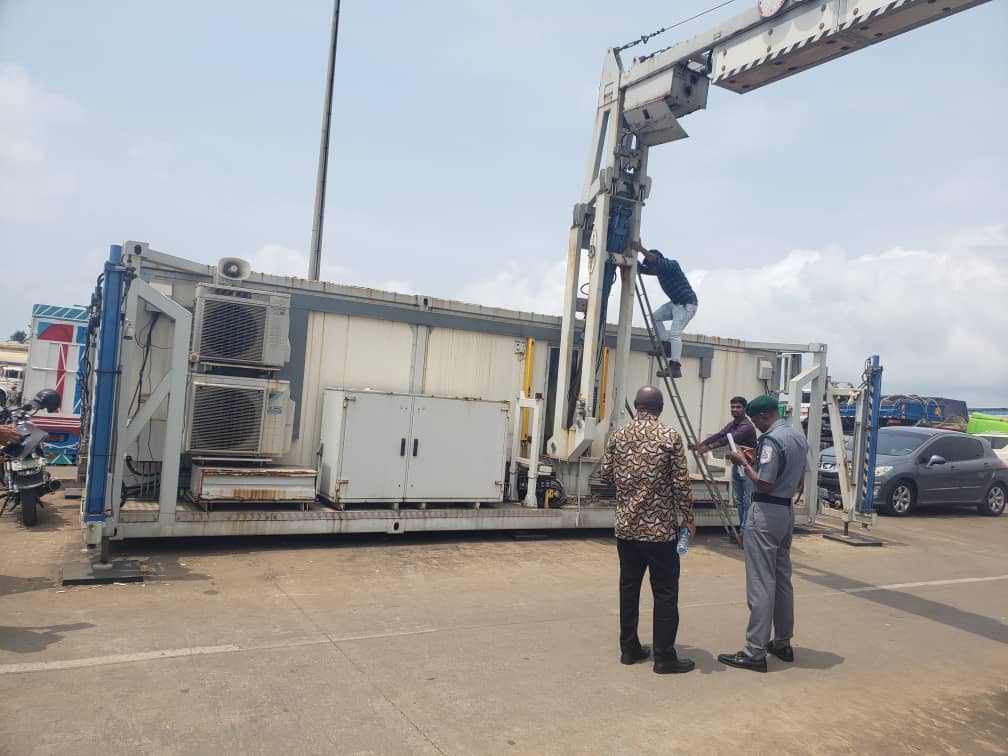
The Economic Community of West African States (ECOWAS) Commission, through its Directorate of Transport, in collaboration with the Federal Republic of Nigeria and the Republic of Benin, carried out a series of interventions from 3rd to 5th September 2025, to improve the efficiency and operations of the Seme-Krake Joint Border Post (JBP).
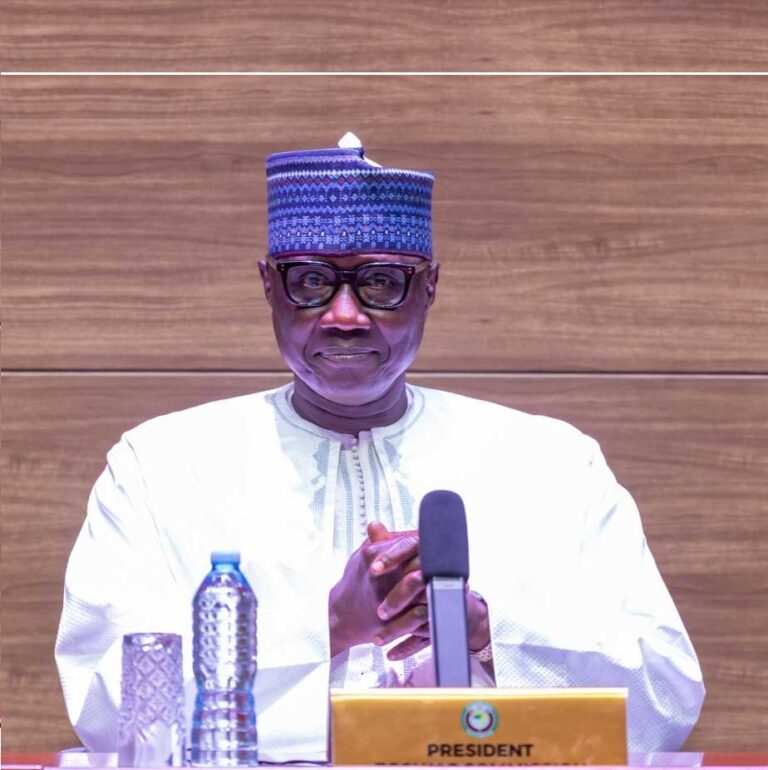
This initiative follows the directive of the President of the ECOWAS Commission, H.E. Dr. Omar Alieu Touray, during his working visit to the facility in May 2025, aimed at improving cross-border trade and mobility along the Abidjan-Lagos Corridor.
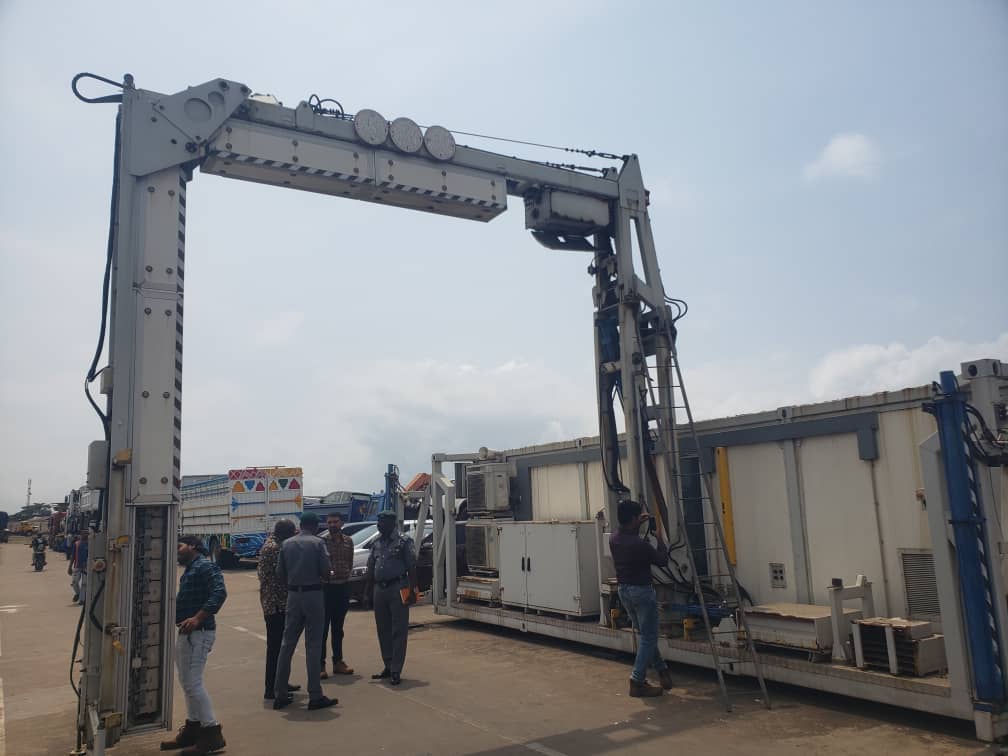
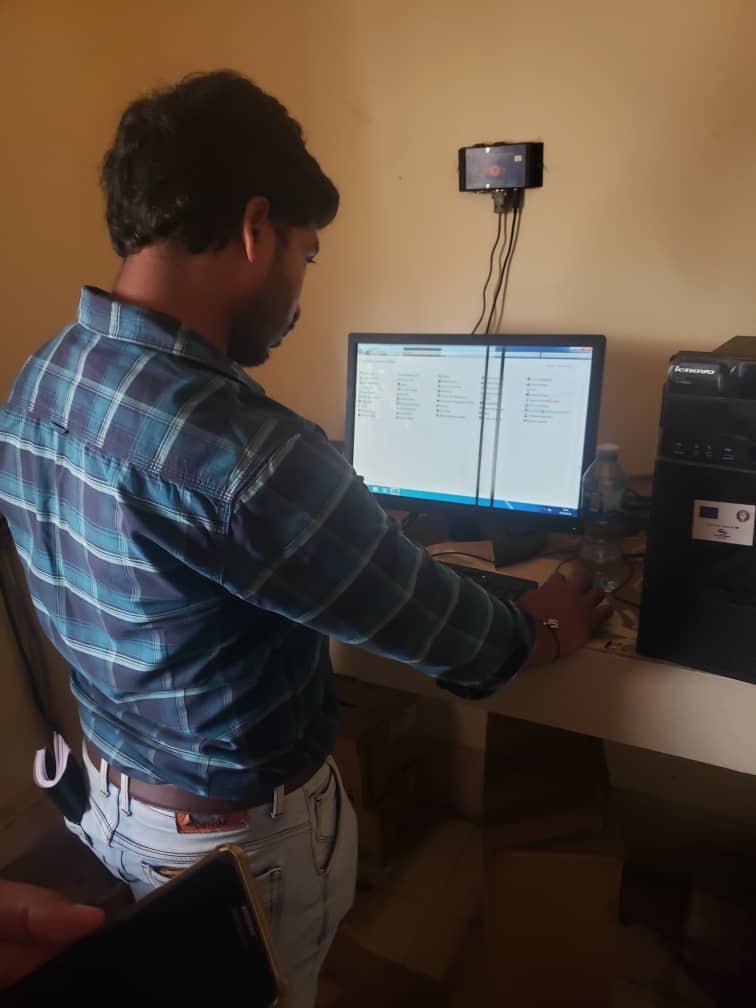
In partnership with TradeMark Africa, ECOWAS is working to repair and upgrade critical equipment at the JBP, including the cargo scanner, luggage scanner, and axle load weighbridge system. These improvements are designed to facilitate trade, streamline customs procedures, and ensure the free movement of persons and services, making the Seme-Krake border a more efficient gateway for regional commerce.
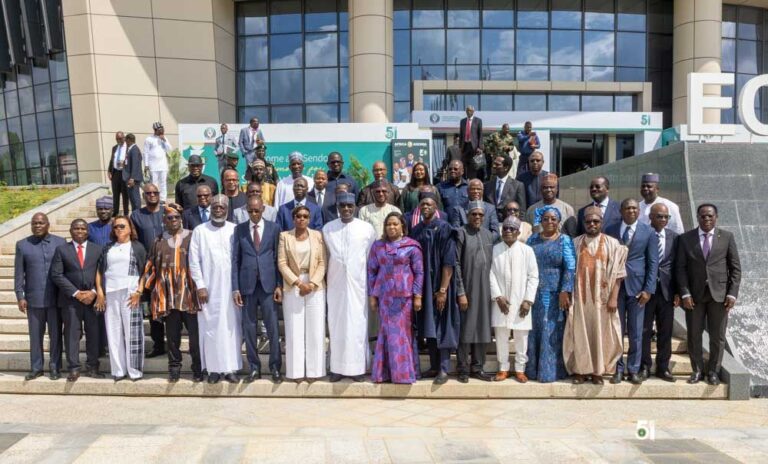
Since the President’s visit, a series of consultations and high-level meetings have been held involving the ECOWAS Directorates of Transport, Trade, Free Movement, and Customs and Taxation. These engagements have produced a set of integrated measures to strengthen border post management. They include the development of a monitoring framework with Key Performance Indicators (KPIs) to track performance, the establishment of a Joint Border Information System, and the creation of a Joint Technical Secretariat to support the Joint Management Committee.
As part of this process, ECOWAS has engaged key stakeholders in Nigeria to address systemic challenges affecting the operations of the Sèmè-Kraké JBP. A similar meeting with stakeholders in Benin is planned before the end of the year to ensure coordinated actions and sustainable improvements at the facility.
The Joint Border Posts along the Abidjan-Lagos Corridor are critical to ECOWAS’ transport governance programme. By facilitating trade, reducing transport costs, and improving the flow of cross-border traffic, they contribute to deeper regional integration and economic growth in line with ECOWAS Vision 2050, “ECOWAS of the People.”
Discover how ECOWAS is transforming communities, economies and the lives of West African citizens — one story at a time.