Initializing...
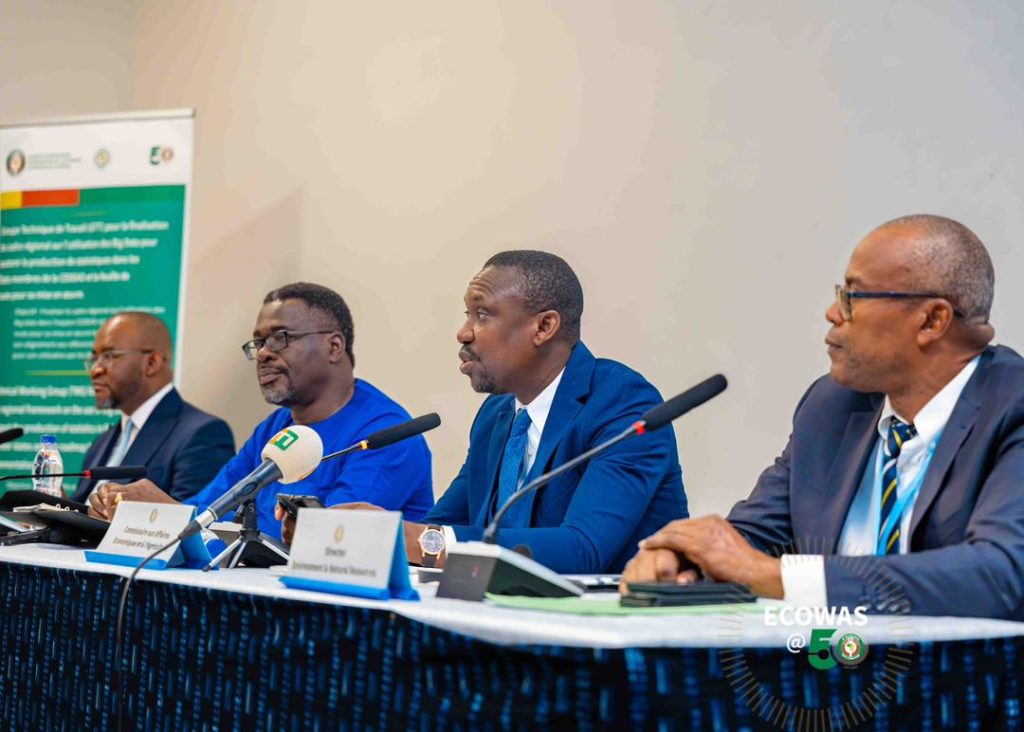
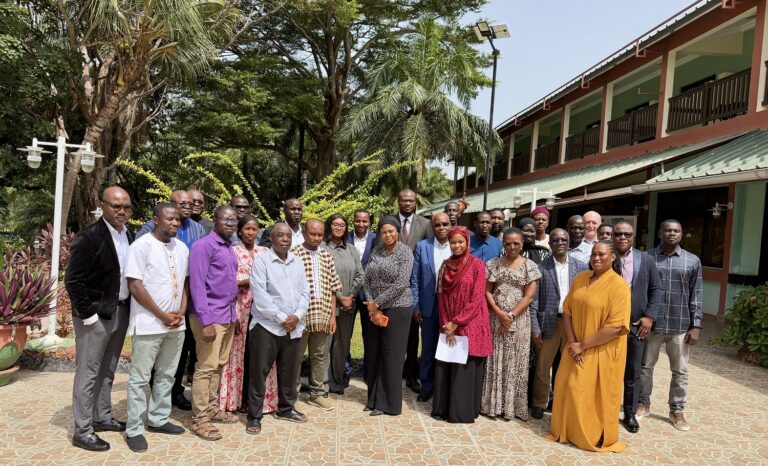
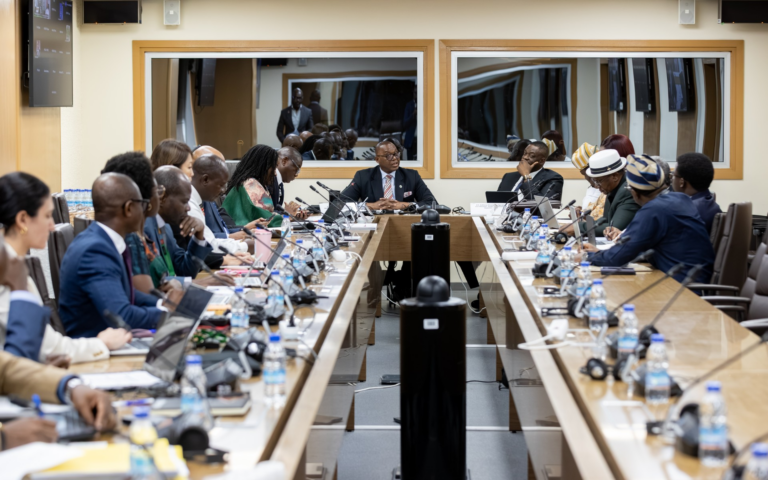
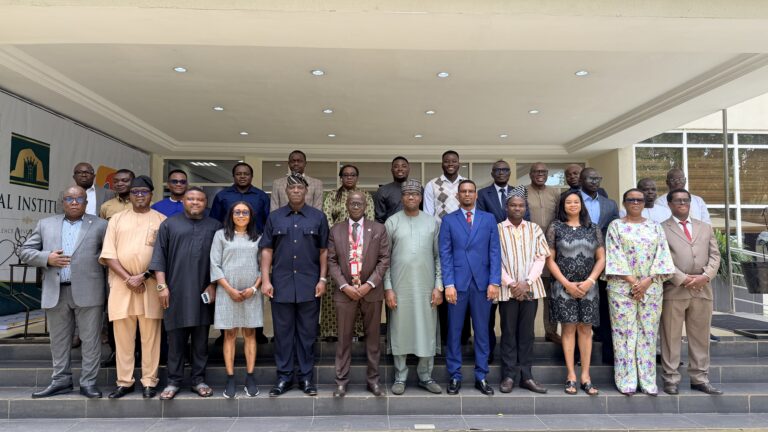
The ECOWAS Commission, through its Department of Economic Affairs and Agriculture, as part of the World Bank–funded Project for the Harmonization and Improvement of Statistics in West and Central Africa (HISWACA/PHASAOC), is holding workshops on Big Data, Sector Statistics Indicators, and Environmental Statistics to Strengthen Regional Statistical Systems in ECOWAS Member States, in Abidjan, Côte d’Ivoire from May 18th to 22nd ,2026.
The workshops aim to strengthen regional statistical systems in ECOWAS Member States by advancing harmonisation, data quality, and cooperation in statistical production. They seek to finalise the regional Big Data framework as a roadmap for implementation aligned with international standards for use by National Statistical Institutes, verify the completeness and consistency of indicators of sector statistics within and across Member States, and facilitate the sharing of experiences under the Regional Programme for Environmental Statistics (PRSE) to improve environmental data systems and support evidence-based decision-making.
In his welcoming remarks, Prof. Fofana Felix N’Zue, Acting Director of Research and Statistics of the ECOWAS Commission, highlighted that the workshops’ aims at strengthening ECOWAS statistical systems through the harmonisation and validation of indicators of sector statistics, the advancement of environmental statistics, and the integration of Big Data to improve the speed, accuracy, and relevance of data for decision-making. He stressed the importance of regional collaboration.
“Statistics are the compass of public policies. Without reliable data, our decisions feel like a journey without a map or landmarks” he added.
Mr. Yao Bernard Koffi, Acting Director of Environment of the ECOWAS Commission, in his statement emphasised environmental and climate data as a strategic tool for sustainable development in ECOWAS, especially in the face of climate change, resource degradation, and rapid urbanization. He also noted the progress achieved through the Regional Programme for Environmental Statistics (RPES).
Mr. Tiekoro Doumbia, Director General of the National Statistics Agency of Côte d’Ivoire (ANSTAT), in his remarks highlighted that no relevant public policy can be conceived without reliable data. Adding that statistics guides inform decision-making, measure progress, reveal inequalities, and guide resource allocation.
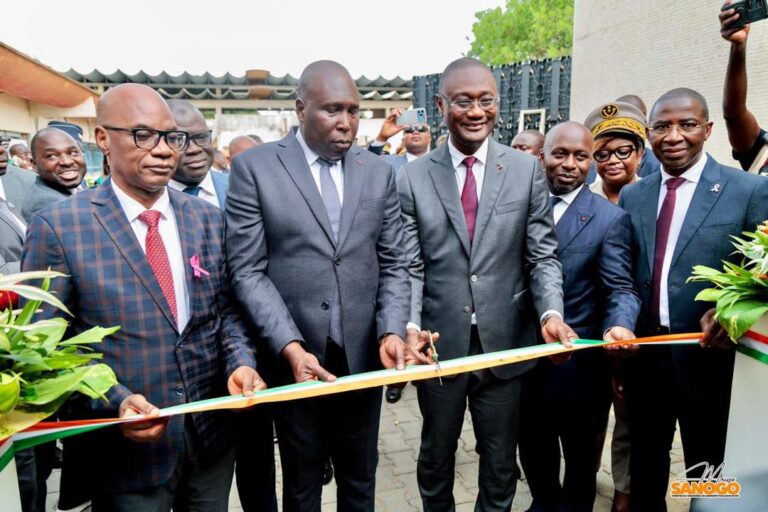
In his opening remarks, Dr. Kalilou Sylla, Commissioner for Economic Affairs and Agriculture of the ECOWAS Commission, highlighted that the workshops are aimed at strengthening regional statistical systems, validating and harmonising indicators of sector statistics, improving environmental statistics for better climate and sustainability monitoring, and integrating Big Data to modernise and accelerate statistical production. He emphasised that statistics are essential tools for governance, transparency, and development, and called for stronger regional coordination to ensure data consistency, comparability, and effective use for policymaking and integration.
Adding that “Statistics is not simply a collection of figures. It is an instrument of governance, a tool for transparency, and a lever for development.”
At the end of the five-day workshops, a regional framework and implementation roadmap for the use of Big Data in the ECOWAS region will be finalised, covering all key areas of collaboration. PRSE-related indicators will be consolidated and validated, while data and metadata will be shared in line with PRSE guidelines and the sectoral statistics framework. In addition, national institutional and regulatory frameworks will be reviewed and shared, and a roadmap for monitoring the implementation of the PRSE will be validated.
Discover how ECOWAS is transforming communities, economies and the lives of West African citizens — one story at a time.