Initializing...
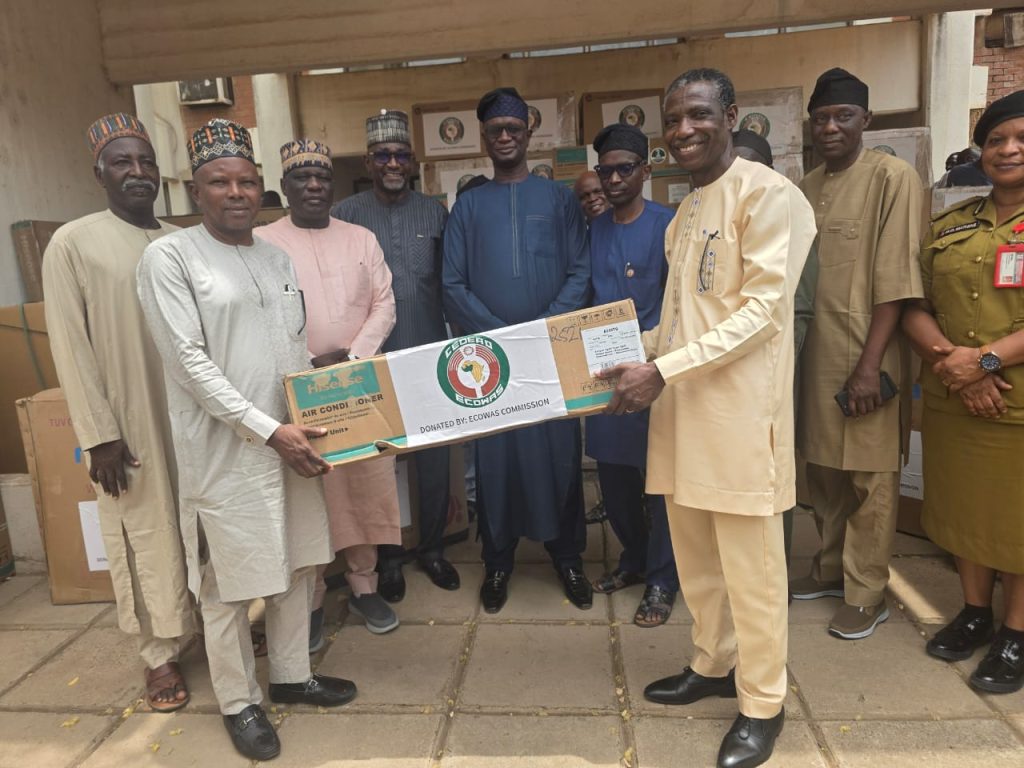
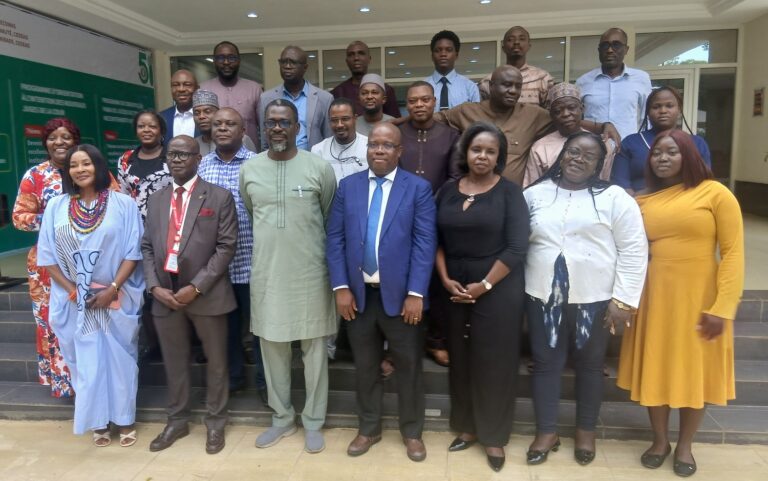
The ECOWAS Commission through its Department of Humanitarian and Social Affairs has donated critical equipment to the Adamawa State Specialist Hospital and the National Drugs Law Enforcement Agency (NDLEA) in Yola, Adamawa State, Nigeria on April 17, 2026, as part of its Drug Reduction and Prevention Programme.
Dr. Daniel Amankwaah, Head of ECOWAS Drug Prevention & Control Division, highlighted ECOWAS’s commitment to tackling rising drug treatment demand in West Africa by donating over ₦200 million in equipment — including hospital beds, generators, and clinical tools — to Adamawa State Specialist Hospital and NDLEA, marking the fourth Nigerian centre supported under a 2019 regional project. This intervention bridges critical gaps in treatment infrastructure, as affirmed by UNGASS 2016 data and WENDU reports.
“This support is designed to strengthen the Ministry’s efforts to protect public health and restore dignity to individuals and families affected by drug dependence,” he stated, emphasising shared responsibility for accessible care and regional resilience.
In his opening statement, Chief Felix B. Tangwami, the Commissioner of Health and Human Services Adamawa State, represented by Pharm. Mathias Zirra Bubanani, the Permanent Secretary, stressed that drug abuse is a global challenge and as such all hands must be on deck to confront and fight it.
The ECOWAS Drug Prevention and Control Programme as support for substance abuse treatment and rehabilitation facilities, is aimed at providing a more structured intervention designed to manage drug-related health and other problems.
The support will improve access to drug treatment and enhance the personal and social functioning of People Who Use Drugs (PWUDs) and live with Substance Use Disorders (SUDs). The treatment of SUDs assists PWUDs to reduce or stop the harmful use of substances and improve social function and health while managing their risks for relapse. Empirical studies have shown significant improvement in health, productivity, and the overall quality of life with treatment.
Discover how ECOWAS is transforming communities, economies and the lives of West African citizens — one story at a time.