Initializing...
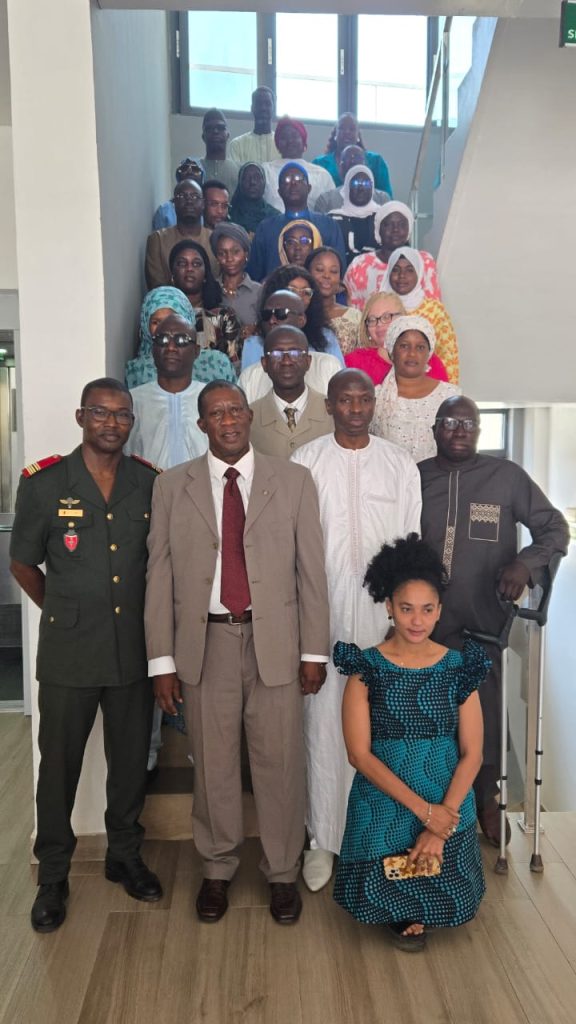
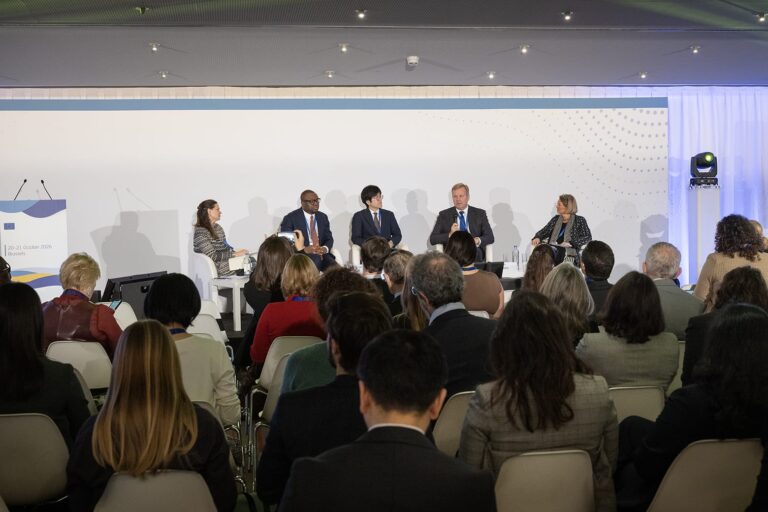
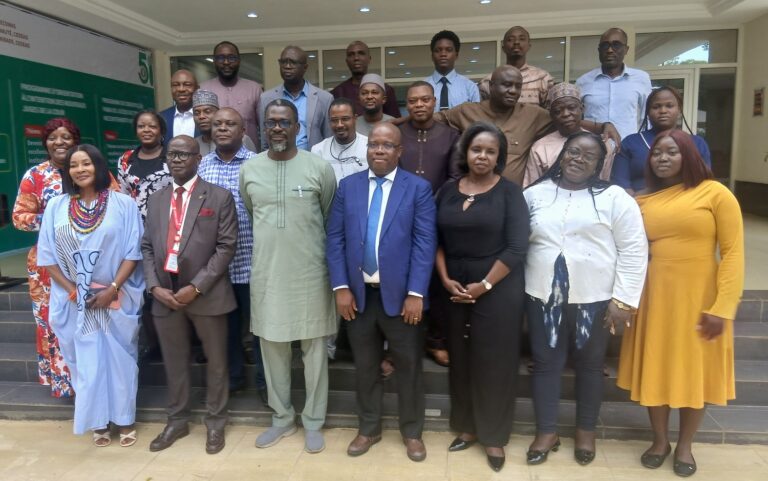
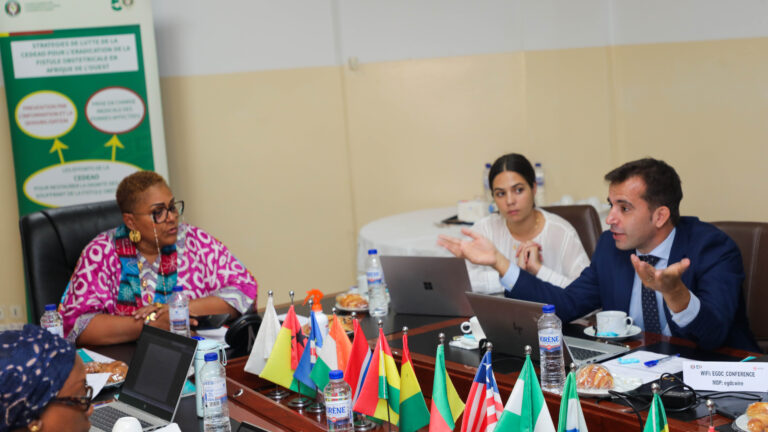
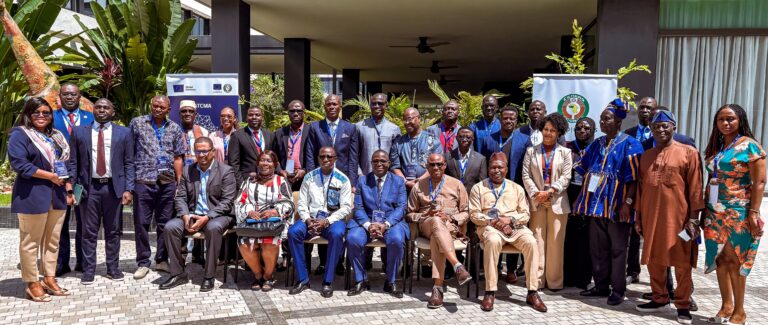
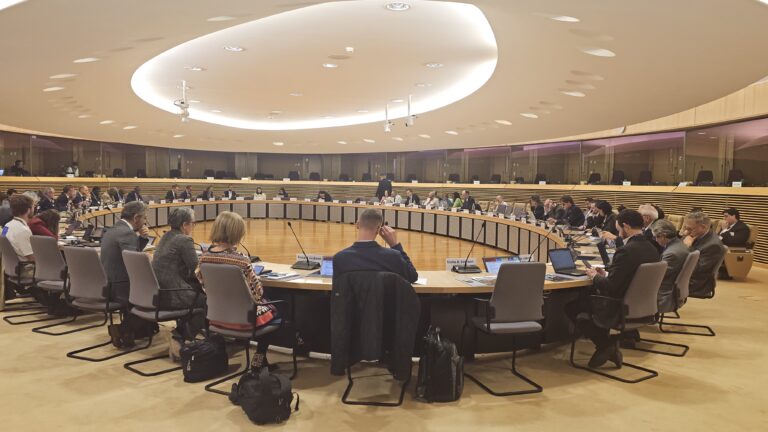
The Economic Community of West African States (ECOWAS) Commission on 24 April 2026 convened an Information and Advocacy Workshop in Dakar, Republic of Senegal, under its regional programme for the provision of assistive devices to children with disabilities, bringing together government authorities, organisations of persons with disabilities, technical institutions and development partners to validate needs and define the next phase of implementation. The meeting builds on the Banjul engagement and marks a decisive shift from policy dialogue to operational delivery.
Opening the session, Dr Fernando Jorge Alves D’Almada, Principal Programme Officer for Social Affairs at the ECOWAS Commission, set the tone with a clear message: “Assistive devices are not optional, they are essential to dignity, autonomy and full participation.” He stressed that millions of children across West Africa continue to face structural barriers to education and mobility, underscoring that the programme is anchored in the ECOWAS Regional Action Plan on Disability Inclusion and reflects the ambition of Vision 2050 to build an “ECOWAS of the People.”
Delivering the national statement on behalf of H.E. Mrs Maïmouna Dièye, Minister of Family, Social Action and Solidarity of Senegal, Mr Mountaga Ba, Secretary General of the Ministry, reaffirmed Senegal’s commitment to inclusion, while grounding the discussion in operational realities. “The objective now is clear: to move from identification to delivery,” he stated, highlighting the importance of aligning the regional initiative with national systems, including legal frameworks and public financing mechanisms already in place.
From the perspective of organisations of persons with disabilities, Mr Moussa Thiaré, President of the Senegalese Federation of Associations of Persons with Disabilities, brought the discussion back to lived experience. “A device is what allows a child to go to school, to learn, to play and to hope,” he said, calling for solutions that are adapted, accessible and sustained over time. His intervention echoed a consistent message throughout the workshop: that effectiveness depends on grounding decisions in real needs.
Technical and financial partners reinforced this direction. Speaking on behalf of partners, Dr Fatou Ndiaye Bâ of Sightsavers highlighted the importance of long-term, coordinated engagement. “This is about building systems that last,” she noted, reaffirming support to both ECOWAS and the Government of Senegal in ensuring that assistive technologies reach the children who need them most.
Discussions throughout the day moved beyond general commitments to focus on concrete pathways for implementation. Participants noted that while Senegal benefits from existing data across national institutions and stakeholders, greater precision is required to translate this into actionable priorities. As one participant succinctly put it, “we have the data, but we must refine the needs.” The workshop therefore converged on a clear operational direction: to consolidate available data, strengthen engagement with technical institutions and stakeholders, and produce a validated, prioritized list of assistive devices to guide national planning and regional support.
At the close of the meeting, participants underscored the urgency of establishing a dedicated technical mechanism to drive the next phase. The emphasis is now on ensuring that identification, validation and delivery are effectively aligned, supported by stronger coordination and more coherent data systems. As highlighted during the exchanges, “we are now at the stage where we must move with speed and precision, with clear priorities and defined responsibilities.” The Dakar engagement thus marks a decisive step in the regional scale-up of the programme, signalling a shift towards implementation-focused, results-driven action.
This engagement reflects the ECOWAS Commission’s sustained commitment to advancing social inclusion and human development by translating regional frameworks into tangible outcomes. By expanding equitable access to assistive technologies, the programme contributes to reducing inequalities, improving access to education and essential services, and strengthening the autonomy and participation of children with disabilities. Building on the Dakar mission, the next phase will focus on consolidating Senegal’s validated list of priority assistive devices to inform the formal national submission and guide subsequent procurement and delivery, as the programme advances its coordinated rollout across Member States in line with the vision of an inclusive, people-centred Community.
Discover how ECOWAS is transforming communities, economies and the lives of West African citizens — one story at a time.