Initializing...
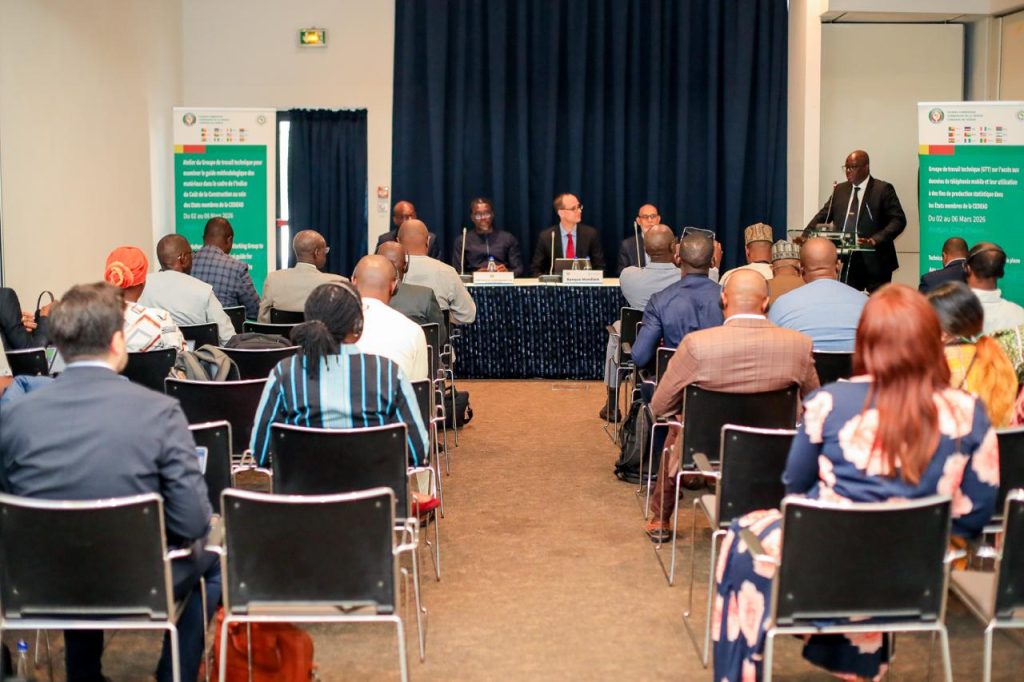
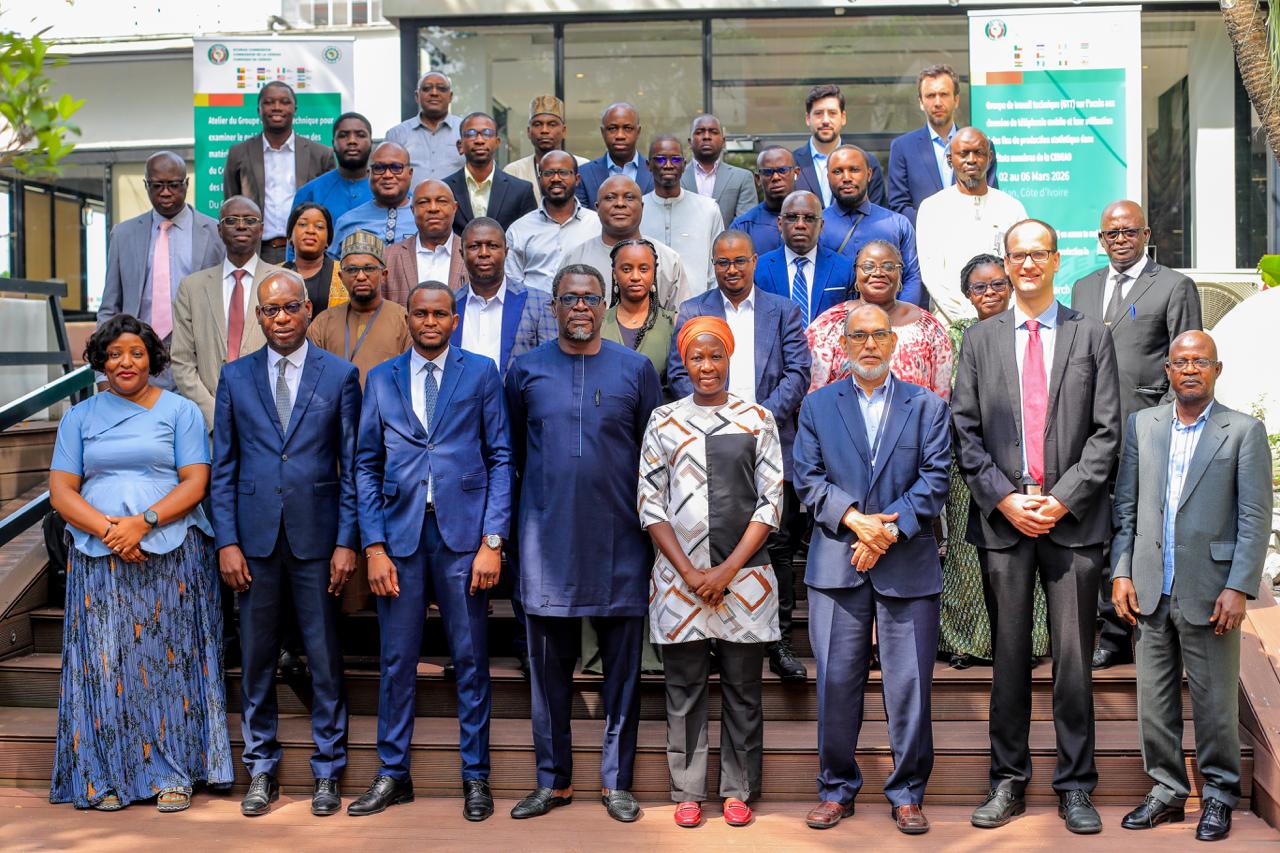
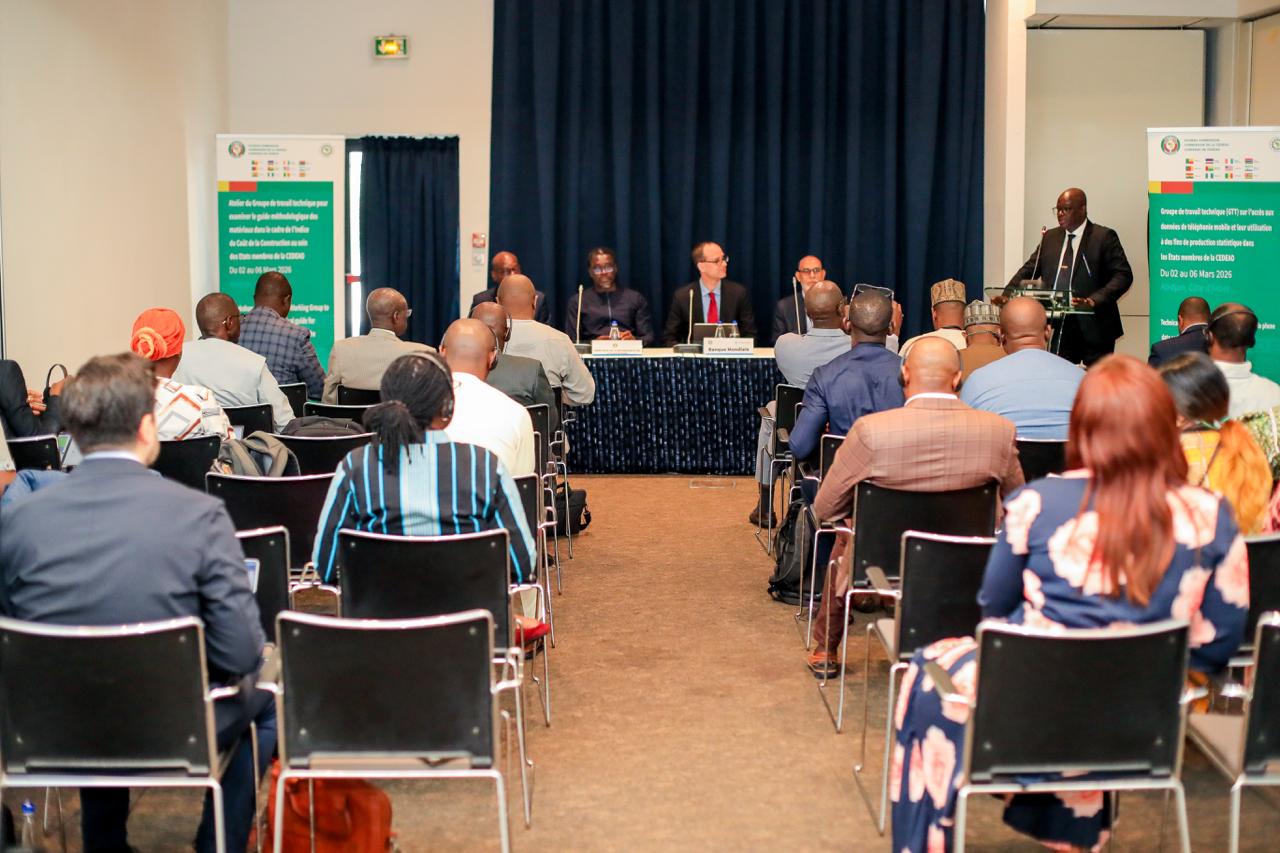
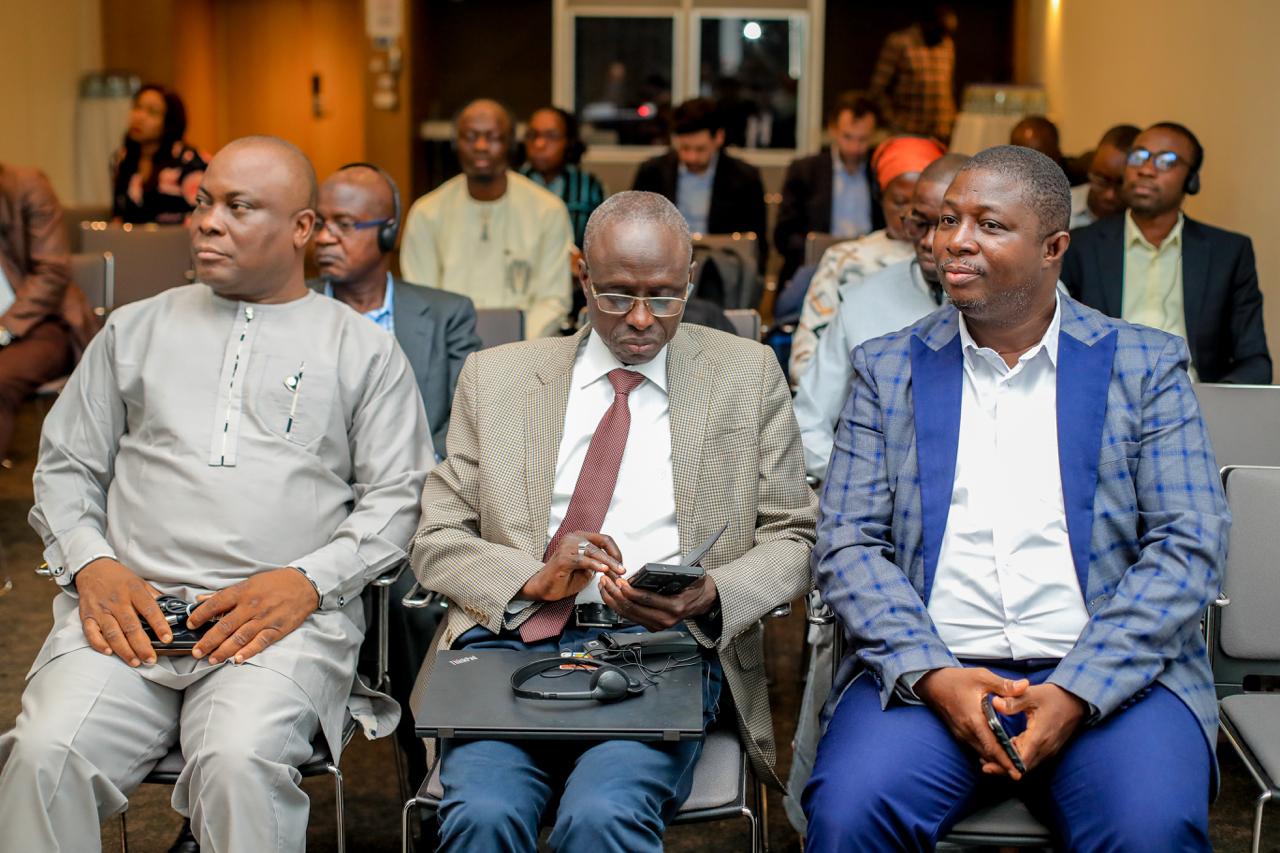
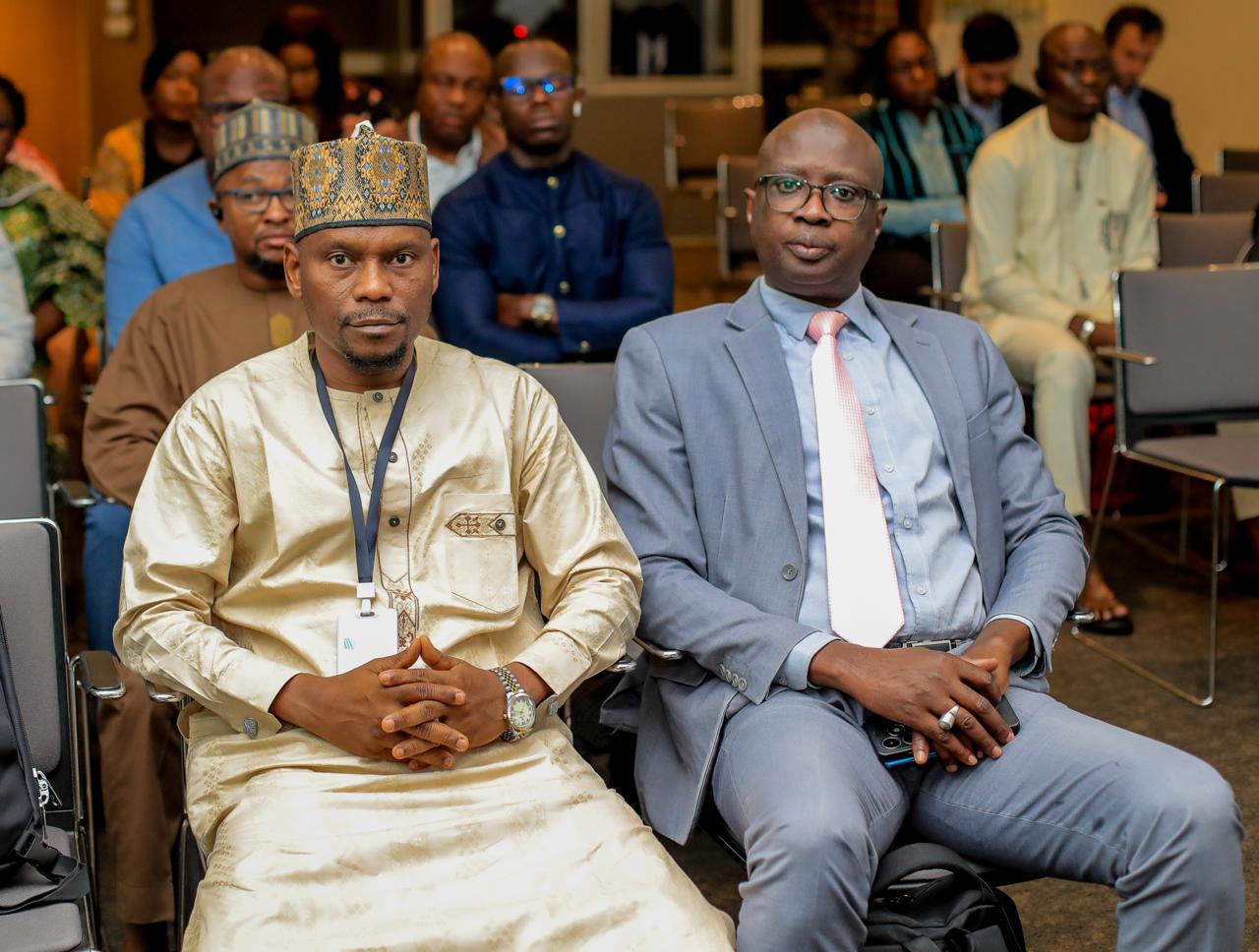
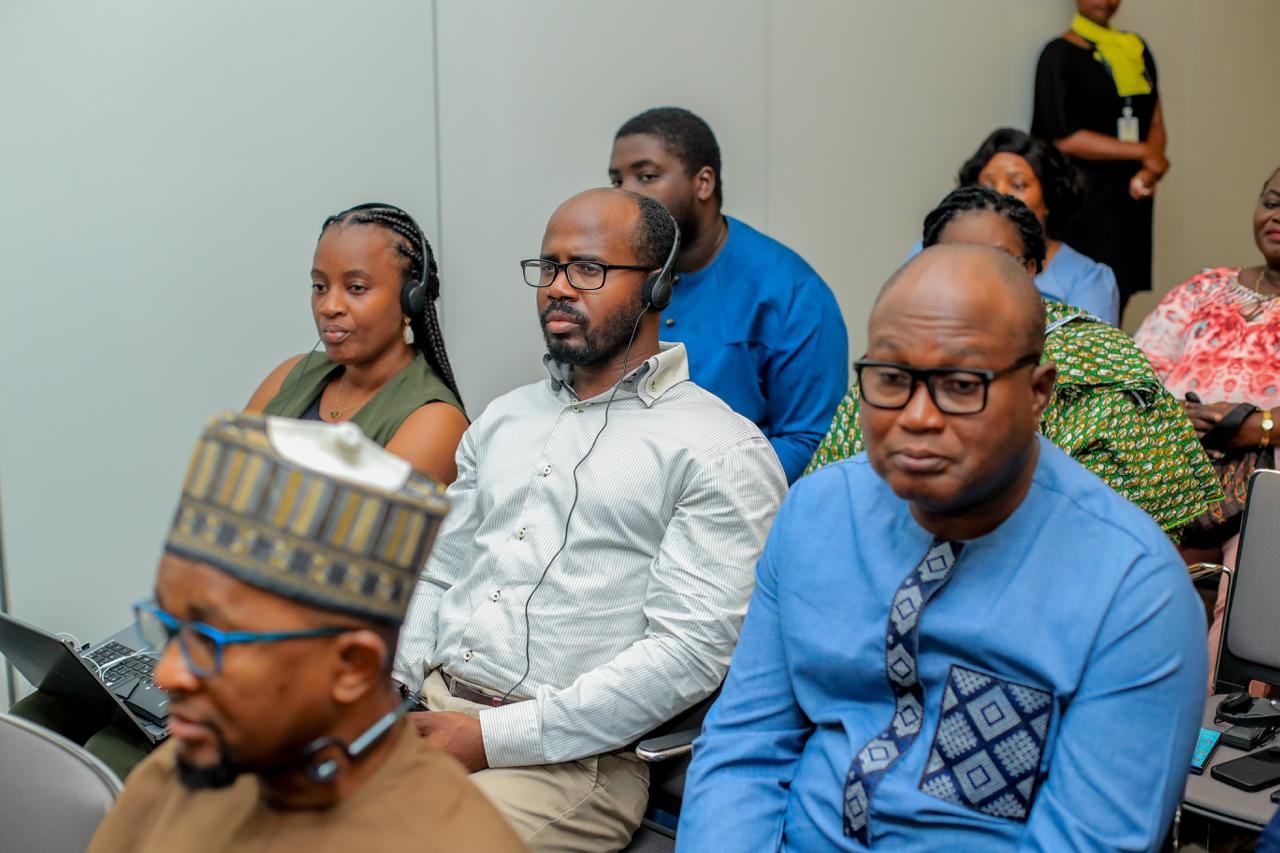
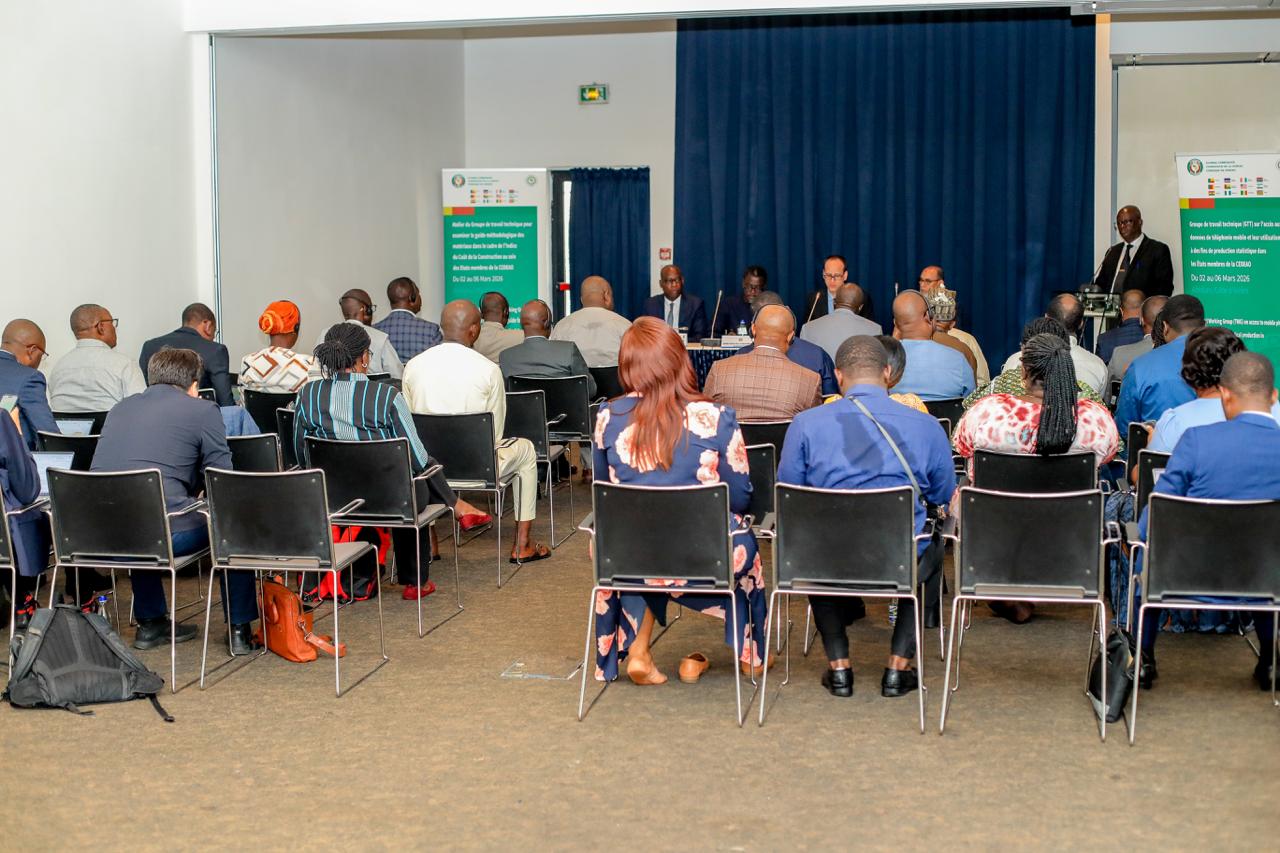
Experts from member states of the Economic Community of West African States (ECOWAS) and Mauritania, as well as representatives of ECOWAS and regional institutions and technical and financial partners, are meeting in Abidjan from March 9 to 13, 2026, for two technical workshops on the harmonization of statistics within the community.
The two workshops are being organized with the support of the Project for Harmonization and Improvement of Statistics in West and Central Africa (PHASAOC), funded by the World Bank. This regional project aims to strengthen national statistical systems and regional institutions in a sustainable manner, enabling participating countries to produce, harmonize, and disseminate reliable and comparable economic and social statistics.
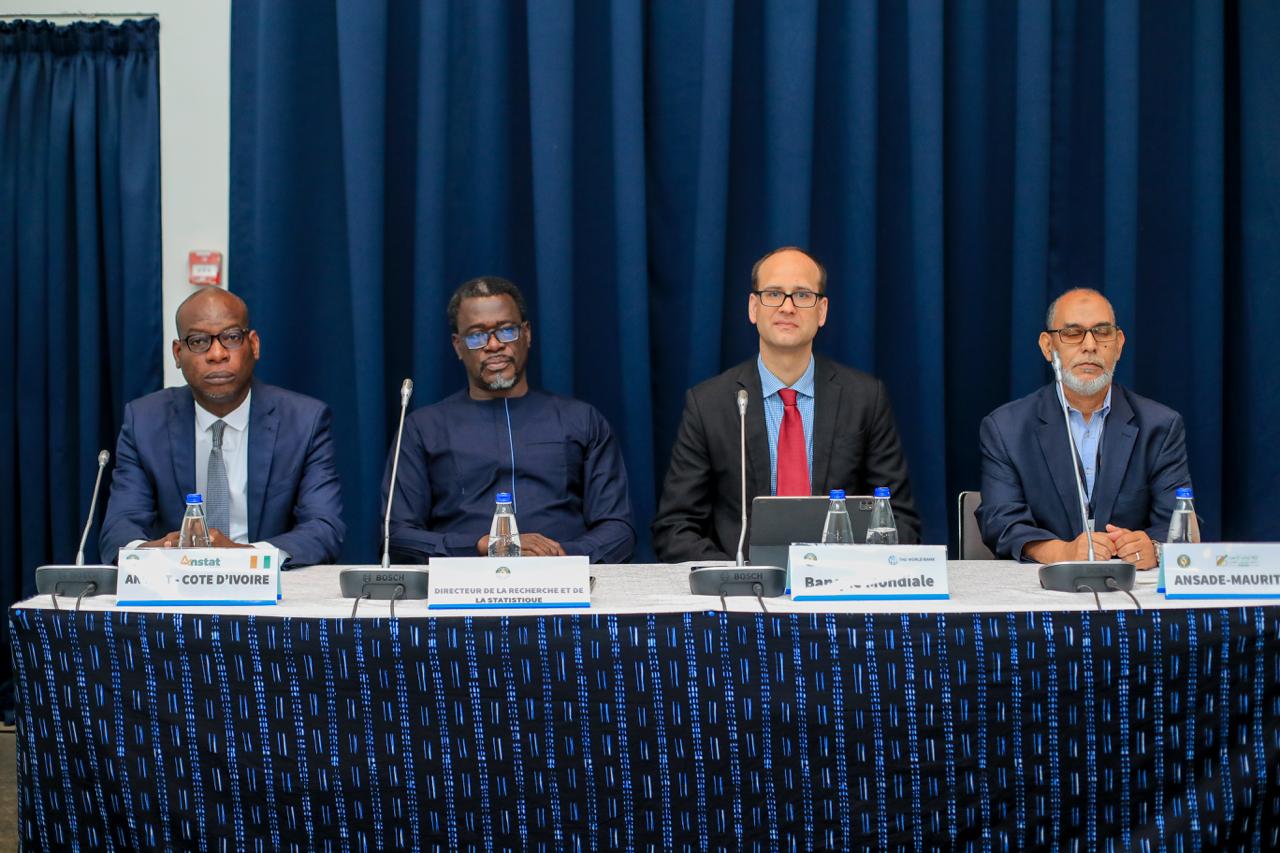
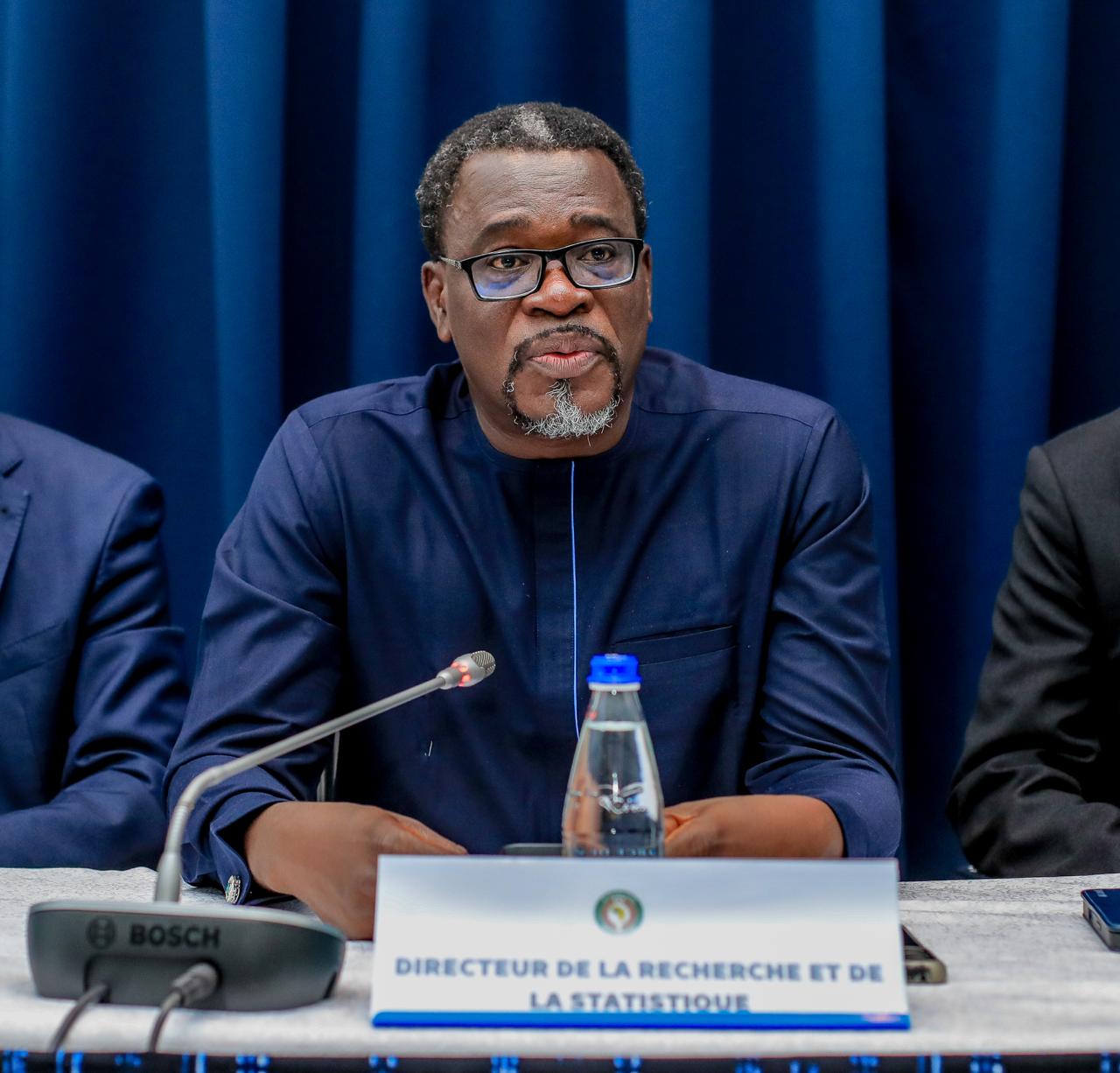
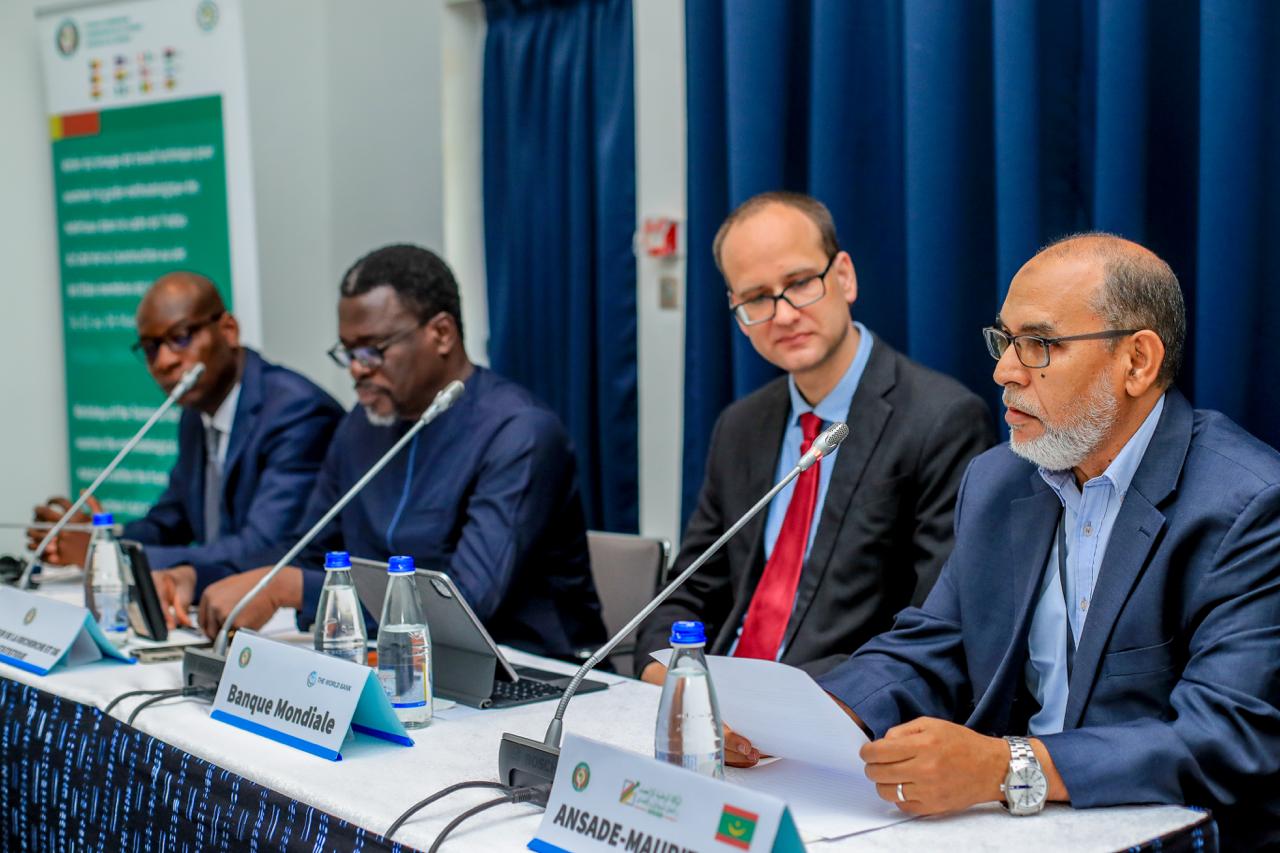
The workshops were officially opened by Prof. Félix N’Zué, Acting Director of Research and Statistics at ECOWAS, on behalf of Dr. Kalilou Sylla, Commissioner for Economic Affairs and Agriculture of the Organization, in the presence of Mr. AKAFFOU Franck Hervé, Director of Business Statistics and Economic Conditions at the National Statistics Agency of Côte d’Ivoire, Mr. Moritz Meyer, representative of the World Bank, and the representative of Mr. Mohamed El Moctar Ahmed Sidi, Director General of the National Agency for Statistics, Demographic and Economic Analysis (ANSADE) of the Islamic Republic of Mauritania.
In his speech, Prof. N’Zué highlighted the importance of collaboration between national statistical institutes, mobile phone operators, regulatory authorities, and international partners, particularly the World Bank. He also stressed the essential role of reliable and harmonized data in achieving the objectives of ECOWAS Vision 2050, which aims to build an integrated, prosperous, and inclusive regional community.
In addition, Prof. N’Zué emphasized several fundamental principles: the importance of statistical quality and methodological rigor, the relevance of data for informing public policy, and training and human capacity building to modernize statistical systems.
During their work, the experts will focus on (a) reviewing the methodological guide to materials in the context of the Construction Cost Index (CCI) within ECOWAS member states and (b) access to mobile phone data and its use for statistical production purposes in ECOWAS member states.
The workshop on the Construction Cost Index (CCI) will enable experts to finalize a draft harmonized methodology for calculating the construction materials index, an essential component of monitoring price developments in the building and public works sector. The work will focus in particular on reviewing and improving the various chapters of the methodological guide; finalizing the nomenclature of construction materials; validating the formulas for calculating the construction materials index; and defining the implementation and monitoring procedures in member states.
The objectives of the Technical Working Group (TWG) workshop on access, analysis, and use of mobile phone data for statistical production are to train participants in methods of analyzing mobile data to produce statistical indicators; identify the legal, ethical, and technical frameworks related to accessing and using these data, develop a regional technical framework for integrating these data into statistical systems, and strengthen collaboration between statistical institutes, mobile phone operators, and regional institutions.
The expected outcomes of these two workshops include a consolidated IMC guide ready for technical circulation, a regional framework for mobile data integration, including anonymization, security, and methodologies, and finally a clear roadmap for collaboration between NSIs.
By strengthening the capacities of national statistical institutes, improving statistical infrastructure, modernizing data collection and dissemination tools, and harmonizing statistical methods, ECOWAS, through PHASAOC, is helping to increase the availability of quality data to inform public policy, support decision-making, and promote better evaluation of development programs in the region.
The West African regional organization (ECOWAS) thus reaffirms its commitment to promoting a strong statistical culture and a modern regional data ecosystem, which are essential for supporting sustainable development and regional integration. Haut du formulaire
Bas du formulaire
Discover how ECOWAS is transforming communities, economies and the lives of West African citizens — one story at a time.