Initializing...
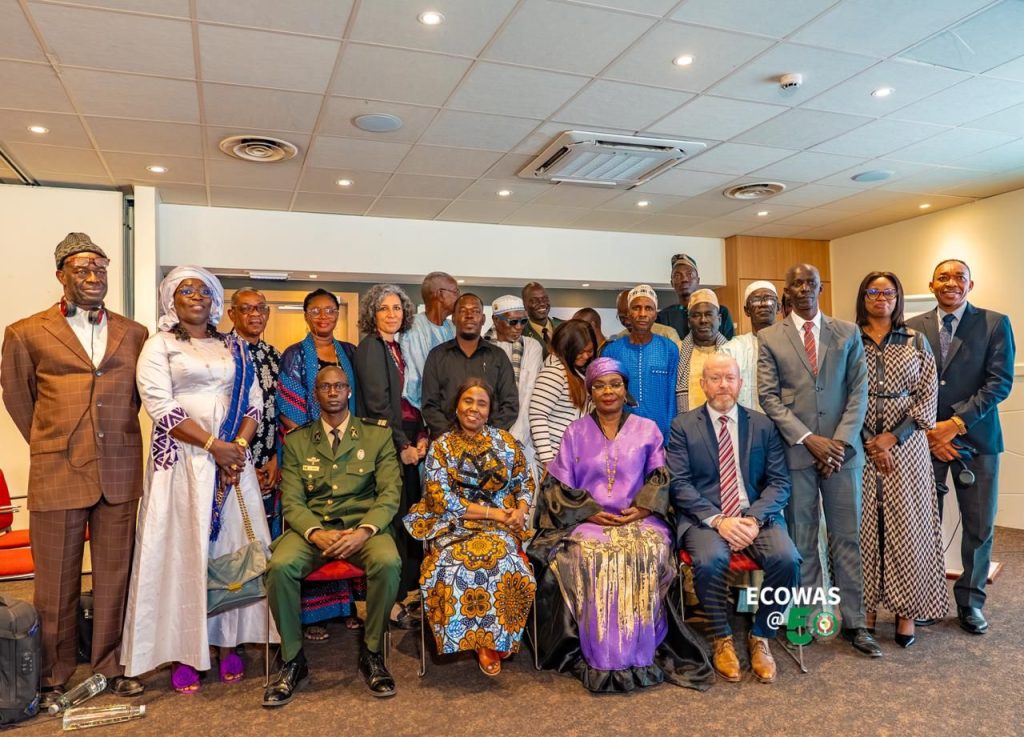
The Economic Community of West African States (ECOWAS) has launched a humanitarian assistance initiative in Senegal to support refugees, internally displaced persons (IDPs), stateless persons, and asylum seekers, reaffirming the region’s commitment to human dignity, solidarity, and inclusive development.
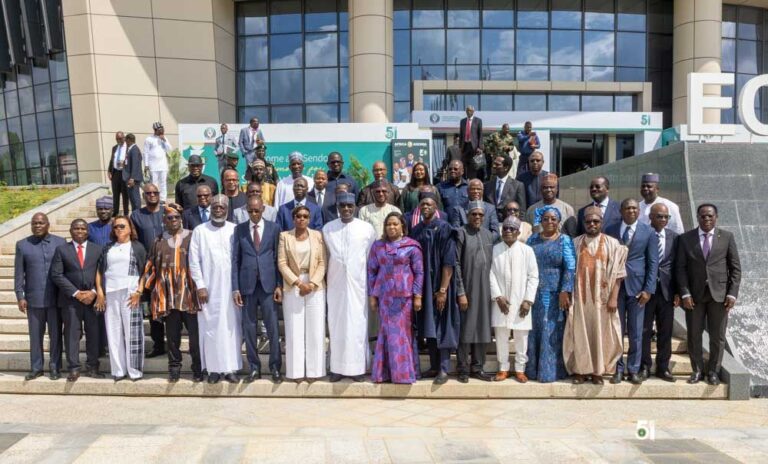
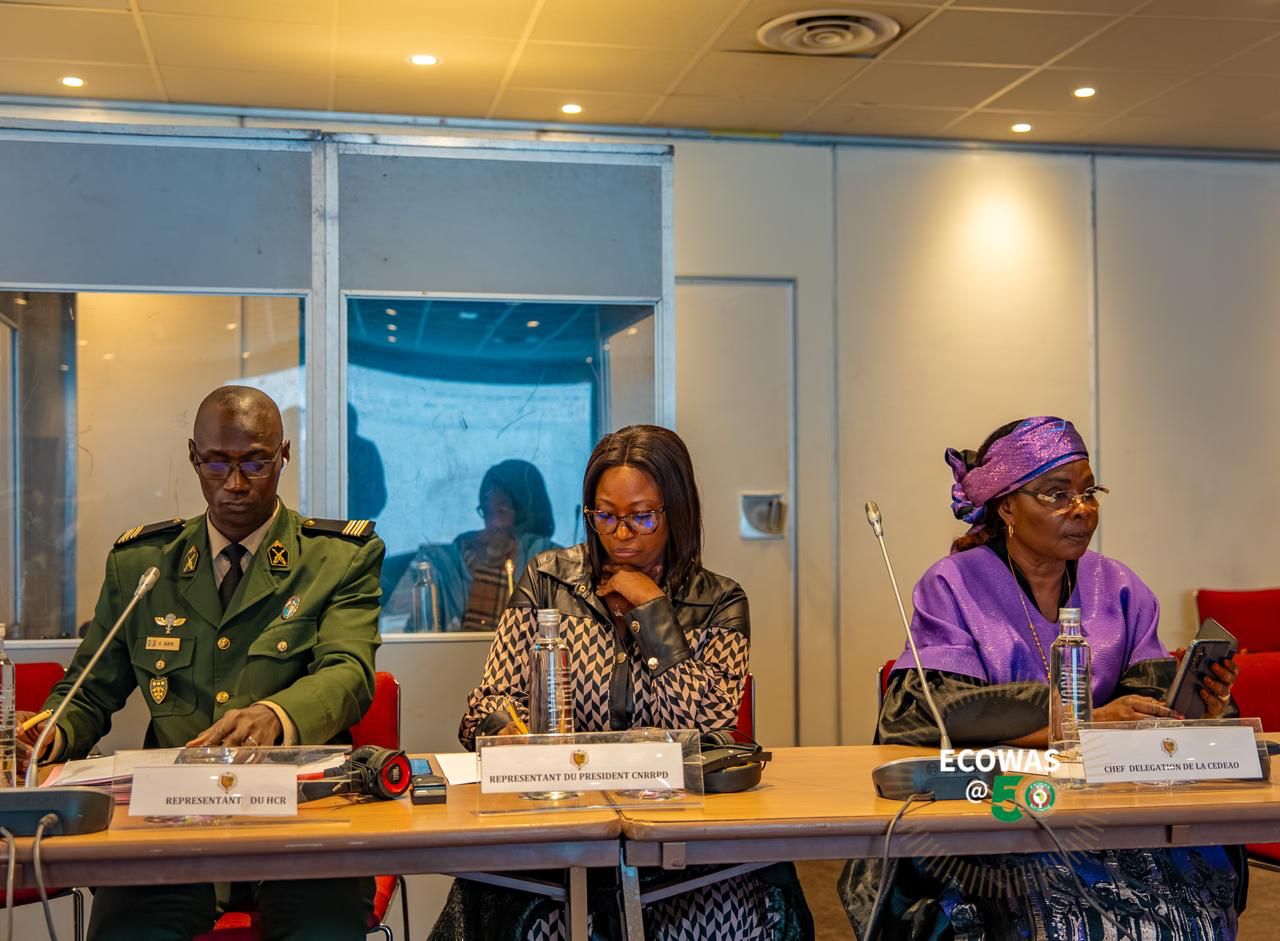
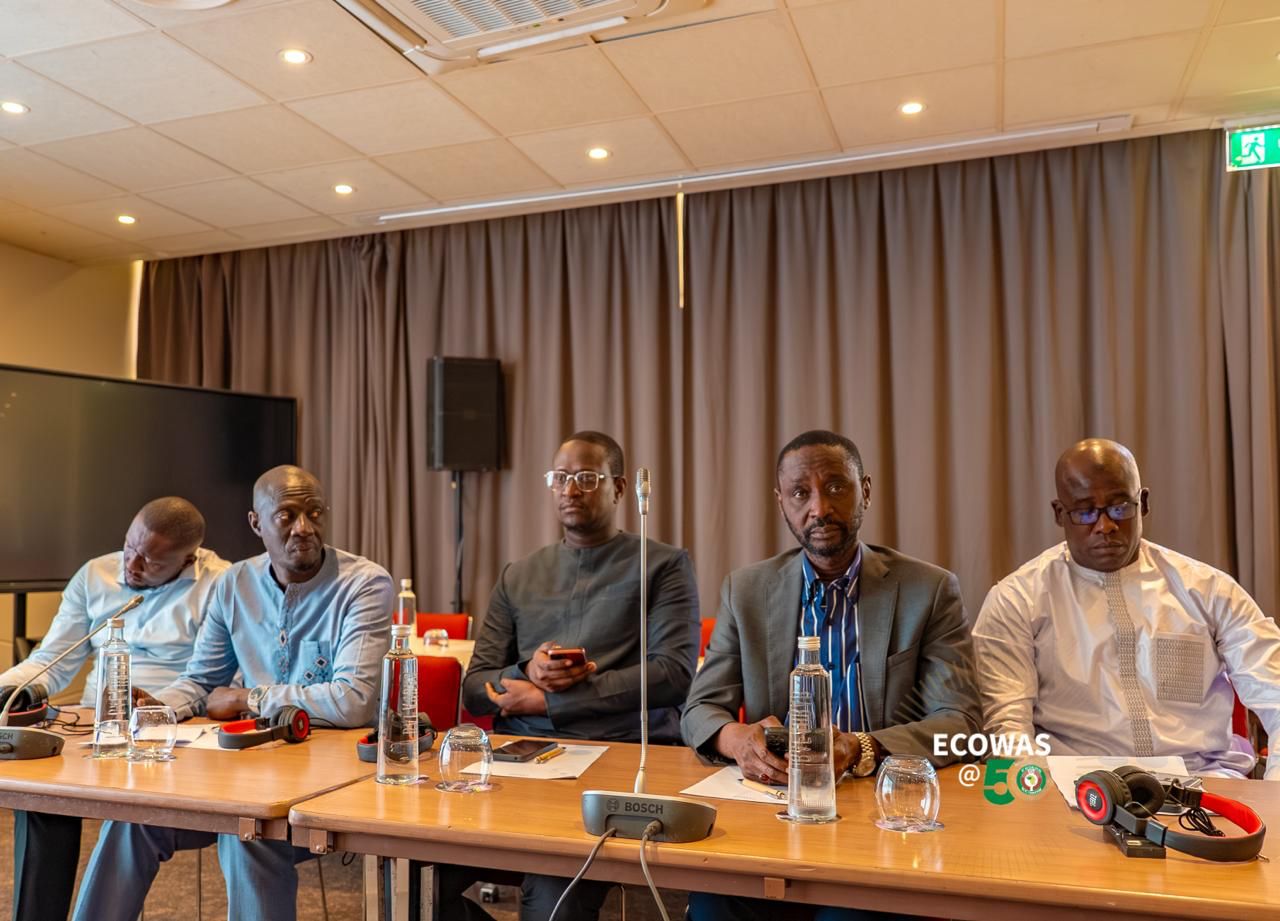
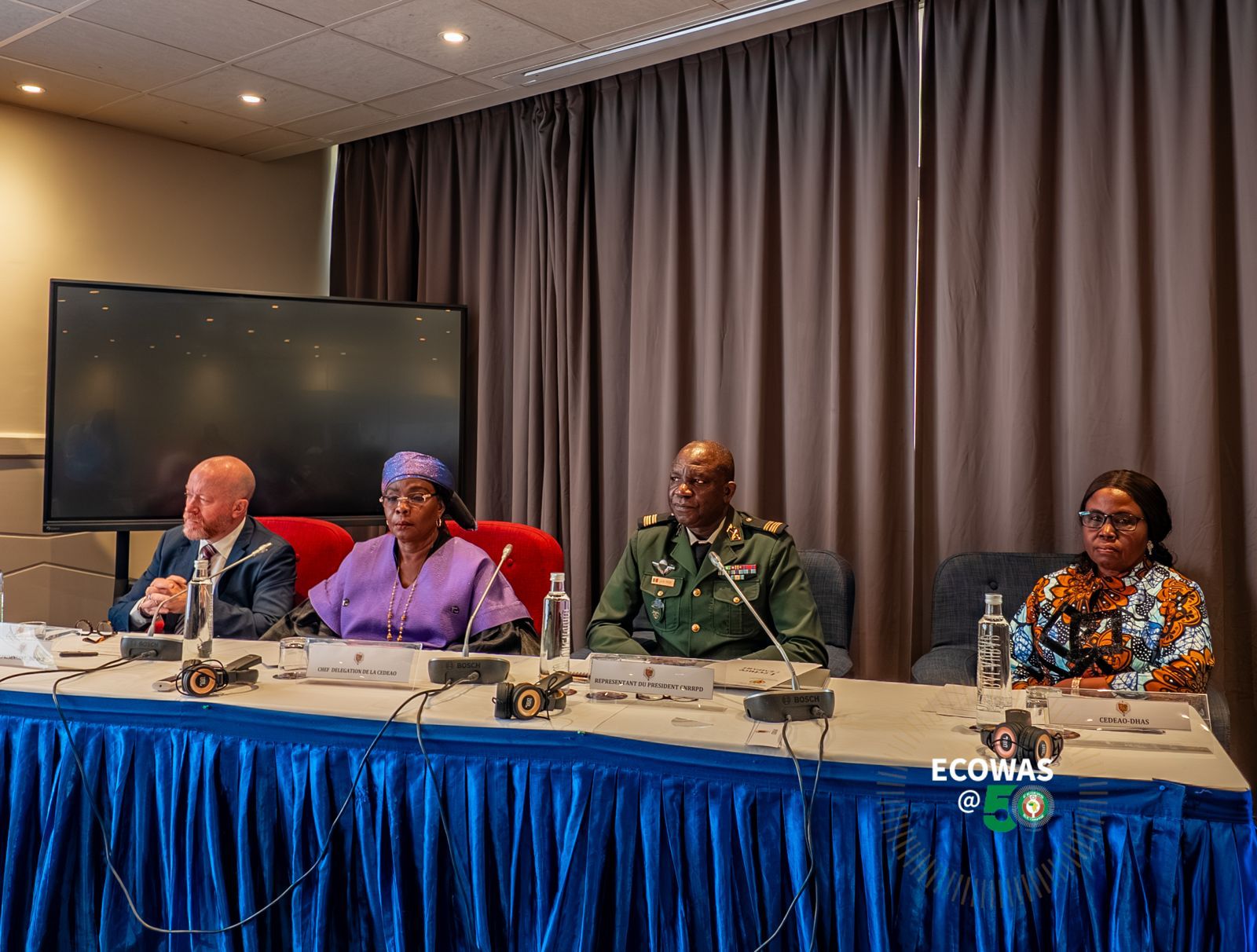
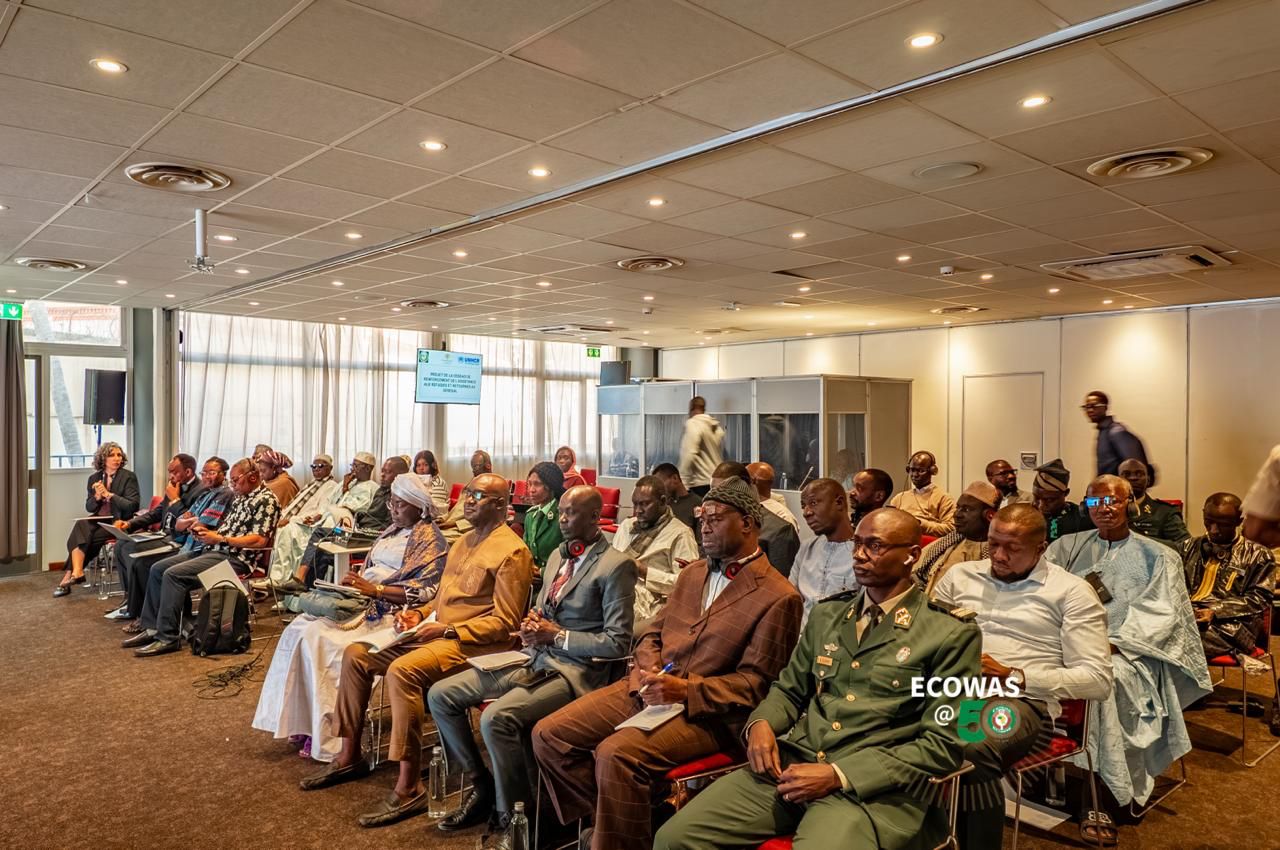
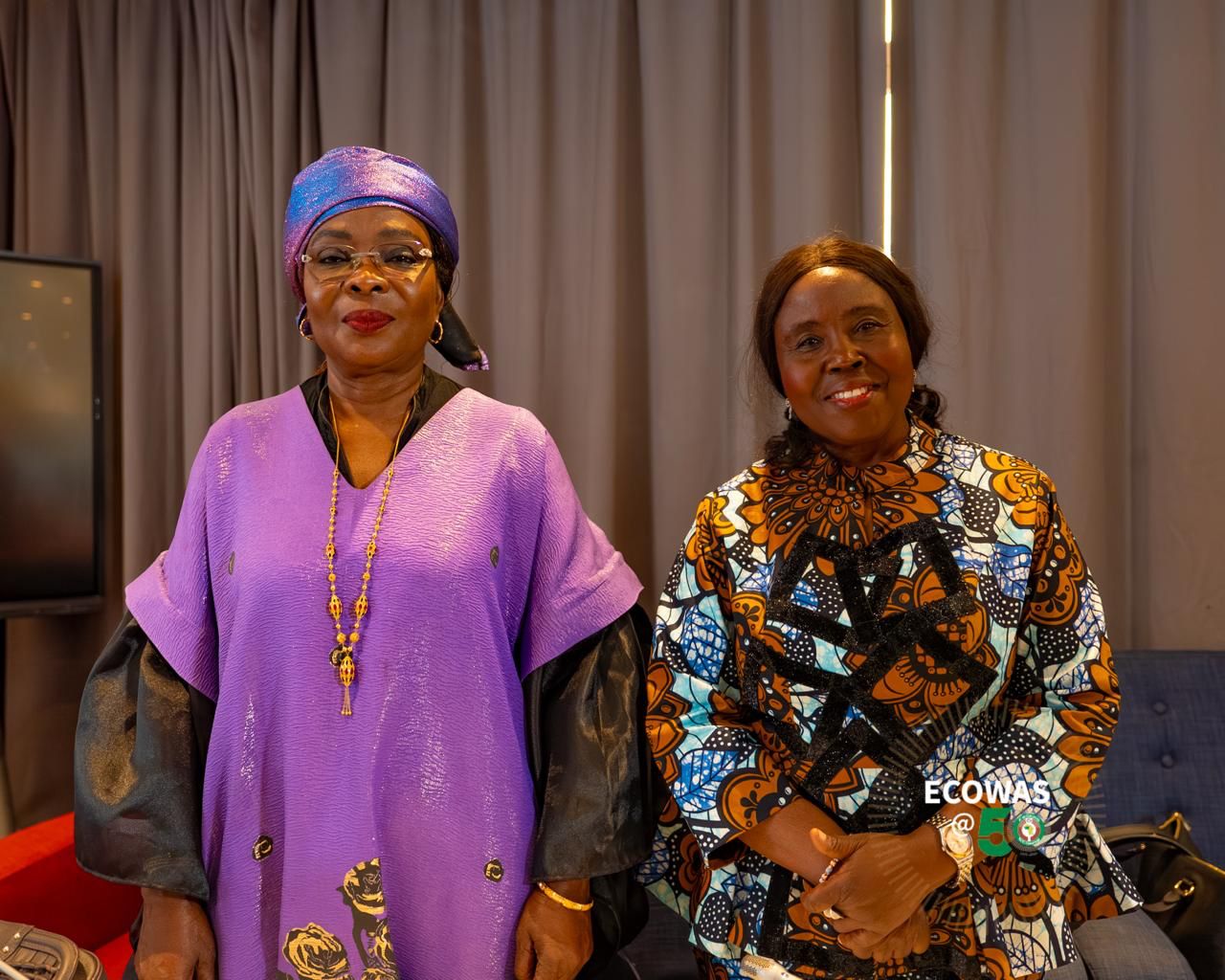
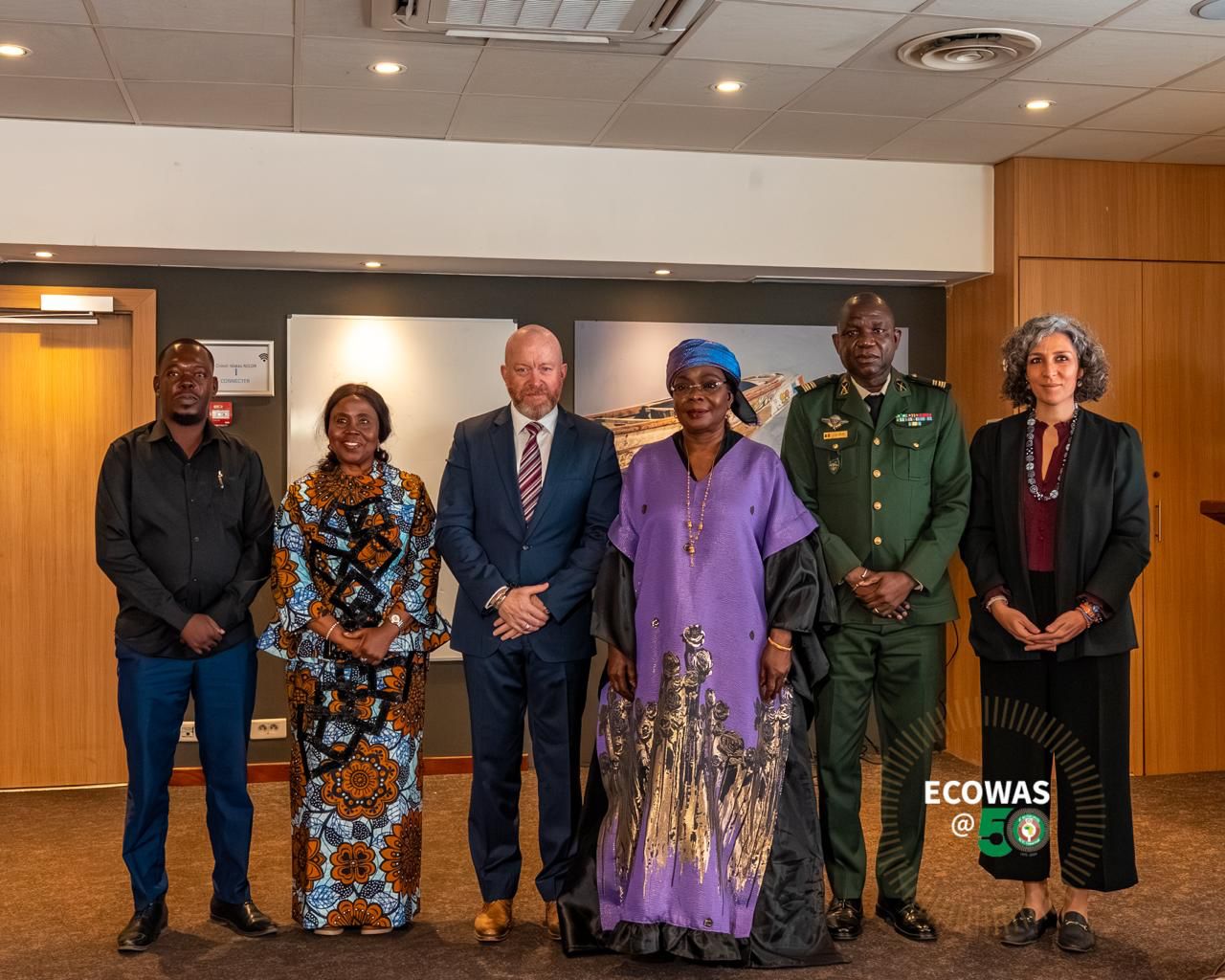
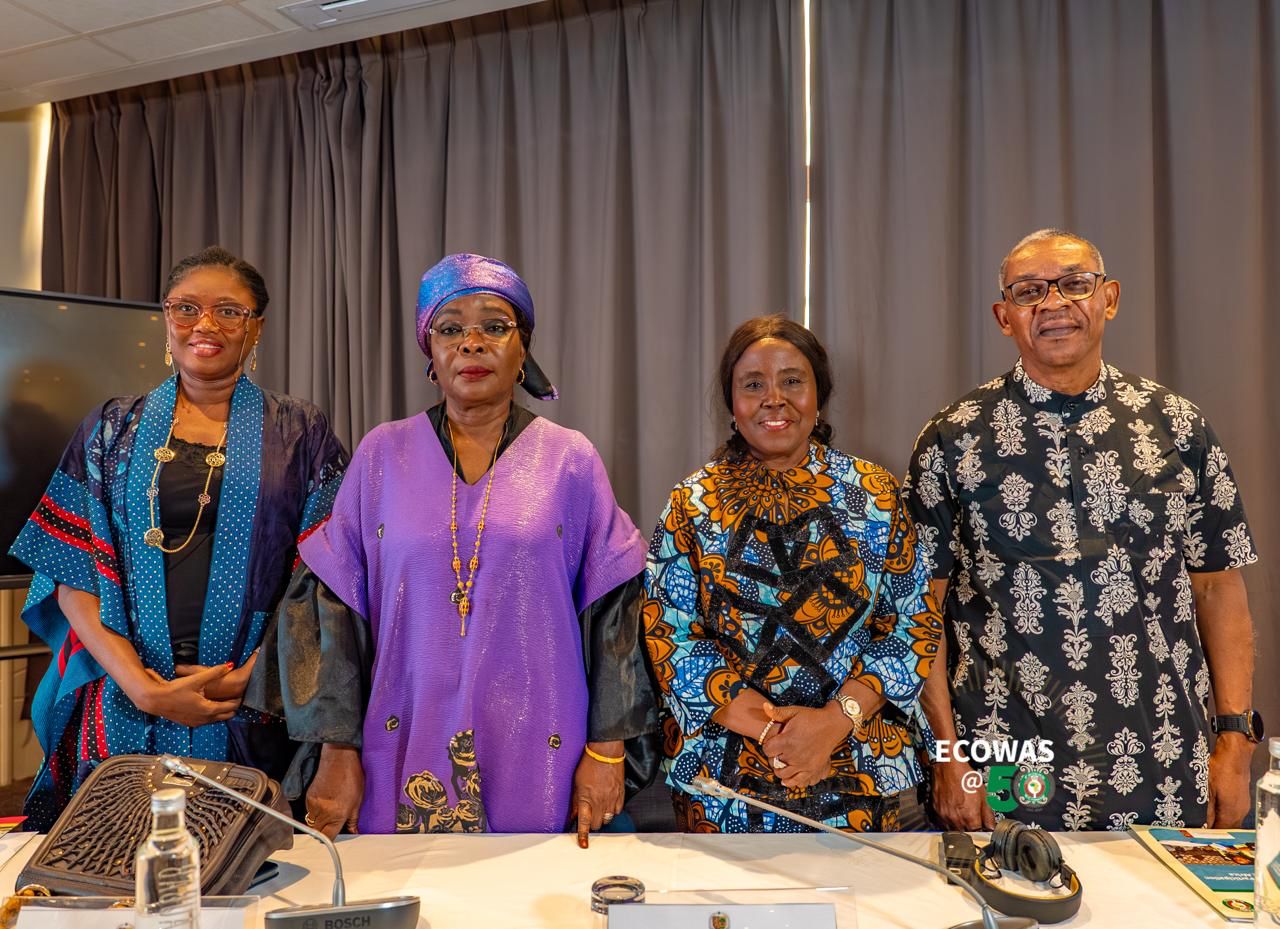
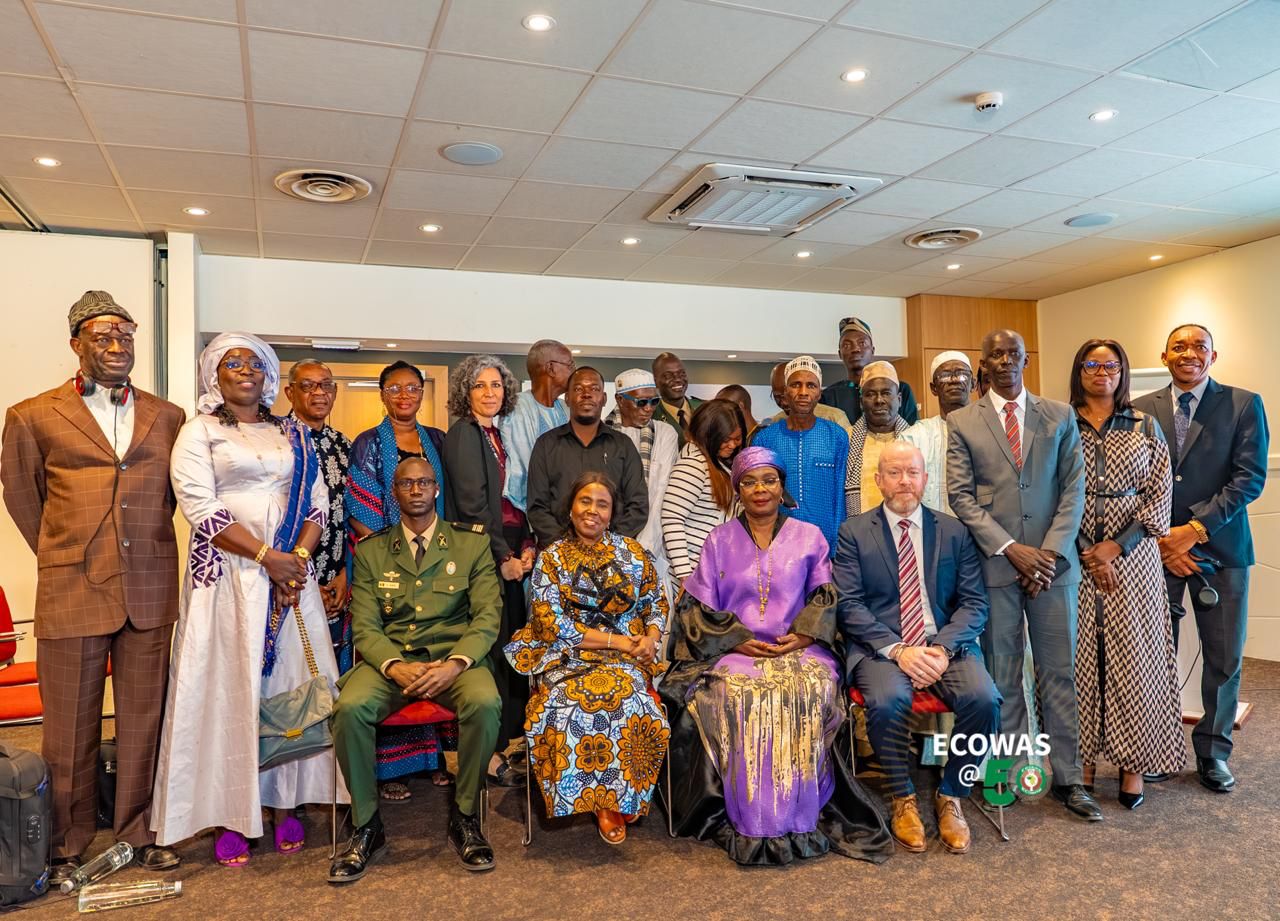
The launch ceremony took place in Dakar – Senegal, on the 29 January 2026, brought together senior Government of Senegal officials, representatives of the United Nations High Commissioner for Refugees (UNHCR), ECOWAS officials, development partners, and members of displaced communities from Casamance, alongside Mauritanian refugees living in the Senegal River Valley.
With a budget of CFA 313,083,755 and an implementation period of nine months, the project will be implemented with technical support from UNHCR’s Multi-Country Office in Dakar, in partnership with Green Village Foundation Senegal. A dedicated steering committee and robust monitoring and evaluation mechanisms will ensure effective governance, reflecting a shared commitment by ECOWAS and its partners to solidarity, self-reliance, and long-term development across West Africa.
The initiative will deliver life-saving humanitarian assistance while promoting sustainable livelihoods for vulnerable populations. Against a backdrop of conflict, climate change, disasters, health emergencies, and economic pressures across the region, the programme seeks to ease pressure on host communities, promote peaceful coexistence, and strengthen national capacities for inclusive and durable solutions.
Speaking on behalf of the President of the ECOWAS Commission, H.E. Dr. Omar Alieu Touray, the Commissioner for Human Development and Social Affairs, Prof. Fatou Sow Sarr, highlighted the initiative’s role in complementing Senegal’s efforts to protect and assist displaced populations. She described Senegal as a symbol of hospitality and regional solidarity, noting that the programme goes beyond humanitarian relief to support peace, stability, and long-term development.
Representing refugees and asylum seekers, Mr. Lambert Koliti, President of the Association of Refugees in Senegal, emphasized the need for improved access to education, vocational training, healthcare, and social protection, while reaffirming refugees’ commitment to peace, social cohesion, and national development.
In his welcome address, Mr. Henri Serge Atsomautsy, Representative of UNHCR’s Multi-Country Office in Senegal, described the initiative as a symbol of hope for refugee and asylum-seeking communities. He noted that, through a multisectoral approach, the programme will expand access to education, livelihoods, healthcare, vocational training, and social assistance, enabling families to rebuild their lives with dignity and contribute to their host communities. He also commended Senegal’s leadership in refugee protection, citing its commitments under the 2023 Global Refugee Forum and the adoption of Law No. 21/2021, which modernizes the national asylum system and aligns it with regional and international standards, while responding to voluntary returns from The Gambia and Guinea-Bissau.
Speaking on behalf of Vice-Admiral Oumar Wade, Chief of Staff to the President and Chair of CNRRPD, Colonel Ahmadou Moussa N’Dri highlighted that the project seeks to sustainably improve the socio-economic conditions of refugees while supporting the resettlement of displaced populations from Casamance in their communities of origin. By promoting income-generating activities and expanding educational opportunities for young people, the initiative aims to deliver tangible and lasting benefits.
“Beyond financial support, this initiative represents a shared commitment to cooperation, responsibility, and long-term development—affirming that refugees and returnees are not merely beneficiaries of aid, but active contributors to economic and social progress,” he added.
The launch marks a renewed commitment by ECOWAS and its partners to protect the most vulnerable, promote self-reliance, and reinforce the shared values of solidarity and collective responsibility across West Africa.
Discover how ECOWAS is transforming communities, economies and the lives of West African citizens — one story at a time.