Initializing...
The Commissioner for Economic Affairs and Agriculture of the Economic Community of West African States (ECOWAS) Commission, Dr Kalilou Sylla, emphasised the crucial importance for the regional organisation of having reliable and up-to-date statistical data.
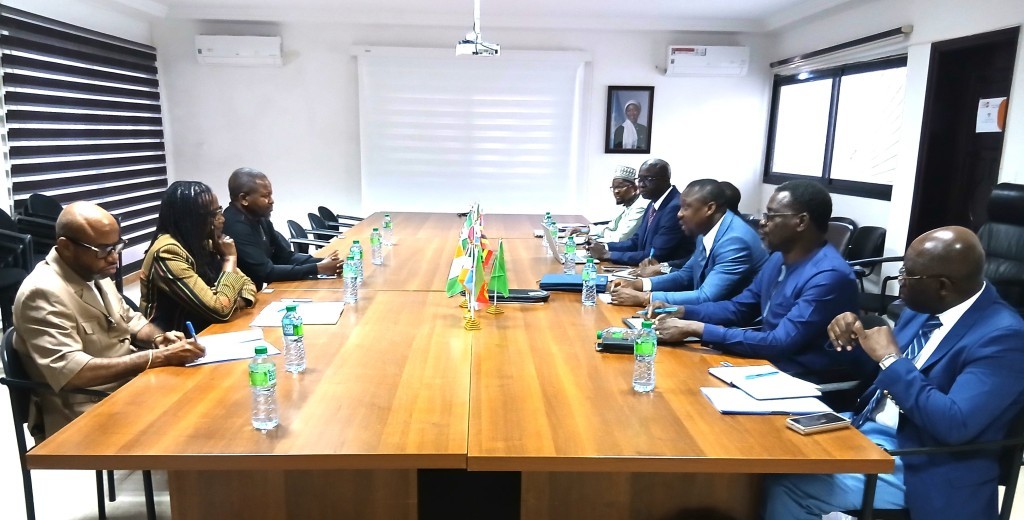
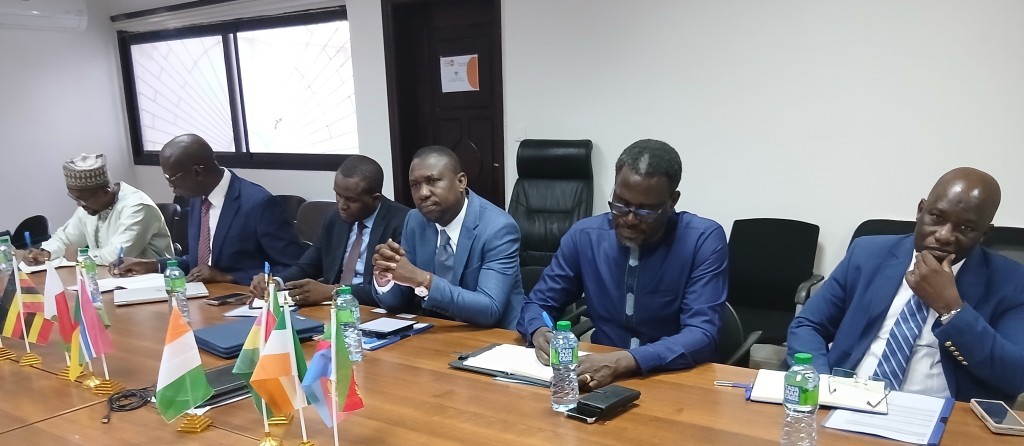
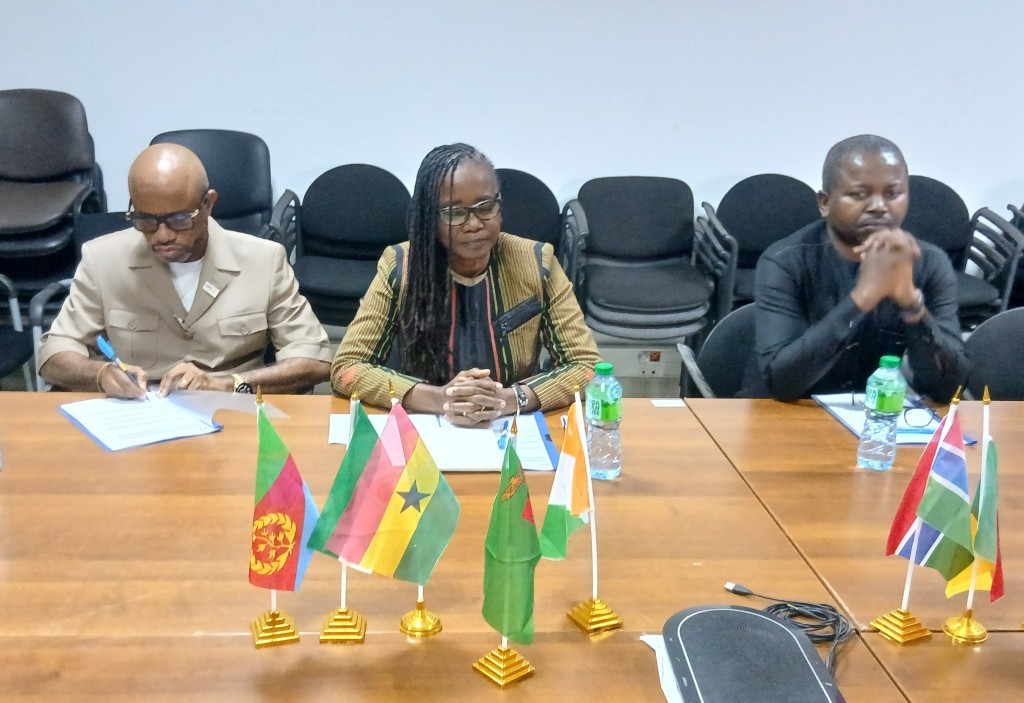
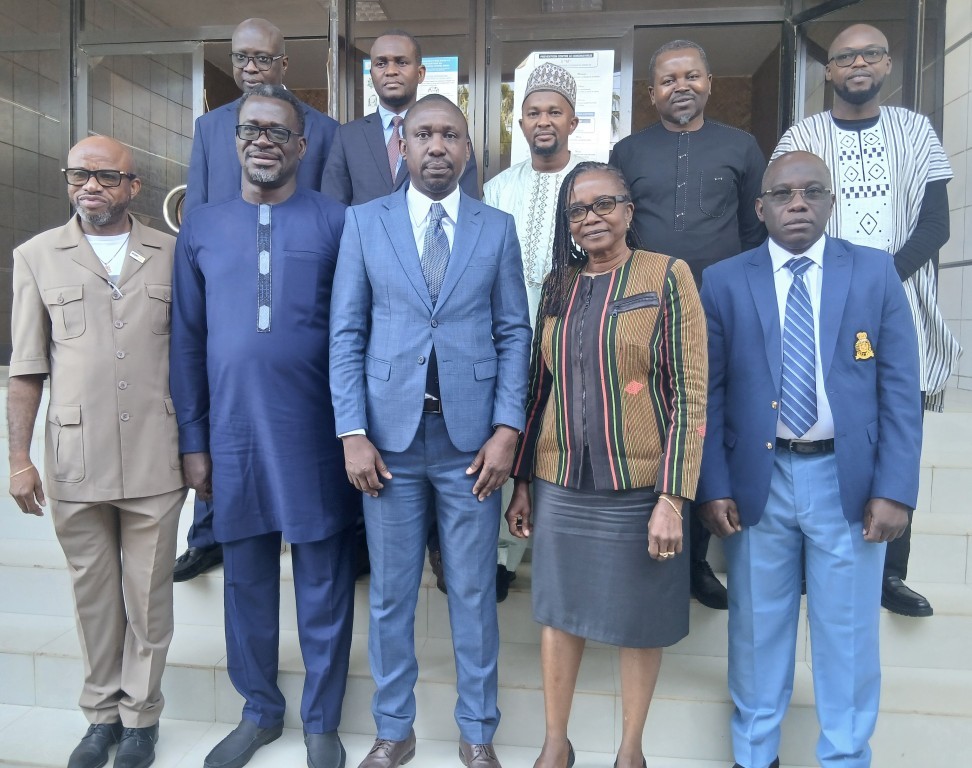
He made this statement during a working session on Monday, 19 January 2026, in Dakar, Senegal, with a delegation from the regional office of the United Nations Population Fund for West and Central Africa (UNFPA). This was an opportunity for him to advocate for strengthening the partnership with this UN agency in the production of demographic and civil status data for the West African region.
Dr Kalilou Sylla emphasised the importance of political commitment in supporting the National Statistical Institutes (NSIs) of ECOWAS member states in the production and promotion of statistical data in general and demographic data in particular, pointing out that without political commitment, nothing can be achieved.
He also stressed the importance of digitising these data and publishing them in more accessible formats on the ECOWAS and NSI websites, social media and other communication channels, in order to ensure their dissemination and uptake by a wide audience.
The digitisation of demographic data is also the leitmotif of the director of the Sahel Women’s Empowerment and Demographic Dividend Project (SWEDD+), Ms Edwige Adékambi Domingo, representing the UNFPA Regional Director for West and Central Africa, Sennen Hounton, who is currently on mission.
After reiterating the importance of population censuses in a country’s development, Ms Adékambi emphasised the importance of using the results. ‘It is good to conduct a population census, even a digital one, but if the data is not analysed and used, it is useless,’ she said.
In support of Ms Adékambi’s remarks, the Acting Director of Research and Statistics at the ECOWAS Commission, Prof. Félix Fofana N’Zué, urged West Africa to obtain high-quality statistical data tailored to its realities, which could contribute to its economic and social development.
He welcomed the collaboration with UNFPA, which he believes is the institution best placed to help the ECOWAS Commission obtain such data, which could provide adequate responses to issues related to employment opportunities in the common community area, migration and the brain drain of West Africans.
This working session also enabled members of the ECOWAS Commission and UNFPA delegations to review the progress of the Project for the Harmonisation and Improvement of Statistics in West and Central Africa (PHASAOC), review the results achieved, identify remaining challenges and strengthen strategic coordination between stakeholders at national and regional levels.
It also provided an opportunity for them to reaffirm their joint commitment to supporting ECOWAS Member States in the effective implementation of PHASAOC, in line with regional priorities.
This is the first in a series of meetings that the ECOWAS Commission delegation will hold in Dakar with the technical and financial partners of this project.
In addition to UNFPA, the delegation will also meet with representatives of the International Monetary Fund (IMF), the Food and Agriculture Organisation of the United Nations (FAO) and the African Development Bank (AfDB) in Senegal.
It will also meet with officials from the National Agency for Statistics and Demography (ANSD) and the Senegalese Ministry of Economy, Planning and Cooperation.
It should be noted that PHASAOC, funded by the World Bank, aims to improve statistical performance, regional harmonisation, access to and use of data, and to strengthen the modernisation of the statistical system in participating countries.
The ECOWAS Commission has signed a collaboration agreement with the UNFPA Regional Office for West and Central Africa to strengthen the production of demographic data from censuses and civil registration systems within the ECOWAS region.
Discover how ECOWAS is transforming communities, economies and the lives of West African citizens — one story at a time.