Initializing...
The ECOWAS Commission, through its Directorate of Humanitarian and Social Affairs (DHSA), in close collaboration with several Commission directorates and agencies, the Kofi Annan International Peacekeeping Training Centre (KAIPTC), the Geneva Centre for Security Policy (GCSP) and the EPSG project supporting the European Union’s peace, se-curity and governance efforts in ECOWAS, funded by the European Union, sponsored by Germany and jointly implemented by GIZ, Expertise France and the FIAP Foundation, successfully organised a five-day regional capacity-building programme aimed at im-proving strategic leadership, coordination and implementation of the Women, Peace and Security (WPS) Agenda in ECOWAS Member States.
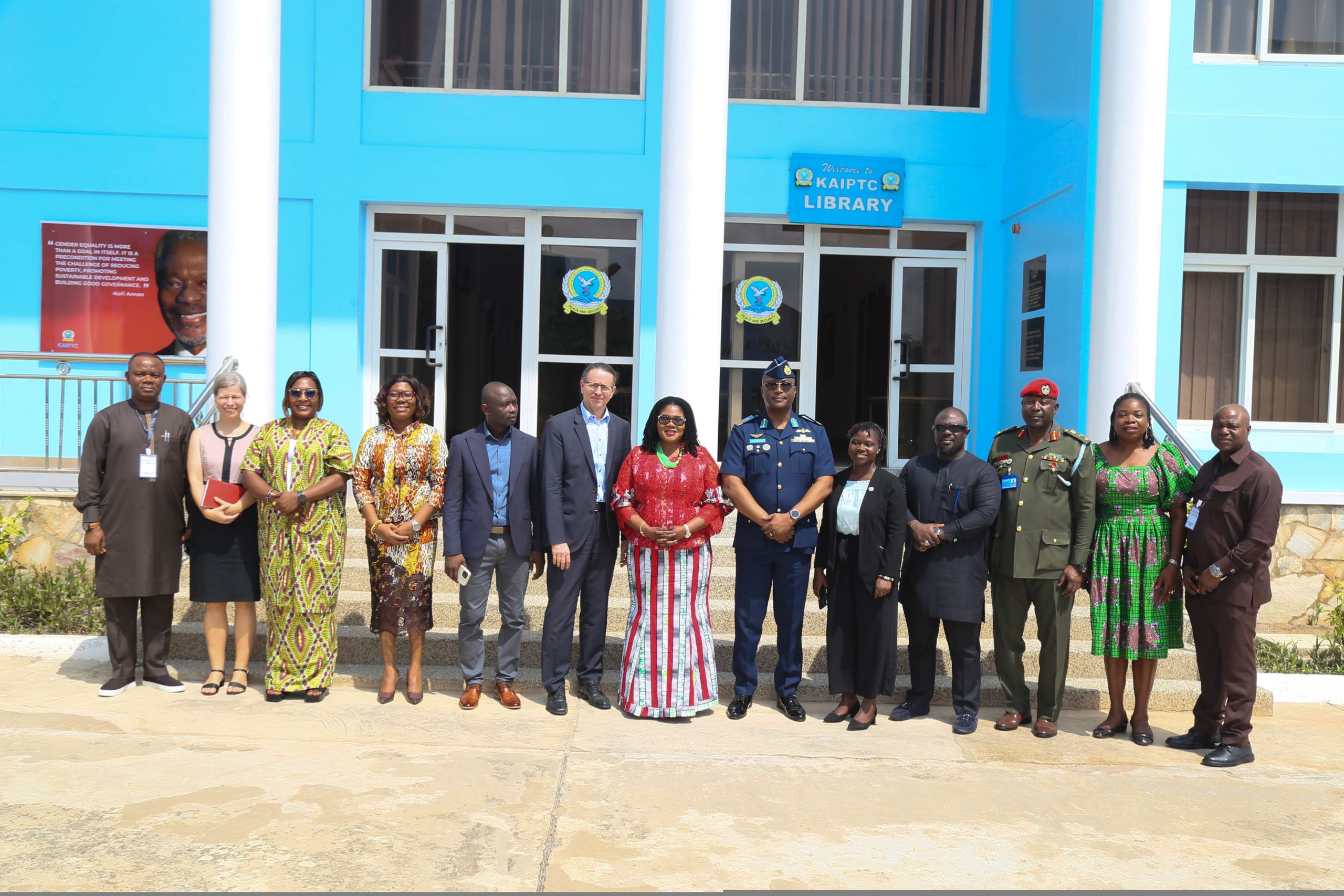
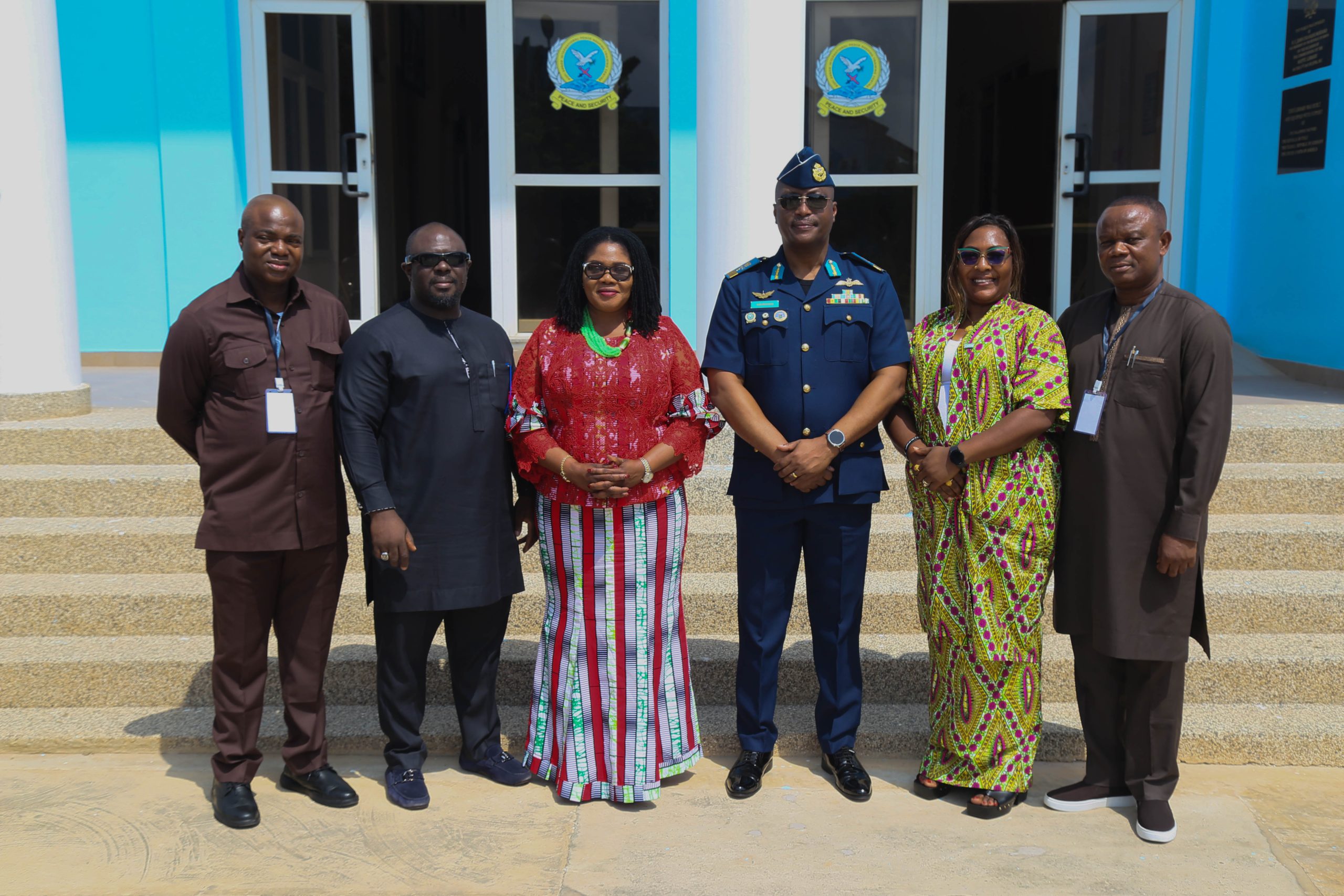
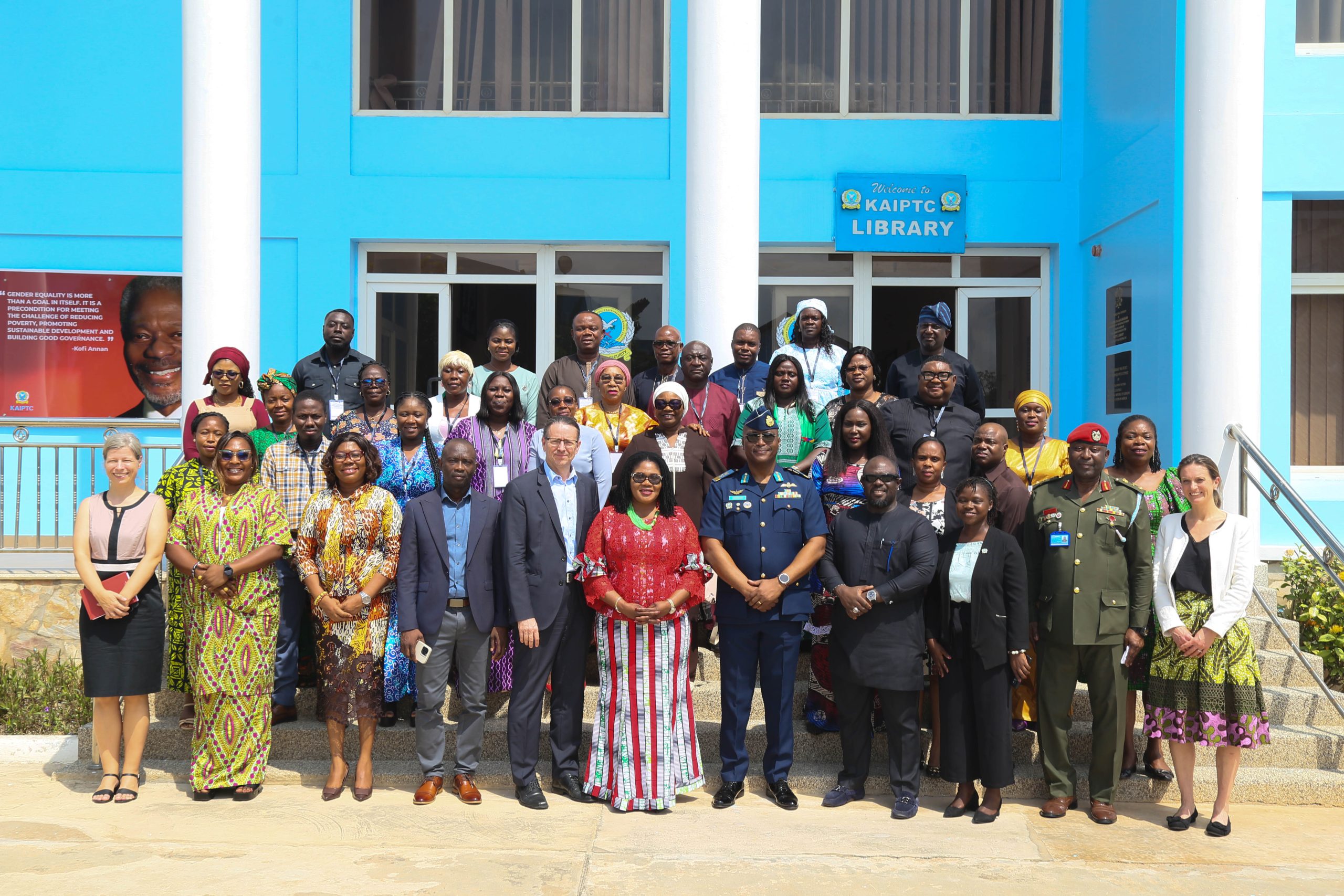
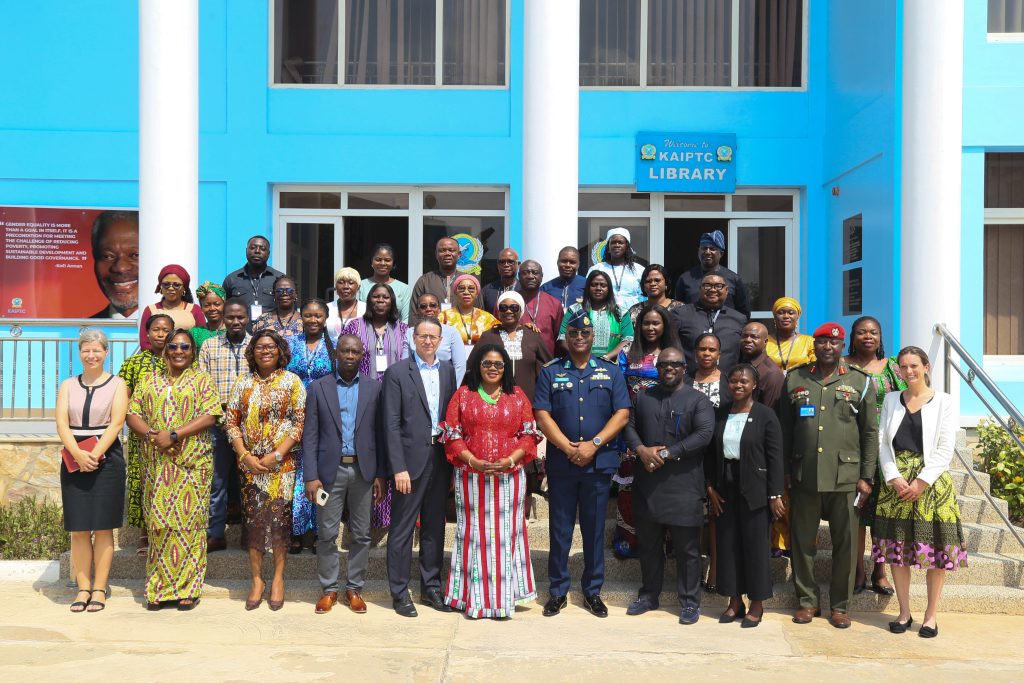
The workshop, held at KAIPTC in Accra from the 17th to 21st November 2025, brought together members of the ECOWAS Regional Steering Group on WPS, including national focal points, re-gional women’s networks, civil society organisations and ECOWAS Centres of Excellence for Training. The objective was to consolidate national implementation systems in line with the ECOWAS Regional Plan for the FPS Agenda and the Continental Results Framework that guides monitoring and evaluation at the African level.
In his opening address, KAIPTC Acting Commandant Air Commodore David Anetey Akrong em-phasised the importance of this training, which responds in a timely manner to the persistent coordination challenges that continue to hamper the effective implementation of the FPS Agenda. He recalled that, twenty-five years after the adoption of United Nations Security Coun-cil Resolution 1325, significant gaps remain, particularly in terms of leadership, collaboration and the meaningful participation of women in peace and security processes. He also reaffirmed the Centre’s commitment to strengthening WPS systems through research, policy dialogue and ongoing capacity development, while welcoming the strong partnership with the GCSP and GIZ.
On behalf of the ECOWAS Director of Humanitarian and Social Affairs, Dr Sintiki Tarfa Ugbe, Mr Olatunde Olayemi, Programme Officer, reaffirmed the Commission’s continued commitment to the FPS Agenda. He recalled that ECOWAS continues to play a leading role at the regional level, notably through the development of National Action Plans, the simplification of the African Union’s Continental Results Framework, and continued support for capacity-building efforts. He stressed that the multisectoral nature of the FPS Agenda requires strong national leadership and effective coordination mechanisms.
The GIZ Country Director in Ghana, Dr Dirk Aßmann, reiterated that lasting peace is impossible without the full participation of women at all levels of decision-making. He confirmed GIZ’s continued support for ECOWAS through the EPSG project, particularly in consolidating the re-gional FPS architecture. He emphasised the importance of the AU’s Continental Results Framework and ECOWAS’ Regional Action Plan as key tools for strengthening accountability and informing decision-making.
Representing the President of Sierra Leone and current Chair of the ECOWAS Authority of Heads of State, Mr Ibrahim Kamara, Director of Policy, Research and Strategic Planning at the Ministry of Gender and Child Protection, reaffirmed his country’s unwavering commitment to promoting the FPS Agenda. He commended the progress made by Member States, particularly in the legislative, policy and institutional areas of participation, protection, prevention and re-covery. He reiterated that promoting the WPS Agenda is an obligation and not a choice, adding that economic integration and regional stability cannot flourish without the security, inclusion and empowerment of women.
Ghana’s Minister for Gender, Children and Social Welfare, Dr Agnes Naa Momo Lartey, high-lighted Ghana’s leadership, citing the adoption of National Action Plans, the enactment of the Affirmative Action Act and the appointment of gender focal points in security institutions. She reaffirmed Ghana’s commitment to strengthening gender-responsive institutions, while calling on Member States to amplify women’s voices, consolidate collaboration and respond to emerg-ing security threats.
At the end of the training, participants strengthened their strategic leadership and coordination capacities through simulations, strategic communication exercises, stakeholder analysis and peer learning sessions. They improved their understanding of regional and continental frame-works, strengthened their capacity to manage multisectoral WPS processes, and developed tailored national coordination plans, which were reviewed by their peers during the workshop. The training also helped to develop regional networks, clarify the roles of different actors, and provide practical tools for more coherent, inclusive, and results-oriented implementation in member states.
The success of this five-day workshop represents a major step forward in strengthening the Women, Peace and Security architecture in West Africa. ECOWAS, together with KAIPTC, GCSP and the EPSG project, has reaffirmed its commitment to building a more coordinated, inclusive and accountable WPS ecosystem capable of translating political commitments into concrete results. As participants return to their countries with enhanced skills and operational action plans, the Commission and its partners remain fully committed to supporting their efforts to-wards gender equality, sustainable peace and human security in the region.
Discover how ECOWAS is transforming communities, economies and the lives of West African citizens — one story at a time.