Initializing...
A regional workshop to consolidate common positions and strengthen unity within the region
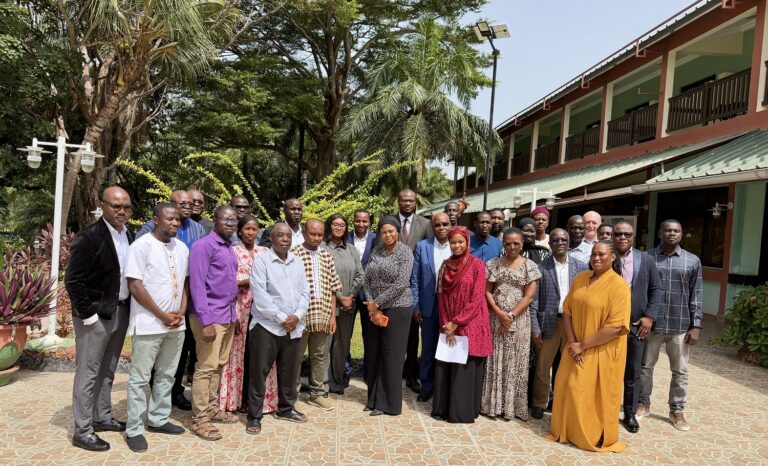
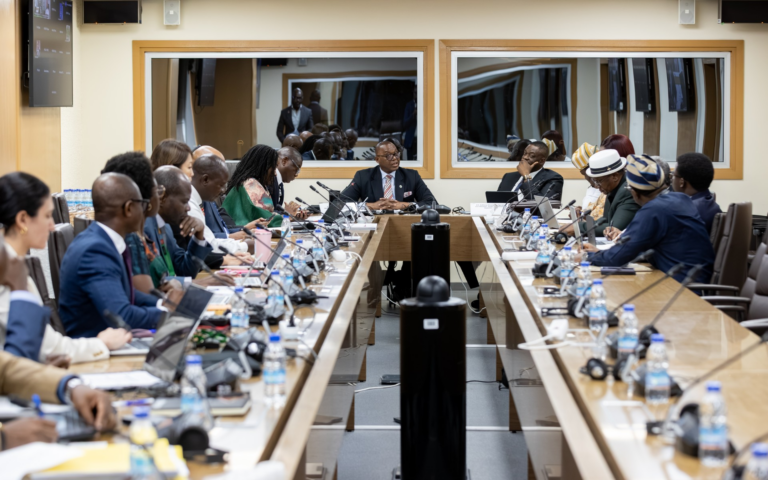
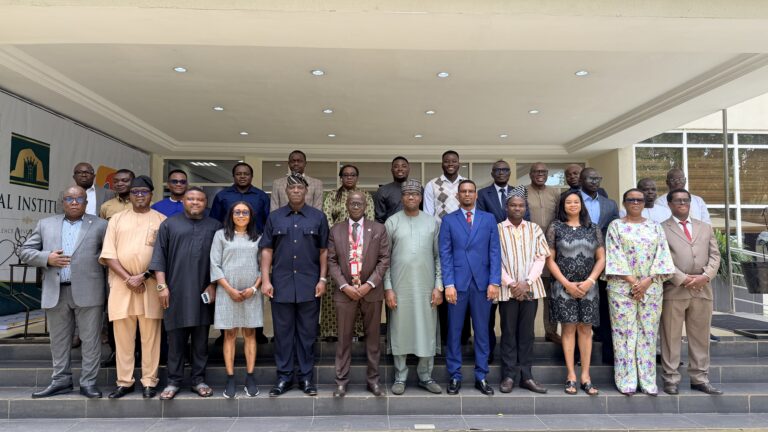
In the run-up to the 27th Conference of the Parties (COP27) of the United Nations Framework Convention on Climate Change (UNFCCC), West African regional institutions met with their Member States’ negotiators in Lomé from September 27 to 29 2022 to preparing international climate negotiations.
Facilitated by the ECOWAS Regional Support Group for International Climate Negotiations (RAG-CLIN), the workshop discussions were able to reinforce several common positions of the negotiators of the region Member States, in line with the ECOWAS regional Climate strategy. Negotiators also agreed on an organization to be put in place to best represent the region’s interests within the various priority thematic negotiation groups.
West Africa’s Priority Expectations
West Africa will assess the performance (success or failure) of the annual climate negotiations to be held in Sharm el Sheikh in November at COP27 based on the progress of its priority concerns.
A West African Pavilion: from November 6 to 18 in Sharm el Sheikh
To symbolize this regional collaboration, a West African pavilion will be set up this year at COP27, the African COP. Co-piloted by the ECOWAS Commission and BOAD, in partnership with UEMOA and CILSS, this pavilion will be equipped with a conference hall facility and will serve as a platform for promoting the climate action of regional institutions, as well as that of their Member States, thus strengthening the voice of West Africa on the international climate scene.
More than a symbol, the pavilion expresses the willingness of regional institutions to strengthen their cooperation around the common challenge of climate change. The approach aims to improve the coordination and effectiveness of the collective response for the benefit of the region’s populations.
The key word of this cooperation is complementarity between the respective regional mandates and the national action of the Member States. It is the coordinated intervention of the various layers of the regional institutions that are specific to them (financing, capacity building, policy and regulatory framework, scientific resources) that will allow efficient and effective support to Member States in the implementation of their Nationally Determined Contributions (NDCs) as part of the Paris Climate Agreement. This cooperation responds to a principle of regional solidarity and embodies the saying that “Alone we go faster, together we go further”.
Discover how ECOWAS is transforming communities, economies and the lives of West African citizens — one story at a time.