Initializing...
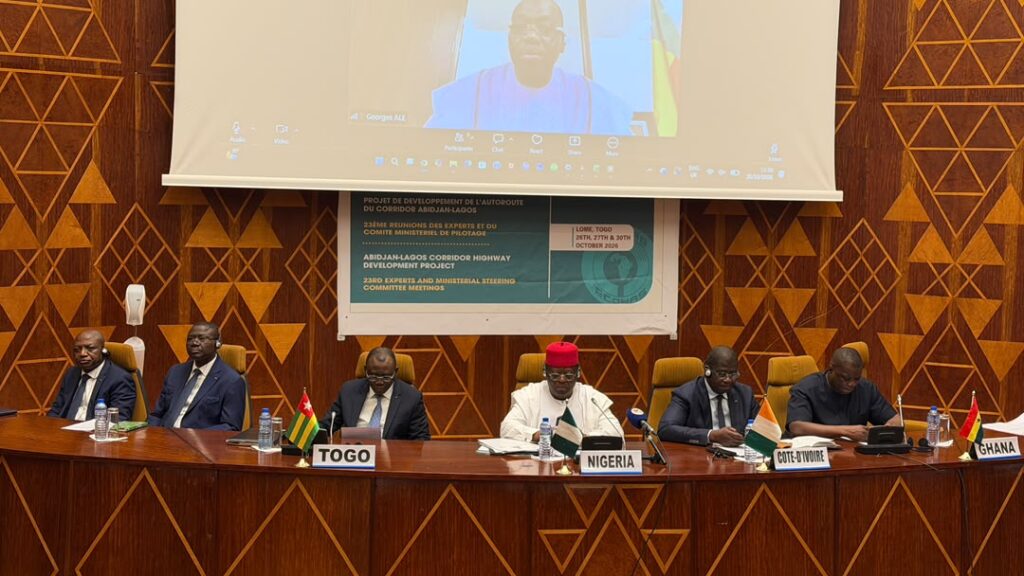
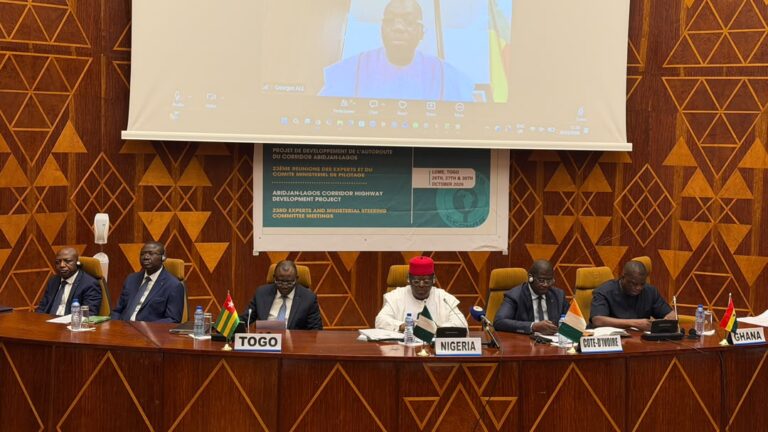
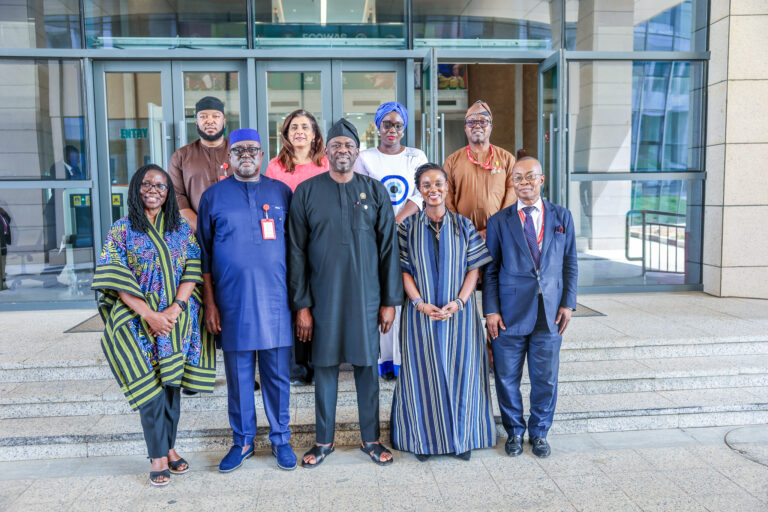
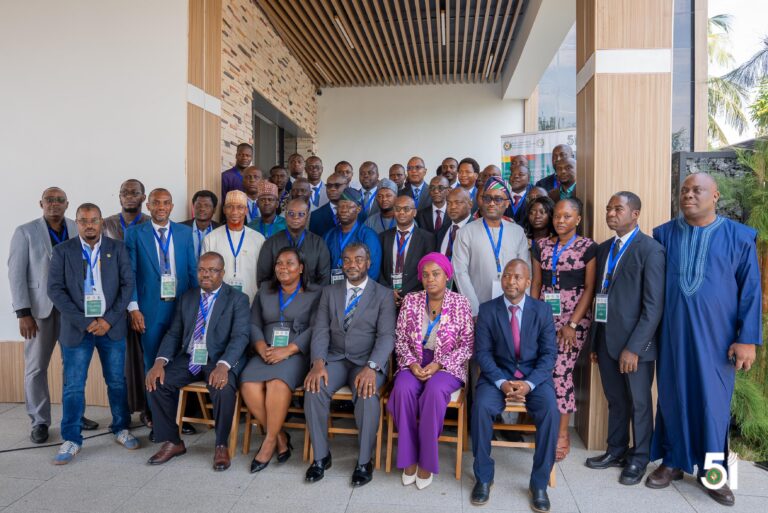
The Ministerial Steering Committee of the Abidjan–Lagos Corridor Highway Development Project convened its Project Statutory meeting in Lome, Togo on the 30 October 2026, bringing together Ministers, Engineers, Senior officials and Development Partners from Côte d’Ivoire, Ghana, Togo, Benin, and Nigeria to take decisive steps on the phasing of construction, Right of Way acquisition, and mobilisation of financing for one of West Africa’s most transformative infrastructure initiative.
Addressing the meeting, the Chairman of the Steering Committee, the Minister of Public Works, Federal Republic of Nigeria, Engr. David Nweze Umahi, emphasised the need to harmonize the collective efforts of the Five Member States to drive the next phase of the project. Equally, Ministers of the Republic of Ghana, Togo, Cote d‘ Iviore and Benin expressed the economic transformation the corridor will bring to the region and renewed the commitment to ensure the project advances to the construction phase, while urging ALCoMA, ECOWAS, AfDB, Country Engineers and stakeholders to prioritize support Member States raise the needed resources to cover Right of Way acquisition, Debt and Equity contributions for the Construction.
The Commissioner for Infrastructure Energy and Digitalization at the ECOWAS Commission, Engr. Amin Amidu Sulemani, urged Ministers to lead efforts towards the construction phase, since the study phase has taken too long and citizens of West Africa couldn’t wait any longer to consume the numerous benefits of the new highway and its complementary economic activities. He indicated that as we move towards the construction phase, financing remains a critical priority, and ECOWAS, AfDB, EBID and partners are exploring innovative mechanisms to develop the whole corridors .
The Ministerial Committee welcomed recent developments within the Abidjan–Lagos Corridor Management Authority (ALCoMA), the supranational body mandated to oversee the design, construction, and operation of the corridor. Earlier this year, ALCoMA’s Board appointed Wilfried Lauriano do Rego of Benin as its first Chairperson, in line with the alphabetical rotation mechanism established under the Intergovernmental Agreement. The Board also created interim committees on Human Resources and Remuneration and Finance to accelerate operational readiness during the start‑up phase, as well as undertake the recruitment of the Chief Executive Officer, Directors and other staff of ALCoMA. The Ministers noted that the AfDB has provided the start-up operational funds for ALCoMA, while the EU and other partners have expressed the interest to contribute as well.
The Ministers also noted the outcomes of the joint African Development Bank Group–ECOWAS–EBID Identification mission held earlier this year to secure Country endorsements for the financing phase of the corridor. The mission engaged ministers responsible for infrastructure, finance, and public works across the five countries, underscoring the urgency of securing adequate capital for construction and land acquisition.
The African Development Bank Group, designated by the Steering Committee as Mandatory lead arranger for the project’s investment phase, assured Ministers that in addition to the over $25 million provided for the feasibility, design studies and technical assistance, the Bank is pursuing about $500 million in catalytic capital from the ADF‑17 Regional Operations envelope and other instruments, including climate & green resource to commence the construction of the first set of sections. Ministers landed financing partners who showed interest at the funds mobilization meeting held on 28th October, 2026, and urged all to come behind the AfDB and other Regional Development Bank’s to raise the needed Capital for the construction of the highway.
The Ministers underscored the strategic importance of the planned six‑lane, 1,028‑km supranational highway, and tasked ALCoMA and ECOWAS to ensure that Sea Ports and Capital Cities by-passed are well connected to ensure that the corridor serves as a key link to major economic hubs from Abidjan to Lagos and serve as a backbone for regional trade integration. The corridor is projected to become a major driver of economic and industrial development by 2030, with estimates suggesting significant increases in trade value and toll revenues across member states.
The Steering Committee endorsed the operationalization of ALCoMA, including the recruitment of its Chief Executive Officer, Legal and Corporate Secretary, and key directors as outlined in the Authority’s roadmap.
About the Abidjan–Lagos Corridor Project
The Abidjan–Lagos Corridor is one of Africa’s most ambitious infrastructure projects, designed to enhance mobility, reduce logistics costs, and strengthen economic integration across West Africa. Under the Corridor Treaty, the highway will be built and operated as a unified corridor under the coordinated management of ALCoMA.
Discover how ECOWAS is transforming communities, economies and the lives of West African citizens — one story at a time.