Initializing...
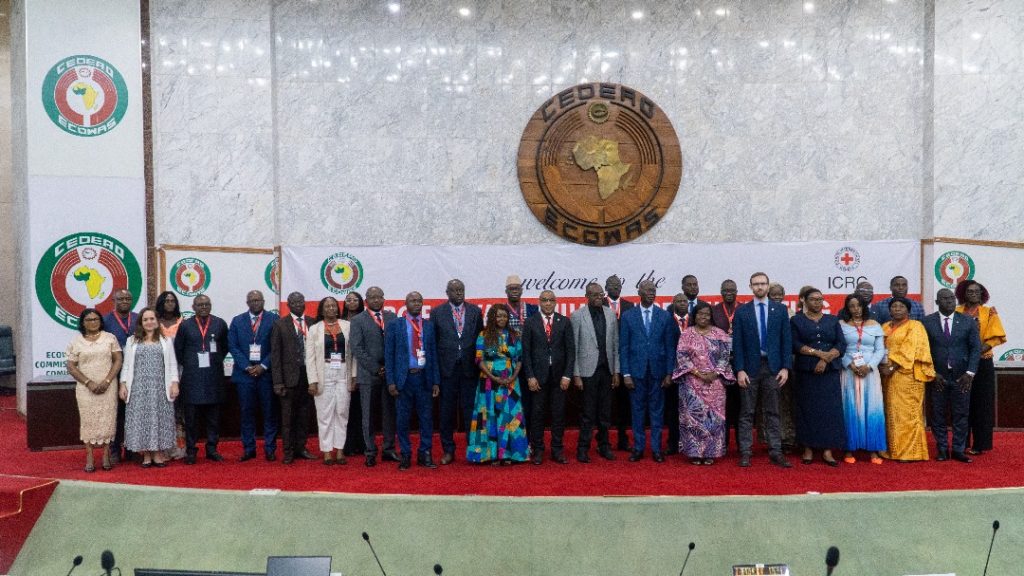
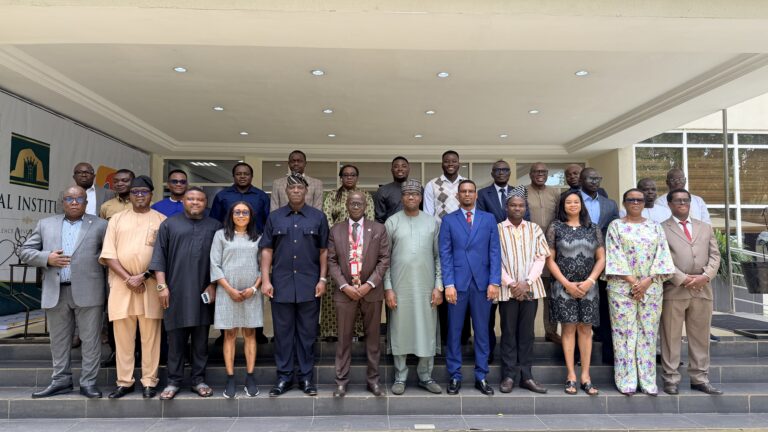
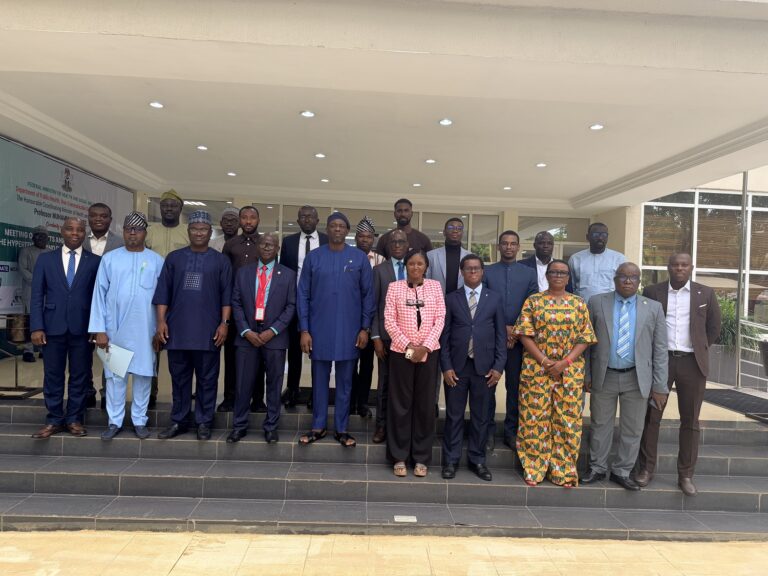
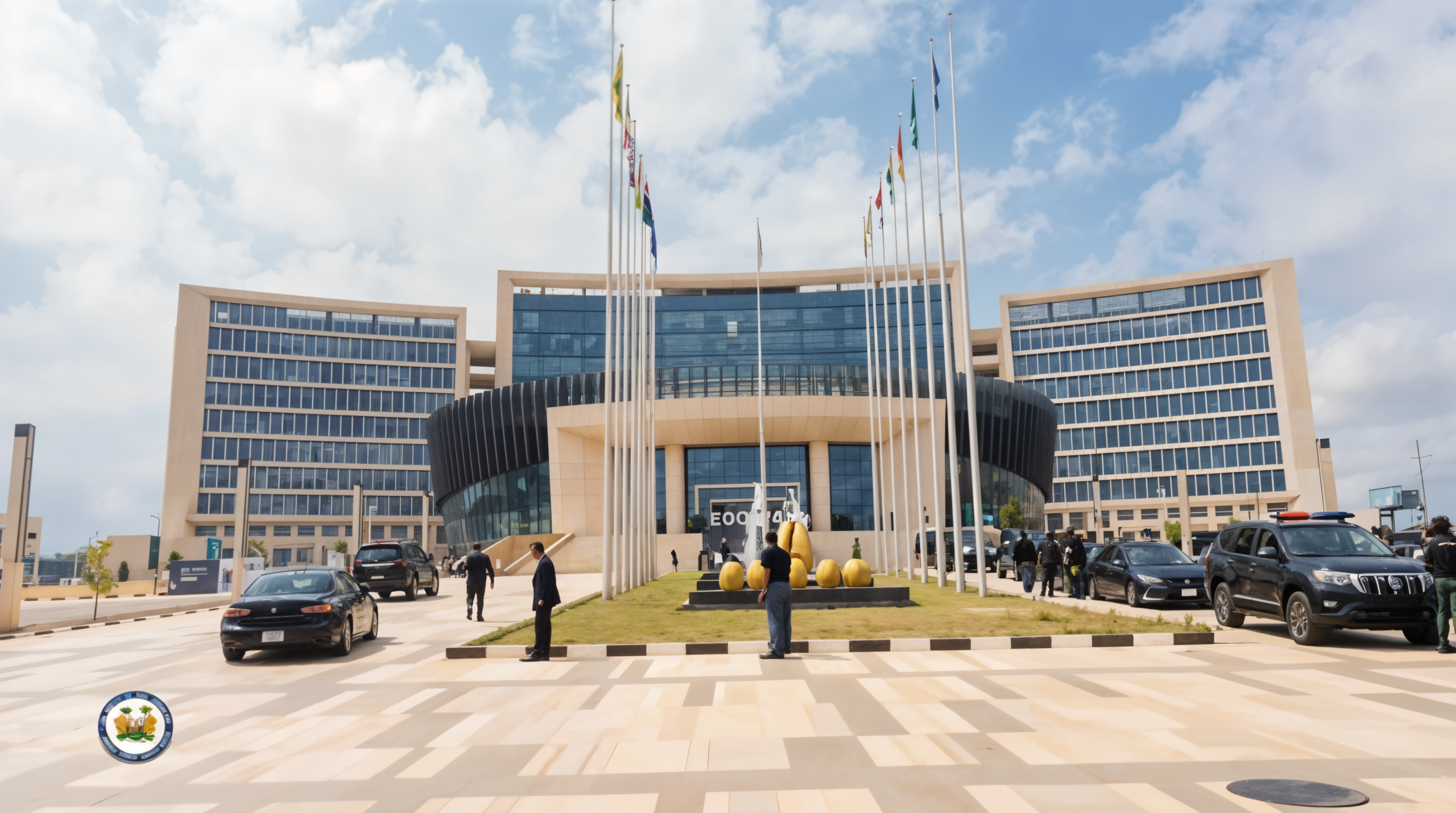
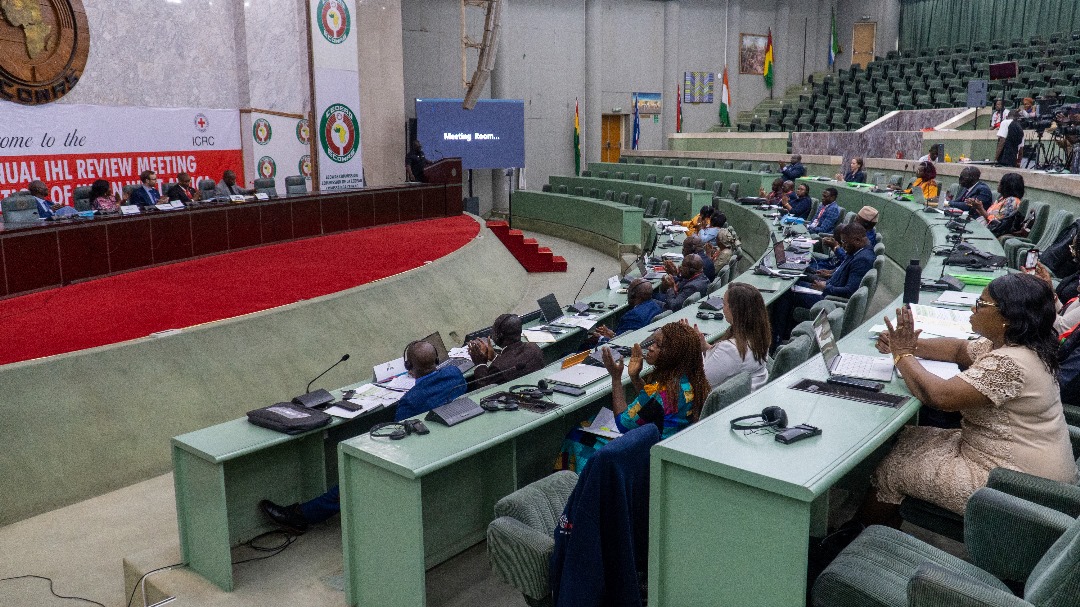
The Commission of the Economic Community of West African States (ECOWAS), in collaboration with the International Committee of the Red Cross (ICRC), convened the 21st Annual Review Meeting of the ECOWAS Regional Network of National IHL Committees (RNNI-IHL). The meeting took place from 23 to 26 September 2025 at the ECOWAS Commission Headquarters in Asokoro, Abuja, Federal Republic of Nigeria, under the theme: “Protection of Hospitals and Health Care in Armed Conflicts, Prevention, National IHL Committees and the Global IHL Initiative.”
In her remarks, Dr Sintiki T. Ugbe, Director of Humanitarian and Social Affairs at the Department of Human Development and Social Affairs, expressed the Commission’s satisfaction with the sustained commitment of Member States and the continued support of the ICRC in advancing the implementation of the ECOWAS IHL Action Plan, despite numerous challenges. She informed participants that the meeting would focus on the final phase of the ECOWAS IHL Action Plan (2019–2026) and on the follow-up to ECOWAS’ pledge at the 34th International Conference of the Red Cross and Red Crescent. She emphasised the crucial importance of the issues under discussion for achieving peace and security in the region and encouraged participants to use the platform to review progress, analyse challenges, share lessons learned, and chart the way forward towards a new action plan.
Mr James Matthews, Deputy Head of the ICRC Delegation to Nigeria and ECOWAS, underscored the importance of upholding IHL in the region and called for renewed commitment by Member States to advance the implementation of related treaties. He reaffirmed the ICRC’s determination to strengthen the protection of civilians during armed conflicts, stressing that this is not only an international obligation but also a shared moral responsibility with other stakeholders.
Representing the Attorney-General of the Federation and Minister of Justice of Nigeria, Mr Nnnena Ibom, Director of International and Comparative Law at the Federal Ministry of Justice, highlighted the need for stronger collaboration among ECOWAS Member States to promote the protection of civilians and ensure wider respect for IHL. He also outlined Nigeria’s progress in IHL implementation. In his intervention, Dr Ousmane Diallo, Director of Research and Documentation at the ECOWAS Court of Justice, emphasised the Court’s essential role in upholding key IHL and human rights standards, while commending the close cooperation between the ICRC and ECOWAS institutions.
The opening statement was delivered by H.E. Dr Julius F. Sandy, High Commissioner of the Republic of Sierra Leone to the Federal Republic of Nigeria. He commended ECOWAS and the ICRC for their long-standing and fruitful cooperation and urged all stakeholders to take full advantage of the meeting to identify persisting gaps in the ratification, domestication and implementation of IHL, and to rekindle the collective will to foster a culture of respect for IHL and human rights.
During the sessions, Member States presented national reports on the implementation of the ECOWAS IHL Action Plan and outlined priorities for 2026. Key themes addressed included the first series of consultations on the Global IHL Initiative and review of the interim report, the protection of hospitals and health care during armed conflicts, the preventive role of IHL, and measures to ensure the domestication and implementation of the Kampala Convention on Internally Displaced Persons.
Participants encouraged Member States yet to do so to join the Global IHL Initiative as a demonstration of political commitment and to make this a priority for 2026. They also recommended active participation in upcoming consultations on various work streams, especially those relating to prevention, the protection of hospitals and civilian infrastructure, and the establishment and strengthening of National IHL Committees (NIHLCs). Member States were further urged to allocate adequate resources to ensure the effective functioning of these committees.
Specific recommendations included the proper training of NIHLC members through academic, diplomatic, military and judicial programmes, with the support of ECOWAS and the ICRC. Existing committees were encouraged to maintain synergies with national commissions on small arms and light weapons and with other relevant structures on cross-cutting IHL issues. Participants stressed the need to strictly apply standards relating to the protection of health care at all times, during peace, armed conflict or situations of violence, in line with the ECOWAS IHL Action Plan.
The meeting further recommended the adoption of laws protecting the emblems of the Red Cross, Red Crescent and Red Crystal, including in digital spaces, consistent with the ECOWAS IHL Action Plan and in connection with the ratification of Additional Protocol III to the Geneva Conventions.
Closing the meeting, Dr Sintiki T. Ugbe, represented by Mr Olatunde Olayemi, Programme Officer for the Social Dimension of Trafficking in Persons, reaffirmed the Commission’s commitment to support Member States in implementing IHL and in enhancing the protection and human security of ECOWAS citizens and all persons living within the Community. Mr James Matthews of the ICRC commended ECOWAS and Member States for the quality of the discussions and recommendations and reiterated the ICRC’s continued support for their implementation.
In his closing remarks, Mr Mohamed Sorie Conteh, Director of Legal and Ecotechnical Affairs at the Ministry of Foreign Affairs and International Cooperation of Sierra Leone, thanked participants for their contributions and encouraged them to sustain efforts towards building a more resilient region respectful of IHL.
The meeting brought together IHL experts from ECOWAS Member States, officials from the ECOWAS Commission’s Directorate of Humanitarian and Social Affairs, and staff of the ICRC.
Discover how ECOWAS is transforming communities, economies and the lives of West African citizens — one story at a time.