ECOWAS
Initializing...
ECOWAS / CEDEAO
EN FR PT
ECOWAS commission drives regional action to transform the animal feed industry in west Africa and the Sahel

ECOWAS commission drives regional action to transform the animal feed industry in west Africa and the Sahel

ECOWAS commission drives regional action to transform the animal feed industry in west Africa and the Sahel
Nov 12, 2025 5 min read

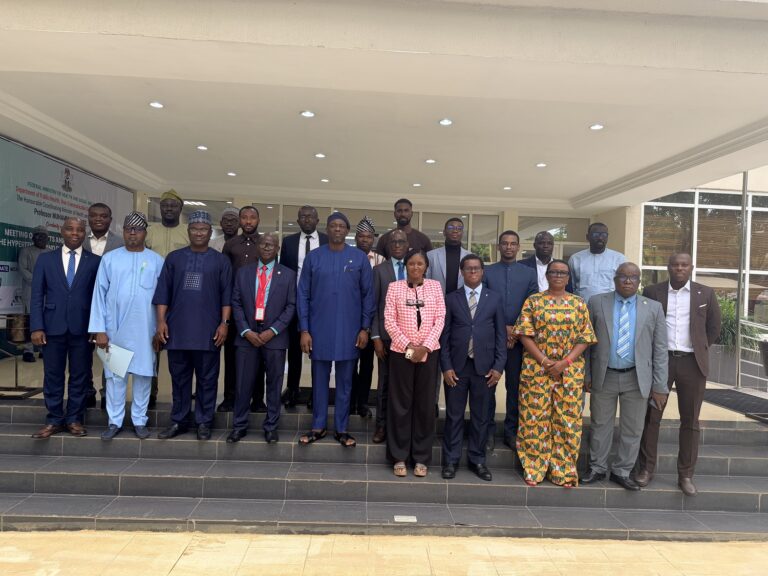
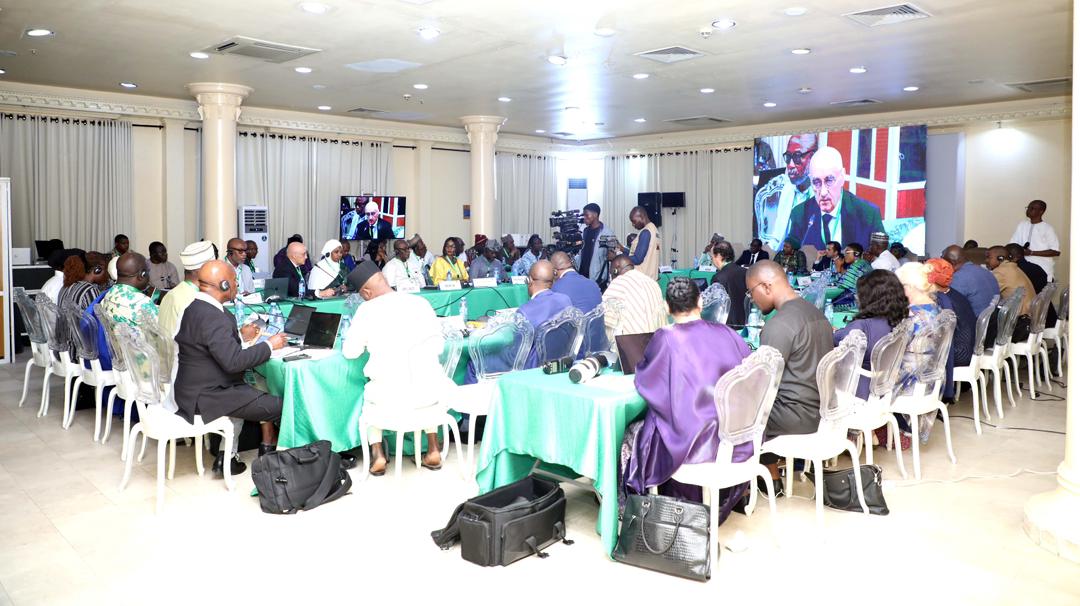
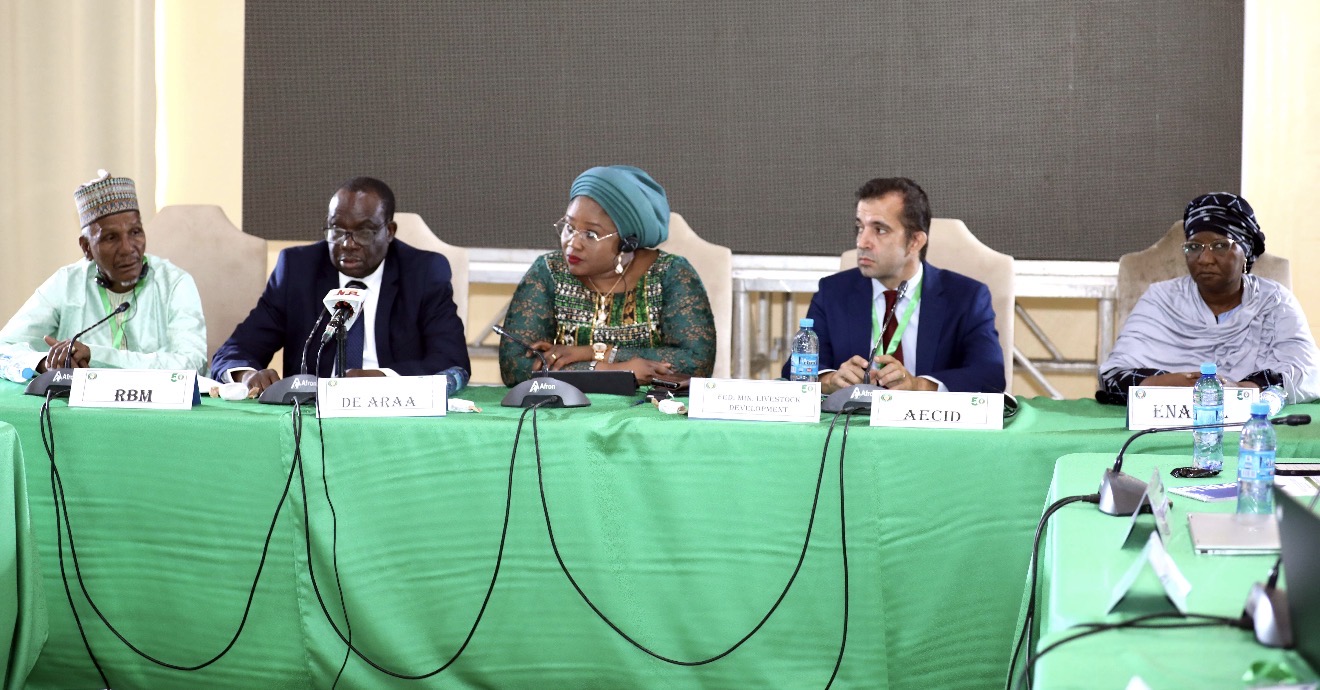
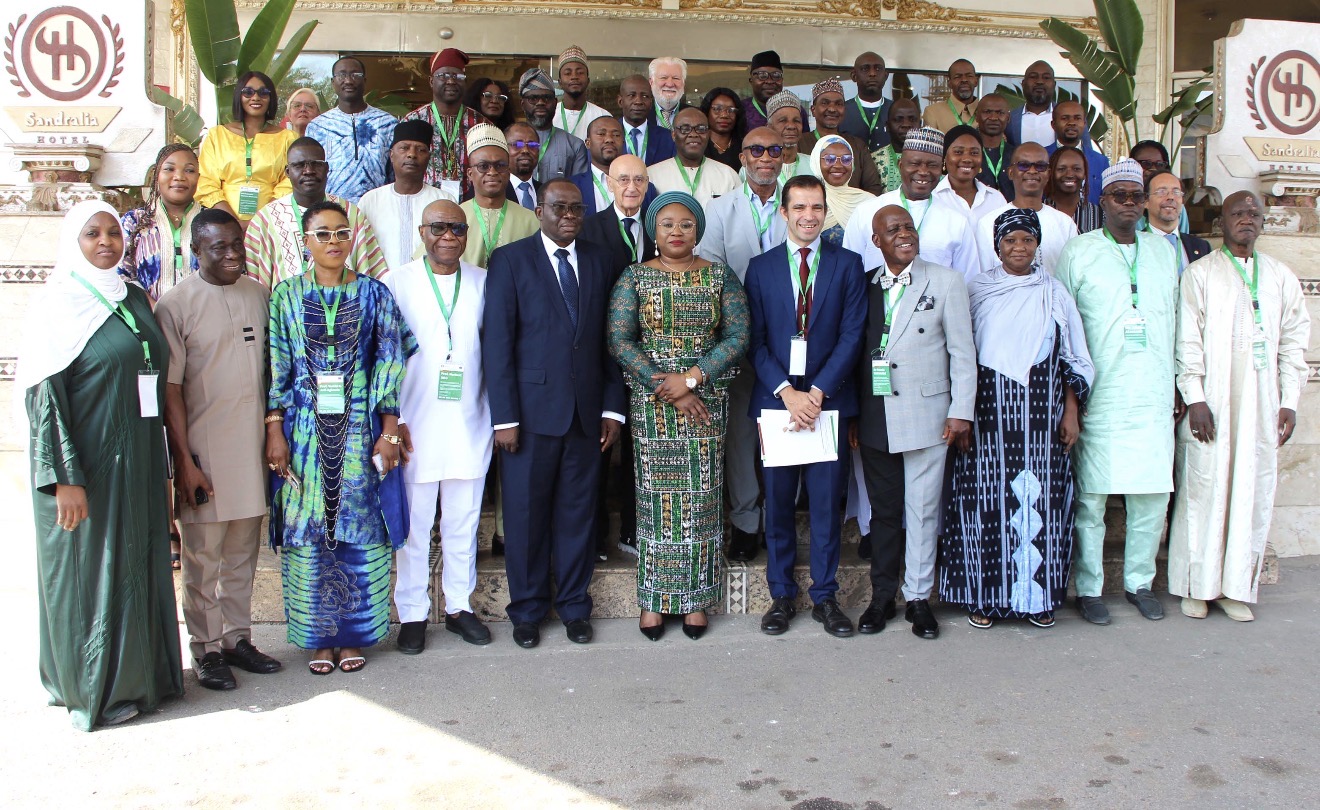
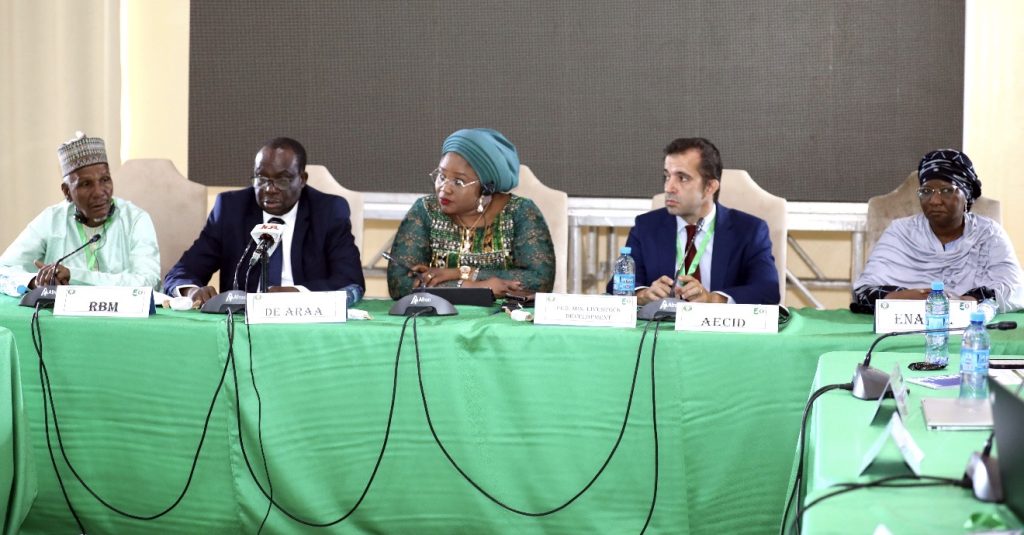
The Economic Community of West African States (ECOWAS) Commission, through its Regional Agency for Agriculture and Food (ARAA), in collaboration with the Federal Ministry of Livestock Development of Nigeria, has launched a High-Level Regional Workshop on the Development of the Animal Feed Industry in West Africa and the Sahel. The two-day event, held from 11 to 12 November 2025 at the Sandralia Hotel in Abuja,  aims to deepen discussions on aflatoxin management and engage the private sector in identifying the key levers needed to build an integrated and economically viable regional livestock feed industry.

It also responds to the shared commitment of regional stakeholders to create and operationalize a network of livestock feed producer associations and to establish a harmonised feed traceability system for West Africa and the Sahel.

Declaring the workshop open, the Permanent Secretary of the Federal Ministry of Livestock Development, Dr. Chinyere Ijeoma Akujobi, reaffirmed Nigeria’s commitment to regional cooperation in advancing livestock value chains. She described the animal feed industry as the backbone of sustainable livestock production and a strategic lever for achieving food and nutrition security across the region.

“The Federal Ministry remains committed to supporting ECOWAS and its partners in developing a structured and competitive feed industry that meets the needs of our farmers and strengthens food security in our region,” she stated. “Animal feed is the foundation of productive and resilient livestock systems, and Nigeria stands ready to play its part.”

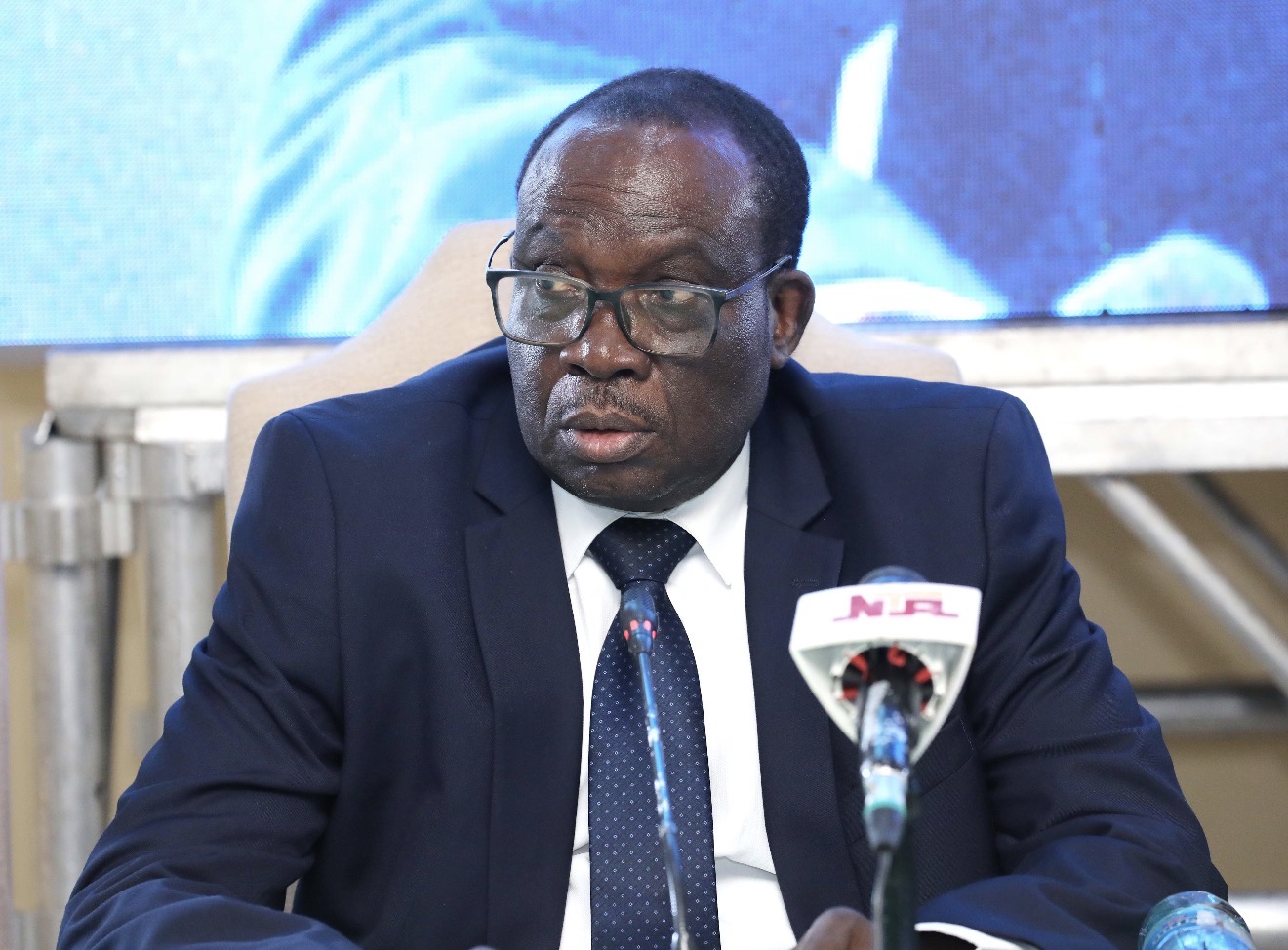
Representing the ECOWAS Commission, the Acting Executive Director of the Regional Agency for Agriculture and Food (ARAA), Mr. Konlani Kanfitin, emphasised that livestock contributes substantially to the economies of Member States, yet the sector continues to face constraints such as high feed costs and weak regulatory systems. He observed that without an efficient and inclusive feed industry, efforts to modernise livestock production would remain incomplete.

Mr. Kanfitin stressed that ECOWAS, through ARAA and its partners, is addressing these challenges through the Productive, Resilient and Safe Agropastoral Systems in West Africa (PRISMA) Project, co-funded by the European Union and the Spanish Cooperation (AECID). He highlighted that the project has already delivered key results, including harmonised sampling and analysis protocols, advanced research on traceability and emergency import procedures, and the establishment of digital platforms to enhance access and feed distribution.

“These results show that ECOWAS and its partners are moving from research to action, translating evidence into regional solutions that strengthen resilience and create opportunities for farmers, youth, and women,” he said.

Speaking on behalf of Spain and the European Union, the Coordinator of the Spanish Cooperation (AECID) in Nigeria and ECOWAS, Mr. Santiago Ormeño García, commended ECOWAS and ARAA for their leadership in advancing regional agricultural transformation through science and innovation. He noted that the workshop is the culmination of four years of intensive collaboration between ECOWAS, AECID, and Member States, aimed at building a traceable, standardised and sustainable feed system for West Africa.

“This workshop demonstrates the power of regional cooperation,” said Mr. Ormeño García. “It reflects our shared ambition to make the livestock sector safer, more productive and inclusive. Collaboration between ECOWAS, AECID and Member States proves that integration can deliver concrete benefits for farmers, producers and families across the region.”

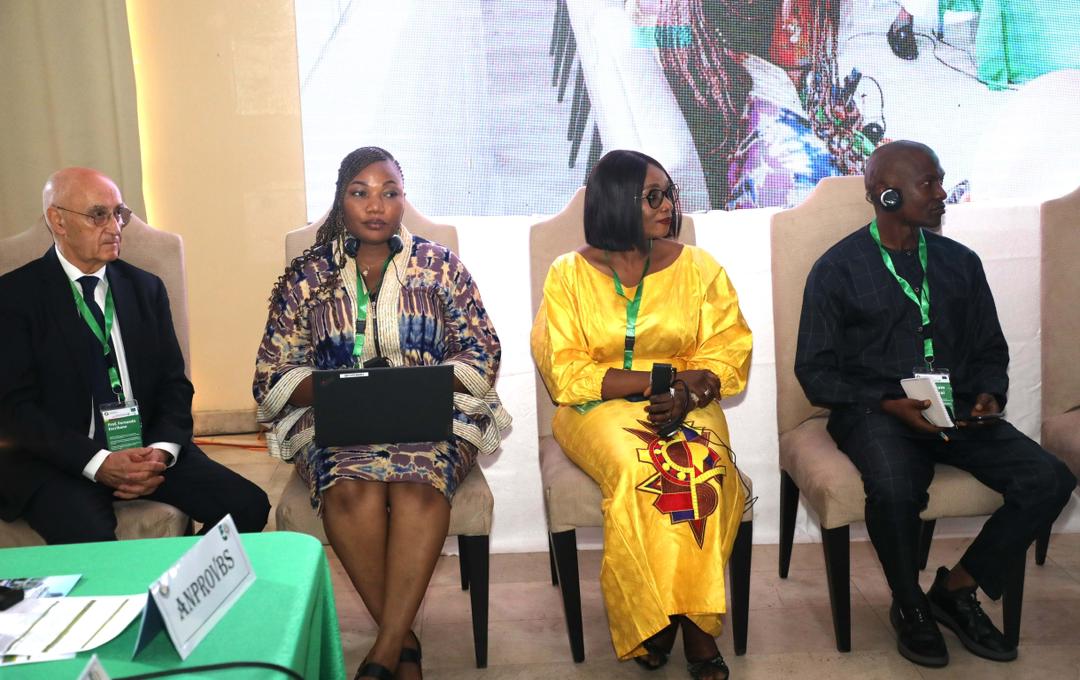
Delivering a scientific perspective, the Researcher at the Universidad Politécnica de Madrid and the Research Centre for the Management of Agricultural and Environmental Risks (CEIGRAM), Dr. Fernando Escribano, underlined that the PRISMA initiative is built on evidence, partnerships and shared accountability. He noted that the workshop builds upon commitments made in Abidjan, Côte d’Ivoire, in 2024 to establish a regional feed traceability system, and that the Abuja session takes this ambition a step further through harmonisation, laboratory networking, and data-sharing mechanisms.

A major highlight of the technical deliberations came from the Senior Researcher at the Institute of Rural Economy (IER – Mali), Dr. Seydou Sidibé, who presented the latest results on Aflatoxin management and control within the PRISMA framework. He announced that Mali’s laboratories are now fully equipped to conduct rapid tests for Aflatoxin in food and Aflatoxin M1 in milk, marking a significant step forward for regional feed safety.

“We are now able to carry out rapid tests for Aflatoxin in food, and our laboratory is also capable of detecting Aflatoxin M1 in milk,” said Dr. Sidibé. “Our experience shows that the PRISMA model can strengthen laboratory capacity and promote the production of healthy, Aflatoxin-free feed. Other countries should take inspiration from this experience to ensure food safety for both humans and animals.”

Dr. Sidibé revealed that among the 318 feed samples analysed, only 20 percent showed contamination, while 90 percent of milk samples exceeded acceptable limits. He recommended enhanced collaboration among laboratories and researchers to trace contamination sources, improve data exchange, and develop harmonised quality-control frameworks across ECOWAS Member States.

This high-level workshop marks a turning point in the governance of the livestock feed sector. It consolidates four years of regional research, field results and policy dialogue into a coherent agenda for food safety, market integration and sustainable growth. The discussions and recommendations will directly inform the forthcoming Policy Dialogue Workshop on Leveraging PRISMA Results in Regional Agricultural Priorities, to be held from 13 to 14 November 2025, also in Abuja.

For the people of West Africa, this process represents more than a technical dialogue, it is a promise of change. A stronger feed industry will improve livestock productivity, reduce contamination risks, and create new employment opportunities, especially for women and youth in agropastoral value chains. Stakeholders also emphasized that the emerging network of livestock feed producer associations should be private sector–driven, to ensure sustainability, competitiveness, and long-term regional ownership. It will also strengthen cross-border trade and reinforce ECOWAS’s vision of a self-reliant, food-secure and integrated region where innovation serves people first.

ECOWAS News

Regional insights, real impact

Discover how ECOWAS is transforming communities, economies and the lives of West African citizens — one story at a time.
Read More
ECOWAS HOLDS THE SECOND MEETING OF THE STEERING COMMITTEE OF REGIONAL CLEAN COOKING ACTION FOR WEST AFRICA (ReCCAWA)
September 22, 2026 0

ECOWAS HOLDS THE SECOND MEETING OF THE STEERING COMMITTEE OF REGIONAL CLEAN COOKING ACTION FOR WEST AFRICA (ReCCAWA)

Learn More
H.E. GENERAL BIRAME DIOP AND HON. JUSTICE RICARDO CLÁUDIO MON-TEIRO GONÇALVES ADVANCE A SHARED VISION FOR STRONGER INSTITUTI-ONS, RULE OF LAW AND REGIONAL INTEGRATION The President of the ECOWAS Commission, H.E. General Birame Diop, and the President of the ECOWAS Community Court of Justice, Hon. Justice Ricardo Cláudio Monteiro Gonçalves, have reaf-firmed their commitment to strengthening cooperation among ECOWAS institutions, promoting the rule of law and advancing regional integration during the Commission President’s official visit to the Court in Abuja. The meeting underscored a shared determination to reinforce institutional effectiveness, democratic governance and citizen-centred development as key pillars of the ECO-WAS Vision 2050. Addressing members of the Court and the Commission delegation, H.E. General Birame Diop emphasized that ECOWAS stands at a critical juncture in its history and must collectively res-pond to the challenges facing the region across the areas of integration, peace and security, governance, democracy and sustainable development. He stressed that strong institutions remain indispensable to the success of the regional project and called for closer collaboration among the Community’s principal organs while preserving their respective mandates and inde-pendence. The President of the Commission further highlighted the importance of maintaining a healthy balance between the executive, judicial and legislative institutions of ECOWAS. Drawing a pa-rallel with the governance structures of modern states, he noted that effective regional gover-nance depends on institutions that are independent, credible and capable, while working toge-ther in pursuit of a common objective: the prosperity, stability and well-being of the peoples of West Africa. In his remarks, Hon. Justice Ricardo Cláudio Monteiro Gonçalves welcomed the Commission President to the Court and expressed confidence that the new leadership of the Commission would provide renewed momentum to the Community and its institutions. He underscored the importance of solidarity, fraternity and mutual support among ECOWAS institutions, noting that a stronger Community can only be built through closer cooperation and a shared com-mitment to serving the citizens of the region. The President of the Court also reaffirmed the judiciary’s readiness to contribute to the realiza-tion of the Community’s objectives and praised the Commission President’s distinguished in-ternational experience and leadership credentials. He expressed optimism that the new man-date would further strengthen the foundations of regional integration and enhance the effec-tiveness of ECOWAS in addressing the expectations of its Member States and citizens. The discussions highlighted a strong convergence of views on the central role of the rule of law, institutional dialogue and mutual respect in advancing the ECOWAS integration agenda. Both leaders emphasized that independent institutions are not instruments of competition but part-ners in a common endeavour to build a more peaceful, democratic, prosperous and resilient West Africa. The visit further provided an opportunity for both institutions to reaffirm their commitment to deeper engagement, stronger coordination and continuous dialogue in support of the Commu-nity’s strategic priorities. It also reflected a shared understanding that the success of ECOWAS depends not only on the strength of its institutions but also on their ability to work collectively in delivering tangible benefits to the citizens they serve.
September 21, 2026 0

H.E. GENERAL BIRAME DIOP AND HON. JUSTICE RICARDO CLÁUDIO MON-TEIRO GONÇALVES ADVANCE A SHARED VISION FOR STRONGER INSTITUTI-ONS, RULE OF LAW AND REGIONAL INTEGRATION The President of the ECOWAS Commission, H.E. General Birame Diop, and the President of the ECOWAS Community Court of Justice, Hon. Justice Ricardo Cláudio Monteiro Gonçalves, have reaf-firmed their commitment to strengthening cooperation among ECOWAS institutions, promoting the rule of law and advancing regional integration during the Commission President’s official visit to the Court in Abuja. The meeting underscored a shared determination to reinforce institutional effectiveness, democratic governance and citizen-centred development as key pillars of the ECO-WAS Vision 2050. Addressing members of the Court and the Commission delegation, H.E. General Birame Diop emphasized that ECOWAS stands at a critical juncture in its history and must collectively res-pond to the challenges facing the region across the areas of integration, peace and security, governance, democracy and sustainable development. He stressed that strong institutions remain indispensable to the success of the regional project and called for closer collaboration among the Community’s principal organs while preserving their respective mandates and inde-pendence. The President of the Commission further highlighted the importance of maintaining a healthy balance between the executive, judicial and legislative institutions of ECOWAS. Drawing a pa-rallel with the governance structures of modern states, he noted that effective regional gover-nance depends on institutions that are independent, credible and capable, while working toge-ther in pursuit of a common objective: the prosperity, stability and well-being of the peoples of West Africa. In his remarks, Hon. Justice Ricardo Cláudio Monteiro Gonçalves welcomed the Commission President to the Court and expressed confidence that the new leadership of the Commission would provide renewed momentum to the Community and its institutions. He underscored the importance of solidarity, fraternity and mutual support among ECOWAS institutions, noting that a stronger Community can only be built through closer cooperation and a shared com-mitment to serving the citizens of the region. The President of the Court also reaffirmed the judiciary’s readiness to contribute to the realiza-tion of the Community’s objectives and praised the Commission President’s distinguished in-ternational experience and leadership credentials. He expressed optimism that the new man-date would further strengthen the foundations of regional integration and enhance the effec-tiveness of ECOWAS in addressing the expectations of its Member States and citizens. The discussions highlighted a strong convergence of views on the central role of the rule of law, institutional dialogue and mutual respect in advancing the ECOWAS integration agenda. Both leaders emphasized that independent institutions are not instruments of competition but part-ners in a common endeavour to build a more peaceful, democratic, prosperous and resilient West Africa. The visit further provided an opportunity for both institutions to reaffirm their commitment to deeper engagement, stronger coordination and continuous dialogue in support of the Commu-nity’s strategic priorities. It also reflected a shared understanding that the success of ECOWAS depends not only on the strength of its institutions but also on their ability to work collectively in delivering tangible benefits to the citizens they serve.

Learn More
ECOWAS COMMISSION WELCOMES JOURNALISTS FROM MEMBER STATES TO NEW HEADQUARTERS IN ABUJA
September 21, 2026 0

ECOWAS COMMISSION WELCOMES JOURNALISTS FROM MEMBER STATES TO NEW HEADQUARTERS IN ABUJA

Learn More
ECOWAS IS SET TO AWARD WEST AFRICA’S 60 MOST PROMISING START-UPS THIS WEEK IN ABUJA
September 21, 2026 0

ECOWAS IS SET TO AWARD WEST AFRICA’S 60 MOST PROMISING START-UPS THIS WEEK IN ABUJA

Learn More
GENERAL BIRAME DIOP AND AMBASSADOR MARC FONBAUSTIER DISCUSS COOPERATION BETWEEN ECOWAS AND FRANCE
September 21, 2026 0

GENERAL BIRAME DIOP AND AMBASSADOR MARC FONBAUSTIER DISCUSS COOPERATION BETWEEN ECOWAS AND FRANCE

Learn More
GHANCOY 5 ESSMGB DONATES TO GUINEA-BISSAU MILITARY HOSPITAL
September 21, 2026 0

GHANCOY 5 ESSMGB DONATES TO GUINEA-BISSAU MILITARY HOSPITAL

Learn More
Get in touch

Let's build West Africa's future together

ECOWAS Headquarters — Airport Road, Abuja, Nigeria
info@ecowas.int
ECOWAS Commission
12Member States, one region
Facebook LinkedIn X YouTube WhatsApp WebTV WebRadio Newsletter Library