Initializing...
African Union Commission, ECOWAS Commission and GIZ strengthen local capacity building for urban resilience in West Africa through risk-informed urban development workshop series
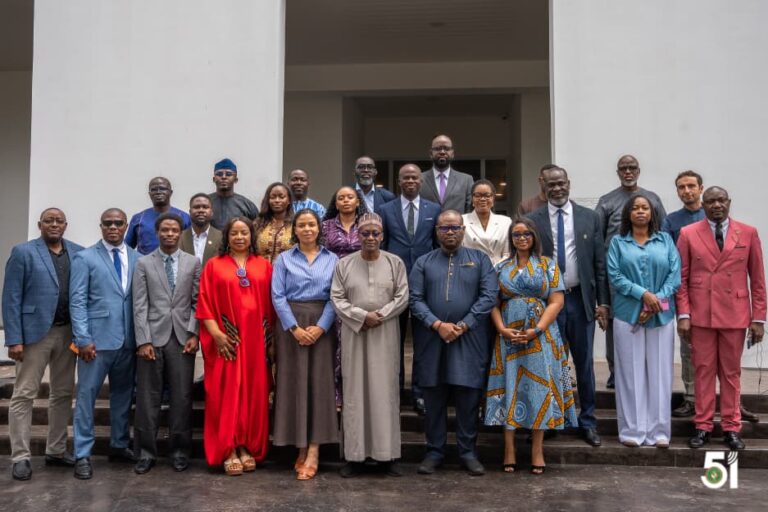
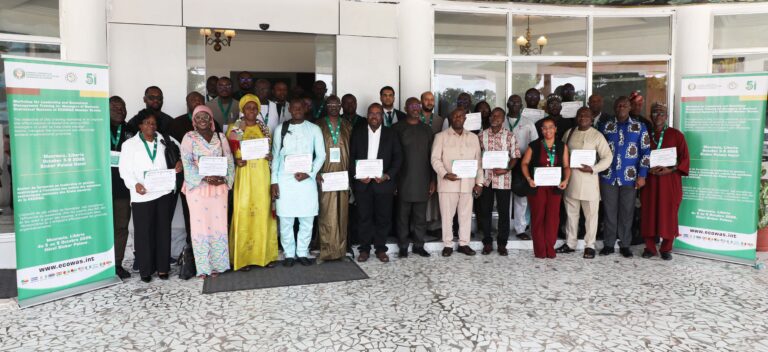
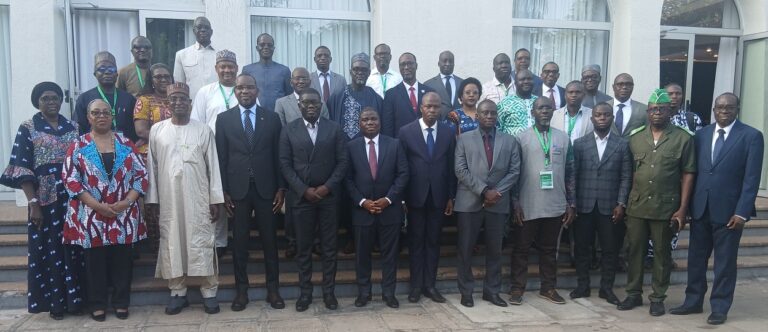
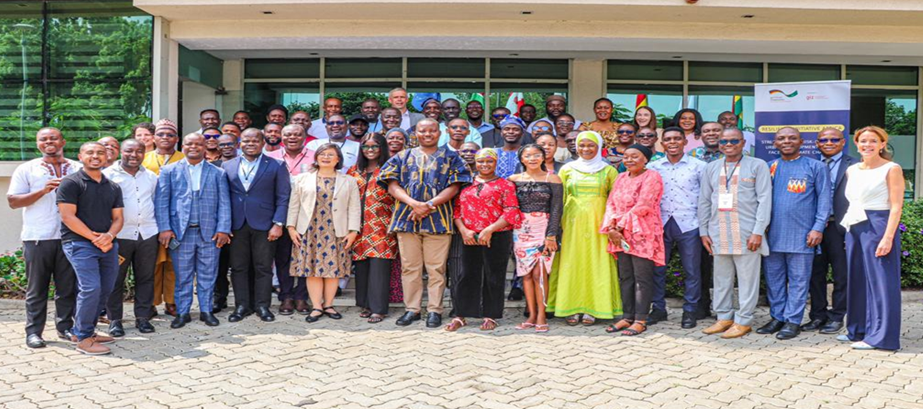
The African Union Commission (AUC) and the ECOWAS Commission, in collaboration with the Gesellschaft für Internationale Zusammenarbeit (GIZ), organised the second workshop in the series of workshops to boost local capacity through Risk-Informed Urban Development Workshop Series, , from 2 to 4 July 2025 in Accra, Ghana.
The workshop which was part of an initiative led by the German Federal Ministry for Economic Cooperation and Development (BMZ) known as the “Resilience Initiative Africa” brought together representatives from Thirteen (13) cities in West Africa including Mayors of various municipalities and local Experts to learn and share experiences on risks assessments, participatory and inclusivity approach to urban development. In addition, staff of the AUC, ECOWAS Commission, GIZ and the Ministry for Climate Change and Sustainability of Ghana actively participated in the workshop.
On behalf of the ECOWAS Commission, the Director of Humanitarian and Social Affairs, Dr. Sintiki Tarfa Ugbe, noted that “The workshop was timely and essential, providing a valuable opportunity to build capacity and address climate challenges effectively”.
She highlighted ECOWAS efforts in building urban resilience across West Africa through the activities of the Regional Committee for Disaster Risk Reduction (GECEAO) and the adaptation of the Africa Urban Resilience Programme (AURP) in the region.
She further emphasised the need for technical measures and policy alignment to support local governments in the region to combat climate-related hazards and to strengthen the resilience of urban communities. The Director expressed hope that the workshop series would achieve its primary goal of helping participating cities secure financing for tangible urban resilience projects and encouraged city representatives to view climate challenges as opportunities for innovation as these issues are addressed.
In his remarks, Dr. Emmanuel Osuteye, Urban Resilience Adviser, at the African Union Commission, mentioned focus of the workshop on risk-informed urban development was a critical approach that helped municipal and local governments within the region to integrate risk, vulnerability and impact assessments into their planning processes. He noted this approach therefore ensured that urban planning was proactive, data-driven and responsive to local realities. This workshop series aligns with the African Union’s priority to build urban resilience through its Africa Urban Resilience Programme (AURP) which has been developed with UNDP technical support under Sweden financing.
The Minister of Climate Change and Sustainability of Ghana, represented by the Technical Adviser in the Ministry, Mr. Cedric Dzelu, expressed the commitment of the government to mainstream climate action across all levels of governance in Ghana, and to place climate change at the forefront of national development, citing the growing economic toll of climate-related disasters on the country.
He assured participants that the training would be cascaded to the various agencies, Metropolitan, Municipal, and District Assemblies. Mr. Dzelu expressed optimism that the ongoing workshop series would contribute significantly to the national agenda of Ghana and pledged the ministry’s full participation in the workshop.
The Project Manager for the Resilience Initiative Africa (RIA), Mrs. Ria Hidajat, celebrated the partnership and collaboration between West African governments and Germany, mainly through GIZ on behalf of the German Federal Ministry for Economic Cooperation and Development (BMZ). She noted that the workshop series is a unique opportunity to learn about urban climate and disaster risk mapping, impacts on socio-community infrastructure and facilities, and to present opportunities for mobilising resources for urban resilience. Ms. Hidajat encouraged participants, especially those from participating cities, to take advantage of the workshop by exchanging ideas and peer-to-peer learning.
Discover how ECOWAS is transforming communities, economies and the lives of West African citizens — one story at a time.