Initializing...
Bissau, Guinea-Bissau | 23 October 2026
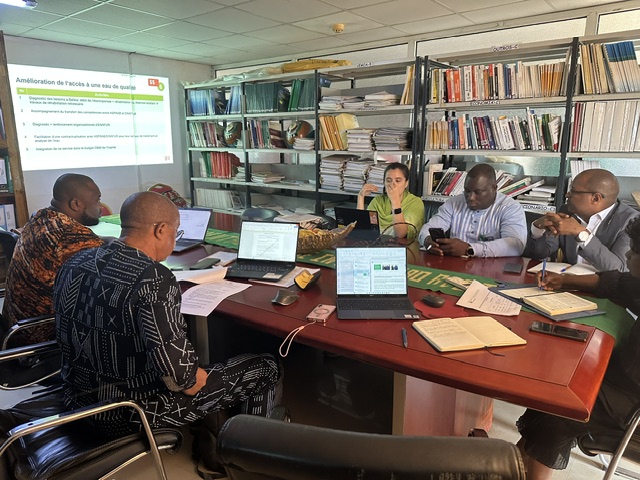
The Economic Community of West African States (ECOWAS), through the Regional Stabilisation and Development Fund (FRSD), and German Development Cooperation, through GIZ, conducted a joint mission in Guinea-Bissau from 13 to 23 October 2026 to assess the capacity-building needs of the Bafatá and Gabú regional hospitals.
The mission forms part of ongoing efforts to strengthen community resilience and improve access to quality essential social services, particularly in areas facing structural development challenges.
Conducted in consultation with national authorities, technical services, regional health officials and hospital management teams, the mission combined institutional consultations in Bissau with technical visits to the hospitals in Bafatá and Gabú. Preliminary findings and potential areas of intervention were subsequently presented to the relevant national institutions, including the FRSD National Advisory Committee, the Ministry of Public Health and the authorities responsible for natural resources and sanitation.
Addressing Structural Challenges through Coordinated Action
The assessments identified several common challenges affecting both hospitals, including insufficient financial resources, shortages of qualified personnel, weaknesses in information-management systems, and difficulties relating to hospital hygiene, healthcare waste management and access to safe water.
At Bafatá Regional Hospital, the findings highlighted the absence of a structured solid waste management system, a shortage of qualified personnel and difficulties in responding to the population’s healthcare needs, particularly in relation to respiratory diseases.
At Gabú Regional Hospital, the mission identified, among other concerns, the non-functional existing incinerator, a shortage of specialised technicians, limited autonomy in certain management decisions, and challenges relating to water supply and sanitation.
These findings underscore the need for an integrated approach combining capacity-building, improved hospital management, infrastructure and equipment maintenance, and stronger hygiene and sanitation systems.
Six Potential Areas of Intervention Identified
Following the consultations and technical assessments, six potential areas of intervention were identified:
These areas represent proposed priorities to be further assessed and prioritised in consultation with the competent authorities, based on additional technical assessments and a detailed estimation of needs and costs.
Towards a Coordinated Action Plan
The mission strengthened dialogue between ECOWAS, GIZ and national stakeholders on the priority needs of the two hospitals. It also established a technical basis for developing potential interventions tailored to the operational realities of Bafatá and Gabú.
The next step will be to consolidate and validate the findings with the relevant institutions and develop a prioritised and costed action plan specifying responsibilities, timelines and expected results. Any subsequent intervention will remain subject to FRSD eligibility criteria, resource availability and applicable institutional procedures.
Through this joint initiative, ECOWAS and GIZ reaffirm the importance of coordination with national authorities and technical partners in identifying sustainable responses to challenges affecting essential social services and contributing to stronger community resilience across West Africa.
Discover how ECOWAS is transforming communities, economies and the lives of West African citizens — one story at a time.