Initializing...
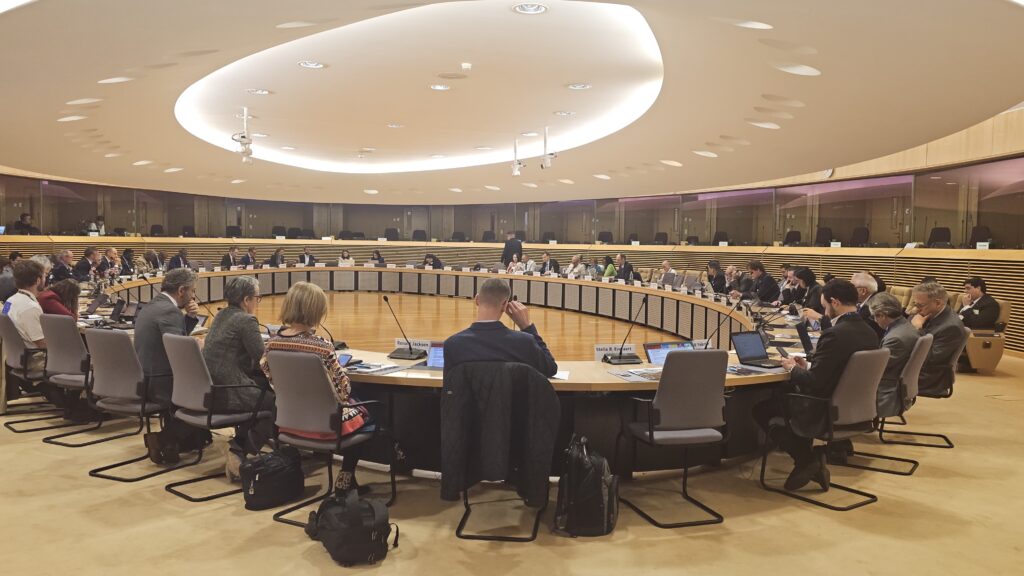
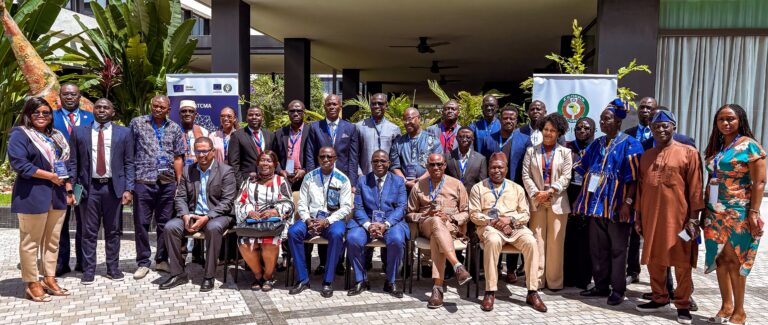
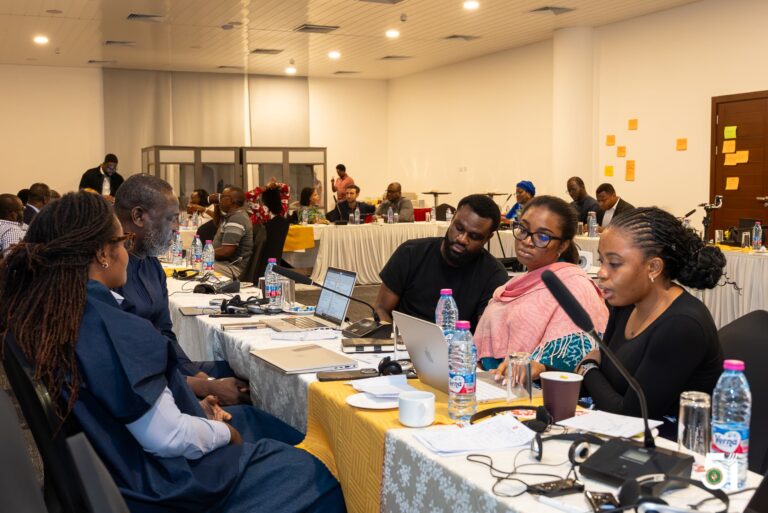
The Economic Community of West African States (ECOWAS) Commission concluded a five-day study visit to Bonn, Germany, and Brussels, Belgium, from 12 to 16 October 2026, to strengthen regional disaster preparedness and response capacities. Through exchanges with the European Union Civil Protection Mechanism (UCPM) and key European civil protection institutions, the mission explored best practices in multi-level coordination, early warning systems, rapid response operations, and resource mobilisation. The lessons learned will support the ongoing development of the ECOWAS Regional Cooperation and Solidarity Mechanism for disaster preparedness and response.
The visit forms part of the DG ECHO–ECOWAS project, Strengthening Disaster Preparedness and Early Warning Systems in West Africa, an initiative funded by the European Union through DG ECHO and implemented by the ECOWAS Commission with technical support from the United Nations Office for Disaster Risk Reduction (UNDRR). By enhancing regional coordination, strengthening capacities in disaster risk reduction and climate services, and advancing interoperability among early warning and civil protection systems, the project aims to build a more resilient and disaster-prepared West Africa.
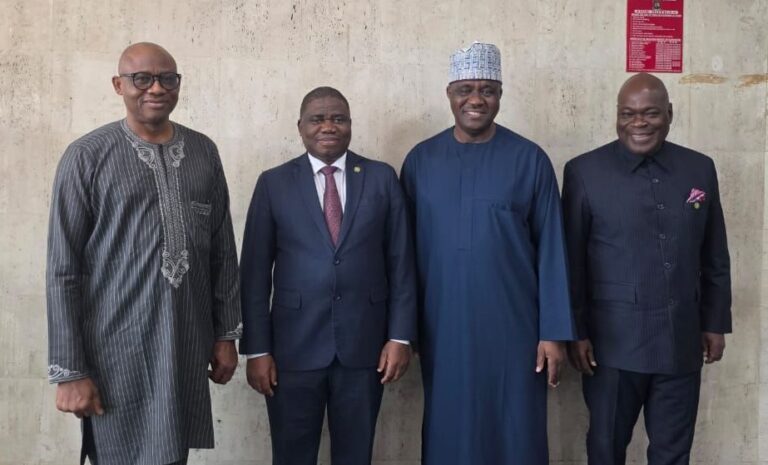
Led by Dr. Mohammed Ibrahim, Acting Director of Humanitarian and Social Affairs, the delegation brought together representatives from the National Disaster Management Agencies and National Hydrometeorological Services of the four pilot Member States, Guinea, Liberia, Nigeria and Togo. The delegation also included representatives of Nigeria’s National Space Research and Development Agency (NASRDA), as well as experts from the United Nations Office for Disaster Risk Reduction (UNDRR) , the World Meteorological Organization (WMO) and the African Centre of Meteorological Applications for Development (ACMAD), reflecting the multi-stakeholder approach underpinning efforts to strengthen disaster preparedness, early warning systems and regional resilience across West Africa.
In Bonn, the delegation visited the United Nations Platform for Space-based Information for Disaster Management and Emergency Response (UN-SPIDER), where participants explored how satellite imagery, Earth observation data, and geospatial technologies can strengthen risk assessment, early warning, and emergency response. Discussions with the United Nations Office for Disaster Risk Reduction (UNDRR) focused on international cooperation, disaster risk governance and resilience-building strategies. The ECOWAS Commission also presented its humanitarian and disaster management mandate, highlighting progress in operationalising the ECOWAS Emergency Operations Centre (EDOC) as a key pillar of regional preparedness and response. At DHL, participants gained insights into the private sector’s contribution to humanitarian action through the company’s GoHelp disaster management programme and exchanged views on strengthening public-private partnerships in logistics, emergency supply chains and the delivery of relief assistance.
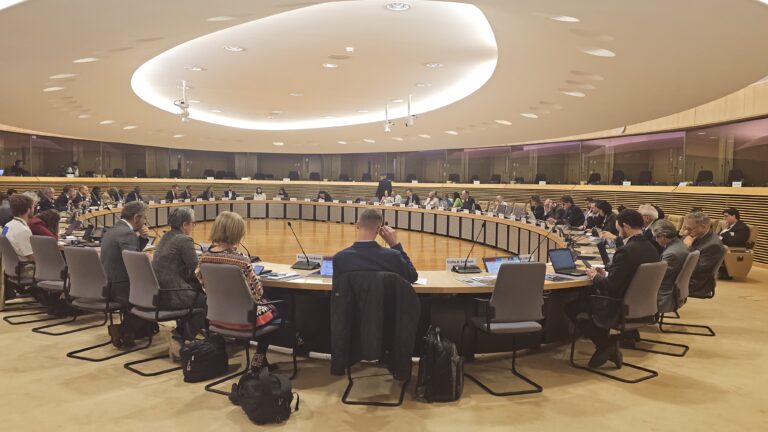
While in Brussels, the delegation joined policymakers, experts and development partners from across Africa, Europe, Asia, Latin America and the Caribbean for the high-level Regional Dialogue on “Disaster Risk Management: From Space to Grassroots”. The dialogue provided a platform to examine how innovations in space technologies and Earth observation can be translated into actionable solutions for disaster risk reduction, preparedness and response. High-level speakers included the Vice-President of Guatemala, the European Commissioner for Preparedness, Crisis Management and Equality, the European Commissioner for Defence and Space, the United Nations Special Representative of the Secretary-General for Disaster Risk Reduction, and Ireland’s Minister of State for European Affairs and Defence.
At the Emergency Response Coordination Centre (ERCC), the operational heart of the European Union Civil Protection Mechanism (UCPM), the delegation gained first-hand insight into how emergencies are monitored, information is exchanged, and assistance is coordinated in real time across participating countries. The visit provided practical lessons for strengthening the operational capabilities of the ECOWAS Emergency Operations Centre (EDOC), particularly in the areas of situational awareness, coordination and emergency response management.
The delegation also engaged with development partners, including ENABEL, the Belgian Development Agency, to explore opportunities for collaboration in strengthening the operational capacity of the EDOC. Discussions focused on enhancing regional coordination, information-sharing and monitoring functions, while supporting ECOWAS Member States to make fuller use of the Centre’s services for disaster preparedness, early warning and emergency response.
The study tour represents a significant step towards deepening West Africa-Europe cooperation on disaster risk reduction and resilience building. Lessons learned from the exchanges will inform practical recommendations for adapting EU good practices to the ECOWAS context and guide a framework for continued engagement with European civil protection institutions. By feeding into the implementation of the DG ECHO–ECOWAS project and the further operationalisation of the ECOWAS Emergency Operations Centre (EDOC), these efforts will strengthen regional coordination, improve access to risk information and early warning, and enhance the collective capacity of Member States to prepare for and respond effectively to disasters and emergencies.
Discover how ECOWAS is transforming communities, economies and the lives of West African citizens — one story at a time.